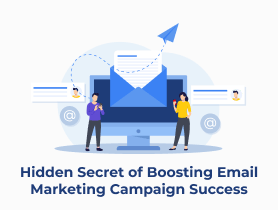
To boost the success of an email marketing campaign, focus on a blend of strategic personalization and technical optimization. By tailoring content to specific audience segments and refining delivery timing, you can significantly improve engagement and conversion rates.
Why Most Email Campaigns Fail (and How to Fix Them)?
Email marketing remains one of the highest ROI digital marketing channels, yet many campaigns struggle to deliver results. Low open rates, poor engagement, and unsubscribes often leave marketers frustrated.
The hidden secret of boosting email marketing campaign success is not about sending more emails, it’s about sending smarter ones.
In today’s crowded inboxes, accomplishment depends on personalization, timing, psychology, and value. This blog post reveals unnoticed strategies that top-performing brands gently use to turn average email campaigns into influential revenue engines.
Understanding Modern Email Marketing Behaviour
Modern email marketing isn’t just about sending messages anymore, it’s about understanding people. Today’s audiences are more selective, more informed, and quick to ignore anything that feels generic or overly sales-driven. They expect emails to feel relevant, timely, and tailored to their needs, not just another promotion in their inbox.
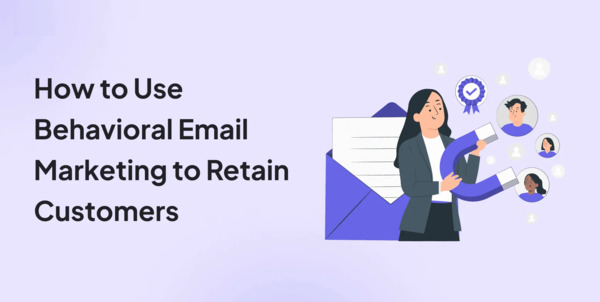
People now engage with brands that speak to them like humans, not corporations. A simple, personalized message that solves a problem or adds value will always perform better than a flashy but impersonal campaign. In short, successful email marketing today is less about volume and more about building genuine connections, one meaningful email at a time.
Understanding contemporary email marketing behaviour requires shifting from “sending to many” to “sending to the right person at the right moment.”
In 2026, this discipline is distinct by a move away from static, broad-reach campaigns toward fluid, AI-driven experiences that prioritize significance over volume.
Key Shifts in Modern Email Marketing Behaviour
Modern email marketing is no longer a separate channel but a dynamic layer of the customer journey, characterized by:
- Hyper-Personalization: Moving beyond “First Name” tags to real-time adaptive content. AI now analyses behavioural signals like dwell time, browsing patterns, and even local weather to modify email copy and product recommendations mid-send.
- Intelligent Inbox Filtering: Inbox providers (like Gmail and Apple Mail) now act as AI gatekeepers, summarizing emails for users. To endure, marketers must prioritize semantic simplicity so AI tools can precisely highlight the most valuable information.
- Predictive Orchestration: Instead of “batch and blast” scheduling, modern systems use prognostic send-time optimization. This safeguards a message arrives precisely when a precise user is historically most likely to engage, whether that’s during a morning commute or a late-night browsing session.
- Interactive Engagement: Static layouts are being substituted by in-email experiences. Features like live polls, swipeable carousels, and one-click checkouts permit users to take action without ever leaving their inbox, meaningfully reducing conversion friction.
- Privacy-First Trust: With stricter regulations and the decline of third-party cookies, behaviour analysis now relies deeply on zero-party data (information users voluntarily share via preference centres) and first-party data collected straight from brand interactions.
Inbox Competition Is Fiercer Than Ever
The average person receives dozens of emails daily. If your message doesn’t feel relevant promptly, it’s ignored.
In 2026, the battle for the inbox has reached a fever pitch, with an estimated 392.5 billion emails sent daily, meaning the average user is now filtering through roughly 121 email messages every single day.
This saturation has forced a fundamental shift in how visibility is earned; landing in the inbox is no longer enough when AI-driven “intelligent inboxes” in Gmail and Apple Mail now act as gatekeepers, summarizing or deprioritizing content before a human even sees it.
The Reality of Modern Inbox Competition
- The 10-Second Window: Most users spend an average of only 10 seconds reading brand emails, and 47% choose whether to open a message based exclusively on the subject line.
- AI-Driven Gatekeeping: Mailbox providers now use engagement signals like how rapidly you delete a message or if you ever reply, as “training data” to choose if your forthcoming emails deserve the chief tab or the “noise” folder.
- Trust as Currency: With authentication protocols like DMARC and BIMI (brand logos in the inbox) becoming mandatory, trust signals are now just as significant as the actual offer for grabbing attention.
- The “Unsubscribe” Pivot: Because users are stunned, they are faster than ever to report spam or unsubscribe; 69% of people cite “too many emails” as their chief reason for leaving a list.
Trust Drives Engagement
Subscribers engage with brands they trust. Steadiness, authenticity, and practicality now matter more than flashy promotions.
The Real Hidden Secret: Deep Personalization at Scale via Email Marketing
In 2026, Deep Personalization at Scale has evolved from a “nice-to-have” perk into a baseline prerequisite for survival.
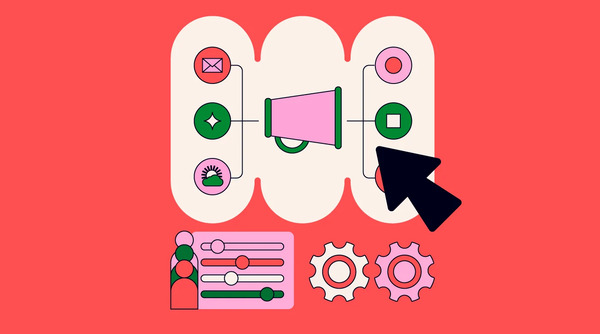
It represents the transition from simple segment-based messaging to individualized journey mapping, where AI engines produce exclusive content blocks for millions of subscribers concurrently, ensuring no two recipients see the thorough same email.
Achieving Individualization at Scale
To deliver this level of significance without manual overhead, modern marketers lean on three core pillars:
- Dynamic Content Blocks: Instead of building dozens of versions of a newsletter, marketers use “liquid” templates that pull in real-time product data, local inventory, and personalized imagery based on the recipient’s past 48 hours of behaviour.
- Predictive Intent Modelling: Advanced algorithms analyze historical data to forecast what a customer wants before they realize it. This permits for “anticipatory emails,” such as restocking reminders or milestone rewards, sent at the precise moment of maximum influence.
- Contextual Triggers: Deep personalization factors in external variables like local weather, real-time stock market fluctuations, or live event scores. For instance, a retail email might routinely swap a puffer jacket for a raincoat if the forecast in the recipient’s zip code changes mid-morning.
- Natural Language Generation (NLG): AI now crafts subject lines and body copy that mirror the precise tone and sentiment each user responds to best, whether they desire data-driven firmness or casual, friendly storytelling.
Beyond First Names
Using a subscriber’s name is no longer enough. True personalization includes:
- Behaviour-based content
- Purchase history
- Browsing activity
- Engagement patterns
Emails that reflect real user behaviour feel less like marketing and more like conversations.
Dynamic Content Blocks
Modern email tools permit dynamic sections that change based on the recipient. This means one campaign can feel custom-made for thousands of people.
Segmentation: The Foundation of High-Performing Campaigns
Why List Segmentation Matters
Sending the same message to everyone is a fast way to lose subscribers. Segmentation allows you to:
- Increase open rates
- Improve click-through rates
- Reduce unsubscribes
High-Impact Segmentation Ideas
- New vs. returning subscribers
- Engaged vs. inactive users
- Buyers vs. non-buyers
- Interest-based segments
Smaller, targeted lists consistently outperform large, generic ones.
Email Subject Lines That Trigger Curiosity (Not Spam Filters)
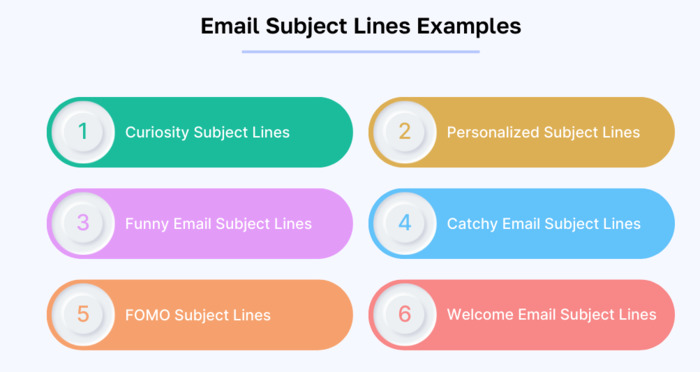
A curiosity-driven subject line acts as a “cliffhanger” for the inbox, leveraging a psychological gap between what a reader distinguishes and what they need to find out.
By hinting at a secret, a surprising result, or an unconventional solution, you compel the recipient to click purely to resolve the mental itch you’ve created.
To master this technique, focus on these three elements:
- The “Open Loop”: Start a story or pose a question that can only be answered by reading the body of the email.
- Specific Vague-ness: Be precise enough to be relevant, but vague enough to withhold the “how” or “why.”
- The Counter-Intuitive Hook: Use statements that challenge common knowledge, such as “Why your best keywords are actually hurting you.”
When used properly, interest doesn’t just increase open rates; it primes the reader’s brain to be more focused on the content inside.
Psychology Over Promotion
Effective subject lines focus on:
- Curiosity
- Benefit-driven language
- Emotional triggers
Avoid overused words like free, urgent, or buy now.
Proven Subject Line Tips
- Keep it under 45 characters
- Use natural language
- Ask a compelling question
- Test emojis sparingly
The subject line chooses whether your email lives or dies.
Email Copy That Feels Human
Writing email copy that feels human requires moving away from rigid, corporate jargon and embracing a conversational tone. It’s about treating the inbox like a space for a 1-to-1 dialogue rather than a broadcast platform for a faceless brand.
Write like as if You Speak
Formal, robotic language kills engagement. Instead:
- Use short sentences
- Ask questions
- Tell relatable stories
A conversational tone increases read time and clicks.
One Email, One Goal
Every email should effort on a single action, clicking a link, reading a blog, or replying. Too many CTAs create confusion.
Timing and Frequency of Email Scheduling: When Less Is More
Finding the right timing and frequency for your email campaigns is a delicate balance between staying top-of-mind and becoming a nuisance. Often, “less is more” because high-quality, infrequent communication builds anticipation and respect for the reader’s inbox, whereas over-saturation leads to “inbox fatigue” and rising unsubscribe rates.
Strategic Timing and Frequency
Quality Over Quantity: Reducing frequency allows you to focus on high-value content that actually serves a purpose, ensuring that every notification the user receives is worth their time.
The Power of Consistency: Establishing a predictable cadence, whether it’s weekly or bi-monthly is often more effective than daily blasts, as it trains your audience when to expect your best insights.
Audience-Specific Peak Times: Optimal send times vary by region and industry; for instance, mid-morning windows in specific time zones often see higher engagement than late-night sends.
Trigger-Based Automation: Instead of a generic schedule, use behavioral triggers (like a sign-up or a specific page visit) to send emails when your brand is already at the front of the recipient’s mind.

Best Time to Send Emails
While it varies by audience, data suggests:
- Tuesday to Thursday
- Mid-morning or early afternoon
Test steadily and track results.
Avoid Email Fatigue
Sending fewer, higher-quality emails builds expectation and trust. Weekly or bi-weekly emails often beat daily blasts.
The Power of Value-First Content in Email Marketing
In an era of overflowing inboxes, value-first content is the variance between being a trusted advisor and being marked as spam. Instead of leading with a sales pitch, this strategy focuses on solving problems, sharing insights, or providing entertainment before asking for a single cent.
By reliably delivering “quick wins” like a supportive tip, a curated resource, or an exclusive industry insight, you build a “goodwill bank” with your subscribers. This tactic flips the traditional marketing funnel:
- Trust over Transactions: People buy from brands they touch have already helped them.
- Higher Engagement: When users know your emails comprise actual utility, open rates and click-through rates naturally climb.
- Lower Churn: Subscribers stay on your list longer because the “cost” of reading your email is always outweighed by the advantage received.
Eventually, value-first marketing turns your email list into a community rather than just a distribution channel, making your eventual sales offers feel like a natural next step rather than an intrusion.
Educate Before You Sell
The hidden secret to boosting email marketing campaign success is to give value before asking for anything in return.
Value-driven emails include:
- Tips and how-tos
- Industry insights
- Personal experiences
- Case studies
Sales naturally follow trust.
Email Automation That Feels Personal
Email automation feels personal when it moves beyond basic placeholders and uses specific behavioral triggers to deliver the right message at the exact moment a user needs it.
By mapping out a journey that responds to individual actions, like a follow-up after a specific resource is downloaded, you transform a generic sequence into a relevant, one-on-one conversation.
Smart Email Automation
Automation should enhance relationships, not replace them.
High-performing automated sequences include:
- Welcome emails
- Abandoned cart reminders
- Re-engagement campaigns
- Post-purchase follow-ups
Each email should feel timely and relevant.
Email Template Design for Mobile-First Readers
To design for mobile-first readers, use a single-column layout with large, tappable buttons and concise text to ensure your message is easily scannable and actionable on smaller screens.
Why Mobile Optimization Is Non-Negotiable
Over 60% of emails are opened on mobile devices. Ensure:
- Short paragraphs
- Clear fonts
- Clickable buttons
- Fast-loading images
If it’s hard to read on a phone, it won’t convert.
Measuring What Actually Matters
Key Metrics to Track
Instead of vanity metrics, focus on:
- Click-through rate (CTR)
- Conversions
- Replies
- Revenue per email
Open rates matter, but action matters more.
Common Email Marketing Mistakes to Avoid
One of the most damaging mistakes in email marketing is failing to segment your audience, which leads to sending unrelated content that ignores a subscriber’s precise needs or location.
When every recipient gets the same common blast, engagement drops and unsubscribe rates soar because the content lacks personal resonance.
To keep your deliverability and reputation high, avoid these common pitfalls:
- Neglecting the Welcome Sequence: Missing the chance to introduce your brand when interest is at its peak is a wasted opportunity to set expectations and deliver instant value.
- Over-Selling without Context: Bombarding a list with continual sales pitches without providing instructive or supportive content rapidly leads to “inbox fatigue.”
- Ignoring Mobile Optimization: A noteworthy portion of users read emails on the go; if your layout is broken or your text is too small on a smartphone, your message will be deleted instantly.
- Vague Calls-to-Action (CTAs): If a reader finishes your email and doesn’t know precisely what to do next, whether it’s reading a blog post or checking a service page, the email has failed its purpose.
Steering clear of these errors confirms that your email efforts build long-term authority rather than just filling up a junk folder.
- Sending without segmentation
- Overloading emails with images
- Ignoring inactive subscribers
- Writing sales-only emails
- Never testing subject lines
Avoiding these mistakes alone can intensely progress results.
FAQs: Hidden Secret of Boosting Email Marketing Campaign Success
What is the hidden secret of boosting email marketing campaign success?
It’s delivering highly personalized, value-driven content to the right audience at the right time.
How often should I send marketing emails?
For most brands, 1–2 emails per week is ideal.
Does personalization really increase conversions?
Yes. Personalized emails reliably outperform generic campaigns.
Are automated emails effective?
When done properly, automated emails generate higher engagement than manual campaigns.
What matters more: subject lines or email content?
Subject lines drive opens, but content drives conversions, both are critical.
Is email marketing still effective in 2026?
Absolutely. Email remains one of the most profitable digital marketing channels.
Conclusion: Turn Email Campaigns Into Growth Engines
The hidden secret of boosting email marketing campaign success is not a tool or a hack, it’s understanding people. When emails feel relevant, helpful, and human, engagement follows naturally. Focus on personalization, segmentation, value, and consistency. Do that well, and your email marketing will become one of your most powerful growth assets.