
Introduction to Why Local SEO Matters for Small Businesses
If you own a small business, appearing in local search results can significantly impact your success. When individuals search for services such as “coffee shop near me” or “best plumber in my city,” search engines highlight businesses that are nearby. This is where Local SEO Optimization and Ranking Strategies for Small Businesses become crucial.
Local SEO assists businesses in showing up in search results for customers who are looking for products or services in their vicinity. In contrast to traditional SEO, which aims at broader global or national audiences, local SEO concentrates on clients in a particular geographic location.
For small businesses with constrained marketing budgets, local SEO provides one of the best returns on investment. When executed properly, it enhances visibility, establishes credibility, and increases foot traffic and local inquiries.
In this tutorial, you will discover effective techniques to enhance your local search visibility and draw in additional clients from your neighbourhood.
Understanding Local SEO
Local SEO is the practice of optimizing your online presence to attract more business from relevant local searches. Unlike broad SEO, it focuses on appearing in the “Map Pack” and localized results when users search for services “near me” or in a specific city.
To master it, you need to focus on a few key pillars:
- Google Business Profile: Keeping your listing claimed, verified, and updated with accurate hours and photos.
- NAP Consistency: Ensuring your Name, Address, and Phone number are identical across all directories (like Yelp or Yellow Pages).
- Local Keywords: Integrating geo-specific terms into your website’s meta tags and content.
- Reviews: Encouraging a steady stream of positive customer feedback, which signals trust to both users and search engines.
Essentially, it’s about making sure that when someone in your neighbourhood needs what you offer, your front door is the easiest one to find.
Local SEO is the process of optimizing your online presence so search engines display your business in local search results.
Search engines like Google determine local rankings based on three main factors:
- Relevance – How well your business matches the user’s search query
- Distance – How close your business is to the searcher
- Prominence – How well-known and trusted your business is online
By improving these factors, your business can rank higher in local search results and Google Maps listings.
Optimize Your Google Business Profile
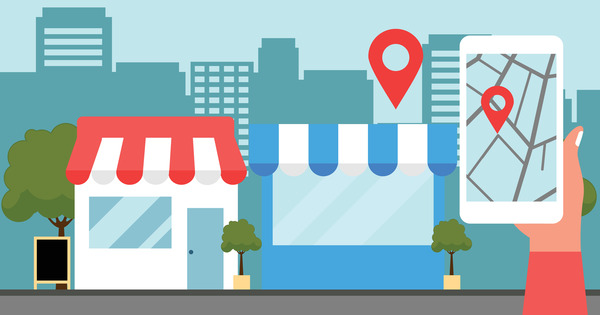
Your Google Business Profile (GBP) is one of the most important elements of local SEO.
It allows your business to appear in:
- Google Maps
- Local search results
- The local “map pack”
Steps to optimize your profile
- Claim and verify your business listing
- Use your exact business name
- Add a complete address and phone number
- Choose the correct business category
- Add high-quality photos
- Keep your hours updated
An optimized Google Business Profile increases your chances of appearing in the local map results, which often receive the majority of clicks.
Maintain Consistent NAP Information
NAP stands for:
- Name
- Address
- Phone Number
Your NAP should be consistent across all online platforms, including:
- Your website
- Business directories
- Social media profiles
- Local listing sites
Inconsistent information can confuse search engines and hurt your local rankings.
For example, writing “Street” in one listing and “St.” in another may seem minor, but consistency improves search engine trust.
Optimize Your Website for Local Keywords
To rank locally, your website should target location-based keywords.
Examples include:
- “Dentist in Surat”
- “Best bakery in Ahmedabad”
- “Affordable plumber in Vadodara”
Where to include local keywords?
- Page titles
- Meta descriptions
- Headings
- Website content
- Image alt text
- URL structure
A good strategy is to create dedicated pages for specific services and locations. This helps search engines understand where your business operates.
Create Location-Specific Pages
If your business serves multiple locations, you should create a separate page for each city or area.
For example:
- yoursite.com/plumbing-new-york
- yoursite.com/plumbing-brooklyn
Each page should include:
- Unique content
- Local keywords
- Customer testimonials
- Location-specific service details
- Google Maps embed
This improves your chances of ranking for searches in multiple nearby areas.
Encourage and Manage Customer Reviews
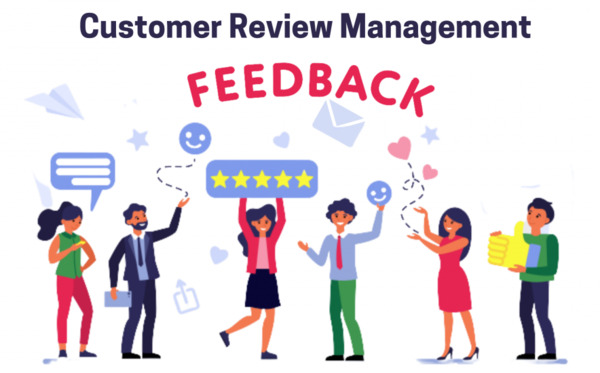
Encouraging and managing customer reviews is a critical component of building online authority and local trust. Reviews act as modern word-of-mouth, directly influencing both your search engine rankings and a potential customer’s decision to choose your business over a competitor.
To effectively manage your reputation:
- Ask at the Right Moment: Request feedback immediately after a positive interaction or successful transaction when the experience is fresh.
- Simplify the Process: Provide direct links to your Google Business Profile or Yelp page via QR codes in-store or automated follow-up emails.
- Respond to Everything: Acknowledge every review, thank happy customers for their support and address negative feedback professionally and constructively.
- Showcase Success: Feature top-tier testimonials on your website and social media to reinforce your credibility.
Proactively managing reviews doesn’t just improve your image; it provides invaluable data on how to refine your services to better meet your community’s needs.
Customer reviews play a major role in local SEO rankings. Search engines view reviews as signals of trust and credibility.
How to get more reviews
- Ask customers after a successful service
- Send review links via email or SMS
- Display review requests on receipts or invoices
- Use QR codes in physical stores
Respond to all reviews
Responding to both positive and negative reviews shows engagement and builds trust with potential customers.
Use Local Business Schema Markup
Schema markup is structured data that helps search engines understand your business information. Local business schema can include:
- Business name
- Address
- Phone number
- Opening hours
- Services offered
Implementing schema markup helps search engines display rich results, improving your visibility in search listings. You can learn more about schema implementation at https://schema.org
Build Local Citations
Local citations are mentions of your business information on other websites.
Common citation sources include:
- Online business directories
- Local chamber of commerce websites
- Industry-specific directories
- Review platforms
Examples of citation sites:
- Yelp
- Yellow Pages
- Bing Places
- Apple Maps
The more consistent citations you have, the stronger your local authority becomes.
Create Locally Relevant Content

Creating locally relevant content is about shifting your focus from a global audience to the specific interests, needs, and culture of your immediate community. Instead of generic industry advice, this strategy prioritizes topics that resonate with neighbours and local experts.
To make your content truly “local”:
- Highlight Community Events: Write blog posts or social updates about local festivals, charity drives, or high school sports you support.
- Solve Local Problems: Address specific regional issues, such as “How to prep your garden for a [City Name] winter” or “Best commuter routes in [Neighbourhood].”
- Feature Local Partners: Interview other nearby business owners or showcase collaborations to build a network of regional relevance.
- Use Local Landmarks: Incorporate references to well-known streets, parks, or monuments to signal to search engines and users that you are a true area authority.
By grounding your expertise in a specific geography, you transform from a faceless service provider into a knowledgeable neighbour who truly understands the local landscape.
Content marketing also helps boost local SEO. Write blog posts or guides related to your city or community.
Examples of local content
- “Best restaurants in Ahmedabad”
- “Home maintenance tips for winter in Daman”
- “Top events happening in Kutch this weekend”
Local content attracts local search traffic and increases your relevance for regional keywords.
Optimize for Mobile Users
Most local searches happen on mobile devices. For example, someone searching “coffee shop near me” is likely on their phone while traveling or walking.
Your website should be:
- Mobile-friendly
- Fast-loading
- Easy to navigate
- Click-to-call enabled
Mobile optimization improves user experience and search rankings.
Build High-Quality Local Backlinks
Backlinks remain one of the strongest ranking factors in SEO. Local backlinks are links from websites within your community or industry.
Examples include:
- Local news websites
- Community blogs
- Business associations
- Sponsorship pages
- Event listings
Ways to earn local backlinks
- Sponsor local events
- Partner with nearby businesses
- Submit press releases
- Participate in community activities
These links improve your credibility and authority in local search results.
Leverage Social Media for Local Visibility

Leveraging social media for local visibility is about turning digital followers into foot traffic. Unlike broad brand awareness, local social strategy focuses on geo-tagging posts and using location-specific hashtags to ensure your content reaches people in your immediate vicinity.
To maximize your local reach:
- Engage with Local Groups: Join community-based Facebook groups or participate in local Twitter/X conversations to establish yourself as a neighbourhood fixture.
- Run Geo-Targeted Ads: Use platforms like Instagram and Facebook to serve ads exclusively to users within a specific radius of your physical location.
- Encourage “Check-ins”: Offer small incentives for customers who tag your location in their stories or posts, turning your clientele into local brand ambassadors.
- Partner with Local Influencers: Collaborate with micro-influencers who have a dedicated following within your specific city or town.
By consistently highlighting your involvement in community events and sharing “behind-the-scenes” content of your local storefront, you build a relatable, trustworthy presence that resonates with nearby consumers.
Social media platforms can support your local SEO strategy. By posting location-based content, you increase engagement with your local audience.
Ideas include:
- Sharing local events
- Highlighting customer stories
- Promoting community involvement
- Running location-based promotions
Active social profiles also send trust signals to search engines.
Track and Measure Your Local SEO Performance
Tracking your progress helps you understand what’s working and what needs improvement. Important metrics include:
- Local keyword rankings
- Website traffic
- Calls and inquiries
- Google Business Profile insights
- Review growth
Tools that help track local SEO performance include:
- Google Analytics
- Google Search Console
- Local SEO platforms
Monitoring these metrics allows you to refine your strategy over time.
FAQs About Local SEO Optimisation and Ranking Tips for Small Businesses
-
What is local SEO?
Local SEO is the process of optimizing your online presence so your business appears in search results for nearby customers.
-
How long does local SEO take to work?
Local SEO usually takes 3–6 months to show noticeable improvements, depending on competition and optimization efforts.
-
Why is Google Business Profile important?
Google Business Profile helps your business appear in Google Maps and local search results, making it easier for customers to find you.
-
Do reviews affect local SEO rankings?
Yes. Customer reviews improve trust, credibility, and search visibility, which can help your business rank higher locally.
-
Can small businesses compete with large companies in local SEO?
Yes. Local SEO focuses on geographic relevance, allowing small businesses to compete effectively within their local market.
-
What are local citations?
Local citations are online mentions of your business name, address, and phone number on directories and other websites.
Conclusion
Implementing the right Local SEO Optimisation and Ranking Tips for Small Businesses can dramatically improve your visibility in local search results.
By enhancing your Google Business Profile, ensuring consistency in your NAP information, gathering customer reviews, developing local backlinks, and producing content tailored to specific locations, your business can draw in more local customers and achieve sustainable growth.
Local SEO is an ongoing effort rather than a one-off task. Businesses that consistently refine their online presence and actively participate in their community will secure the greatest competitive edge. Begin implementing these strategies now, and your small business will be well-equipped to excel in local search outcomes.