Social media marketing has transformed the way companies advertise their offerings. Nowadays, countless individuals browse social media platforms every day, making it one of the most efficient methods to connect with prospective clients.
When utilized effectively, social media can assist in expanding your brand, enhancing engagement, and significantly increasing sales in a short period. In this guide, we will examine the quickest methods to market your products through social media marketing, employing validated strategies that are effective in practical situations.
Why Social Media Is the Fastest Marketing Channel for Product Promotion?
Social media has fundamentally changed the pace of business by removing the traditional “wait times” associated with print or television. Here is why it remains the undisputed speed king of marketing:
- Real-Time Dissemination: Unlike a billboard that takes days to install, a social media post goes live the millisecond you hit “share,” reaching a global audience instantly.
- Viral Velocity: The architecture of social platforms, specifically sharing and retweeting, allows content to spread exponentially. One piece of content can reach millions within hours if it resonates with the community.
- Instant Feedback Loops: You don’t have to wait for a quarterly sales report to see if an ad is working. Marketers receive immediate data on clicks, views, and sentiment, allowing them to pivot or scale strategies in minutes.
- Direct Engagement: It bypasses the “middleman,” enabling brands to talk directly to consumers. This creates a high-speed environment where customer service and sales happen in the same space as the advertisement.
Social media platforms offer unmatched speed and reach. Unlike traditional advertising, your content can go viral within hours.
Here’s why it works so fast:
- Instant visibility to global audiences
- Direct communication with customers
- High engagement through likes, shares, and comments
- Advanced targeting options for ads
Simply put, if you want quick results, social media is your best bet.
Promote Your Products through Social Media Marketing
Understanding Your Target Audience As Per Selected Products
To market a product effectively, you must move beyond basic demographics and uncover the psychographics, the “why” behind the buy. Understanding your audience ensures that your messaging feels like a solution to a specific problem rather than a generic sales pitch.
Here is how to align your audience insights with your selected products:
- Solve the “Pain Point”: Identify the specific friction your product removes. If you are selling high-end solar inverters, your audience isn’t just “homeowners”; they are tech-savvy individuals looking for long-term energy independence and real-time data monitoring.
- Identify the “Digital Hangout”: Different products belong on different platforms. Professional B2B services thrive on LinkedIn, while visual lifestyle products (like home decor or fashion) see higher conversion rates on Instagram and TikTok.
- Mirror Their Language: Don’t use corporate jargon if your audience uses slang, and don’t be overly casual if you’re selling a high-stakes financial tool. Using the exact phrases your customers use in reviews builds instant subconscious trust.
- Segment by Intent: Not all followers are at the same stage. Some are “problem aware” (knowing they have a high power bill) while others are “solution aware” (specifically looking for a Fronius or Sungrow inverter). Tailor your content to meet them exactly where they are.
Audience Alignment Matrix
| Product Type | Primary Audience Driver | Best Content Format |
| Technical/Utility | Efficiency & ROI | Educational “How-to” Videos |
| Lifestyle/Luxury | Status & Aesthetics | High-quality “Vibe” Reels |
| Low-Cost/Impulse | Savings & Trend | Limited-Time Flash Sales |
Before promoting anything, you must know who you’re targeting. Without this step, even the best campaigns can fail.
Creating Buyer Personas
A buyer persona is a simple profile of your ideal customer. It includes:
- Age and gender
- Interests and hobbies
- Buying behaviour
- Problems your product solves
This helps you create content that truly connects.
Choosing the Right Platforms
Not every platform works for every product:
- Instagram → Visual products (fashion, food)
- Facebook → Broad audience
- LinkedIn → B2B products
- TikTok → Younger audience, trends
Focus only on platforms where your audience spends time.
Optimize Your Social Media Profiles
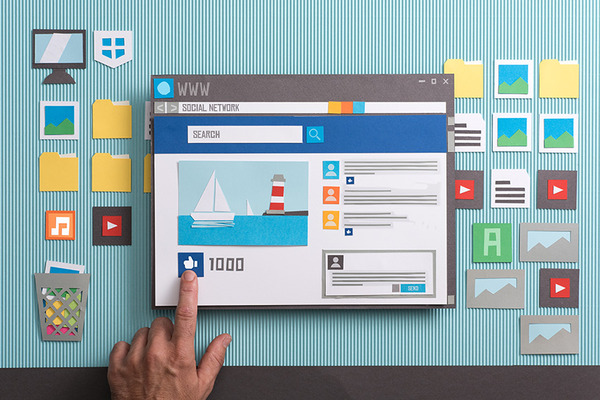
Your profile is like your digital storefront. Make sure it’s optimized:
- Use a clear profile picture (logo or brand image)
- Write a compelling bio
- Add a strong call-to-action (CTA)
- Include website/product links
A well-optimized profile builds trust instantly.
Leverage Short-Form Video Content for Better Engagement
If social media is the fastest marketing channel, short-form video is its high-octane fuel. Platforms like TikTok, Reels, and YouTube Shorts are currently the most effective way to grab attention because they work with the human brain’s preference for visual storytelling and brevity.
Here is how to effectively leverage short-form video for maximum engagement:
The “Hook” is Everything
In a fast-scrolling environment, you have roughly 1.5 to 3 seconds to stop a user from moving past your content.
- Visual Hook: A sudden movement, text overlay, or an intriguing setting.
- Verbal Hook: Starting with a “How-to,” a surprising fact, or a “Stop doing [X]” statement.
Prioritize Value Over Production
Users today crave authenticity over high-budget polish. A “lo-fi” video shot on a smartphone often performs better than a studio-produced commercial because it feels like a recommendation from a friend rather than a sales pitch.
Use “Trend-Jacking” Wisely
Leverage trending audio or challenges, but ensure they align with your brand voice.
- The Benefit: Algorithms prioritize content using popular sounds, pushing your video to people who don’t even follow you yet.
- The Risk: Don’t force a trend if it doesn’t fit; your audience will smell the “cringe” immediately.
Educational “Micro-Moments”
Break down complex topics into quick, digestible bites.
- Example: Instead of a 10-minute tutorial, show a “30-Second Hack” for using your product.
- Result: This builds authority and encourages saves, which is a high-value engagement metric for most algorithms.
Engagement Comparison
| Metric | Static Image | Short-Form Video |
| Average Watch Time | ~1-2 seconds | ~10-15 seconds |
| Shareability | Moderate | Very High |
| Algorithm Reach | Limited to followers+ | Broad (Discovery-based) |
| Conversion Rate | Steady | High (if CTA is clear) |
Short videos are dominating social media. They are quick, engaging, and highly shareable.
Reels, Shorts, and TikTok Strategy
To get fast results:
- Keep videos under 30 seconds
- Hook viewers in the first 3 seconds
- Show your product in action
- Use trending sounds and music
Short-form videos can skyrocket your reach overnight.
Run Paid Social Media Ads for Product Sales
Running paid social media ads is the equivalent of pouring gasoline on a fire. While organic content builds community, paid ads allow you to bypass the algorithm’s gatekeeping and put your product directly in front of people who are statistically likely to buy.
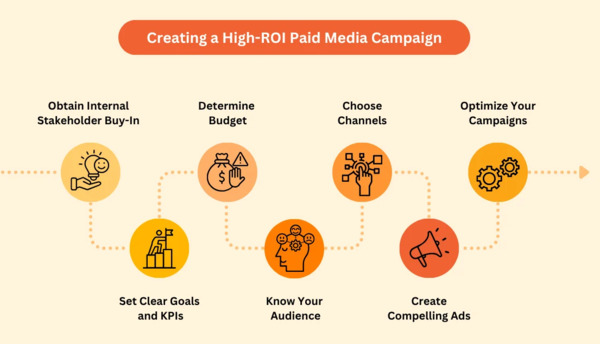
Here is the strategic framework for driving product sales through paid social:
Master the “Full-Funnel” Approach
Don’t just ask for a sale on the first encounter. Divide your ad budget into three stages:
- Top of Funnel (Awareness): Use broad targeting or “Lookalike Audiences” to introduce your brand via an engaging short-form video.
- Middle of Funnel (Consideration): Target people who viewed your video or visited your site with customer testimonials or “Product Deep-Dives.”
- Bottom of Funnel (Conversion): Use Retargeting Ads for users who added items to their cart but didn’t check out. Offer a limited-time discount or free shipping here.
High-Converting Ad Formats
To maximize ROI (Return on Investment), use these formats:
- Carousel Ads: Perfect for showcasing a product collection or highlighting different features of a single hero product.
- Collection Ads: A mobile-native experience that allows users to browse and buy without ever leaving the social app.
- Dynamic Product Ads (DPAs): These automatically show users the exact products they viewed on your website, creating a highly personalized “reminder.”
The Power of “Social Proof”
An ad that looks like a traditional commercial is often ignored. The most successful paid ads right now are UGC (User-Generated Content) style.
Pro Tip: Run ads using content from real customers or influencers talking about why they love your product. These “Whitelisted” ads often have a significantly lower Cost Per Acquisition (CPA) than brand-produced ads.
Key Metrics to Track
| Metric | What it tells you |
| ROAS (Return on Ad Spend) | The total revenue generated for every $1 spent. |
| CTR (Click-Through Rate) | How “hooky” and relevant your creative is. |
| CPA (Cost Per Acquisition) | How much it costs you to “buy” one customer. |
| Frequency | How many times the same person has seen your ad (aim for 2-4). |
If you want instant visibility, paid ads are the fastest route.
Targeting and Retargeting Techniques for Product Promotion
Modern ad platforms allow precise targeting:
- Target users based on interests and behaviour
- Retarget visitors who didn’t purchase
- Use lookalike audiences for scaling
Even a small budget can generate strong results if targeted correctly.
Collaborate with Influencers
Influencer marketing is one of the quickest ways to gain trust and visibility.
Micro vs Macro Influencers
- Micro influencers (1K–50K followers):
- Higher engagement
- More affordable
- Macro influencers (100K+ followers):
- Massive reach
- Higher cost
For faster ROI, micro influencers often perform better.
Use Viral Content Strategies
Want your content to spread like wildfire? Focus on:
- Trending topics
- Relatable content
- Emotional storytelling
- Humour and entertainment
Viral content can bring thousands of views within hours.
Engage with Your Audience Consistently
Engagement builds relationships, and relationships drive sales.
Make sure to:
- Reply to comments and messages
- Ask questions in captions
- Run polls and quizzes
- Go live regularly
The more you interact, the more your audience trusts you.
Utilize Hashtags Strategically
Hashtags help people discover your content. Tips for using them effectively:
- Use a mix of popular and niche hashtags
- Avoid overloading (5–15 is ideal)
- Research trending hashtags in your niche
Proper hashtag use can boost visibility significantly.
Offer Limited-Time Products Promotions on Social Platforms
To turn “Limited-Time Offers” (LTOs) into a sales engine, you need to move beyond a simple “Sale” post. In 2026, social media platforms prioritize scarcity, exclusivity, and frictionless buying.
Here is how to structure high-impact limited-time promotions:
Create “Ephemeral Urgency” with Stories
Instagram and TikTok Stories are the natural home for LTOs because the content itself expires.
- Countdown Stickers: Use interactive countdown stickers that allow users to set a reminder for when the sale starts or ends.
- The “Tap to Reveal” Mystery: Use a “Mystery Discount” (e.g., 10%, 25%, or 50% off) that is only revealed when they click through to your bio link. This drives high-intent traffic.
Leverage “Social Commerce” for Instant Checkout
Don’t send users to a slow-loading external website. Use TikTok Shop or Instagram Checkout to keep the transaction inside the app.
- Shoppable Reels: Tag specific products in your short-form videos. In 2026, “frictionless” is the gold standard; every extra click reduces your conversion rate by roughly 20%.
Use Tiered Scarcity (The “First X” Rule)
Instead of a flat discount for everyone, reward the fastest shoppers.
- The Hook: “The first 50 people to use code FAST50 get 50% off. The next 100 get 20% off.”
- The Psychology: This triggers “Loss Aversion.” People aren’t just shopping for a deal; they are competing to not lose the best offer.
Direct-to-Community Exclusivity
In 2026, brands are shifting toward “Closed-Door” promotions to build loyalty.
- Broadcast Channels: Offer a 2-hour “Early Access” window exclusively to members of your Instagram Broadcast Channel or your private Discord.
- The Result: This makes your followers feel like VIPs and ensures your most loyal customers get the stock before it sells out globally.
Nothing drives quick sales like urgency. Examples:
- Flash sales
- Discount codes
- “Only 24 hours left” offers
These tactics push customers to act fast.
Use Social Proof to Build Trust
People trust other people more than brands. Use:
- Customer reviews
- Testimonials
- User-generated content
- Before-and-after results
Social proof reduces hesitation and increases conversions.
Analyze and Optimize Performance
Tracking your results is key to improving. Focus on:
- Engagement rate
- Click-through rate (CTR)
- Conversion rate
- Follower growth
Use tools like Google Analytics or platform insights to refine your strategy.
Common Mistakes to Avoid While Using Social Platforms for Product Promotion
Promotion on social media can be highly effective, but it is also where many brands lose money and credibility by falling into common traps. As of 2026, the shift toward authenticity and social commerce has made traditional “corporate” marketing even riskier.
Avoid these critical mistakes to ensure your product promotion actually converts:
The “Polish” Trap (Over-Production)
In 2026, audiences equate high production value with “advertisement” and lo-fi content with “recommendation.”
- The Mistake: Spending thousands on a studio-shot commercial that feels like a TV ad.
- The Fix: Use User-Generated Content (UGC) or “hand-held” smartphone videos. Data shows that raw, authentic storytelling drives up to 2x more engagement than polished brand films.
Treating All Platforms Identically
- The Mistake: “Cross-posting” the exact same video or graphic across TikTok, Instagram, and LinkedIn.
- The Fix: Respect the platform’s culture. TikTok wants raw entertainment; Instagram wants “aesthetic” inspiration; LinkedIn wants professional utility. Tailor your captions and video formats to match the specific “vibe” of each app.
Ignoring “Social Search” Optimization
Social media platforms are now the primary search engines for Gen Z and Millennials.
- The Mistake: Writing vague, “clever” captions that don’t include keywords.
- The Fix: Optimize your bio and captions for search. Use terms your customers actually type (e.g., “best eco-friendly sneakers”) so your products show up in discovery feeds, not just for your followers.
Failing the “3-Second Rule”
- The Mistake: Saving the product reveal or the “big news” for the end of the video.
- The Fix: You have roughly 1.5 to 3 seconds to stop the scroll. Start with a visual “hook” or a bold statement that immediately answers the user’s question: “Why should I care about this?”
Prioritizing “Vanity Metrics” over ROI
- The Mistake: Celebrating a “viral” post that got 100k views but zero sales.
- The Fix: Focus on Conversion Rate and Cost Per Acquisition (CPA). High views are a “vanity metric” if they aren’t coming from your target demographic. Use trackable links (like Bitly or UTM codes) to see which posts actually put money in the bank.
Managing Negative Feedback Poorly
- The Mistake: Deleting negative comments or ignoring customer complaints in the “Comments” section.
- The Fix: Publicly address concerns with empathy. In 2026, a brand’s accountability is a major ranking signal for trust. Turning a complaint into a resolved solution in a public thread is one of the most powerful forms of “social proof.”
Avoid these pitfalls:
- Posting without a strategy
- Ignoring audience engagement
- Over-promoting without value
- Using irrelevant hashtags
- Not analyzing performance
Fixing these mistakes can instantly improve results.
FAQs
What is the fastest social media platform for product promotion?
Short-form video platforms like TikTok and Instagram Reels usually deliver the fastest results.
How much should I spend on social media ads?
Start small (₹500–₹1000/day) and scale based on performance.
Do hashtags still work in 2026?
Yes, but only when used strategically and relevantly.
How often should I post?
At least 3–5 times per week for consistent growth.
Is influencer marketing worth it?
Absolutely. It builds trust quickly and can drive fast sales.
Can I promote products without ads?
Yes, through organic content, viral strategies, and engagement, but ads speed things up.
Conclusion
Marketing your products on social media can be quick and straightforward. By utilizing efficient methods like short videos, partnerships with influencers, and sponsored advertisements, you can achieve swift growth and increased exposure.
Keep in mind that being consistent and innovative are your greatest strengths. Experiment with various tactics, assess the outcomes, and continue to refine your approach. With the correct strategy, your products can connect with thousands, potentially millions, of individuals in a flash.