
In today’s digital-centric environment, companies need to utilize YouTube video platforms for advertising to maintain their competitive edge. Video content leads in online interaction.
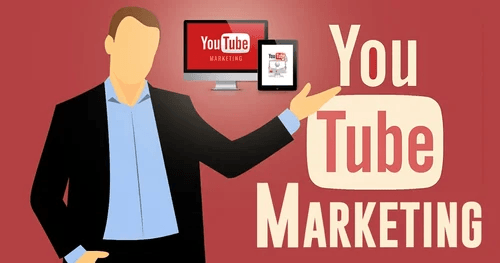
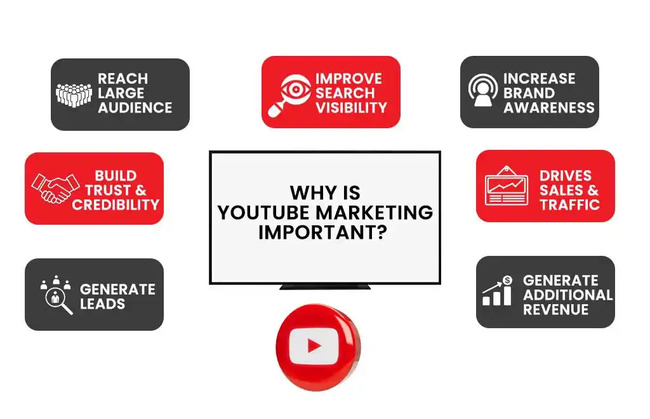
Indeed, YouTube is the second-largest search engine in the world, owned by Google and catering to billions of users each month. Viewers prefer video because it is easy to understand, enjoyable, and convincing. Whether an individual is researching a product, acquiring a new skill, or just unwinding,
YouTube is an integral part of their daily life. Advertising on YouTube goes beyond simply placing ads; it involves strategic storytelling, precise audience targeting, and measurable outcomes.
Why Businesses Leverage YouTube Video Platforms for Advertising?
In 2026, YouTube has solidified its position as the premier platform for intent-based advertising. Because it functions as both a search engine and a social network, businesses can target users at every stage of the funnel from initial curiosity to a final purchase decision.
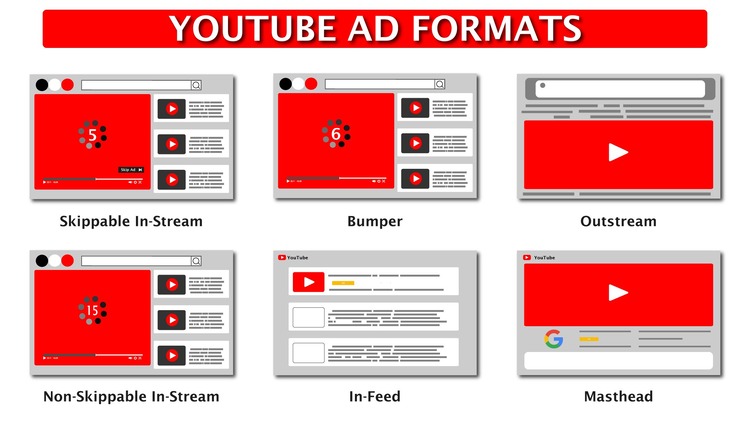
Explore the different Types of YouTube Ads, including skippable in-stream, non-skippable, bumper, and discovery ads, to choose the best format for maximizing engagement, reach, and ROI. Below is a strategic guide on how to leverage YouTube video platforms for advertising this year.
Core Ad Formats for 2026
Choosing the right format depends on whether you want “eyes on the brand” or “clicks to the site.”
| Format | Best For | How it Works |
| Skippable In-stream | Lead Gen & Sales | Plays before/during videos. You only pay if they watch 30 seconds or interact. |
| YouTube Shorts Ads | Reach & Discovery | Vertical, full-screen ads. Ideal for mobile-first audiences and quick hooks. |
| Bumper Ads | Brand Awareness | Non-skippable 6-second clips. Great for reinforcing a message cheaply. |
| In-Feed Video Ads | Trust & Education | Appears as a thumbnail in search results. Best for “How-to” or deep-dive content. |
| Masthead Ads | Massive Launches | Premium placement at the top of the home feed (best for large budgets). |
2. Advanced Targeting Strategies
Modern YouTube advertising relies heavily on Google AI to find the right person at the right time.
- Custom Intent Audiences: Target people based on what they recently searched for on Google. If someone searches for “best CRM for startups,” your ad can appear on their YouTube feed minutes later.
- Video Remarketing: Show specific ads to people who have already visited your website or watched your previous videos.
- Life Events: Reach users during major transitions, such as moving, getting married, or starting a business, where their spending habits are shifting.
- Lookalike Audiences: Use your current customer list to find “similar” users on YouTube who are likely to convert.
Creative Best Practices (The “2026 Playbook”)
Since viewers can skip most ads after 5 seconds, your creative must be “unskippable” by design.
- The 5-Second Hook: Front-load your value proposition. Don’t wait for a slow build; show the problem you solve or the “payoff” immediately.
- Native for Shorts: Do not just crop horizontal videos for Shorts. Use native vertical framing, fast pacing, and on-screen text overlays to fit the organic feel of the feed.
- Audio-First Design: Many users listen to YouTube in the background. Ensure your message is clear even if the viewer isn’t looking at the screen.
- Intentional Pattern Interruption: Use sudden visual changes, props, or bold questions to stop the “scroll” or “skip” reflex.
Measuring Success
Beyond just “views,” focus on metrics that impact your bottom line:
- View-Through Conversions: Tracks people who saw your ad, didn’t click, but visited your site and bought something later.
- Brand Lift Surveys: Measures how your ads are actually changing consumer perception of your brand.
- ROAS (Return on Ad Spend): The ultimate metric for performance-based campaigns.
Pro Tip: In 2026, consistency beats virality. A steady stream of helpful, problem-solving video ads often yields better long-term ROI than one expensive “viral” attempt.
Companies across industries are shifting their budgets toward video marketing. Here’s why.
5. Global Audience Reach through Video Marketing
YouTube reaches over 2 billion logged-in monthly users worldwide. That’s massive! From teenagers watching gaming streams to professionals consuming educational content, the diversity is unmatched. When brands leverage YouTube video platforms for advertising, they tap into:
- Multiple age groups
- International markets
- Niche communities
- Mobile-first audiences
The platform works 24/7, giving your brand global exposure.
6. Advanced Targeting Capabilities
YouTube advertising uses Google’s powerful data ecosystem. Advertisers can target:
- Demographics (age, gender, income)
- Interests and behaviours
- Keywords and search intent
- Custom audiences
- Website visitors (remarketing)
This precision ensures your ad appears in front of the right viewers at the right time.
7. Cost-Effective Campaigns
Unlike traditional TV ads, YouTube allows flexible budgeting. You can:
- Set daily spending limits
- Pay only when viewers watch 30 seconds (skippable ads)
- Optimize campaigns in real time
This makes it accessible for small businesses and startups.
Types of YouTube Ads for Advertising
Explore the different types of YouTube advertisements and discover how each format can align with your marketing objectives. Skippable in-stream ads enable viewers to choose when to engage, while non-skippable ads ensure your brand message is delivered with impact.
Bumper ads provide a quick, memorable experience, and discovery ads show up in search results, showcasing YouTube’s flexible advertising options for businesses of all sizes.
Skippable In-Stream Ads
These ads play before or during videos. Viewers can skip after 5 seconds. Advertisers pay only if viewers watch at least 30 seconds. Best for:
- Brand awareness
- Website traffic
- Lead generation
Non-Skippable Ads
These ads last 15–20 seconds and must be watched completely. Best for:
- Strong brand messaging
- Product launches
Bumper Ads
Short and sweet, only 6 seconds long. Best for:
- Quick reminders
- Retargeting campaigns
Discovery Ads
These appear in YouTube search results and suggested videos. Best for:
- High-intent audiences
- Product reviews and tutorials
Creating High-Converting Video Content
To create high-converting video content in 2026, you must prioritize immediate value and a clear path to action. Since digital audiences have shorter attention spans than ever, your video should follow a “Hook, Body, Close” framework that addresses a specific pain point within the first three seconds.
Here is how to ensure your video content actually drives results:
- The Intent-Based Hook: Start by calling out your specific audience or their problem immediately. If they feel seen, they won’t skip.
- The “Show, Don’t Just Tell” Rule: Use high-quality visuals or screen captures to demonstrate your solution in action, building trust through transparency rather than just polished marketing speak.
- Single, Frictionless CTA: High conversion relies on one clear instruction. Whether it’s “Click the link in the description” or “Visit our site for a free audit,” make the next step unmistakable.
- Mobile-First Optimization: With the rise of vertical video, ensure your key messaging and captions are centered and legible on small screens to capture the massive mobile-browsing market.
To truly leverage YouTube video platforms for advertising, your content must captivate viewers within seconds.
Storytelling Techniques
Great ads tell stories. Instead of selling directly, show:
- A relatable problem
- A compelling solution
- A clear benefit
Use emotion, humour, or inspiration to connect. Keep the first 5 seconds powerful, this is when viewers decide to stay or skip.
Strong Call-to-Action Strategies
Never assume viewers know what to do next. Use clear CTAs like:
- “Shop Now”
- “Learn More”
- “Sign Up Today”
Make it visible, verbal, and repeated for maximum effect.
Targeting the Right Audience
Audience targeting separates successful campaigns from wasted budgets.
Retargeting Strategies
Remarketing allows you to reconnect with:
- Website visitors
- Past customers
- Abandoned cart users
- Previous video viewers
This significantly boosts conversion rates because the audience already knows your brand.
Budgeting and Bidding Strategies

YouTube ads operate through Google Ads. Common bidding models include:
- CPC (Cost Per Click)
- CPM (Cost Per Thousand Impressions)
- CPV (Cost Per View)
Start small, analyze performance, then scale what works.
Measuring Campaign Success
Without measurement, marketing is guesswork.
Watch Time Metrics
High watch time indicates strong engagement. If viewers drop off early, revise your intro.
Conversion Tracking
Use Google Ads conversion tracking to measure:
- Sales
- Leads
- Downloads
- Subscriptions
Data-driven adjustments improve ROI over time.
SEO Optimization for YouTube Ads
Even paid ads benefit from optimization. Use:
- Keyword-rich titles
- Relevant tags
- Engaging thumbnails
- Detailed descriptions
Leveraging Influencer Collaborations
Partnering with established creators builds instant trust. Influencers already have loyal audiences, which increases authenticity and engagement. Micro-influencers often deliver higher engagement rates at lower costs.
Integrating YouTube with Multi-Channel Marketing
YouTube works best when combined with:
- Email marketing
- Social media campaigns
- Website landing pages
- Paid search ads
Consistency across channels strengthens brand recall.
Common Mistakes to Avoid while using YouTube Video Marketing
In 2026, YouTube’s algorithm has become highly sophisticated at detecting “intent-match.” While it is easier than ever to reach an audience, it is also easier to waste your budget if you fall into these common pitfalls.
Here are the critical mistakes to avoid in your YouTube video marketing strategy.
Algorithmic & Strategic Errors
Many businesses treat YouTube like a storage folder rather than a dynamic search and social engine.
- Treating the Channel as a Video Archive: Uploading random videos (TV commercials, raw Zoom recordings, or “About Us” clips) without a consistent content pillar creates a disorganized experience that confuses both viewers and the algorithm.
- Bidding on “TV Screen” Devices for Conversion: If your goal is website traffic or sales, showing ads on Smart TVs is often a waste of budget. Viewers on TVs rarely click through to a landing page; keep conversion-heavy ads on mobile and desktop.
- Ignoring YouTube SEO: YouTube is the world’s second-largest search engine. Failing to use keyword-rich titles, detailed descriptions, and custom chapters/timestamps prevents your video from appearing in “Google AI Overviews” and search results.
Creative & Execution Pitfalls
Even with the perfect budget, a weak creative will lead to high bounce rates.
- The “Slow Build” Intro: Research shows active attention for digital ads in 2026 drops after just 1.3 seconds. If you don’t feature your primary hook or brand within the first 3 seconds, users will hit “Skip” before they even know what you’re offering.
- Over-Produced vs. “Authentic” Content: Modern audiences (especially Gen Z) are often repelled by overly polished, corporate-style “commercials.” One of the biggest mistakes is avoiding UGC (User-Generated Content) or lo-fi, authentic visuals that blend naturally into a user’s feed.
- The “Message Overload”: Trying to explain five different features in one 60-second video. High-converting videos focus on one single message and one clear benefit to avoid overwhelming the viewer.
Technical & Measurement Mistakes
If you can’t measure it, you can’t scale it.
- No Clear Call-to-Action (CTA): Assuming the viewer knows what to do next is a common error. Your CTA should be both audible (said in the script) and visual (on-screen button or link).
- Layering Too Many Targeting Filters: While it’s tempting to target “Business owners + in Ahmedabad + interested in Solar + aged 35-45,” over-layering narrows your reach so much that your ads may never actually run. Start broad and let Smart Bidding find the patterns.
- Neglecting YouTube Shorts Optimization: Repurposing a horizontal video by just cropping it for Shorts often cuts off important text or faces. Ensure your vertical content is designed with the “Safe Zones” in mind (avoiding the areas covered by the “Like” and “Subscribe” buttons).
Comparison of Performance Killers
| Mistake | Impact | 2026 Solution |
| Outdated Data | Erodes trust instantly | Audit and refresh video descriptions/info every 6 months. |
| Keyword Stuffing | Looks “robotic” to AI | Use natural, conversational language in your scripts. |
| Volume over Value | Lowers channel authority | Post one high-value video rather than five generic ones. |
Avoid these pitfalls:
- Ignoring audience targeting
- Weak opening seconds
- No clear CTA
- Poor mobile optimization
- Not testing multiple creatives
Future Trends in YouTube Advertising
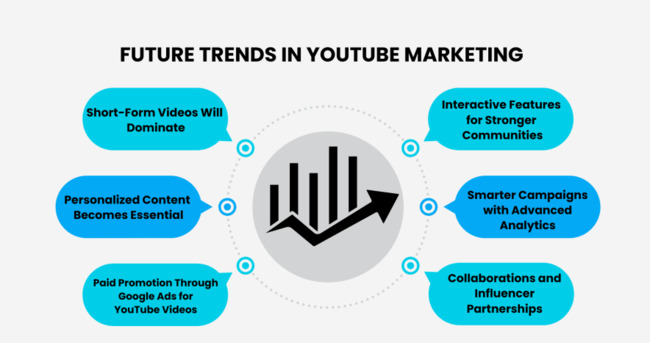
In 2026, YouTube advertising has moved beyond simple “interruptive” commercials into a landscape of agentic commerce and TV-first storytelling. The platform is no longer just a video site; it is an AI-driven ecosystem where the line between viewing and shopping has almost entirely disappeared.
Here are the defining future trends for YouTube advertising in 2026.
The Rise of “Agentic Commerce”
We are entering the era of the Universal Commerce Protocol (UCP), where AI agents handle the “grunt work” of shopping for the user.
- In-Video Transactional Agents: Viewers can now interact with AI agents directly within a video to compare products, check stock at local retailers (like Target or Walmart), and complete a checkout via the Gemini app or YouTube interface without ever leaving the video.
- Direct Offers: Advertisers are using “Direct Offers” in AI Mode, tailored, real-time deals (like loyalty bundles) shown to users who demonstrate immediate intent through conversational search or video interactions.
YouTube as the “New TV” (CTV Dominance)
Connected TV (CTV) is now the fastest-growing segment, with many households viewing YouTube as their primary broadcast network.
- TV-First Storytelling: Brands are shifting away from 15-second “web clips” toward cinematic, high-production 3–10 minute “Hero films” designed for the big screen.
- Side-by-Side Live Stream Ads: To monetize live content without interrupting the “prime time” feel, YouTube has introduced non-pausing ads that play alongside the stream, ensuring the audience never loses the live connection.
AI-Native Creative Tools
Artificial intelligence is now a “creative accelerator” rather than just a background tool.
- Likeness-Based Shorts: Creators (and brand ambassadors) can now use AI to generate Shorts using their own digital likeness and voice, allowing for rapid, multilingual content scaling without needing to be in front of a camera for every clip.
- Generative Personalization: AI tools are being used to “remix” a single ad into hundreds of versions, automatically adjusting the intro, language, and background music based on the specific viewer’s location and behaviour.
The “Proof of Human” Movement
As AI-generated “slop” channels increase, a counter-trend of radical authenticity has emerged.
- Human Verification Signals: YouTube is beginning to prioritize content with “Proof of Human” markers. For advertisers, this means that raw, unpolished, and “IRL” (In Real Life) content like real employee advocacy or unscripted field updates, often achieves higher trust and ROI than perfectly polished AI videos.
- Nostalgic & “Cozy” Aesthetics: To combat digital overstimulation, there is a massive trend toward “slow living” and “nostalgic remix” content (70s/80s vibes), which connects deeply with high-spending Millennial and Gen X demographics.
Summary Table: 2025 vs. 2026
| Feature | 2025 Approach | 2026 Trend |
| Shopping | Click a link in the description | Interactive checkout via AI agents (UCP) |
| Production | Manual editing and filming | AI-driven “likeness” and generative remixing |
| Ads on TV | Scaled-up mobile ads | Cinematic “Hero” series and side-by-side live ads |
| Targeting | Search history & Cookies | Intent-based “AI Mode” & conversational discovery |
Emerging trends include:
- AI-driven personalization
- Short-form ads (YouTube Shorts)
- Interactive video ads
- Voice search integration
Brands that adapt early gain competitive advantages.
FAQs on Leverage YouTube Video Platforms for Advertising
Is YouTube advertising suitable for small businesses?
Yes! Flexible budgets allow small businesses to start with minimal investment and scale gradually.
How much does YouTube advertising cost?
Costs vary, but many advertisers pay between $0.10–$0.30 per view.
What is the best ad format for beginners?
Skippable in-stream ads are ideal because you only pay when viewers engage.
How long should a YouTube ad be?
15–30 seconds works well for most campaigns.
Can YouTube ads drive direct sales?
Absolutely. With proper targeting and strong CTAs, YouTube ads can generate measurable conversions.
How do I measure ROI effectively?
Use conversion tracking within Google Ads and monitor cost per acquisition (CPA).
In Conclusion :