
In the world of digital marketing, data is the compass that keeps your strategy from drifting off course. Performance metrics are the quantifiable values used by marketing teams to track, monitor, and optimize the effectiveness of their online campaigns.
Rather than relying on “gut feelings,” these metrics provide objective insights into how well a brand is reaching its target audience and converting them into customers. From tracking how many people clicked an ad to calculating the final return on investment, these numbers turn abstract goals into measurable progress.
In today’s fast-paced digital world, businesses rely heavily on data to guide decisions. Understanding the Performance Metrics That Show Your Digital Marketing Strategy Is Working is essential for determining whether your efforts are paying off or need improvement.
Key Categories of Metrics
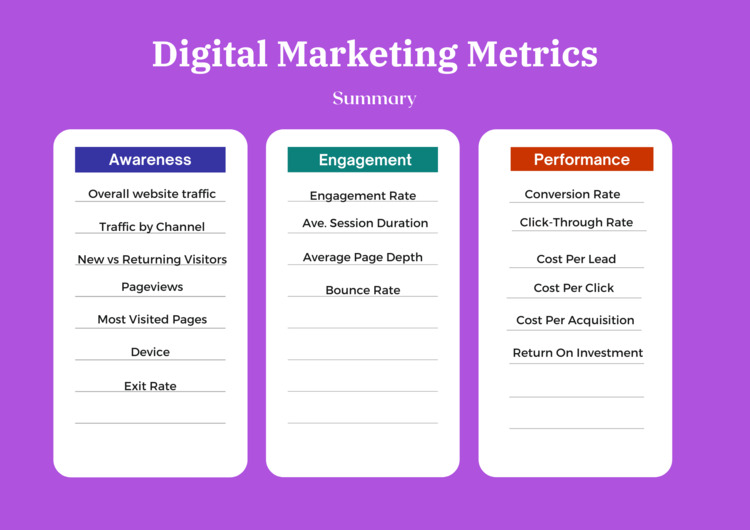
Awareness Metrics: Tracking reach, impressions, and brand mentions to see how many eyes are on your content.
Engagement Metrics: Measuring clicks, likes, shares, and time-on-page to gauge how well your message resonates.
Conversion Metrics: Focusing on the “bottom line,” such as lead generation, sales, and Cost Per Acquisition (CPA).
By analyzing these data points, marketers can identify which channels are overperforming and which need a pivot, ensuring that every dollar of the budget is used effectively.
What Are Performance Metrics in Digital Marketing?
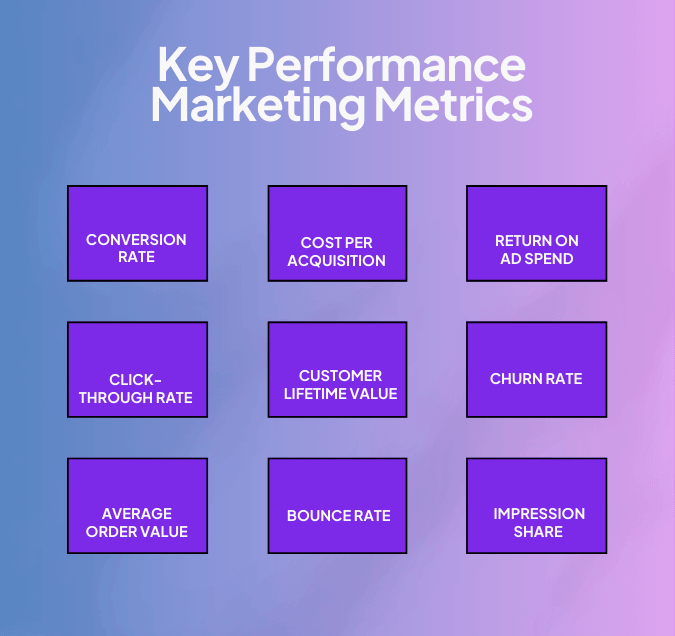
Performance metrics are measurable values that indicate how well your marketing campaigns are performing. These metrics help businesses evaluate success across channels like websites, social media, email, and paid ads.
Why Tracking Metrics Is Crucial for Success?
Without tracking, you’re essentially guessing. Metrics provide insights into customer behaviour, campaign effectiveness, and return on investment (ROI). They allow businesses to make informed decisions and refine strategies over time.

1) Website Traffic Metrics
Website traffic is often the first indicator of marketing success.
2) Total Website Visits
This metric shows the overall number of visits to your site. A steady increase usually indicates growing brand awareness.
3) Unique Visitors
Unlike total visits, unique visitors count individual users. This helps you understand how many new people your marketing is attracting.
4) Traffic Sources
Traffic can come from organic search, social media, direct visits, or referrals. Identifying top sources helps you focus on what works best.
5) Engagement Metrics
Engagement metrics reveal how users interact with your content.
6) Bounce Rate
A high bounce rate means visitors leave quickly without exploring your site. Lower bounce rates indicate better content relevance.
7) Average Session Duration
This measures how long users stay on your website. Longer sessions usually mean higher interest and engagement.
8) Pages Per Session
This metric shows how many pages a user views in one visit. More pages suggest strong content and user interest.
9) Conversion Metrics
Conversions are the ultimate goal of most marketing campaigns.
10) Conversion Rate
This is the percentage of visitors who take a desired action, such as making a purchase or signing up for a newsletter.
11) Cost Per Conversion
This metric tells you how much you spend to acquire a customer or lead. Lower costs indicate more efficient campaigns.
12) Lead Generation Metrics
Tracking leads helps measure how well your strategy attracts potential customers.
13) SEO Performance Metrics
Search engine optimization plays a key role in long-term success.
14) Organic Traffic Growth
An increase in organic traffic shows that your SEO efforts are working effectively.
15) Keyword Rankings
Tracking keyword positions helps you understand your visibility in search engines.
16) Backlink Quality
High-quality backlinks improve your site’s authority and search rankings.
17) Social Media Metrics
Social media platforms offer valuable insights into audience behavior.
18) Engagement Rate
Likes, comments, and shares indicate how well your content resonates with your audience.
19) Follower Growth
A growing follower base shows increasing brand awareness.
20) Social Shares
Shares expand your reach and bring in new audiences.
21) Email Marketing Metrics
Email remains one of the most effective marketing channels.
22) Open Rate
This shows how many recipients open your emails. A higher rate means your subject lines are effective.
23) Click-Through Rate (CTR)
CTR measures how many users click on links within your emails.
24) Conversion from Email Campaigns
This tracks how many recipients complete a desired action after clicking.
25) Paid Advertising Metrics
Paid campaigns require careful monitoring to ensure profitability.
26) Cost Per Click (CPC)
CPC measures how much you pay for each click on your ad.
27) Return on Ad Spend (ROAS)
ROAS calculates the revenue generated for every dollar spent on advertising.
28) Impressions and Reach
These metrics show how many people see your ads and how far your campaign spreads.
29) Customer Retention Metrics
Retaining customers is often more cost-effective than acquiring new ones.
30) Customer Lifetime Value (CLV)
CLV estimates the total revenue a customer generates over time.
31) Retention Rate
This measures how many customers continue to do business with you.
32) Churn Rate
Churn rate shows how many customers stop using your services.
Tools to Measure Digital Marketing Performance
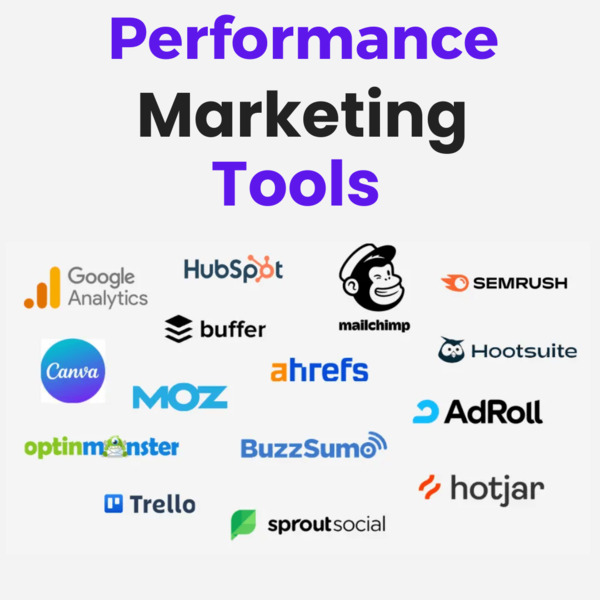
Using the right tools makes tracking easier and more accurate.
Analytics Platforms
Tools like Google Analytics provide detailed insights into website performance and user behaviour.
CRM Tools
Customer relationship management tools help track leads and customer interactions.
Marketing Automation Tools
These tools streamline campaigns and provide performance data in real time.
Common Mistakes When Measuring Digital Marketing Success Metrics
Measuring the success of a digital marketing campaign is more than just glancing at a dashboard; it requires a sharp eye for context and quality over quantity.
Common Pitfalls to Avoid
Chasing “Vanity Metrics”: Getting distracted by high numbers like total likes, page views, or followers can be misleading. While they look great on paper, they rarely provide insight into actual business growth or revenue.
Ignoring the Customer Journey: Many marketers focus solely on last-click attribution, giving all the credit to the final ad a user clicked. This ignores the multiple touchpoints, like social media or blog posts, that nurtured the lead along the way.
Failing to Define Clear KPIs: Without specific, measurable goals established at the start, you end up with a “data dump.” Success becomes impossible to quantify if you aren’t sure whether you’re optimizing for brand awareness, lead generation, or direct sales.
The “Short-Term” Trap: Measuring ROI too early can lead to premature pivots. Some strategies, like SEO or content marketing, require months of data to show their true value, and judging them by weekly performance is a recipe for frustration.
Even with the right data, mistakes can happen.
Focusing on Vanity Metrics
Metrics like likes and impressions may look good but don’t always translate into revenue.
Ignoring Data Context
Numbers alone don’t tell the full story. Context is essential for accurate analysis.
Lack of Clear Goals
Without clear objectives, it’s hard to determine which metrics truly matter.
How to Improve Your Digital Marketing Metrics?
Improving performance requires continuous effort. Improving your digital marketing metrics isn’t just about working harder; it’s about working smarter with the data you already have. By shifting your focus from broad numbers to specific user behaviors, you can turn stagnant stats into growth.
Strategies for Growth
Audit Your Attribution Model: Move beyond “Last-Click” attribution. Use a multi-touch model to see how top-of-funnel content (like educational blogs or social posts) actually contributes to the final sale. This ensures you aren’t cutting budgets for the very things that introduce people to your brand.
A/B Test Everything: Never assume you’ve found the perfect “hook.” Run split tests on email subject lines, CTA button colors, and landing page headlines. Even a 2% increase in click-through rate (CTR) can lead to a significant jump in total conversions over time.
Focus on High-Intent Keywords: If your traffic is high but conversions are low, you might be ranking for the wrong terms. Shift your SEO and PPC efforts toward “long-tail” keywords that signal a readiness to buy (e.g., “best organic dog food for seniors” vs. just “dog food”).
Optimize for Mobile Friction: A high bounce rate often points to a technical hurdle. Ensure your site loads in under 3 seconds and that your checkout or signup forms are easy to navigate on a thumb-operated screen.
Nurture Existing Leads: It is significantly cheaper to retain a customer than to acquire a new one. Improve your Customer Lifetime Value (CLV) by implementing automated email sequences or retargeting ads for users who have already engaged with your brand.
Key Metric Focus
| Goal | Metric to Watch | How to Improve It |
| Engagement | Click-Through Rate (CTR) | Use stronger “Power Words” and clearer CTAs. |
| Efficiency | Cost Per Acquisition (CPA) | Improve ad relevance scores to lower your bid costs. |
| Revenue | Conversion Rate (CVR) | Simplify your landing pages and remove unnecessary form fields. |
Data-Driven Decision Making
Use data insights to guide your strategy and make informed decisions.
Continuous Optimization
Regularly update your campaigns based on performance data.
A/B Testing Strategies
Testing different versions of content helps identify what works best.
FAQs About Digital Marketing Performance Metrics
What are the most important digital marketing metrics?
Conversion rate, traffic sources, and ROI are among the most important.
How often should I track my marketing metrics?
It depends on your campaigns, but weekly or monthly tracking is common.
What is a good conversion rate?
A good rate varies by industry but typically ranges from 2% to 5%.
Why is ROI important in digital marketing?
ROI shows whether your marketing efforts are profitable.
How can I improve my website engagement?
Focus on quality content, user experience, and fast loading times.
What tools can help track marketing performance?
Tools like Google Analytics and CRM systems are widely used.
Conclusion
Understanding the Performance Metrics That Show Your Digital Marketing Strategy Is Working is essential for achieving long-term success. By tracking the right metrics, businesses can identify strengths, address weaknesses, and continuously improve their strategies. Whether it’s website traffic, conversions, or customer retention, each metric provides valuable insights that drive smarter decisions.