
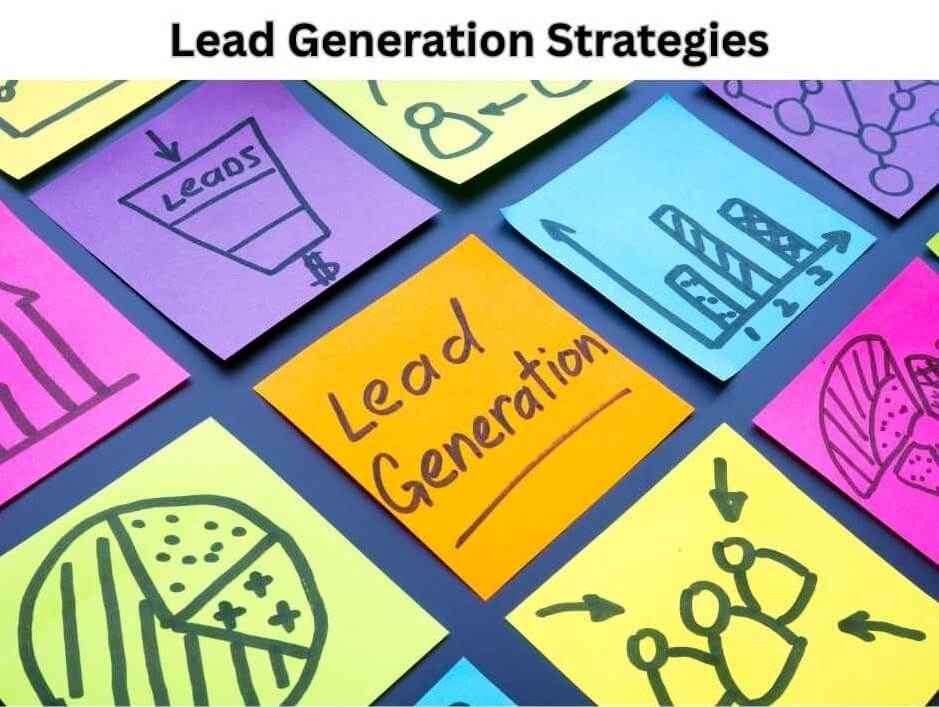
Proven lead generation for small businesses often involves leveraging local SEO to attract nearby customers searching for their services. Content marketing, such as blogging or creating helpful guides, establishes expertise and naturally captures leads through opt-in forms.
Finally, running targeted, geographically restricted social media ads and offering compelling incentives (like free consultations or e-books) are cost-effective ways to build a qualified pipeline.
Strategies like search engine optimization (SEO), social media marketing, and email campaigns are decidedly effective for reaching a wider audience and generating leads in the digital space. Lead generation strategies focus on attracting and converting prospects into leads, naturally through various marketing efforts.
Different Ways to Lead Generation for Small Businesses
1. Leverage Your Online Presence
Maintaining a robust online presence is important for small business lead generation. It allows agents to reach a broader audience, build brand credibility, and entice high-quality leads through several online channels.
2. Create a High-quality Website
Develop a specialized and user-friendly website showcasing your small business services. Include property listings, informative content, and clear calls to action to capture leads. Confirm the website is mobile-responsive for users on numerous devices.
3. Implement SEO Strategies
Optimize your website for search engines to rise visibility in online searches. Focus on local SEO by incorporating location-specific keywords, creating quality content, and obtaining backlinks from trustworthy local websites.
4. Market Your Business and Expertise with a Blog
Start a small business blog to share respected content related to your local market, buying and selling tips, and industry trends. Frequently publishing informative articles establishes you as an authority in the field and fascinates potential clients.
5. Create and Optimize your Google Business Profile
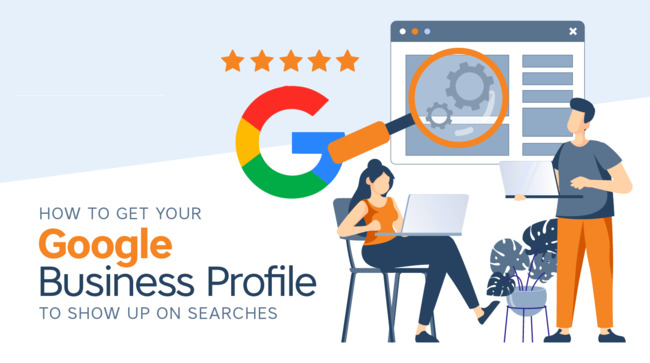
Creating your Google Business Profile is vital for establishing your online presence, increasing your visibility in local search results, and building trust with possible clients by showcasing your small business expertise and reviews.
Encourage satisfied clients to leave positive reviews on platforms like your Google Business Profile, Yelp, or your website. Positive testimonials build reliability and trust, inspiring leads to select your services.
6. Social Media Marketing for Small Businesses
Social media is a vital tool for small business lead generation. It enables agents and brokers to connect with a wider audience, showcase properties, and engage with potential clients in real time, driving interest and inquiries.
7. Create a Social Media Engagement Strategy
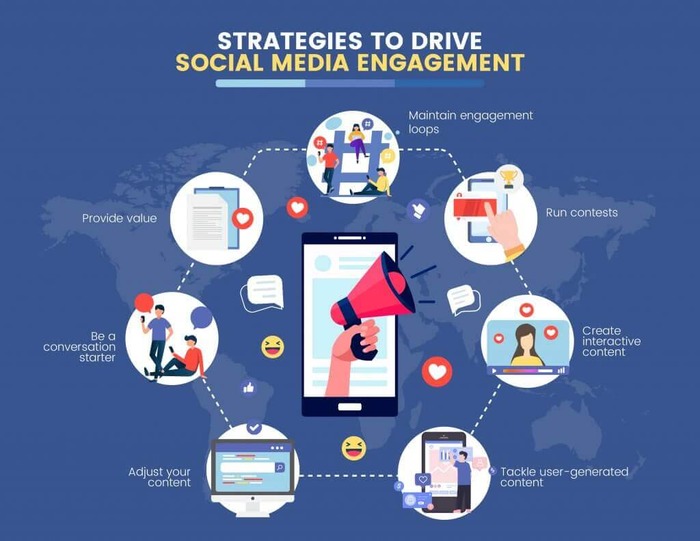
Aggressively engage with your audience on social media by responding to comments and messages and contributing to appropriate conversations. Building a healthy social media presence benefits adoptive relationships with possible clients and retains you top of mind.
8. Run Social Media Ads on Facebook and Instagram
Targeted advertising on prevalent social media platforms like Facebook and Instagram can initiate traffic to your website and generate leads. Create engaging ad campaigns to reach precise demographics based on location, interests, and behaviours. Social media ads can effectually drive traffic to your website and generate leads.
9. Livestream your Events
Host live sessions or virtual events through Facebook Live, Instagram Live, Google Meet, or Zoom. Subjects can comprise market updates and discussions on small business trends. This collaborating tactic engages your audience and encourages interaction.
10. Optimize Social Media Ads with AI
Use artificial intelligence algorithms to reinforce social media advertising campaigns. AI can analyze user behaviour, demographics, and engagement patterns to fine-tune targeting, safeguarding that your small business ads reach the most appropriate audience for your business.
11. Develop a YouTube Channel
Create a YouTube channel and post engaging video content as per your business theme. Optimize video titles and metadata for search and share them across other social platforms to maximize reach.
12. Livestream your Events
Host live sessions or virtual events through Facebook Live, Instagram Live, Google Meet, or Zoom. Topics can include market updates and discussions on small business trends. This interactive approach engages your audience and encourages interaction.
13. Create a Small Business Podcast
Start your small business podcast to debate market trends and local insights, or conduct interviews with industry experts. Endorse your podcast through several platforms and inspire listeners to visit your website or contact you for personalized advice.
14. Elevate your Content with Infographics
Develop visually appealing infographics highlighting market statistics, buying trends, and neighbourhood data. Share across social media and your website to increase engagement and reinforce your industry expertise.
15. Develop a how-to video Series
Create instructive video content that answers questions your target audience may have. For example, a series for first-time business owners should cover subjects such as their business services or processes to help end clients. This can build trust and appeal to prospects at every stage of the sales funnel.
16. Collaborate with Influencers
Partner with local leaders or industry experts to increase your online reach and build credibility within your community. Commence by identifying influencers or specialists who align with your brand values and target audience, such as widespread bloggers, social media personalities, or business owners in your area.
Reach out with a clear proposal, outlining how your partnership can be jointly beneficial, for instance, sponsoring a post, collaborating on a community event, or creating co-branded content.
Influencers can showcase your services to their involved followers through authentic, high-quality posts, videos, or livestreams, driving visibility and trust. To maximize the influence, deliver these partners with key messaging points, advertising materials, or special offers to share.
Track the results of these associations using metrics like follower growth, website traffic, and lead inquiries to confirm your efforts produce measurable achievement.
17. Offer Online Webinars and Workshops
Host informational webinars and workshops on subjects like the home-buying procedure, market trends, or local business tips. These virtual events aid in building trust with possible clients by showcasing your know-how and providing respected insights. Attendees can engross straight away, ask questions, and study more about your services.
During the webinars, leverage collaborating tools like live Q&A sessions, polls, and downloadable resources to retain attendees engaged and to substitute a sense of connection. Reflect partnering with industry experts to deliver a well-rounded viewpoint and appeal to a broader audience.
After the event, follow up with attendees by sharing a recording of the session, further resources, and personalized messages to answer lingering questions.
Use these interactions to nurture leads and request participants to discover your services further, confirming the value you deliver translates into trust and long-term client relationships.
18. Email Marketing for your Business
An email marketing strategy is a plan for using email to accomplish business goals, like increasing sales or customer loyalty. Key elements comprise building a clean subscriber list, segmenting your audience for personalized content, and designing engaging, mobile-friendly emails.
Success relies on consistent testing of subject lines, content, and send times, along with analyzing metrics like open and click-through rates to frequently optimize performance.
Nurture relationships with possible clients and initiate conversions through strategic email outreach.
19. Operate Email Marketing Campaigns
Create and manage comprehensive email marketing campaigns to send newsletters, encourage listings, and offer market updates. These campaigns nurture relationships with your whole audience by delivering steady, treasured content.
20. Run Targeted email drip Campaigns
Develop personalized email drip campaigns that send a sequence of pre-scheduled messages to detailed segments of your audience. Tailor these campaigns based on factors like buyer preferences, geographic areas, or lead stages to guide prospects through the sales funnel.
21. Use AI to Automate Email Campaigns
Automate and optimize email campaigns by using AI to analyze lead behaviour and preferences. These tools can craft personalized subject lines, forecast the best send times, and adjust messaging in real time for supreme engagement and conversion.
22. Advertising Campaigns for Small Businesses
An advertising campaign is a harmonized series of advertising messages tactically placed across numerous media (like social media, TV, print, or email) over a definite period to realize a precise marketing goal.
It always targets a detailed audience, connects a reliable core message or theme, and is designed to speed up a desired action, such as purchasing a product, raising brand awareness, or driving attendance to an event. Reach your proposed market promptly and measure your marketing efforts more positively.
23. Run a Google Ads Campaign
A targeted Google Ads campaign can benefit you appear at the top of search results when users are seeking for your local services in your area. Utilize keywords related to your market and create compelling ad copy to drive traffic to your website.
24. Set up Retargeting Ad Campaigns
Implement retargeting ads to influence users who have visited your website but did not convert into leads. These ads trail users across the internet, recapping them of your services and encouraging them to revisit your site and take action.
25. Use the Advertising Platforms of Your Local Business
Invest in advertising on prevalent portals related to your industry that support your local business. These platforms appeal to a huge number of service seekers, providing a targeted audience for your listings and services.
26. Purchase Local Billboards and Signage
Invest in tactically placed billboards or signage in high-traffic areas within your target neighbourhoods. Safeguard your contact information is obviously displayed, and use convincing visuals to grasp attention. This method upsurges brand visibility and can lead to inquiries from interested sellers or buyers.
27. Content Marketing on Various Platforms
Content permits negotiators to showcase their expertise, deliver respected information to possible clients, and build trust, finally driving organic traffic and converting leads into long-term relationships.
28. Generate Interactive Tools
Interactive puzzles and assessments on your local business can inspire leads to opt into services. Endorse these tools through your website and social media to engross users and seize their contact information when they contribute.
29. Create Lead Magnets and Gated Content
Users will deliver their contact information to admittance respected lead magnets, such as e-books, guides, or checklists. When you propose them as downloadable content on your website, you can capture leads interested in your expertise.
30. Try AI-generated Content Marketing
AI can analyze audience preferences and data to propose content topics that resound most, helping you reliably entice and nurture leads while saving time. You can even usage AI tools to produce engaging and related content tailored to your target audience.
This could comprise writing blog posts about local market trends, producing social media captions, or crafting local business descriptions.
31. Implement Automated Personalized Recommendations
Leverage AI to routinely deliver personalized recommendations to leads based on their browsing behaviour, search history, and preferences. By tracking interactions with your website or past inquiries, the system can propose applicable listings tailored to each lead’s requirements, cumulative engagement and pretty the likelihood of conversion.
32. Traditional Marketing for Local Business
Though often more time-intensive, traditional marketing practices endure decidedly effective for fostering local relationships and generating leads. These strategies rely on face-to-face interactions and vigorous community engagement to build trust and personal connections.
33. Direct Marketing Services for Small Businesses
Direct marketing permits you to create a personal connection with possible clients through one-on-one engagement. This tactic fosters trust, inspires open communication, and delivers a profounder thoughtful of their requirements and preferences.
34. Attend Local Networking Events
Contribute to local networking events, chamber of commerce meetings, or industry-specific gatherings. Building relationships with other specialists in your community, such as lawyers, contractors, or financial advisors, can lead to referrals and cooperative opportunities.
35. Public Relations and Events
By leveraging in-person communication opportunities and expressive community engagement, you can place yourself as a reliable expert in your field, adopt positive relationships, engage with leads and prospects, and create lasting impressions that improve your professional image.
36. Host Community Events
Organize local community networking occasions, such as neighbourhood collaboration or thought-sharing virtual events. These events let you connect with prospects, showcase your promise to the community, and meet potential clients in a relaxed setting.
37. Create a Local Newsletter
Develop a monthly or quarterly newsletter focusing on your local business trends, market updates, and community news. Distribute printed copies to local businesses, community centers, and mailboxes. This creates you as a well-informed local expert and retains your name in front of potential clients.
38. Networking and Partnerships
By building durable relationships within local businesses and related industries, you can improve your expertise, tap into new markets, and establish a consistent source of referral leads that drive long-term triumph.
39. Market Your Services within a Local Business
Forge partnerships with neighbouring businesses, such as coffee shops, restaurants, or gyms, to display your business cards or advertising materials. Offering to sponsor or contribute to local events hosted by these businesses can also grow your visibility in the community.
40. Seek out Senior-specific Community Opportunities
Connecting with seniors and addressing their exclusive business related concerns can lead to respected relationships and referrals. This could comprise hosting informational sessions on different topics, and adding value to their topics will establish your business strength.
41. Technology-driven Marketing for Your Business
Transform your business by integrating AI and augmented reality (AR) technologies to increase competence and fast-track growth. Use AI to automate tasks like lead generation, client follow-ups, and market analysis, while leveraging AR for interactive presentation and immersive client experiences. Together, these technologies rationalize operations, enhance client engagement, and benefit you scale your business more effectively.
42. Use Behavioural Analytics on Your Website
Deploy AI-based behavioural analytics on your website to comprehend how visitors interact with your content. Classify patterns and predilections to personalize user experiences, tailor content recommendations, and optimize conversion paths to produce more qualified leads.
FAQs on Lead Generation Strategies for Small Businesses
1. What is lead generation for small businesses?
Lead generation is the process of attracting potential customers (leads) who show interest in your product or service and capturing their contact information, such as email, phone number, or social media handles.
For small businesses, it is especially important because it helps build a consistent pipeline of potential customers without relying only on walk-ins or word-of-mouth. Effective lead generation ensures steady business growth and reduces dependency on unpredictable sales cycles.
2. What are the most effective lead generation strategies for small businesses?
Some of the most effective strategies include social media marketing, search engine optimization (SEO), email marketing, referral programs, and content marketing. Social media helps you reach a wide audience quickly, while SEO brings long-term organic traffic to your website.
Email marketing helps nurture relationships with potential customers over time, and referral programs encourage existing customers to bring in new leads. A combination of these strategies usually works best rather than relying on just one channel.
3. How can social media help generate leads?
Social media platforms like Instagram, Facebook, LinkedIn, and even YouTube allow small businesses to connect directly with their target audience. By posting engaging content, running targeted ads, and using lead forms, businesses can collect customer information easily.
For example, offering a free guide, discount, or consultation in exchange for an email signup can significantly increase leads. The key is consistency and engaging content that builds trust and encourages interaction.
4. Is content marketing useful for lead generation?
Yes, content marketing is one of the most powerful long-term lead generation methods. By creating helpful blogs, videos, guides, or infographics, businesses can attract people searching for solutions online.
When your content answers a problem or provides value, users are more likely to trust your brand and eventually become customers. Adding call-to-actions (CTAs) like “download now” or “contact us” helps convert readers into leads.
5. How do referral programs help in getting more leads?
Referral programs encourage your existing customers to recommend your business to others by offering incentives such as discounts, cashback, or rewards. Since people trust recommendations from friends and family more than advertisements, referral leads often have higher conversion rates.
For small businesses, this is a cost-effective way to grow because it leverages your current customer base to bring in new prospects without heavy marketing spending.
6. What role does a website play in lead generation?
A website acts as the central hub for all your marketing efforts. It allows potential customers to learn about your services, trust your brand, and take action such as filling out a form or making a purchase.
A well-designed website with clear messaging, strong CTAs, and lead capture forms can significantly improve conversion rates. Adding features like chatbots or contact forms also makes it easier for visitors to become leads.
7. Can small businesses generate leads without a big marketing budget?
Absolutely. Many lead generation strategies are low-cost or even free. For example, optimizing your Google Business Profile, posting regularly on social media, networking in local communities, and asking for customer referrals require minimal investment. The key is creativity, consistency, and understanding your target audience rather than relying on expensive advertising campaigns.
8. How important is email marketing for lead generation?
Email marketing is extremely important because it helps nurture leads over time. Not every potential customer will buy immediately, so email allows you to stay in touch, share valuable content, and build trust. Sending newsletters, special offers, or educational content can gradually move leads closer to making a purchase decision. It is one of the highest ROI marketing channels for small businesses.
9. How long does it take to see results from lead generation efforts?
The timeline depends on the strategy used. Paid ads can generate leads almost immediately, while SEO and content marketing may take a few months to show strong results. However, long-term strategies tend to bring more sustainable and cost-effective leads. Most small businesses start noticing consistent results within 2–3 months of implementing a well-planned strategy.
10. What is the biggest mistake small businesses make in lead generation?
One common mistake is trying too many strategies at once without mastering any of them. Another is not following up with leads properly, which results in lost opportunities. Many businesses also fail to track performance, making it difficult to know what is working. The best approach is to focus on a few strong channels, optimize them, and ensure consistent follow-up with every lead.
Conclusion
Lead generation strategies are the driving strength behind your local business’s growth. However, their efficiency relies on having a world-class website and marketing platform to appeal traffic, convert prospects into leads, and more. If you’re prepared to elevate your business, ExxarDigital is here to support you every step of the way.