
Introduction to Personalized Email Marketing
Personalized email marketing is one of the most effective ways to connect with your audience. In today’s digital world, customers expect messages that feel tailored just for them, not generic blasts sent to thousands. Using the right strategies of drafting personalized emails for your business promotion, you can build trust, increase engagement, and drive conversions. Let’s dive deep into how you can master this powerful marketing technique.
What Is Personalized Email Marketing?
Personalized email marketing is the strategic process of using subscriber data, such as names, purchase history, or browsing behavior to deliver highly relevant content to specific individuals rather than sending a generic message to an entire list. By leveraging these insights, brands can tailor everything from subject lines to product recommendations, making the communication feel like a one-on-one conversation.
This targeted approach significantly improves engagement metrics, as recipients are far more likely to open and interact with emails that directly address their unique needs and interests. Personalized email marketing involves customizing email content based on user data such as name, preferences, purchase history, or behaviour. Instead of sending the same message to everyone, businesses craft emails that speak directly to each recipient.
Why Personalization Matters in Business Promotion?
Personalization has shifted from a “luxury feature” to a core expectation in modern business promotion. By tailoring messages to specific consumer behaviours and needs, brands can cut through the digital noise and foster genuine connections. Here is why it remains a critical strategy for growth:
- Enhanced Customer Engagement: When content resonates with a user’s specific interests, they are significantly more likely to interact with it. Personalized emails, for instance, see much higher open and click-through rates compared to generic blasts.
- Increased Conversion Rates: Directing the right offer to the right person at the exact moment they need it reduces friction in the buying journey. This relevance turns casual browsers into committed buyers more efficiently.
- Building Brand Loyalty: Personalization demonstrates that a business values the customer as an individual rather than just a data point. This builds trust and encourages long-term retention, as customers feel understood and supported.
Higher ROI on Marketing Spend: By focusing resources on segments most likely to respond, businesses can optimize their advertising budgets and reduce “waste” on disinterested audiences.
Personalization helps your emails stand out in crowded inboxes. It improves:
- Open rates
- Click-through rates
- Customer loyalty
- Conversion rates
Simply put, people respond better when they feel understood.
Understanding Your Audience for Email Promotion?
Before writing any email, you need to know who you’re talking to. Understanding your audience is the cornerstone of any successful email promotion; without it, even the most well-crafted message is likely to be ignored or marked as spam.
By segmenting your list based on demographics, past purchase behaviour, and engagement levels, you can ensure that the content you send is highly relevant to each recipient. Here are the key elements to focus on:
- Behavioural Tracking: Monitoring how subscribers interact with previous emails, such as which links they click or which products they view, allows you to predict their future needs and send timely, automated triggers.
- Pain Points and Goals: Knowing the specific challenges your audience faces enables you to position your promotion as a direct solution, making the “value proposition” clear from the subject line onward.
- Preferred Tone and Timing: Different audiences respond to different styles, whether professional and authoritative or casual and witty. Additionally, knowing when your users are most likely to check their inboxes ensures your message sits at the top of the pile rather than getting buried.
- Data-Driven Personas: Creating detailed buyer personas helps you visualize the human on the other side of the screen, allowing you to write copy that feels like a one-on-one conversation rather than a mass broadcast.
Segmenting Your Email List before Personalized Email Promotion
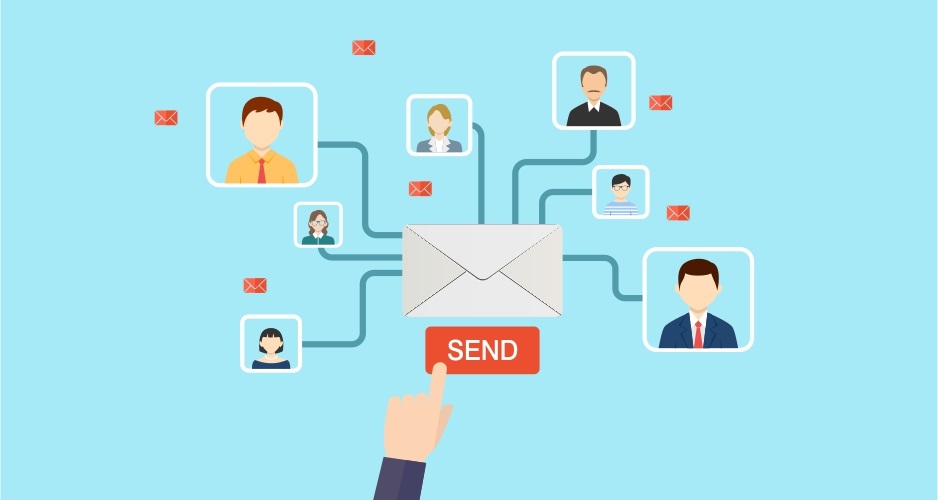
Segmenting your email list before personalized email promotion is like organizing your audience into smaller, meaningful groups so you can speak to them more effectively. Instead of sending the same message to everyone, segmentation helps you tailor your emails based on specific characteristics such as interests, behaviour, or purchase history.
For example, new subscribers might receive a welcome email, while loyal customers could get exclusive offers or rewards. You can also segment based on location, engagement level, or past interactions. This ensures that each group receives content that feels relevant and useful to them.
When your emails match the needs and preferences of your audience, they’re more likely to open, read, and take action. In simple terms, segmentation helps your message feel less like a broadcast and more like a personal conversation. Segmentation is the foundation of personalization. Divide your audience into smaller groups based on shared characteristics.
Demographics and Behaviour-Based Segmentation
You can segment based on:
- Age, gender, location
- Purchase history
- Website activity
- Email engagement
This allows you to send highly relevant messages.
Creating Customer Personas
Customer personas are fictional profiles representing your ideal customers. They help you:
- Understand needs and pain points
- Craft relatable messages
- Improve targeting accuracy
Crafting Compelling Email Subject Lines
Your subject line determines whether your email gets opened or ignored. Crafting compelling email subject lines is a bit like making a first impression, you only get one shot, so it has to count.
A good subject line feels personal, sparks curiosity, and gives the reader a reason to click without sounding pushy or fake. Instead of sounding like a sales pitch, it should feel like a helpful nudge or a friendly message waiting to be opened.
Think of it this way: if your email landed in your own inbox, would you open it? Simple, honest, and slightly intriguing subject lines often work best. Adding a personal touch, like mentioning something relevant to the reader can make it feel less like marketing and more like a conversation.
Importance of First Impressions during Personalised Email Promotion
A strong subject line creates curiosity and urgency. It’s your first (and sometimes only) chance to grab attention. First impressions play a crucial role in personalised email promotion because they determine whether your message gets attention or gets ignored.
When someone sees your email in their inbox, they quickly decide within seconds, if it’s worth opening. A strong first impression, usually created through the subject line and preview text, can spark curiosity and build trust right away.
In personalised emails, this becomes even more important. When the message feels relevant and tailored to the reader, it creates a sense of connection. It shows that you understand their needs rather than sending a generic promotion. This small but powerful moment can increase open rates, improve engagement, and set the tone for a positive relationship with your audience.
Tips for Writing Click-Worthy Subject Lines
- Keep it short (6–10 words)
- Use personalization (e.g., name or location)
- Create urgency (“Limited Time Offer”)
- Ask questions
- Avoid spammy words
Writing Engaging Email Content for Personalized Emails
Once your email is opened, the content must keep the reader interested. Writing engaging email content is all about connecting with your reader in a natural and meaningful way. Instead of sounding overly formal or sales-driven, your email should feel like a friendly conversation. When readers feel comfortable and understood, they’re more likely to keep reading and take action.
Start by keeping your message clear and simple. Avoid long paragraphs and complicated words, and get straight to the point while still being warm and relatable. Use a conversational tone, ask questions, and speak directly to the reader as “you.” This makes the content feel personal rather than generic.
It’s also important to focus on value. Tell your readers what’s in it for them, whether it’s a helpful tip, a special offer, or useful information. Break your content into short sections or bullet points so it’s easy to scan, especially on mobile devices.
Lastly, end your email with a clear and friendly call-to-action. Whether you want the reader to click a link, explore a product, or reply, guide them gently. When your content feels helpful, personal, and easy to read, it naturally keeps your audience engaged.
Using Conversational Tone
Write like you’re talking to a friend. Avoid overly formal language.
- Use simple words
- Ask questions
- Keep sentences short
Personalization Beyond First Names
True personalization goes deeper than “Hi John.”
Include:
- Product recommendations
- Purchase reminders
- Location-based offers
- Behaviour-triggered messages
Structuring Your Email for Readability
Good structure improves engagement:
- Short paragraphs
- Bullet points
- Clear headings
- White space
Leveraging Your Data for Email Personalization
Data is the backbone of effective personalization. Leveraging your data for email personalization means using the information you already have about your customers to create messages that feel relevant and meaningful. Instead of sending the same email to everyone, you tailor your content based on what you know, like past purchases, browsing behaviour, location, or preferences.
Start by collecting useful data through sign-up forms, website activity, and previous interactions. Then, organize this data into segments so you can send targeted emails to different groups. For example, a returning customer might receive product recommendations, while a new subscriber might get a welcome offer.
The key is to use data thoughtfully, not excessively. When done right, it helps you send the right message to the right person at the right time. This not only improves engagement but also builds trust, as customers feel understood rather than marketed to.
Using Customer Data Effectively
Collect and use data such as:
- Purchase history
- Browsing behaviour
- Email interactions
Use this information to tailor your content.
Tools for Data-Driven Email Marketing
Popular tools include:
- Mailchimp
- HubSpot
- ActiveCampaign
These platforms help automate personalization.
Timing and Frequency of Promotional Emails
Even the best email fails if sent at the wrong time. Timing and frequency of promotional emails really come down to respecting and understanding your audience. Send too many emails, and people may feel overwhelmed or annoyed. Send too few, and they might forget about you. It’s all about finding that sweet spot where your emails feel helpful, not intrusive.
Think about when your audience is most likely to check their inbox, maybe in the morning with a cup of coffee or during a lunch break. Spacing your emails out and keeping a consistent rhythm helps build familiarity and trust.
When your timing feels natural, and your frequency feels balanced, your emails become something people actually look forward to, not something they ignore or unsubscribe from.
Best Times to Send Emails
Generally effective times:
- Morning (9–11 AM)
- Afternoon (1–3 PM)
However, test what works best for your audience.
Avoiding Over-Emailing
Too many emails can annoy subscribers. Maintain balance:
- Weekly or bi-weekly campaigns
- Respect user preferences
Adding Clear Call-to-Actions (CTAs)
Every email should guide the reader toward an action.
What Makes a CTA Effective?
A good CTA is:
- Clear and direct
- Visually prominent
- Action-oriented
Examples of High-Converting CTAs
- “Shop Now”
- “Get Your Discount”
- “Download Free Guide”
A/B Testing for Optimization
Testing helps you improve performance over time.
What to Test in Email Campaigns
- Subject lines
- Email design
- CTA placement
- Sending time
Analyzing Results for Better Performance of your Personalised Email Promotion
- Open rates
- Click-through rates
- Conversion rates
Use results to refine your strategy.
Ensuring Mobile-Friendly Emails Structure
Most people check emails on their phones. Ensuring a mobile-friendly email structure means designing your emails so they look clean, clear, and easy to read on smaller screens. Keep content short, use simple layouts, and make buttons easy to tap so readers can engage effortlessly on their phones.
Importance of Responsive Design
Your emails must look good on all devices.
Tips for Mobile Optimization
- Use large fonts
- Keep content short
- Use responsive templates
- Optimize images
Avoiding Spam Filters
Landing in spam folders can ruin your efforts.
Common Mistakes That Trigger Spam
- Excessive use of capital letters
- Too many links
- Spammy words like “FREE!!!”
Best Practices for Email Deliverability
- Use verified email domains
- Maintain a clean email list
- Include unsubscribe option
Automation and Personalization
Automation saves time while maintaining personalization.
Benefits of Email Automation
- Sends emails at the right time
- Triggers based on user actions
- Improves efficiency
Balancing Automation with Human Touch
Avoid making emails feel robotic. Add:
- Personalized messages
- Friendly tone
- Real value
Measuring Success of Personalized Emails
Tracking performance is crucial.
Key Metrics to Track
- Open rate
- Click-through rate
- Conversion rate
- Bounce rate
Improving Campaign Performance
Regularly analyze data and adjust your strategy accordingly.
Common Mistakes to Avoid Using Personalised Email Promotion
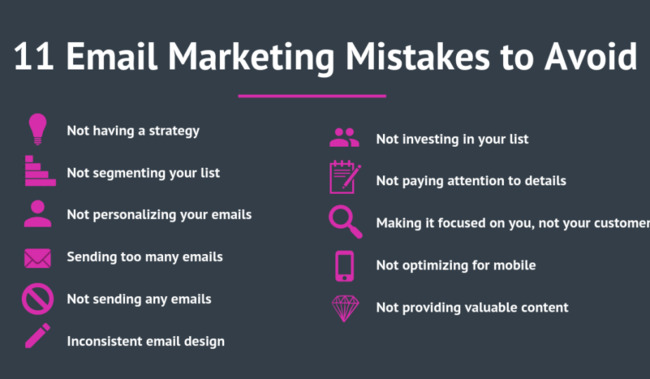
Even experienced marketers make errors. When using personalised email promotion, it’s easy to make small mistakes that can have a big impact. One common mistake is over-personalization, adding too much personal detail can feel intrusive and uncomfortable rather than helpful. Personalization should feel natural, not like you’re tracking every move your customer makes.
Another mistake is relying only on basic details like first names. True personalization goes deeper, focusing on interests, behaviour, and real needs. Sending irrelevant content, even if it includes someone’s name, can quickly turn people off.
Many businesses also ignore customer preferences, such as how often they want to hear from you. Sending too many emails or messages that don’t match their interests can lead to unsubscribes.
Lastly, poor timing and lack of testing can hurt your campaigns. Not checking what works and what doesn’t means you might keep repeating ineffective strategies. Keeping things simple, respectful, and relevant is the key to avoiding these common pitfalls.
Over-Personalization Risks
Too much personalization can feel intrusive. Respect privacy.
Ignoring Customer Preferences
Always consider:
- Opt-in preferences
- Frequency choices
- Content interests
FAQs About Personalized Email Marketing
What is the main goal of personalized email marketing?
The goal is to deliver relevant content to each user to increase engagement and conversions.
How can I collect data for personalization?
You can collect data through website analytics, signup forms, and customer interactions.
Are personalized emails more effective than generic ones?
Yes, personalized emails typically achieve higher open and click rates.
How often should I send promotional emails?
It depends on your audience, but generally once a week works well.
What tools help with personalized email campaigns?
Tools like Mailchimp and HubSpot are widely used.
Can small businesses use personalized email strategies?
Absolutely! Even small businesses can benefit greatly from personalization.
Conclusion
Mastering the strategies of drafting personalized emails for your business promotion can transform your marketing results. By understanding your audience, leveraging data, and crafting engaging content, you can build meaningful connections and drive consistent growth. Personalization isn’t just a trend, it’s the future of email marketing. Start small, test often, and refine your approach to see powerful results.