

Local businesses and enterprises are greatly dependent on their online presence to draw in customers. Nowadays, a majority of consumers conduct online searches prior to visiting a shop, restaurant, or service provider. If your business is not visible in search results, you are losing out on valuable traffic and prospective clients. Regrettably, numerous businesses encounter issues due to SEO errors that hinder local companies from achieving higher rankings in search engine results.
Such errors frequently lead to websites not appearing in searches, even if the business provides outstanding products or services. Search engine optimization (SEO) encompasses more than merely inserting keywords into a website. It comprises various elements such as website organization, mobile friendliness, local listings, content quality, and backlinks.
When these components are not effectively handled, your site’s ranking declines. In this guide, we will explore the most common SEO mistakes local businesses make and how you can avoid them to improve your website’s ranking and visibility.
Understanding Why Local SEO Matters for Businesses?
Local SEO focuses on optimizing a business’s online presence so it appears in location-based search results. When someone searches for services near them, search engines prioritize local businesses that match the query.
How Local Search Works?
Local search is the process search engines use to provide results tailored to a user’s specific geographic location. Unlike general web searches, local search prioritizes relevance based on where you are currently standing or the specific city you include in your query.
The Three Pillars of Local Ranking
Search engines generally determine local rankings based on three primary factors:
- Relevance: How well a local business profile matches what someone is searching for.
- Distance: How far each potential search result is from the location term used in a search (or the user’s GPS location).
- Prominence: How well-known a business is. This is calculated using information from across the web, such as links, articles, directories, and most importantly, the quantity and quality of Google reviews.
The Local “Map Pack”
When you search for a service like “coffee near me,” the search engine triggers a specific algorithm that generates a Map Pack (or Local Pack). This is a boxed-in section of the results page that displays a map alongside a list of the top three local business profiles. These results are heavily influenced by the accuracy of a business’s NAP data (Name,
Address, and Phone number) across various online platforms. Search engines like Google use complex algorithms to determine which businesses appear in local search results.
These algorithms consider factors such as:
- Relevance of the website content
- Distance from the searcher
- Prominence of the business online
- Customer reviews and ratings
- Website authority
When these factors align, a business has a higher chance of appearing in the Local Pack, which is the map-based search result section.
Benefits of Ranking in Local Search Results
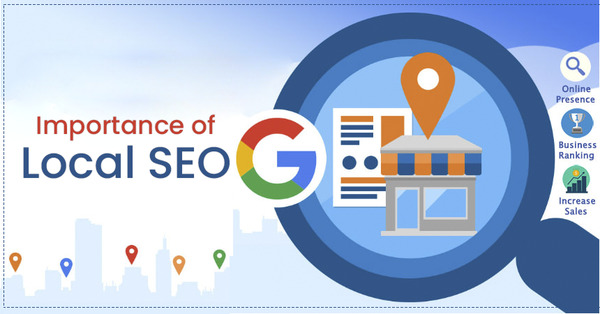
Ranking high in local search results is one of the most effective ways to bridge the gap between a digital search and a physical sale. When a business appears in the “Local Pack” or at the top of map results, it gains a massive advantage in visibility and consumer trust.
Key Advantages of Local Visibility
- Higher Conversion Rates: Local searchers often have “high intent,” meaning they are looking to buy something immediately. Statistics show that a large percentage of local mobile searches lead to a store visit within 24 hours.
- Increased Foot Traffic: For brick-and-mortar locations, appearing in local results is essentially a digital storefront. It provides directions, hours, and click-to-call buttons that lead customers directly to your door.
- Enhanced Credibility and Trust: Users tend to trust businesses that appear at the top of search results. Furthermore, the presence of positive reviews and a complete profile serves as social proof that your business is reliable.
- Cost-Effective Marketing: Unlike paid ads, organic local search ranking provides a continuous stream of traffic without a “pay-per-click” cost. It allows smaller businesses to compete with national chains by winning on geographic relevance.
- Mobile Dominance: As more users search on the go, local search ensures your business is the first one they see on their smartphones when they are in your immediate area.
Comparison of Search Impact
| Benefit | Local Search Ranking | Standard Web Ranking |
| Primary Goal | Physical visits / Local calls | Website traffic / Information |
| Trust Signal | Google Reviews & Ratings | Backlinks & Authority |
| User Intent | “I need this now, nearby.” | “I want to learn or buy online.” |
Ranking well in local search can significantly impact a business. Key benefits include:
- Increased website traffic
- More calls and store visits
- Higher brand credibility
- Competitive advantage over nearby businesses
Without a strong local SEO strategy, businesses may struggle to compete in today’s digital marketplace.
SEO Mistakes That Stop Local Businesses From Ranking Their Website
Ignoring Google Business Profile Optimization
One of the biggest SEO Mistakes That Stop Local Businesses From Ranking their Website On Search Engines is failing to optimize their Google Business Profile. Your Google Business Profile acts as a digital storefront that appears in search results and Google Maps.
Incomplete Business Information
Many businesses create a profile but leave important details missing. Incomplete information makes it harder for search engines to trust and rank the listing.
Ensure your profile includes:
- Accurate business name
- Full address
- Phone number
- Website URL
- Business hours
- Category and services
Complete profiles tend to perform better in local search rankings.
Lack of Reviews and Engagement
Customer reviews play a major role in local SEO. Businesses with more positive reviews often rank higher and attract more customers. Encourage satisfied customers to leave reviews and respond to them regularly. Engagement signals trust and authenticity to search engines.
Targeting the Wrong Keywords
Keyword research is the foundation of SEO. Many local businesses fail because they target overly broad or irrelevant keywords. One common reason many local businesses struggle to rank on search engines is targeting the wrong keywords.
Some businesses try to rank for very broad or highly competitive terms that larger companies already dominate. Others choose keywords that their potential customers rarely search for.
Missing Location-Based Keywords
Many local businesses forget to include location-based keywords on their website. While they may mention their services clearly, they often miss adding the city, neighborhood, or service area where they operate. Because of this, search engines may struggle to connect the business with local searches.
A common mistake is targeting generic keywords such as:
- “plumber”
- “restaurant”
- “car repair”
Instead, businesses should target location-based keywords like:
- “plumber in Ahmedabad”
- “Italian restaurant in Mumbai”
- “car repair in Surat”
These keywords match the intent of local searchers.
Not Using Long-Tail Local Keywords
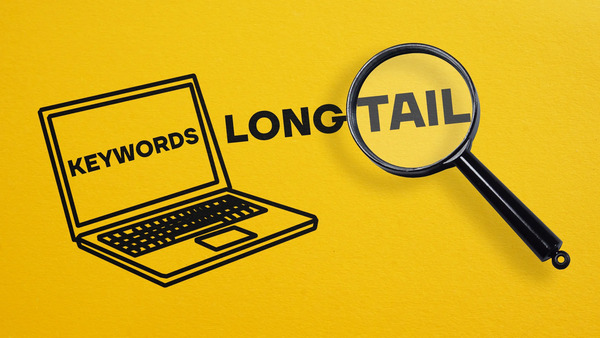
Another common SEO mistake is ignoring long-tail local keywords. These are longer, more specific search phrases that people often use when they are closer to making a decision. Many businesses focus only on short, generic keywords like “plumber” or “restaurant,” which are highly competitive and difficult to rank for.
Long-tail keywords are longer, more specific phrases that attract highly targeted traffic.
Examples include:
- “emergency plumber near me”
- “best vegan restaurant in Ahmedabad”
These keywords often have lower competition and higher conversion rates.
Poor Website Structure and Technical SEO
Slow Loading Website
Website speed directly affects both rankings and user experience. Slow websites cause visitors to leave quickly.
Common causes of slow loading include:
- Large images
- Poor hosting
- Too many plugins
- Unoptimized code
Optimizing speed improves both rankings and customer satisfaction.
Broken Links and Crawl Errors
Broken links create a poor user experience and signal low-quality websites to search engines.
Regularly audit your website to fix:
- Broken internal links
- Missing pages
- Redirect issues
- Crawl errors
These improvements help search engines index your website correctly.
Not Optimizing for Mobile Users
Many local businesses overlook the importance of mobile optimization, even though most people now search for services using their smartphones. If a website is not designed to work properly on mobile devices, visitors may experience problems such as slow loading pages, difficult navigation, or text that is too small to read.
This poor user experience often causes users to leave the site quickly. Most local searches occur on smartphones. Because of this, search engines now use mobile-first indexing.
Poor Mobile User Experience
If your website is difficult to navigate on mobile devices, users will leave quickly.
Common issues include:
- Small text
- Unclickable buttons
- Slow loading pages
- Poor navigation menus
Responsive Design Importance
Responsive websites automatically adjust to different screen sizes. This ensures users have a smooth experience on phones, tablets, and desktops. Mobile optimization significantly improves both rankings and conversion rates.
Duplicate or Thin Website Content
Content quality plays a crucial role in SEO success. Thin content, on the other hand, refers to pages that contain very little useful information. For example, a service page with only a few sentences may not provide enough value for visitors or search engines.
To improve SEO performance, businesses should focus on creating original, detailed, and helpful content that clearly explains their services, answers common questions, and provides useful insights for potential customers.
Copying Content From Other Websites
Some businesses copy descriptions from competitors or suppliers. This results in duplicate content, which search engines often ignore. Always create unique content that highlights your business’s expertise.
Lack of Valuable Local Content
Local businesses should produce content relevant to their community. Examples include:
- Local event guides
- Service area pages
- Neighborhood-specific blog posts
This type of content helps search engines associate the website with specific locations.
Ignoring Local Backlinks
Backlinks, links from other websites to your site are one of the strongest signals of credibility.However, not all backlinks are helpful. Some businesses attempt to boost rankings by buying low-quality links or joining spammy directories.
This approach can actually harm your rankings. Search engines value quality over quantity. A single backlink from a reputable website can be more valuable than dozens of low-quality links. Backlinks remain one of the strongest ranking factors in SEO.
Importance of Local Citations
Local citations refer to mentions of your business on directories such as:
- Yelp
- Yellow Pages
- Local chambers of commerce
- Business directories
These citations help search engines verify your business information.
Building Relationships for Links
Local businesses can gain backlinks through partnerships with:
- Local bloggers
- Community organizations
- Business associations
- Local news websites
These links increase authority and trust.
Inconsistent NAP Information
NAP stands for Name, Address, and Phone Number.
Consistency across the internet is critical for local SEO.
Why NAP Consistency Matters?
If your business information appears differently across websites, search engines may become confused about which listing is correct.
For example:
- Different phone numbers
- Old addresses
- Spelling variations in business names
These inconsistencies reduce ranking potential.
Fixing Inconsistent Listings
Conduct a citation audit and update incorrect listings across directories. Tools like Moz Local or BrightLocal can help identify inconsistencies.
Not Using Schema Markup
Many businesses overlook schema markup, even though it can significantly improve how search engines understand their website. Schema markup is a type of structured data added to a website’s code that provides clear information about a business, such as its name, address, phone number, services, and operating hours.
Schema markup is a form of structured data that helps search engines better understand website content.
Local Business Schema
Local businesses can use schema to provide structured information such as:
- Business location
- Contact details
- Reviews
- Opening hours
How Schema Improves Visibility
Schema markup can help websites appear with enhanced search results like:
- Rich snippets
- Star ratings
- Business information panels
These features improve click-through rates.
Lack of Fresh Content Updates
Another common SEO mistake is failing to update website content regularly. Search engines tend to favor websites that stay active and consistently provide new or updated information. If a website remains unchanged for long periods, it may appear outdated and less relevant compared to competitors that publish fresh content.
Search engines prefer websites that regularly update their content.
Regular Blogging Benefits
Blogging helps businesses target new keywords and answer common customer questions.
Blog topics might include:
- Industry tips
- Local guides
- Product comparisons
- Seasonal advice
This content attracts organic traffic over time.
Updating Old Content
Older articles should be updated with:
- New information
- Updated statistics
- Improved keywords
- Better formatting
Refreshing content can significantly boost rankings.
Ignoring Analytics and SEO Tracking
Many businesses invest time and effort into SEO but fail to track whether their strategies are actually working. Without using analytics and SEO tracking tools, it becomes difficult to understand how visitors are finding your website or which pages are performing well.
Without tracking data, businesses cannot measure SEO success.
Tools for Monitoring SEO
Important tools include:
- Google Analytics
- Google Search Console
- Keyword tracking software
- SEO audit tools
These platforms provide valuable insights into website performance.
Using Data to Improve Rankings
Analytics reveal important metrics such as:
- Traffic sources
- Top-performing pages
- Bounce rates
- Conversion rates
Businesses can use this data to improve weak areas of their website.
FAQs About SEO Mistakes That Stop Local Businesses From Ranking their Website On Search Engines
-
What is the most common SEO mistake local businesses make?
The most common mistake is failing to optimize their Google Business Profile and local keywords. Without these elements, businesses struggle to appear in local search results.
-
How long does local SEO take to show results?
Local SEO usually takes three to six months to produce noticeable improvements, depending on competition and optimization efforts.
-
Do online reviews help SEO rankings?
Yes. Positive reviews increase trust, improve click-through rates, and can influence local search rankings.
-
Why is mobile optimization important for local SEO?
Most local searches happen on smartphones. Mobile-friendly websites improve user experience and search rankings.
-
Can small businesses compete with large companies in SEO?
Yes. By focusing on local keywords, niche services, and community engagement, small businesses can outperform larger competitors in local search.
-
How often should businesses update their website content?
Ideally, businesses should publish new content or update existing pages at least once or twice per month to maintain SEO performance.
Conclusion
Avoiding SEO errors that prevent local businesses from achieving website ranking on search engines is crucial for sustainable digital success. Minor mistakes like inconsistent contact information, ineffective keyword targeting, or sluggish website performance can greatly impact search rankings.
Local SEO involves a mix of tactics, such as enhancing your Google Business Profile, focusing on appropriate keywords, producing quality content, and ensuring technical website performance.
Regularly reviewing your website and applying optimal SEO strategies can enhance your business’s online presence, draw in more local clients, and maintain a competitive edge in search rankings.
Through patience and ongoing enhancements, local businesses can turn their websites into effective instruments for expansion and attracting customers.

