
Introduction to Video Marketing for Small Businesses
Video marketing has quickly become one of the most effective ways to promote products and services online. For small businesses, it offers a powerful and affordable way to compete with larger brands. When you implement strategic video marketing services for small businesses, you unlock opportunities to connect with your audience in a more engaging and meaningful way.
Why is Video Marketing Essential for Small Businesses Today?
In today’s fast-moving digital world, people don’t just want information, they want experiences. And that’s exactly what video delivers. Whether it’s a quick product demo, a behind-the-scenes clip, or a heartfelt brand story, video has a unique way of connecting with people that text or images alone simply can’t match.
One of the biggest reasons video marketing is so essential today is how people consume content. Most users prefer watching over reading, especially when they’re short on time. A well-crafted video can explain something in seconds that might take paragraphs to describe. It’s convenient, engaging, and easy to digest, perfect for today’s busy audiences.
Another key factor is emotional connection. Video combines visuals, sound, and storytelling, which makes it far more powerful in creating feelings. When people can see your product in action or hear a real customer share their experience, it builds trust naturally. It makes your brand feel more human, more relatable, and more memorable.
Video also plays a huge role in building credibility and trust. In a world where customers are more cautious than ever, seeing is believing. Whether it’s testimonials, case studies, or live sessions, video helps remove doubts and gives people confidence in your brand.
People today prefer watching videos over reading long text. Videos are easier to understand, more entertaining, and highly shareable. Whether it’s a product demo or a customer testimonial, videos grab attention faster than any other format.
The Rise of Digital Video Consumption

Over the past decade, the way people consume content has changed dramatically and video has taken center stage. What was once limited to television screens is now available anytime, anywhere, right in the palm of our hands. From quick social media clips to long-form streaming content, digital video has become a natural part of everyday life.
One of the biggest reasons behind this rise is convenience. With smartphones and faster internet connections, people can watch videos whenever they want, during a commute, on a lunch break, or while relaxing at home. There’s no waiting, no scheduling, just instant access to content that fits into their lifestyle.
Another major factor is changing user preferences. Today’s audience prefers content that is quick, engaging, and easy to understand. Video checks all these boxes. Instead of reading long articles, many people would rather watch a short video that explains the same idea in a more visual and entertaining way. It’s not just about saving time; it’s about enjoying the experience.
Social media platforms have also played a huge role in accelerating video consumption. Features like short-form videos, live streaming, and stories have made video more interactive and addictive. People are not just watching videos anymore, they’re liking, sharing, commenting, and even creating their own. This shift has turned passive viewers into active participants.
The rise of digital video is also closely linked to improved technology. High-quality cameras are now built into smartphones, and editing tools are more accessible than ever. This means anyone from large brands to small businesses and individual creators can produce professional-looking videos without needing massive resources.
Streaming platforms have further transformed viewing habits by offering on-demand content. Instead of being tied to fixed schedules, viewers now have complete control over what they watch and when they watch it. This flexibility has made video consumption more personal and tailored to individual preferences.
Another important aspect is emotional connection. Video has the power to combine visuals, sound, and storytelling in a way that feels real and immersive. Whether it’s a tutorial, a vlog, or a brand story, video creates a stronger connection with the audience compared to other formats.
For businesses, this shift presents a huge opportunity. As more people turn to video, brands that embrace this format can reach wider audiences, communicate more effectively, and build stronger relationships with their customers. Video is no longer just an option, it’s becoming a core part of digital communication.
Platforms like YouTube, Instagram, and TikTok have made video content the king of digital marketing. Studies show that users spend hours every day consuming video content. This shift means small businesses must adapt or risk falling behind.
Understanding Strategic Video Marketing Services
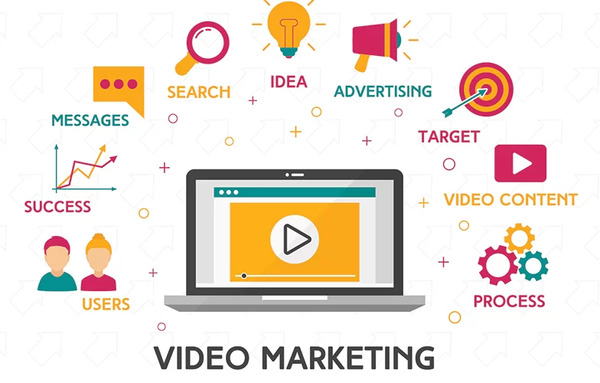
Strategic video marketing services go beyond just filming pretty pictures; they focus on aligning video content with specific business goals to drive measurable results. Instead of a “one-size-fits-all” approach, these services analyze your target audience and sales funnel to determine whether you need a high-energy brand awareness clip, a detailed product demo, or a persuasive customer testimonial.
At its core, a strategic approach involves:
- Data-Driven Planning: Identifying where your audience spends time and what problems they are trying to solve.
- Purposeful Production: Creating high-quality visuals that maintain brand consistency while delivering a clear call to action.
- Optimization & Distribution: Ensuring videos are formatted correctly for various platforms (like YouTube, LinkedIn, or Instagram) and tracking performance metrics to refine future campaigns.
By treating video as a measurable asset rather than a creative luxury, strategic services help businesses build deeper trust, increase conversion rates, and achieve a higher return on investment.
What Makes Video Marketing “Strategic”
Not all videos are created equal. Strategic video marketing means planning content with clear goals, target audiences, and measurable outcomes. It’s not just about creating videos, it’s about creating the right videos.
Key Components of a Video Marketing Strategy
A solid strategy includes:
- Clear business objectives
- Defined audience personas
- Content planning and scheduling
- Distribution channels
- Performance tracking
Without these elements, video marketing efforts can feel scattered and ineffective.
Benefits of Video Marketing for Small Businesses
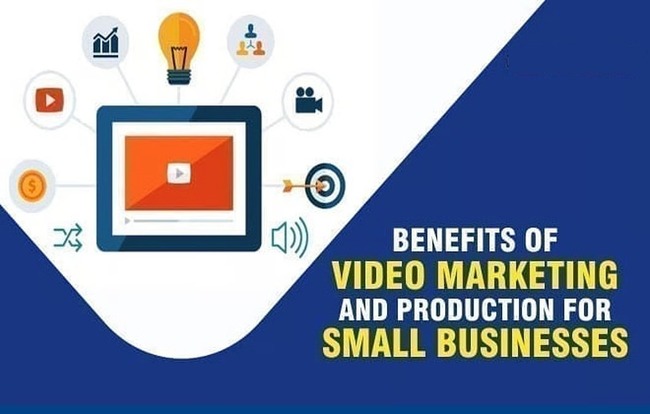
For small businesses, video marketing isn’t just a “nice-to-have” anymore, it’s often the most effective way to level the playing field against larger competitors. By humanizing a brand, video builds a level of trust and relatability that text and static images simply can’t match.
Here are the primary benefits for small business owners:
Massive Boost to Conversions and Sales
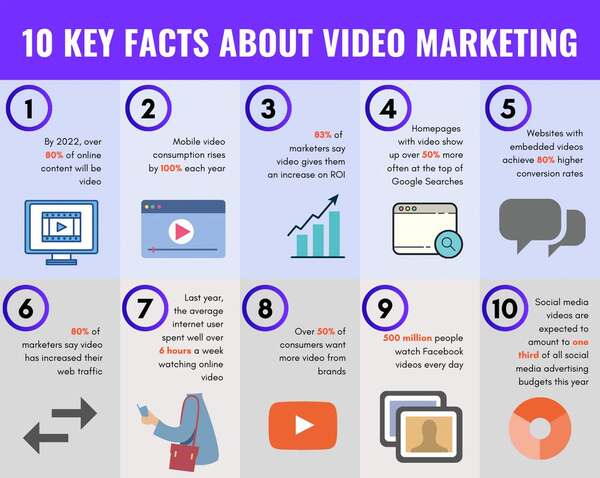
Adding a product video to a landing page can increase conversions by 80% or more. For a small business, where every lead counts, video helps move potential customers through the decision-making process faster by showing the product or service in action.
Improved Search Engine Rankings (SEO)
Search engines like Google love video content. You are significantly more likely to show up on the first page of search results if you have a video embedded on your website. Furthermore, YouTube is the second largest search engine in the world, providing a massive secondary discovery channel.
High ROI on a Limited Budget
With modern smartphone cameras and affordable editing software, small businesses can produce high-quality content without a Hollywood budget.
- Authenticity over Production: Small business audiences often prefer “behind-the-scenes” or raw, authentic content over overly polished commercials.
- Longevity: A well-made “How-To” or “About Us” video can remain relevant and generate leads for years.
Better Social Media Engagement
Social media algorithms (Instagram, TikTok, LinkedIn) heavily prioritize video. Video posts consistently generate more shares, comments, and likes than static posts, exponentially increasing your brand’s organic reach without needing a massive ad spend.
Clearer Communication
If you have a complex product or a unique service, an explainer video can distil your value proposition into 60 seconds of easy-to-digest information. This reduces “customer friction” and helps people understand exactly why they should choose you.
Increased Engagement and Reach
Videos are more likely to be shared than any other content type. This means your message can reach a wider audience without additional cost.
Higher Conversion Rates
Adding a video to your landing page can significantly increase conversions. Customers feel more confident when they see a product in action.
Stronger Brand Identity
Videos allow businesses to show personality, values, and authenticity. This helps build trust and long-term relationships with customers.
Types of Video Marketing Services
Video marketing has become one of the most powerful ways for businesses to connect with their audience. But not all videos serve the same purpose. Different types of video marketing services are designed to meet specific goals, whether it’s building awareness, generating leads, or driving conversions. Let’s explore the most common types in a more human, relatable way.
Explainer Videos
Explainer videos are like your brand’s friendly introduction. They break down complex ideas into simple, easy-to-understand visuals and storytelling. Whether you’re launching a new product or explaining how your service works, these videos help your audience quickly “get it” without feeling overwhelmed.
These videos explain your product or service in a simple and engaging way. They’re perfect for introducing your brand to new customers.
Social Media Videos
Short, engaging, and often creative, social media videos are designed to grab attention quickly. Whether it’s Instagram reels, YouTube shorts, or LinkedIn clips, these videos focus on storytelling in bite-sized formats that people actually enjoy watching and sharing.
Short, catchy videos designed for platforms like Instagram and Facebook help boost visibility and engagement.
Testimonial & Case Study Videos
Nothing builds credibility like hearing from real customers. Testimonial videos feature satisfied clients sharing their experiences, while case study videos go deeper into how your product or service solved a specific problem.
They add authenticity and make your brand more trustworthy. Customer reviews in video form build trust and credibility. They act as powerful social proof.
Product Demonstration Videos
These videos show how your product works, helping customers make informed decisions.
Brand Story Videos
Every business has a story, and brand videos bring that story to life. These videos highlight your journey, values, mission, and the people behind your brand. They help build an emotional connection, making your audience feel like they know you, not just your product.
Promotional & Ad Videos
When you want to make a strong impact quickly, promotional videos are the way to go. These are often used in digital ads and campaigns to highlight offers, launches, or events. They’re designed to be eye-catching, persuasive, and action-driven.
Corporate Videos
Corporate videos focus on the professional side of your business. They can include company overviews, internal communications, training videos, or investor presentations. While they may be more formal, they still benefit from good storytelling and clear messaging.
Educational & How-To Videos
These videos are all about helping your audience. Whether it’s tutorials, tips, or industry insights, educational videos position your brand as a knowledgeable and helpful resource. Over time, this builds authority and keeps people coming back for more.
How to Plan a Video Marketing Strategy for Small Businesses?
Creating a video marketing strategy isn’t just about shooting videos and posting them online. It’s about telling the right story to the right people at the right time. When done thoughtfully, video can become one of your most powerful tools for building trust, engagement, and conversions. Here’s a practical, human-friendly way to plan your strategy.
Define Your Goals
Start by asking: What do you want to achieve? Common goals include:
- Increasing brand awareness
- Driving website traffic
- Boosting sales
Identify Target Audience
Understanding your audience is key. Consider:
- Age group
- Interests
- Online behaviour
This helps you create content that resonates.
Choose the Right Platforms
Not every platform is suitable for every business. For example:
- Instagram for younger audiences
- YouTube for educational content
- LinkedIn for B2B marketing
Budgeting for Video Marketing
Cost-Effective Video Production Tips
You don’t need a huge budget to get started. Use smartphones, free editing tools, and natural lighting to create high-quality videos.
Outsourcing vs In-House Production
- In-house: More control, lower cost
- Outsourcing: Professional quality, saves time
Choose based on your budget and resources.
Tools and Software for Video Marketing
Video Editing Tools
Popular tools include:
- Adobe Premiere Pro
- Final Cut Pro
- Canva Video Editor
These tools help create polished, professional videos.
Analytics and Tracking Tools
Use tools like Google Analytics and YouTube Analytics to measure performance and improve your strategy.
Creating Engaging Video Content
Storytelling Techniques
A good story keeps viewers hooked. Use:
- Problem-solution format
- Emotional appeal
- Clear messaging
Scriptwriting Essentials
A well-written script ensures your message is clear and concise. Keep it simple and conversational.
Optimizing Videos for SEO
Creating a great video is only half the job, if people can’t find it, it won’t deliver results. That’s where video SEO comes in. Optimizing your videos ensures they show up in search results, reach the right audience, and generate meaningful engagement. Let’s break it down in a practical, human-friendly way.
Keyword Placement in Videos
Include keywords in:
- Titles
- Descriptions
- Tags
This helps your videos rank higher in search results.
Thumbnails and Titles
Eye-catching thumbnails and compelling titles increase click-through rates.
Video Distribution Strategies
Creating a high-quality video is a big achievement, but the real success comes when people actually see it. That’s where video distribution plays a crucial role. A smart distribution strategy ensures your content reaches the right audience, at the right time, on the right platforms. Let’s walk through how to do it in a practical and human way.
Social Media Platforms
Share videos across multiple platforms to maximize reach. Customize content for each platform.
Email Marketing Integration
Adding videos to emails can increase open and click rates significantly.
Measuring Video Marketing Success
Creating and sharing videos is exciting, but how do you know if your efforts are actually working? Measuring video marketing success is all about understanding what impact your content is making. It’s not just about views; it’s about whether your videos are helping you achieve real business goals. Let’s break it down in a simple, practical, and human way.
Key Performance Indicators (KPIs)
Track metrics such as:
- Views
- Engagement rate
- Conversion rate
Using Analytics to Improve
Analyze data regularly to understand what works and what doesn’t. Adjust your strategy accordingly.
Common Mistakes to Avoid During Video Marketing
While video is a powerhouse for growth, it’s easy to fall into traps that can waste your budget or fail to move the needle. Avoiding these common pitfalls will ensure your content actually works for your business.
Focusing on “Viral” Instead of Value
Many businesses set out to “go viral,” which is unpredictable and often attracts the wrong audience.
- The Fix: Focus on creating consistent, valuable content for your specific target market. A video seen by 100 potential customers is worth more than a video seen by 100,000 people who will never buy from you.
Skipping the First Three Seconds
On social media, you have about three seconds to hook a viewer before they scroll past. Starting with a slow logo animation or a long “Hello, my name is…” is a guaranteed way to lose your audience.
- The Fix: Start with a “hook”, a provocative question, a surprising fact, or a visual representation of the problem you solve.
Forgetting the “Silent Viewer”
Up to 80% of social media videos are watched without sound. If your video relies entirely on voiceover to get the point across, most people will miss your message.
- The Fix: Always include high-quality captions or on-screen text overlays so the story is clear even on mute.
Not Having a Clear Call to Action (CTA)
A beautiful video that leaves the viewer wondering “What now?” is a missed opportunity.
- The Fix: Every video needs one specific goal. Tell the viewer exactly what to do next: “Click the link in the bio,” “Download our guide,” or “Visit our store today.”
Over-Prioritizing Production Quality Over Substance
You don’t need a 4K cinema camera to be effective. Many businesses wait until they have “the right gear” and never start.
- The Fix: Authenticity often performs better than high-gloss production, especially for small businesses. Focus on good lighting and clear audio (which you can achieve with a smartphone) rather than expensive special effects.
Comparison of Common Pitfalls
| Mistake | Impact | Easy Solution |
| Too Long | High drop-off rates | Keep social clips under 60–90 seconds. |
| No Branding | Viewer forgets who made it | Add a subtle logo or brand colors. |
| One-Size-Fits-All | Looks “off” on different apps | Film vertically for TikTok/Reels; horizontal for YouTube. |
Poor Quality Content
Low-quality videos can harm your brand image. Always aim for clear visuals and audio.
Ignoring Audience Feedback
Feedback helps you improve. Listen to your audience and adapt your content.
Future Trends in Video Marketing for Small Businesses
As we move further into 2026, video marketing is shifting from a “broadcasting” tool to a highly personalized, interactive, and automated ecosystem. The focus has moved away from high-gloss production toward hyper-efficiency and raw authenticity.
Here are the key trends defining the future of video marketing:
AI-Assisted “Hyper-Personalization”
AI has moved from generating scripts to creating thousands of unique versions of a single video.
- Segmented Content: Instead of one ad for everyone, AI tools now automatically swap backgrounds, product colours, or even the language and spoken accents to match the specific viewer’s demographics or past behaviour.
- AI Avatars & Voice Cloning: Brands are using consistent “digital spokespeople” to deliver personalized messages at scale, allowing for video-based email marketing that addresses each customer by name.
Shoppable & Interactive Video
The “funnel” is shrinking as videos become direct points of sale.
- Click-to-Buy: Platforms like TikTok, Instagram, and even YouTube now feature integrated “shoppable tags” where viewers can click a product in a video and check out without leaving the app.
- Branching Narratives: Interactive “choose your own adventure” videos are becoming common for product demos, allowing viewers to click on-screen buttons to see the specific features they care about most.
Vertical-First & “Micro-Series”
With over 75% of video consumption occurring on mobile devices, the traditional 16:9 horizontal format is now the secondary choice.
- Silent Optimization: Since most mobile users watch on the go, videos are now designed to be “silent-first,” using heavy text overlays and stylized captions as a primary storytelling device rather than just a secondary feature.
- The 15-Second Hook: The “hook” period has shrunk. If a video doesn’t provide value or entertainment within the first 2 seconds, viewers swipe away.
Search Engine Video Optimization (VSEO)
Gen Z and Millennials are increasingly using TikTok and YouTube as their primary search engines instead of Google.
- Keyword-Rich Transcripts: To stay discoverable, businesses are optimizing video captions and metadata with specific long-tail keywords, treating a video description like a blog post to rank in social search results.
“Raw” Authenticity & UGC-Style
The “over-polished” corporate video is losing its impact.
- Human-Centric Content: Audiences in 2026 prioritize trust. Behind-the-scenes “day in the life” clips, unscripted employee spotlights, and User-Generated Content (UGC) often outperform professional commercials because they feel more honest and relatable.
Future Trend Comparison
| Trend | Primary Platform | Main Benefit |
| AI Personalization | Email / Web Ads | Massive boost in click-through rates. |
| Shoppable Video | TikTok / Instagram | Immediate conversion and ROI. |
| Micro-Series | YouTube Shorts / Reels | Higher brand recall through episodic viewing. |
| VSEO | TikTok / YouTube | Long-term organic traffic without ad spend. |
Short-Form Videos
Short videos are gaining popularity due to their quick and engaging nature.
AI and Personalization
AI tools can help create personalized video content, making marketing more effective.
FAQs on Strategic Video Marketing Services for Small Businesses
What are strategic video marketing services?
They involve planned and goal-oriented video content creation to achieve business objectives.
Why should small businesses use video marketing?
It increases engagement, builds trust, and improves conversion rates.
How much does video marketing cost?
Costs vary, but small businesses can start with minimal investment using basic tools.
Which platform is best for video marketing?
It depends on your audience, but YouTube and Instagram are popular choices.
How long should marketing videos be?
Short videos (30–90 seconds) work best for engagement.
Can I create videos without professional help?
Yes, many tools make it easy for beginners to create quality videos.
Conclusion
To succeed in today’s competitive market, small businesses must adapt to modern marketing trends. When you implement strategic video marketing services for small businesses, you create a powerful channel to connect with your audience, increase visibility, and drive growth.
Video marketing isn’t just a trend, it’s a necessity. By planning carefully, creating engaging content, and measuring performance, small businesses can achieve remarkable results without breaking the bank.