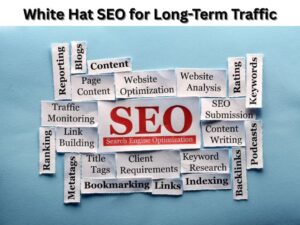
Search Engine Optimization (SEO) has evolved significantly over the last decade. While traditional SEO focused primarily on ranking websites on search engine result pages (SERPs), the rise of Artificial Intelligence (AI) in search has introduced a new opportunity for businesses and website owners. Search engines are now using AI-powered summaries, often referred to as AI Overviews, to provide users with quick, accurate, and comprehensive answers directly within search results.
As AI-generated search experiences become more common, businesses must adapt their SEO strategies to ensure their content is recognized, understood, and featured by AI systems. This is where On-Page SEO plays a crucial role. Properly optimized content helps search engines and AI models interpret your information accurately, increasing the chances of appearing in AI-generated summaries and featured results.
In this article, we’ll explore how on-page SEO can help boost AI Overview visibility, its key features, benefits, and best practices for success.
What is AI Overview?
AI Overview is an advanced search feature that uses artificial intelligence to generate summarized answers from multiple authoritative sources. Instead of showing only a list of web pages, AI systems provide users with direct insights, recommendations, and explanations.
For example, if someone searches for “best digital marketing strategies for small businesses,” an AI Overview may display a concise summary of effective strategies without requiring users to visit multiple websites. Being included in these AI-generated summaries can significantly increase your brand’s visibility, authority, and organic traffic.
Understanding On-Page SEO
On-page SEO is the process of optimizing individual web pages to improve their visibility in search engines and provide a better experience for visitors. It involves making strategic improvements to both the content and the HTML elements of a page so that search engines can easily understand what the page is about and rank it appropriately.
Key aspects of on-page SEO include using relevant keywords naturally throughout the content, creating engaging title tags and meta descriptions, optimizing headings, improving page loading speed, and ensuring the website is mobile-friendly. Internal linking, image optimization, and well-structured URLs also play an important role in helping search engines crawl and index pages effectively.
However, on-page SEO is not just about search engines, it’s also about people. High-quality, informative, and easy-to-read content keeps visitors engaged and encourages them to spend more time on your website. When users find value in your content, search engines are more likely to view your page as relevant and trustworthy.
By focusing on both technical optimization and user experience, on-page SEO helps websites attract more organic traffic, improve search rankings, and create meaningful interactions with their audience. On-Page SEO refers to all optimization activities performed directly on your website to improve search engine visibility and user experience.
It includes:
- Optimizing title tags
- Creating high-quality content
- Using proper headings
- Improving internal linking
- Enhancing page speed
- Optimizing images
- Implementing structured data
- Improving readability
- Using relevant keywords naturally
These factors help search engines understand your content while providing valuable information to visitors.
Why On-Page SEO Matters for AI Overviews?
AI-powered search systems analyze content differently than traditional search algorithms. They focus on context, relevance, authority, and user intent rather than simply matching keywords.
Well-optimized pages provide clear signals that AI systems can easily interpret and trust. As a result, content with strong on-page SEO has a better chance of being selected for AI-generated summaries. When your content aligns with user intent and demonstrates expertise, AI engines are more likely to reference it when generating answers.
Key Features of On-Page SEO That Support AI Overviews
As search engines increasingly use artificial intelligence to generate quick answers and summaries, optimizing content for AI Overviews has become an important part of modern SEO. AI systems look for clear, reliable, and well-structured information that can be easily understood and presented to users. Several on-page SEO features can help improve the chances of your content being recognized and used in AI-generated results.
To support AI Overviews, on-page SEO should focus on clarity, relevance, authority, and user value. By creating well-structured content, answering user questions effectively, and maintaining technical optimization, websites can improve their chances of being featured in AI-generated search experiences while delivering a better experience for their audience.
1. High-Quality, User-Focused Content
Content remains the foundation of SEO success. AI systems prioritize content that:
- Answers user questions directly
- Provides valuable insights
- Demonstrates expertise
- Covers topics comprehensively
- Uses clear language
Rather than writing solely for search engines, focus on creating content that genuinely helps readers solve problems.
Example:
Instead of writing:
“SEO services improve rankings.”
Write:
“SEO services improve search visibility by optimizing website content, technical performance, and user experience, helping businesses attract more qualified traffic.”
The second example provides context and meaningful information that AI systems can understand and summarize.
2. Proper Heading Structure
Headings help organize information and improve content readability.
Use:
- H1 for page title
- H2 for main sections
- H3 for subtopics
- H4 for detailed points
A well-structured hierarchy allows AI systems to identify key concepts quickly.
Benefits of On-Page SEO
On-page SEO plays a crucial role in helping websites achieve better visibility, attract qualified traffic, and deliver a positive user experience. By optimizing individual web pages, businesses can improve their search engine rankings while making their content more valuable and accessible to visitors. Here are some of the key benefits of on-page SEO:
Improved Search Engine Rankings
One of the primary advantages of on-page SEO is better visibility in search engine results. Optimized content, relevant keywords, proper heading structures, and well-crafted meta tags help search engines understand your pages, increasing the likelihood of ranking for relevant searches.
Increased Organic Traffic
Higher rankings often lead to more clicks and website visits. When your pages appear prominently in search results, you can attract users who are actively searching for information, products, or services related to your business.
Better User Experience
On-page SEO goes beyond search engines by improving the overall experience for visitors. Fast-loading pages, mobile-friendly designs, clear navigation, and easy-to-read content help users find what they need quickly and efficiently.
Higher Engagement and Lower Bounce Rates
Well-structured and informative content encourages visitors to spend more time on your website. When users can easily navigate your pages and find relevant information, they are more likely to explore additional content rather than leaving immediately.
Enhanced Content Relevance
On-page optimization helps align your content with user intent. By understanding what your audience is searching for and addressing their needs directly, you can create content that is more useful, relevant, and engaging.
Greater Visibility in AI-Powered Search Results
As search engines increasingly rely on artificial intelligence to generate summaries and direct answers, well-optimized content has a better chance of being recognized and featured in AI Overviews and other advanced search features.
Increased Website Credibility
High-quality content, accurate information, and a professional website structure contribute to building trust with both users and search engines. This credibility can strengthen your online reputation and encourage repeat visits.
Improved Conversion Opportunities
Effective on-page SEO helps attract visitors who are genuinely interested in your offerings. By providing valuable information and a seamless user experience, you can increase the chances of turning website visitors into leads, subscribers, or customers.
Better Internal Navigation
Strategic internal linking helps users discover related content and allows search engines to crawl your website more efficiently. This improves the overall structure and accessibility of your site.
Long-Term Marketing Value
Unlike paid advertising, the benefits of on-page SEO can continue long after the initial optimization efforts. Well-optimized pages can generate consistent organic traffic over time, providing sustainable growth and a strong return on investment.
On-page SEO is an essential component of any successful digital marketing strategy. It helps improve search visibility, attract relevant traffic, enhance user experience, and support long-term business growth.
By investing in on-page optimization, websites can create a stronger online presence and deliver greater value to their audience. This format makes content easier for both readers and AI models to process.
3. Semantic Keyword Optimization
Modern AI search engines understand context rather than relying only on exact-match keywords. Include:
- Primary keywords
- Related terms
- Synonyms
- Industry-specific language
For example, if your target keyword is:
“On-Page SEO”
Also include:
- Website optimization
- Content optimization
- Search visibility
- User experience
- Search rankings
This helps AI understand the complete topic.
4. Structured Data Implementation
Structured data helps search engines interpret website content more effectively. Schema markup provides detailed information about:
- Articles
- FAQs
- Products
- Services
- Reviews
- Organizations
When implemented correctly, structured data increases the likelihood of content appearing in rich results and AI-generated responses.
5. Internal Linking Strategy
Internal links create relationships between pages and help search engines understand website structure. Benefits include:
- Better crawlability
- Improved content discovery
- Enhanced topic authority
- Increased user engagement
Linking related articles creates a strong topical network that AI systems can easily follow.
6. Mobile-Friendly Design
With mobile searches dominating online activity, responsive design is essential.
AI search systems prioritize websites that:
- Load quickly
- Display correctly on mobile devices
- Provide smooth navigation
- Offer excellent user experiences
Mobile optimization directly contributes to higher visibility and better AI recognition.
7. Fast Page Speed
Page speed impacts both rankings and user satisfaction. Slow-loading websites often experience:
- Higher bounce rates
- Lower engagement
- Reduced search visibility
Improving page speed through image compression, caching, and optimized coding enhances overall performance and supports AI indexing.
8. FAQ Sections
Frequently Asked Questions are highly effective for AI Overviews.
Why?
Because AI systems often search for direct answers to common questions.
Example:
What is On-Page SEO?
On-Page SEO is the process of optimizing website elements such as content, titles, headings, and internal links to improve search engine visibility. Simple, concise answers increase the chances of being selected by AI-generated summaries.
Benefits of On-Page SEO for AI Overview Visibility
Increased Brand Authority
When AI systems reference your content, users view your website as a trusted source of information. This strengthens brand credibility and industry reputation.
Higher Organic Traffic
Although AI Overviews provide summaries, users often click cited sources for additional details. Appearing in AI-generated responses can drive highly targeted traffic to your website.
Better User Experience
On-page optimization improves website usability through:
- Clear navigation
- Relevant content
- Fast loading times
- Mobile responsiveness
Satisfied users are more likely to stay longer and engage with your content.
Improved Search Visibility
Strong on-page SEO helps content appear across multiple search features, including:
- AI Overviews
- Featured snippets
- People Also Ask sections
- Organic rankings
This increases overall search presence.
Enhanced Content Discoverability
Optimized content is easier for search engines and AI systems to understand, categorize, and recommend. This expands your reach to a wider audience.
Competitive Advantage
Many businesses still focus only on traditional SEO techniques. By optimizing specifically for AI-driven search experiences, you gain an advantage over competitors who have not yet adapted.
Best Practices for Optimizing Content for AI Overviews
Write for User Intent
Understand what users are searching for and provide complete answers. Ask:
- What problem are they trying to solve?
- What information do they need?
- What questions might they ask next?
Address these points naturally within your content.
Demonstrate Experience and Expertise
AI systems increasingly prioritize trustworthy content. Show expertise by:
- Including real-world examples
- Sharing industry insights
- Providing accurate statistics
- Citing authoritative sources
Content backed by experience is more likely to be featured.
Create Comprehensive Content
Rather than publishing thin articles, develop detailed resources that cover topics thoroughly. Comprehensive content helps AI systems extract valuable information from a single source.
Use Conversational Language
AI search experiences are designed to answer natural language queries. Write as if you’re speaking directly to the reader. For example:
Instead of:
“SEO implementation yields superior ranking performance.”
Use:
“SEO helps your website rank higher and attract more potential customers.”
Human-friendly language improves readability and AI interpretation.
Optimize Meta Tags
Meta titles and descriptions remain important. Create titles that:
- Clearly describe the content
- Include target keywords
- Encourage clicks
Example:
“On-Page SEO for AI Overviews: Strategies to Increase Search Visibility”
Include Lists and Bullet Points
AI systems often extract information from organized content. Use:
- Numbered lists
- Bullet points
- Tables
- Step-by-step guides
These formats improve readability and content extraction.
Regularly Update Content
AI systems prefer current and relevant information. Review content regularly to:
- Update statistics
- Add new insights
- Remove outdated information
- Improve accuracy
Fresh content signals ongoing relevance.
Common Mistakes to Avoid
Keyword Stuffing
Overusing keywords reduces content quality and can negatively impact rankings. Focus on natural language instead.
Thin Content
Short articles with little value are unlikely to be selected by AI systems. Aim for comprehensive, informative content.
Ignoring User Experience
Even excellent content may underperform if users struggle to navigate the website. Prioritize usability and accessibility.
Poor Content Structure
Large blocks of text can make content difficult for both readers and AI systems to understand. Use headings, paragraphs, and lists effectively.
The Future of AI Overview Optimization
AI-powered search is rapidly transforming how users discover information online. Search engines are becoming more focused on understanding meaning, context, and expertise rather than simply matching keywords.
As AI continues to evolve, businesses that invest in quality content and strong on-page SEO will be better positioned to gain visibility, authority, and traffic. Future optimization strategies will likely emphasize:
- Topical authority
- Content accuracy
- User engagement
- Structured information
- Conversational search optimization
Organizations that adapt early will benefit the most from these emerging opportunities.
Conclusion
On-Page SEO is no longer just about improving traditional search rankings. It has become a critical strategy for gaining visibility within AI-generated search experiences and AI Overviews. By creating high-quality content, organizing information effectively, optimizing technical elements, and focusing on user intent, businesses can significantly improve their chances of being featured in AI-generated summaries.
The benefits extend beyond visibility. Strong on-page SEO enhances user experience, builds brand authority, increases organic traffic, and creates long-term digital growth opportunities.
As AI-powered search continues to shape the future of online discovery, investing in effective on-page SEO is one of the smartest decisions businesses can make to remain competitive and relevant in the digital landscape.