
In today’s competitive market, standing out isn’t optional, it’s essential. That’s exactly why professional graphic design helps building brand identity in ways that go far beyond pretty visuals. A strong brand identity creates recognition, builds trust, and tells your story without saying a word.
Think about some of the most successful brands in the world. You can recognize them instantly from a logo, a color scheme, or even a font style. That’s no accident. It’s the result of strategic, professional graphic design.
In this comprehensive guide, we’ll explore how professional graphic design helps building brand identity and why investing in professional design is one of the smartest decisions a business can make.
What Is Brand Identity?
Before we dive deeper, let’s clarify what brand identity really means. Brand identity encompasses all aspects a company develops to present an accurate representation to its audience. It is the visual and sensory embodiment of a brand, including features like its logo, color scheme, typography, and tone that set it apart from competitors in the customer’s perception.
More than just visual appeal, an effective brand identity conveys a company’s fundamental values and character, building trust and familiarity. When applied consistently across various platforms, it elevates a business from simply offering products or services to becoming a relatable and unforgettable brand.
Key Components of Brand Identity:
-
Visual Assets: Logos, iconography, and photography styles.
-
Brand Voice: The tone and language used in communication (e.g., professional, witty, or minimalist).
-
Brand Values: The underlying mission and ethics that drive the company’s decisions.
Brand identity is the collection of visual and emotional elements that represent your business. It includes:
- Logo
- Color palette
- Typography
- Imagery style
- Packaging design
- Website layout
- Social media visuals
But here’s the key: brand identity isn’t just about design—it’s about perception. It’s how customers feel when they interact with your business.
Why Does Professional Graphic Design Matter To Build Brand Indentity?
Professional graphic design is the visual engine that drives brand identity. While a brand is defined by its values and mission, graphic design is what makes those intangible concepts visible, credible, and memorable to the public.
Here is why professional design is a non-negotiable asset for building a strong identity:
1. First Impressions and Instant Credibility
Before a customer reads your “About Us” page, they see your logo and website. High-quality design signals professionalism and competence. Conversely, poor design can create a “trust gap,” making a business appear amateurish or unreliable, regardless of the actual quality of its services.
2. Strategic Communication of Values
Designers use color theory, typography, and layout to evoke specific psychological responses. A professional knows that a bold, sans-serif font might communicate innovation, while a serif font suggests heritage and stability. Professional design ensures that your visuals are aligned with your brand’s personality rather than just looking “nice.”
3. Consistency and Recognition
A brand identity only works if it is recognizable across every touchpoint—from social media avatars to physical packaging. Professional designers create Brand Style Guides that ensure consistency. This repetition builds “brand equity,” ensuring that when a customer sees a specific shade of blue or a certain layout, they immediately associate it with your company.
4. Differentiation in a Crowded Market
In any industry, dozens of companies likely offer similar products. Professional design helps a brand stand out by identifying a unique visual “white space” that competitors aren’t using. It highlights your unique selling proposition (USP) through visual storytelling.
Key Visual Elements of Identity
| Element | Purpose |
| Color Palette | Triggers emotional responses (e.g., Red for energy, Blue for trust). |
| Typography | Sets the “voice” of the written word (e.g., Playful vs. Formal). |
| Hierarchy | Directs the viewer’s eye to the most important information first. |
| Imagery Style | Ensures photography and icons feel like they belong to the same family. |
Anyone can create a logo using a free online tool. But professional graphic design is different. It combines strategy, psychology, creativity, and technical expertise.
Professional designers understand:
- Visual hierarchy
- Color psychology
- Typography principles
- Branding consistency
- Target audience behavior
And that’s exactly why professionally graphic design helps building brand identity in a meaningful and lasting way.
1. Creates a Strong First Impression

First impressions happen in seconds. When someone visits your website or sees your packaging, they instantly form an opinion.
Professional graphic design ensures:
- Clean layouts
- Balanced color schemes
- Clear messaging
- Modern visual appeal
A polished design communicates professionalism, credibility, and reliability. On the other hand, poor design can make even a great product seem untrustworthy. You only get one chance to make a first impression, why risk it?
2. Builds Brand Recognition and Consistency

Consider brands like:
- Coca-Cola
- Apple
- Nike
- McDonald’s
You recognize them instantly. Why? Because their branding is consistent everywhere—on packaging, websites, advertisements, and social media.
Professional graphic design establishes:
- A defined color palette
- Standard typography
- Logo usage rules
- Visual style guidelines
This consistency builds familiarity. And familiarity builds trust. According to research published by Forbes, consistent brand presentation across platforms increases revenue and strengthens customer loyalty.
3. Communicates Brand Personality
Every brand has a personality. Are you bold and energetic? Calm and sophisticated? Friendly and playful?
Graphic design communicates that personality through:
- Color choices
- Font styles
- Image selection
- Layout structure
For example:
- Bright colors and rounded fonts feel fun and youthful.
- Neutral tones and serif fonts feel elegant and trustworthy.
- Minimalist layouts feel modern and innovative.
When design aligns with your brand values, customers feel emotionally connected. And emotional connection leads to long-term loyalty.
4. Differentiates You from Competitors
In crowded markets, blending in is dangerous. Professionally crafted graphic design helps you stand out.
It allows you to:
- Develop a unique visual identity
- Avoid generic templates
- Highlight your unique selling points
- Create memorable branding elements
When customers can easily distinguish your brand from competitors, they’re more likely to remember you. And in marketing, memory equals money.
5. Strengthens Trust and Credibility
Let’s be honest. People judge businesses by appearance. A poorly designed website or inconsistent branding may raise doubts:
- Is this company legitimate?
- Are they professional?
- Can I trust them with my money?
Professional graphic design eliminates those doubts. It signals that your business is serious, established, and customer-focused. Trust is the foundation of brand identity and design plays a major role in building it.
6. Enhances Marketing and Advertising Efforts
Marketing campaigns rely heavily on visual communication. Professionally designed graphics improve:
- Social media posts
- Email marketing templates
- Print advertisements
- Product packaging
- Website landing pages
Strong visuals increase engagement, clicks, and conversions. According to marketing studies, people process visuals 60,000 times faster than text. When your branding is cohesive and visually appealing, your marketing becomes more powerful and persuasive.
7. Creates Emotional Connections
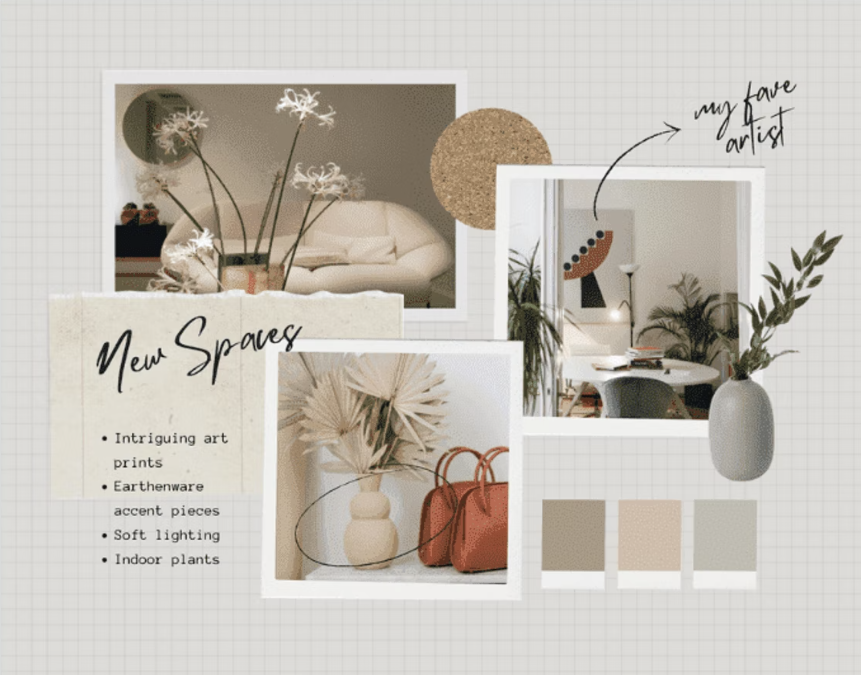
Humans are emotional decision-makers. Professionally graphic design helps building brand identity by tapping into those emotions through:
- Color psychology
- Visual storytelling
- Symbolism
- Imagery
For example:
- Blue often conveys trust and security.
- Green suggests growth and sustainability.
- Red creates excitement and urgency.
When design evokes the right feelings, customers connect with your brand on a deeper level.
Key Elements of Professional Brand Design
Here’s a quick breakdown of essential components:
| Element | Purpose |
|---|---|
| Logo | Visual symbol of your brand |
| Color Palette | Emotional tone and recognition |
| Typography | Brand voice expression |
| Imagery Style | Visual storytelling |
| Brand Guidelines | Ensures consistency |
Each element works together to form a cohesive identity.
Common Mistakes to Avoid While Applying Graphics for Brands
Applying graphics to a brand is a balancing act between creativity and strategy. Even with a beautiful logo, poor implementation can dilute your message and confuse your audience.
Here are the most common pitfalls to avoid to ensure your brand remains cohesive and professional:
1. Lack of Visual Consistency
The most frequent mistake is using different fonts, colors, or filter styles across various platforms. If your Instagram looks “neon and edgy” while your website looks “soft and corporate,” customers will struggle to recognize you.
-
The Fix: Stick strictly to a Brand Style Guide that defines exactly which HEX codes and font weights to use.
2. Overcomplicating the Design
Adding too many elements—shadows, gradients, or complex illustrations—can make graphics look cluttered and hard to read, especially on mobile devices.
-
The Fix: Embrace white space. A clean, simple layout usually communicates a message more effectively than a busy one.
3. Ignoring Scalability and Context
A detailed graphic might look stunning on a 27-inch monitor but become an unreadable blur as a profile picture on a smartphone.
-
The Fix: Always test your graphics at various sizes. Ensure your logo is legible when shrunk down to the size of a postage stamp.
4. Poor Color Contrast and Typography
Using light gray text on a white background or placing text over a “busy” photo makes your content inaccessible and frustrating to read. Similarly, using too many different fonts (more than 2 or 3) creates visual chaos.
-
The Fix: Use high-contrast pairings and limit your font selection to one for headings and one for body text.
Graphic Implementation Checklist
| Mistake | Consequence | Better Approach |
| Stretched Images | Looks amateur and “cheap.” | Always hold Shift to maintain aspect ratio. |
| Generic Stock Art | Blends in with competitors. | Customize stock assets or use original photography. |
| Wrong File Types | Pixelated or blurry visuals. | Use SVG for logos and PNG/WebP for web images. |
| Trend Hopping | Brand feels dated quickly. | Prioritize timeless design over “flavor of the month” trends. |
Even strong businesses can weaken their brand identity by making these mistakes:
- Using inconsistent colors
- Frequently changing logos
- Mixing too many fonts
- Copying competitor designs
- Ignoring mobile-friendly design
Professional graphic designers help avoid these pitfalls by creating structured brand guidelines.
How to Get Started with Professional Graphic Design To Establish Brand Identity
Getting started with professional graphic design is less about picking the “prettiest” colors and more about building a visual language that speaks for your business when you aren’t in the room.
Since you are focusing on high-level branding and digital marketing services, here is a strategic roadmap to establish a professional identity:
1. Define the Brand Core (The Brief)
Before opening any design software, you must define the “soul” of the brand. Professional designers always start with a Creative Brief.
-
Target Audience: Who are you talking to? (e.g., tech startups, local retailers, or luxury real estate).
-
Brand Personality: If the brand were a person, would it be a “trusted mentor” or a “bold disruptor”?
-
Value Proposition: What is the one thing this brand does better than anyone else?
2. Develop the Core Visual Pillars
Once the strategy is set, focus on the “Big Three” elements that form the foundation of your identity:
-
The Logo System: Create a primary logo, a simplified “icon-only” version for social media, and a horizontal version for website headers.
-
The Color Palette: Choose one primary brand color, two secondary colors, and a neutral (white/gray/black) for background use.
-
Typography Pairings: Select a Heading font (full of personality) and a Body font (optimized for readability).
3. Create a Brand Style Guide
This is the most critical step for professional-grade results. A Style Guide is a “rulebook” that ensures anyone—whether a freelancer or an internal team member—applies the graphics correctly.
-
Clear Space: Define how much “breathing room” the logo needs.
-
Color Codes: List your HEX (web), RGB (digital), and CMYK (print) codes.
-
Logo No-Gos: Show examples of how not to use the logo (e.g., stretching it or changing the colors).
4. Build Out Touchpoints
Apply your design system to the most high-impact areas first:
-
Digital Assets: Social media templates (Instagram/LinkedIn), email signatures, and website favicon.
-
Collateral: Business cards, pitch deck templates, and letterheads.
-
Marketing Material: Lead magnets, brochures, or white papers.
Tools to Get the Job Done
| Skill Level | Recommended Tools | Best For |
| Professional | Adobe Illustrator, Photoshop, Figma | Custom logos, complex layouts, and UI design. |
| Intermediate | Affinity Designer, Canva (Pro) | Social media templates and quick marketing assets. |
| Collaborative | Miro, Pinterest, Behance | Mood boarding and visual inspiration. |
Next Steps for Your Business
Since you are currently refining service offerings for a branding and digital marketing agency, consistency is your best sales tool. Clients will judge your ability to brand them based on how well you’ve branded yourself.
If you’re ready to strengthen your brand identity, follow these steps:
- Define your brand values and mission.
- Identify your target audience.
- Research competitors.
- Hire a professional designer or agency.
- Develop brand guidelines.
- Apply design consistently across platforms.
Investing in professional design may seem costly at first, but it pays off long term through brand recognition and customer loyalty.
Frequently Asked Questions (FAQs)
1. Why does professional graphic design matter for small businesses?
Small businesses need credibility. Professional design builds trust and helps them compete with larger brands.
2. How often should a company update its brand design?
Major rebranding should happen only when necessary. Minor updates can be done every 5–10 years to stay modern.
3. Is logo design enough for brand identity?
No. A logo is just one part. Complete brand identity includes colors, typography, imagery, and guidelines.
4. Can I create brand identity myself?
While DIY tools exist, professional designers bring strategic expertise that ensures long-term effectiveness.
5. How long does it take to build a strong brand identity?
It varies, but a comprehensive brand identity process can take several weeks to months.
6. Does professional design really increase revenue?
Yes. Strong branding improves recognition, trust, and customer loyalty, all of which impact sales positively.
In Conclusion :
In a competitive landscape filled with constant digital distractions, having a strong brand is crucial. At the core of effective branding is design. Professional graphic design plays a key role in establishing brand identity by fostering consistency, trust, emotional bonds, and recognition.
It elevates a business from being “just another company” to a memorable brand. If you wish for your business to expand, differentiate itself, and cultivate enduring relationships with customers, investing in professional graphic design is essential—not a mere luxury. Your brand merits more than average design; it requires strategic thinking, creativity, and professional knowledge.