

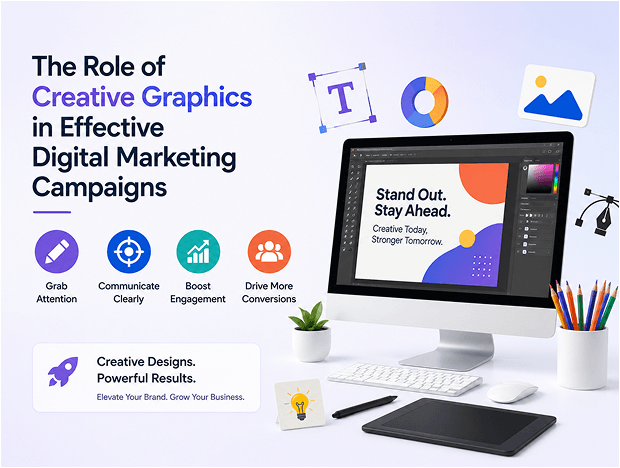
Digital marketing today feels like a crowded marketplace where every brand is shouting for attention at the same time. In that noisy environment, creative graphics work like bright neon signs on a dark street. They grab attention instantly, communicate emotions faster than words, and make brands memorable in a matter of seconds. Whether it is a social media advertisement, website banner, infographic, email campaign, or video thumbnail, visuals now play a central role in influencing customer behavior.
Recent studies show that posts with visuals receive significantly higher engagement than text-only content, while video and graphic-rich campaigns continue to dominate customer attention across platforms. Articles with images reportedly gain 94% more views, and social media visuals generate dramatically more shares and interactions than plain-text posts. Businesses are increasingly investing in visual storytelling because customers are processing information faster than ever and making decisions within seconds.
Creative Graphics in Digital Marketing
What Are Creative Graphics?
Creative graphics are visual elements specifically designed to communicate messages, attract attention, and influence customer behavior in digital spaces. These visuals can include banners, social media posts, illustrations, infographics, GIFs, animations, videos, icons, presentations, and interactive media. Think about the last time you stopped scrolling on Instagram or clicked on a YouTube thumbnail. Chances are, the visual design pulled you in before the text even had a chance.
In digital marketing, graphics are not simply decorative pieces added for beauty. They serve a strategic purpose. A well-designed visual acts like a salesperson who communicates quickly, confidently, and persuasively. Brands use graphics to explain products, simplify information, showcase offers, and emotionally connect with audiences. This is particularly important because modern consumers have extremely short attention spans and often decide within seconds whether content is worth their time.
Creative graphics also support brand consistency. When a company consistently uses similar colors, typography, and design elements, audiences begin recognizing the brand instantly. Imagine seeing the red-and-white theme of Coca-Cola or the minimalist visuals of Apple. Those graphics are part of a larger psychological branding strategy that shapes consumer perception over time.
Businesses today are increasingly investing in graphic design because visual-first content performs significantly better online. Reports suggest that visual content can improve engagement, boost shares, and increase click-through rates substantially compared to plain-text marketing materials. This proves that graphics are no longer optional in digital campaigns. They are essential assets that directly influence visibility and customer interaction.
Why Visual Communication Matters?
Humans are naturally visual creatures. Our brains process images much faster than text, which explains why visual communication dominates digital marketing today. When customers browse social media or websites, they often scan visuals before reading headlines or descriptions. That means the first impression is almost always visual.
Visual communication works because it simplifies complex ideas. A single infographic can explain data that would otherwise require several paragraphs. A creative advertisement can tell a story within seconds. In a digital world overflowing with information, simplicity becomes powerful. Graphics reduce cognitive effort and help consumers absorb messages more efficiently.
Visuals also trigger emotions. Colors, shapes, images, and typography influence how people feel about brands. Warm colors may create excitement, while minimalistic designs can communicate luxury and sophistication. This emotional impact is what makes creative graphics such an important marketing tool. They transform ordinary promotions into memorable brand experiences.
Statistics strongly support the power of visuals in communication. Studies indicate that consumers engage far more with visual content, and posts containing images generate significantly higher interaction levels compared to text-only posts. This explains why platforms like Instagram, TikTok, Pinterest, and YouTube continue dominating digital marketing trends.
Evolution of Visual Content in Online Marketing
From Traditional Ads to Digital Experiences
Marketing visuals have evolved dramatically over the years. Earlier advertising relied heavily on newspapers, posters, magazines, and television commercials. These formats were mostly static and offered limited audience interaction. Digital marketing changed the game completely by introducing dynamic, personalized, and interactive visuals.
Today’s customers expect immersive digital experiences rather than plain advertisements. Brands now use animations, short-form videos, carousel posts, interactive infographics, and augmented reality experiences to engage audiences. Instead of merely viewing advertisements, customers interact with them. This shift has transformed graphics from simple design elements into strategic engagement tools.
The rise of social media accelerated this transformation. Platforms like Instagram and TikTok prioritize visually engaging content because visuals keep users scrolling longer. Businesses quickly realized that strong graphics directly impact reach, impressions, and conversions. As a result, companies began allocating larger budgets toward professional graphic design and creative production.
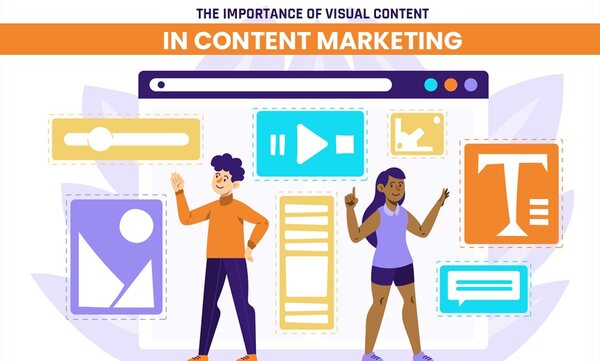
The evolution also reflects changing consumer behavior. Modern audiences prefer content that is quick, engaging, and emotionally relatable. Long text-heavy advertisements struggle to capture attention, whereas visually driven campaigns thrive. Digital marketing today is less about shouting louder and more about creating visually meaningful experiences that resonate with users.
Rise of AI and Interactive Design
Artificial intelligence is reshaping graphic design in fascinating ways. AI-powered tools now help marketers create visual content faster, personalize advertisements, and analyze audience preferences. Businesses can generate multiple design variations within minutes, test them across platforms, and optimize campaigns based on performance data.
AI-assisted design has significantly improved efficiency, especially for small businesses with limited budgets. Companies can now create high-quality visuals without maintaining large in-house creative teams. Reports show growing demand for AI-generated visual content and video production because brands need faster, scalable creative solutions.
Despite the rise of automation, audiences still crave authenticity. Recent design trends highlight a growing preference for human-centered visuals featuring textures, imperfections, emotional storytelling, and handcrafted aesthetics. Consumers increasingly reject generic AI-generated designs that feel robotic or repetitive. They want visuals that feel real, relatable, and emotionally genuine.
Interactive design is another emerging trend transforming digital campaigns. Interactive quizzes, clickable infographics, augmented reality filters, and immersive web experiences encourage active participation rather than passive viewing.
This engagement creates stronger emotional connections and improves customer retention. Marketing is no longer about simply displaying information; it is about inviting audiences into an experience.
Importance of Creative Graphics in Brand Identity
Building Brand Recognition
Brand recognition is one of the strongest advantages creative graphics provide. When people repeatedly encounter consistent visuals associated with a brand, they begin remembering that business automatically. Colors, fonts, logos, and graphic styles become visual shortcuts for customer memory.
Think of branding like a person’s personality. Just as people remember someone’s voice or fashion style, customers remember a brand’s visual identity. Consistency across websites, advertisements, packaging, and social media builds familiarity and trust. A recognizable visual identity makes a business appear professional, reliable, and established.
Creative graphics also help brands stand out in competitive markets. Digital spaces are crowded with similar products and services, which makes differentiation difficult. Strong visuals create uniqueness and give businesses a distinctive personality. This is especially important for startups and small businesses trying to compete with larger companies.
Modern consumers often judge brands within seconds based on visual presentation alone. Poorly designed graphics can damage credibility, while polished visuals instantly create confidence. Research shows that a large percentage of consumers notice visual design before any other brand element. This demonstrates how strongly graphics influence first impressions and customer trust.
Creating Emotional Connections
People rarely buy products based on logic alone. Emotions heavily influence purchasing decisions, and creative graphics are powerful emotional triggers. A compelling image, emotional video, or inspiring design can instantly create feelings of excitement, trust, nostalgia, or happiness.
Visual storytelling plays a massive role here. Instead of merely promoting features, brands now focus on telling relatable stories through graphics and videos. Customers connect more deeply with brands that reflect their aspirations, values, and lifestyles. This emotional resonance improves loyalty and long-term customer relationships.
Human-centered visuals are becoming increasingly important in modern marketing trends. Audiences prefer authentic content featuring real people, relatable moments, and imperfect aesthetics rather than overly polished corporate visuals. This shift reflects a broader demand for genuine communication in the digital world.
Creative graphics essentially act like emotional bridges between brands and consumers. They transform ordinary marketing campaigns into experiences people remember and emotionally connect with. That emotional impact often determines whether customers engage, share, or make purchasing decisions.
How Graphics Influence Consumer Psychology
Impact of Colors and Typography
Colors influence emotions more than most people realize. Blue often communicates trust and professionalism, red creates urgency and excitement, and green symbolizes growth or sustainability. Marketers strategically choose colors based on the emotional response they want audiences to experience.
Typography also plays a psychological role. Elegant serif fonts may communicate luxury, while bold sans-serif fonts create a modern and approachable feel. Typography affects readability, mood, and brand perception simultaneously. Even spacing, alignment, and font weight contribute to how audiences interpret messages.
Here’s a simple comparison of common color psychology in digital marketing:
| Color | Emotional Association | Common Brand Usage |
|---|---|---|
| Blue | Trust, security, calmness | Finance, technology |
| Red | Urgency, passion, excitement | Food, retail sales |
| Green | Growth, health, sustainability | Eco-friendly brands |
| Yellow | Optimism, energy, warmth | Entertainment |
| Black | Luxury, sophistication | Premium brands |
Marketers carefully combine colors and typography to influence consumer behavior subtly. Great design feels natural to audiences, but behind the scenes, it is often deeply strategic and psychologically driven.
Visual Storytelling and Human Attention
Storytelling is one of the oldest forms of communication, and visuals amplify its effectiveness dramatically. Instead of reading long descriptions, audiences can instantly understand stories through images, videos, and graphics. A single visual sequence can communicate transformation, emotion, and value more effectively than paragraphs of text.
Human attention spans continue shrinking in the digital age. People scroll rapidly through content feeds, making quick decisions about what deserves their attention. Creative graphics function like visual hooks that stop scrolling behavior and encourage engagement.
Platforms such as Instagram Reels, TikTok, and YouTube Shorts thrive because visual storytelling captures attention quickly. Experts suggest that short-form visual content currently delivers some of the highest ROI in digital marketing campaigns. This explains why businesses increasingly prioritize video creatives and motion graphics in their strategies.
Role of Graphics Across Digital Marketing Channels
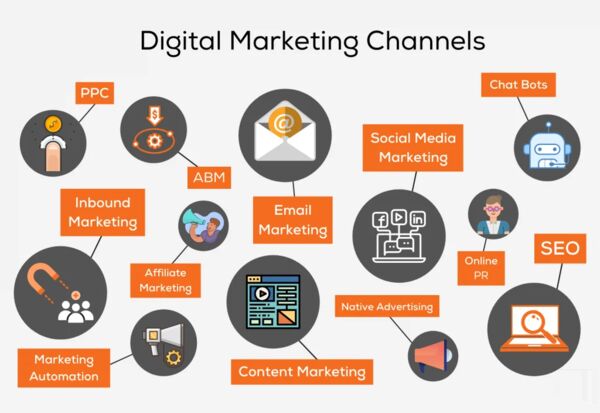
Social Media Marketing
Social media platforms are highly visual environments where graphics directly influence engagement levels. Attractive posts generate more likes, comments, shares, and saves. Without strong visuals, content often disappears into crowded feeds unnoticed.
Creative graphics on social media help brands communicate personality, maintain consistency, and encourage interaction. Eye-catching carousels, animated posts, branded templates, and video snippets improve visibility while reinforcing brand identity.
Short-form videos and visual storytelling dominate modern social media strategies. Research consistently highlights higher engagement and ROI from visual-first content formats. Businesses that fail to invest in creative visuals often struggle to maintain audience attention across social channels.
Website Design and Landing Pages
Websites are digital storefronts, and graphics significantly influence how visitors perceive businesses. Strong visuals improve user experience, guide navigation, and increase conversions. Landing pages with compelling graphics often perform better because visuals simplify communication and maintain user interest.
Graphics also impact website loading behavior and readability. Balanced visual layouts create smoother user experiences, while cluttered or outdated designs increase bounce rates. Good design is not only about beauty; it directly affects functionality and business performance.
Email Marketing Campaigns
Email marketing becomes far more engaging when visuals are included strategically. Graphics improve readability, highlight offers, and make promotional messages visually appealing. Customers are more likely to interact with emails containing professional designs rather than plain-text messages.
Infographics, banners, and visual CTAs help businesses communicate quickly within limited email space. Visual consistency between websites, social media, and emails also strengthens brand recognition.
Paid Advertising Campaigns
Paid advertising relies heavily on graphics because users decide within seconds whether to click advertisements. Strong visuals improve click-through rates and conversion performance significantly. Platforms like Facebook, Instagram, LinkedIn, and Google Display Network prioritize engaging visual ads because they generate better user interaction.
Creative graphics help advertisements feel less intrusive and more engaging. Instead of aggressive sales messaging, brands now use storytelling visuals, emotional imagery, and dynamic animations to attract audiences naturally.
Popular Types of Creative Graphics Used Today
Infographics
Infographics simplify complex information into visually digestible formats. They combine icons, illustrations, charts, and concise text to improve understanding and retention. Businesses often use infographics for statistics, guides, educational content, and industry reports.
Because audiences prefer quick and engaging content, infographics perform exceptionally well on blogs and social media platforms. They also increase shareability and backlink opportunities for SEO campaigns.
Motion Graphics and Video Creatives
Motion graphics combine animation, text, sound, and storytelling to create engaging experiences. Video-based content currently dominates digital marketing because it captures attention faster and retains users longer than static visuals.
Short-form videos, animated explainers, and motion graphics work particularly well for product demonstrations and brand storytelling. Research suggests that video-driven campaigns generate significantly higher engagement and conversion rates.
Interactive Visual Content
Interactive graphics encourage users to actively participate rather than passively consume content. Examples include quizzes, polls, AR filters, interactive infographics, and calculators. These experiences improve engagement and make marketing campaigns more memorable.
Interactive content also provides valuable customer insights because businesses can track user interactions and preferences more effectively.
Benefits of Using Creative Graphics in Campaigns
Improved Engagement Rates
Creative visuals naturally attract attention and encourage interaction. Posts containing visuals consistently outperform text-only content across platforms. Images, videos, and infographics increase likes, comments, shares, and click-through rates because they are easier to consume and emotionally engaging.
The digital world is highly competitive, and attention is extremely limited. Graphics help brands stand out and communicate quickly. This is why businesses increasingly prioritize visual-first strategies in digital campaigns.
Better Conversion and ROI
Creative graphics directly impact conversions by improving communication clarity and emotional connection. When customers understand products quickly and emotionally relate to campaigns, they are more likely to take action.
Visual content also improves campaign ROI because engaging creatives reduce ad fatigue and improve performance metrics. Businesses that invest in professional design often achieve better marketing outcomes than those relying on generic visuals.
Common Mistakes Brands Make With Graphics
Overdesigning Visuals
One common mistake businesses make is adding too many elements into a single design. Overcrowded visuals confuse audiences and reduce clarity. Effective design often relies on simplicity, balance, and focused messaging.
Minimalistic visuals frequently outperform cluttered designs because they guide attention more effectively. Great design communicates clearly without overwhelming viewers.
Ignoring Mobile Optimization
Most digital content today is consumed on smartphones. Graphics that look perfect on desktops may appear distorted or unreadable on mobile devices. Brands that ignore mobile optimization risk losing significant engagement and conversions.
Responsive design, readable typography, and properly sized visuals are essential for modern marketing success.
Future Trends in Creative Graphic Design
AI-Assisted Design
AI tools will continue transforming creative workflows by improving speed, scalability, and personalization. Businesses can create multiple visual variations quickly and optimize campaigns using performance data. AI-generated content will become increasingly common in digital marketing.
Still, automation alone will not guarantee success. Audiences increasingly value originality, authenticity, and emotional storytelling over generic visuals.
Human-Centered Authentic Visuals
The future of graphic design is becoming more human-focused. Imperfect textures, natural photography, handmade illustrations, and emotionally authentic visuals are gaining popularity because audiences crave genuine experiences.
Consumers are growing tired of robotic and overly polished content. Brands that combine technology with authentic creativity will likely perform best in future digital campaigns.
Conclusion
Creative graphics have become the heartbeat of modern digital marketing campaigns. They influence attention, emotions, trust, engagement, and purchasing decisions in ways text alone simply cannot achieve. In a digital landscape filled with endless scrolling and shrinking attention spans, visuals act like magnets that pull audiences toward brands.
Businesses that invest in thoughtful, emotionally engaging, and strategically designed graphics gain a significant competitive advantage. From social media and websites to paid advertisements and email campaigns, visuals shape every stage of the customer journey. Strong graphics do not just make campaigns look attractive; they make communication more effective and memorable.
The future of digital marketing will continue revolving around visual storytelling, AI-assisted creativity, and authentic human-centered design. Brands that embrace creative graphics as strategic business assets rather than decorative elements will remain ahead in the rapidly evolving digital world.