
Introduction to Modern Graphic Design in Business
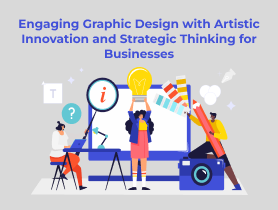
Graphic design is no longer just about making things look pretty. Today, engaging graphic design with artistic innovation and strategic thinking for businesses plays a powerful role in shaping brand identity and influencing customer decisions.
In the contemporary commercial landscape, modern graphic design has evolved from mere ornamentation into a strategic business tool. It serves as the visual voice of a brand, translating complex corporate values and mission statements into an immediate, digestible aesthetic that resonates with a global audience.
Engaging Graphic Design with Artistic Innovation and Strategic Thinking
Today’s design philosophy prioritizes user-centricity and minimalism, moving away from cluttered visuals toward clean lines and high-contrast layouts that enhance readability across digital platforms. By leveraging psychological principles, such as colour theory and grid systems, businesses use design to establish trust, evoke specific emotions, and guide consumer behaviour with subtle precision.
Ultimately, modern design is about consistency and scalability. Whether it is a favicon on a smartphone or a massive digital billboard, effective graphic design ensures that a company’s identity remains cohesive, professional, and instantly recognizable in an increasingly saturated market.
The Evolution of Graphic Design for Businesses
The journey of graphic design in the business world is a fascinating transition from manual craftsmanship to data-driven digital experiences. As technology evolved, so did the way brands communicate their identity to the public.

In the past, graphic design focused mostly on print, logos, brochures, and posters. Fast forward to today, and design spans websites, apps, social media, and even virtual reality. Businesses now rely heavily on design to communicate their message instantly and effectively.
Modern design is defined by functionality and responsiveness. With the rise of smartphones, businesses shifted toward “Flat Design”, stripping away 3D effects and shadows in favour of clean, simple icons that load quickly and look sharp on any screen size. Today, design is no longer just about looking good; it is about User Experience (UX) and User Interface (UI), ensuring that every visual element guides the customer through a seamless digital journey.
Why Businesses Need Strategic Design Today?
Modern consumers are bombarded with information. To stand out, businesses must combine creativity with purpose. Strategic design ensures that every visual element aligns with business goals, whether it’s increasing sales or building brand awareness.
We are currently entering a phase where Artificial Intelligence and Motion Graphics dominate. Brands are moving away from static images toward dynamic, animated identities that “live” and react in real-time. AI tools are now assisting designers in generating layouts and personalizing visuals for individual users, making design more adaptive than ever before.
Key Shifts in Design Philosophy
| Feature | Traditional Design | Modern Design |
| Primary Medium | Print (Paper, Billboards) | Digital (Mobile, Web, Social) |
| Style | Ornate, Illustrative | Minimalist, Geometric |
| Feedback Loop | Delayed (Sales figures) | Instant (Clicks, Heatmaps) |
| Focus | Visual Appeal | Functional Experience (UX) |
Understanding Engaging Graphic Design
Engaging graphic design is all about creating visuals that not only catch the eye but also hold attention and communicate a message clearly. It goes beyond aesthetics, it’s about making people feel something, whether that’s curiosity, trust, excitement, or inspiration. Good design invites the viewer in and guides them naturally through the content.
At its core, engaging design combines creativity with intention. Elements like colour, typography, imagery, and layout are carefully chosen to work together and tell a story. When done right, it helps audiences quickly understand what a brand stands for and what action they should take next.
What truly makes graphic design engaging is its ability to connect with people on a human level. It considers the audience’s preferences, emotions, and behaviours, creating experiences that feel relevant and memorable. In today’s fast-paced digital world, this kind of thoughtful design can make all the difference in standing out and building meaningful connections.
What Makes Graphic Design “Engaging”?
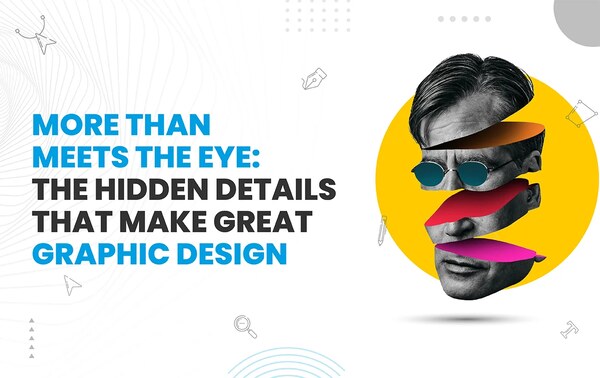
Engaging design is more than just “looking good”, it’s the intersection of psychology, usability, and storytelling. It’s about creating a visual experience that captures attention and, more importantly, holds it.
Here are the core pillars that make a design truly engaging:
-
The Power of Visual Hierarchy
Engaging design directs the eye. Without a clear hierarchy, a viewer feels overwhelmed and disengages. Designers use size, colour, and placement to tell the viewer what to look at first, second, and third.
- The Focal Point: Every design needs a “hero” element, a bold headline or a striking image that serves as the entry point.
- Scanning Patterns: Humans typically scan digital content in F-patterns or Z-patterns. Aligning key information with these natural eye movements keeps the user moving through the content.
-
Emotional Resonance Through Colour & Type
Design engages the “gut feeling” before the logical mind.
- Colour Psychology: A financial app uses blue to evoke trust, while a food delivery service uses red to stimulate appetite and urgency.
- Typography: Fonts carry personality. A sleek sans-serif feels modern and innovative, while a traditional serif feels authoritative and established.
-
Intentional Use of “White Space”
Often misunderstood as “empty” space, negative space is a powerful tool for engagement. It reduces cognitive load, allowing the user to focus on the essential elements. Think of Apple’s marketing: by surrounding a product with vast amounts of white space, they make the product feel more premium and important.
-
Interaction and Micro-moments
In the digital age, engagement is often physical. Micro-interactions, the small animations that happen when you hover over a button, pull to refresh, or “like” a post, provide instant feedback. These small rewards trigger dopamine hits that keep users interacting with the interface.
Elements of High-Engagement Design
| Element | Purpose | Impact on User |
| Contrast | Distinguishes elements | Prevents visual boredom |
| Consistency | Builds a pattern | Reduces confusion and builds trust |
| Storytelling | Connects emotionally | Makes the brand memorable |
| Authenticity | Uses real imagery/voice | Encourages deeper connection |
-
The “Usability” Factor
A design cannot be engaging if it is frustrating. If a user can’t find the “Buy” button or navigate a menu, they will leave, regardless of how beautiful the visuals are. Engagement is born from a seamless experience where the design disappears, and the content takes centre stage.
The Golden Rule: Good design is obvious. Great design is transparent.
Engaging design captures attention and keeps the audience interested. It uses compelling visuals, strong storytelling, and intuitive layouts to guide users through content.
Key features include:
- Clear messaging
- Eye-catching visuals
- Consistent branding
- Interactive elements
Emotional Connection Through Visuals
Visuals have a powerful way of speaking directly to our emotions, often faster than words ever can. The right combination of colours, images, and design elements can instantly create feelings like trust, excitement, comfort, or even urgency. This is what makes emotional connection such an important part of graphic design.
When visuals are thoughtfully crafted, they help people relate to a brand on a deeper level. A warm colour palette can feel welcoming, while clean and minimal designs can build a sense of professionalism and trust. Even small details, like the choice of imagery or typography, can influence how someone feels and responds.
Design that connects emotionally doesn’t just look good, it feels right. It tells a story, reflects real human experiences, and makes the audience feel understood. When people feel that connection, they are more likely to remember the message, engage with the brand, and take action.
People remember how something makes them feel. Colours, shapes, and imagery can evoke emotions that influence decisions. For example:
- Blue builds trust
- Red creates urgency
- Green represents growth
The Role of Artistic Innovation in Graphic Design
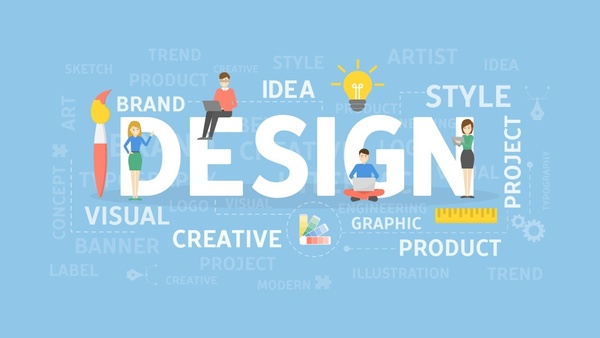
Artistic innovation is what keeps graphic design fresh, exciting, and relevant in a constantly evolving world. It pushes designers to go beyond conventional ideas and experiment with new styles, techniques, and perspectives. This creative exploration helps brands stand out in crowded markets and capture attention in unique ways.
In graphic design, innovation isn’t just about being different, it’s about being meaningful. It involves finding new ways to communicate ideas more effectively, whether through bold visuals, unexpected layouts, or modern design trends. By blending creativity with purpose, designers can create work that not only looks visually striking but also delivers a clear message.
What makes artistic innovation truly powerful is its ability to inspire and connect. It brings originality into design while still keeping the audience in focus. When done right, it transforms ordinary visuals into memorable experiences, helping brands leave a lasting impression and stay ahead of the curve.
Creativity vs. Convention
Artistic innovation means thinking outside the box. While traditional design rules are important, breaking them creatively can lead to unique and memorable designs.
Examples include:
- Abstract layouts
- Bold typography
- Experimental colour palettes
Trends Driving Artistic Innovation
Current trends shaping design include:
- 3D visuals
- Motion graphics
- Hand-drawn elements
- Gradient overlays
These trends help brands stay fresh and relevant.
Strategic Thinking in Graphic Design
Strategic thinking in graphic design goes far beyond making things look good, it’s about designing with purpose. Every colour, font, and layout choice is made with a clear goal in mind, whether that’s attracting attention, telling a story, or driving action. It connects creativity with business objectives, ensuring that design not only feels right but also performs effectively.
When designers think strategically, they step into the audience’s shoes. They consider what people need, how they behave, and what will truly resonate with them. This human-centred approach turns simple visuals into meaningful experiences, helping brands build stronger connections and lasting impressions.
Aligning Design with Business Goals
Every design decision should support a goal. Whether it’s increasing website traffic or improving user experience, strategy ensures that design works effectively.
Steps to align design with goals:
- Define objectives
- Understand the audience
- Create targeted visuals
- Measure performance
Data-Driven Design Decisions
Analytics tools help designers understand what works. Heatmaps, click-through rates, and user behaviour provide insights that guide improvements.
Combining Creativity with Strategy for Graphic Design
Great graphic design happens when creativity and strategy work hand in hand. Creativity brings fresh ideas, visual appeal, and originality, while strategy ensures that every design decision serves a clear purpose. When these two elements come together, design becomes not just beautiful, but also effective.
A creative idea might catch attention, but without strategy, it may fail to communicate the right message. That’s why designers need to think beyond visuals, understanding the target audience, business goals, and the action they want users to take. This strategic thinking helps turn creative concepts into results-driven designs.
When creativity is guided by strategy, design becomes more meaningful and impactful. It tells a story, connects with the audience, and supports brand growth. In today’s competitive landscape, this balance is key to creating designs that don’t just stand out, but also deliver real value.
The Balance Between Art and Analytics
Too much creativity without a strategy can confuse users. Too much strategy without creativity can feel boring. The key is balance.
Successful design:
- Looks appealing
- Serves a purpose
- Delivers results
Case-Based Approach to Design
Businesses often test different designs (A/B testing) to see what performs best. This approach ensures continuous improvement.
Core Elements of Effective Graphic Design
Typography, Colour, and Layout
These are the building blocks of design:
- Typography affects readability
- Colour influences mood
- Layout ensures clarity
Visual Hierarchy and Branding
Visual hierarchy guides the viewer’s eye. It ensures the most important information stands out.
Branding elements include:
- Logos
- Fonts
- Colour schemes
Consistency is key to recognition.
Tools and Technologies Enhancing Design
AI and Automation in Design
AI tools can generate layouts, suggest colour schemes, and even create logos. This speeds up the design process while maintaining quality.
Design Software Essentials
Popular tools include:
- Adobe Photoshop
- Illustrator
- Figma
- Canva
Each serves different design needs.
Industry Applications of Strategic Design
Branding and Identity
Design shapes how a brand is perceived. A strong identity builds trust and loyalty.
Marketing and Advertising Campaigns
Engaging visuals improve ad performance. Social media posts, banners, and videos all rely on effective design.
Benefits of Engaging Graphic Design for Businesses
Improved Brand Recognition
Consistent and creative design makes brands memorable. Customers are more likely to recognize and trust familiar visuals.
Increased Conversion Rates
Good design guides users toward action, whether it’s signing up, purchasing, or contacting a business.
Common Mistakes to Avoid while Doing Innovating Graphic Design
Innovation in graphic design requires a balance between pushing boundaries and maintaining clarity. When designers try too hard to be “different,” they often fall into traps that alienate the audience or obscure the message.
Here are the most common pitfalls to avoid when innovating:
1. Prioritizing Aesthetics Over Function (The “Art” Trap)
The most frequent mistake is forgetting that graphic design is problem-solving, not just fine art. Innovation should enhance the user’s journey, not complicate it.
-
The Mistake: Using an experimental layout that makes it impossible to find the “Contact Us” button.
-
The Fix: Always ensure the Call to Action (CTA) and core information remain visible and accessible, regardless of how avant-garde the surrounding elements are.
2. Sacrificing Legibility for Style
In an effort to look modern, designers often experiment with “extreme” typography, ultra-thin fonts, overlapping text, or distorted lettering.
-
The Mistake: Text that looks like a beautiful pattern but cannot be read by the average user.
-
The Fix: Test your designs on different screen sizes. If the innovation makes the text a struggle to decipher, it’s a failure. Contrast and “X-height” are your best friends.
3. Over-Engineering the Design (Lack of Restraint)
Modern tools offer endless filters, effects, and animations. Just because you can add a 3D glassmorphism effect with a parallax background and glowing gradients doesn’t mean you should.
-
The Mistake: A “cluttered” innovation that creates high cognitive load, causing users to bounce from the page.
-
The Fix: Follow the “Kill Your Darlings” rule. If a design element doesn’t serve the central message, remove it. True innovation often lies in sophisticated simplicity.
4. Ignoring Brand Consistency
Innovation should be an evolution of a brand, not a total departure that makes it unrecognizable to loyal customers.
-
The Mistake: Changing the core color palette or logo style so drastically that the brand loses its established trust.
-
The Fix: Use a “70/30” rule—keep 70% of the design grounded in familiar brand assets while using the remaining 30% for innovative experimentation.
5. Designing for Trends, Not Longevity
Chasing “Design Trends of 2026” can make a business look relevant today, but dated by next year.
-
The Mistake: Overusing a hyper-specific trend (like “Neumorphism” or “Brutalism”) that doesn’t align with the business’s long-term identity.
-
The Fix: Innovate based on user needs rather than visual fads. Ask: “Does this design choice solve a specific communication problem?”
Red Flags to Watch For
| Red Flag | What it Indicates | The Consequence |
| High Bounce Rate | Navigation is too “innovative” | Loss of potential customers |
| Squinting Users | Poor contrast or tiny type | Inaccessible design |
| Slow Load Times | Excessive high-res assets/code | Poor SEO and user frustration |
| “What is this?” | Obscure iconography | Disconnect from the target audience |
6. Neglecting Accessibility (A11Y)
Innovation that excludes people is not true progress. Many “modern” designs fail basic accessibility standards, such as color contrast ratios or screen-reader compatibility.
-
The Mistake: Using light grey text on a white background because it looks “sleek.”
-
The Fix: Use accessibility checkers during the design phase. Ensure your innovation works for everyone, including those with visual impairments.
Overdesigning and Clutter
Too many elements can overwhelm users. Simplicity often works best.
Ignoring User Experience
Design should always prioritize usability. If users can’t navigate easily, they’ll leave.
Future Trends in Graphic Design
Graphic design is evolving rapidly, shaped by technology, culture, and changing human behaviour. The future isn’t just about new styles, it’s about how design connects more deeply with people while adapting to smarter tools and digital experiences.
One of the biggest shifts is the rise of AI-powered design. Instead of replacing designers, AI is becoming a creative partner—helping with ideas, automation, and faster execution, while designers focus more on strategy and storytelling.
Another key trend is the move toward human-centred and authentic design. As digital content becomes more automated, people are drawn to visuals that feel real, imperfect typography, hand-drawn elements, and natural textures are making a strong comeback.
We’re also seeing a rise in immersive and interactive experiences. From 3D visuals to motion graphics and augmented reality, design is becoming more dynamic and engaging rather than static. These elements help brands create deeper and more memorable user experiences.
At the same time, styles are blending in interesting ways. Trends like bold minimalism and retro-futurism combine simplicity with striking visuals or nostalgic elements with modern techniques, creating designs that feel both fresh and familiar.
Ultimately, the future of graphic design is about balance, between technology and creativity, automation and human touch, simplicity and expression. Designers who can adapt, think strategically, and create meaningful connections will lead the way in this ever-changing visual landscape.
Minimalism and Sustainability
Simple designs with eco-friendly themes are gaining popularity. They reflect modern values.
Interactive and Immersive Design
AR, VR, and interactive content are shaping the future. These technologies create engaging user experiences.
FAQs Engaging Graphic Design with Artistic Innovation and Strategic Thinking for Businesses
-
Why is engaging graphic design important for businesses?
Engaging graphic design is important because it’s often the very first thing people notice about a business. Before someone reads your content or understands your product, they react to what they see. A well-designed visual can instantly grab attention, spark curiosity, and create a strong first impression.
But it goes beyond just looking good. Good design helps communicate your message clearly and quickly, especially in a world where people scroll fast and have short attention spans. It also builds trust.
When your brand looks professional and consistent, customers are more likely to feel confident in your business. Over time, engaging design keeps people interested, encourages them to interact with your content, and even influences their buying decisions.
-
What is the role of strategy in graphic design?
Strategy is what turns design from “just visuals” into a powerful business tool. Without a strategy, a design might look attractive but fail to achieve any real purpose. With the right strategy, every colour, font, image, and layout is chosen for a reason.
Strategic graphic design focuses on understanding your target audience, your brand voice, and your goals. For example, are you trying to sell a product, build awareness, or educate your audience?
The design should support that goal. It also helps ensure consistency across all platforms, so your brand feels cohesive. In simple terms, strategy makes sure your design not only looks good, but actually works.
-
How can businesses improve their design?
Improving design isn’t just about hiring a designer or using fancy tools, it’s about being thoughtful and intentional. Businesses can start by truly understanding their audience: what they like, what they need, and how they interact with visuals.
Combining creativity with data is key. For instance, looking at website analytics or social media performance can show what designs people respond to most. At the same time, focusing on user experience (UX) ensures that designs are easy to navigate and understand.
Consistency also plays a big role. Using the same colours, fonts, and style across all platforms helps build a strong brand identity. And finally, don’t be afraid to test and improve, great design often comes from experimenting and learning what works best.
-
What tools are best for graphic design?
There are many great tools available, and the best one really depends on your needs and skill level. For professional designers, tools like Adobe Photoshop and Illustrator are industry standards because they offer powerful features for detailed and creative work.
For UI/UX design and collaboration, Figma has become very popular because it allows teams to work together in real time. Canva, on the other hand, is perfect for beginners or businesses that need quick and simple designs without much technical knowledge.
The good news is that you don’t need to master all the tools at once. Start with one that fits your needs and grow from there. What matters most is how you use the tool, not just which one you choose.
-
How does colour impact design?
Colour plays a huge role in how people feel and respond to a design. It’s not just about making things look attractive, it’s about creating an emotional connection. Different colours can trigger different feelings and reactions.
For example, blue often gives a sense of trust and reliability, which is why many banks and tech companies use it. Red can create urgency or excitement, making it popular in sales and promotions. Green is often linked to growth, health, and nature.
Choosing the right colour combination can influence how people perceive your brand and even affect their decisions. That’s why businesses should be thoughtful about their colour choices and use them consistently across all designs.
-
What are future trends in graphic design?
Graphic design is always evolving, and the future looks exciting. One major trend is minimalism, clean, simple designs that focus on clarity and purpose. People are moving away from clutter and toward designs that are easy to understand. Another big trend is the use of artificial intelligence (AI). AI tools are helping designers work faster by suggesting layouts, generating visuals, and automating repetitive tasks.
We’re also seeing a rise in immersive and interactive design, such as animations, augmented reality (AR), and virtual reality (VR). These technologies create more engaging experiences for users. Overall, the future of design is about blending creativity with technology while keeping the user experience at the centre.
Conclusion
In today’s competitive market, engaging graphic design with artistic innovation and strategic thinking for businesses is not optional, it’s essential. By blending creativity with purpose, businesses can create visuals that not only look great but also drive real results. From building strong brand identities to increasing conversions, strategic design is a powerful tool. As technology evolves, businesses that embrace innovation while staying focused on their goals will lead the way.