


Introduction to Cart Abandonment and Remarketing in Google Ads
Cart abandonment is one of the biggest challenges in eCommerce. Studies show that nearly 70% of users leave without completing their purchase. That’s where Google Ads’ Remarketing Strategies for Cart Abandoners come into play, helping businesses re-engage potential customers and recover lost revenue.
Cart abandonment is one of the most persistent challenges in eCommerce: a user shows clear intent by adding items to their cart, but leaves without completing the purchase. In platforms like Google Ads, this behaviour isn’t just a loss, it’s an opportunity. Remarketing allows businesses to re-engage these high-intent users with tailored messaging designed to bring them back and convert.
What is Cart Abandonment?
Cart abandonment happens when a shopper adds items to their online cart but exits the website before completing the purchase. This behaviour is common across industries and often signals hesitation rather than disinterest.
Cart abandonment occurs when a potential customer adds products to their shopping cart but exits the website before completing the transaction. This can happen for several reasons:
- Unexpected shipping costs
- Complicated checkout process
- Lack of trust or payment options
- Distractions or comparison shopping
- Simply not being ready to buy yet
Industry averages often show abandonment rates between 60%–80%, which means a large portion of potential revenue is left unrealized.
Why Customers Abandon Carts?
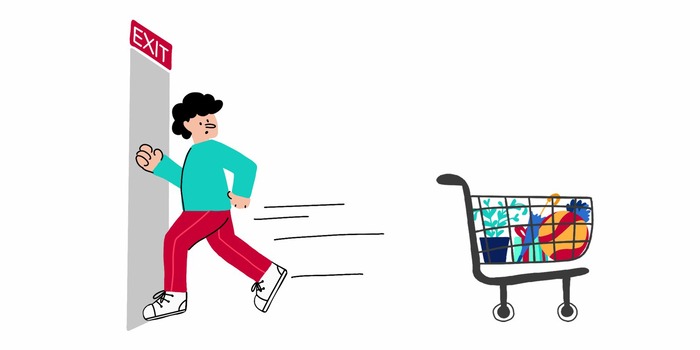
Customers abandon their carts for a mix of practical, psychological, and technical reasons, and understanding these factors is key to improving conversion rates. One of the most common causes is unexpected costs, when extra charges like shipping fees, taxes, or service costs appear late in the checkout process, customers often feel misled and leave.
Similarly, a complicated or lengthy checkout process can frustrate users, especially if they are forced to create an account instead of checking out as a guest.
Trust also plays a major role. If a website looks unprofessional, lacks secure payment options, or doesn’t clearly display return and refund policies, customers may hesitate to complete their purchase. Slow loading times or technical glitches can further disrupt the experience, causing users to drop off before finishing.
In many cases, abandonment isn’t even negative, it can reflect normal shopping behaviour. Customers often use carts as a way to compare prices, save items for later, or wait for discounts. Limited payment options, poor mobile optimization, or concerns about delivery times can also push users away.
Overall, cart abandonment is rarely due to a single issue; it’s usually the result of friction at different points in the buying journey. Businesses that simplify checkout, maintain transparency, build trust, and optimize performance are more likely to reduce abandonment and turn browsers into buyers.
There are several reasons behind cart abandonment, including:
- Unexpected shipping costs
- Complicated checkout processes
- Lack of trust or payment options
- Distractions or comparison shopping
Understanding these reasons is the first step toward crafting effective remarketing strategies.
Understanding Google Ads Remarketing for Cart Abandors
Using platforms like Google Ads, businesses can place a tracking tag (often called a remarketing tag) on their website. When someone visits, that tag adds them to a remarketing audience list. Later, as these users browse other websites, watch videos, or search on Google platforms, they can be shown tailored ads that remind them of what they left behind.
What is Google Ads Remarketing?

Remarketing is a feature in Google Ads that allows you to show targeted ads to users who have previously visited your website. It keeps your brand visible and encourages users to return and complete their purchase.
Remarketing (also called retargeting) in Google Ads is a strategy that targets users who have previously interacted with your website or app. Using cookies or audience lists, you can show ads specifically to people who:
- Visited a product page
- Added items to cart
- Initiated checkout but didn’t finish
These ads can appear across the Google Display Network, YouTube, Gmail, and even search results.
Types of Remarketing Campaigns in Google Ads
Google Ads offers multiple remarketing formats:
- Standard Remarketing
- Dynamic Remarketing
- Video Remarketing
- Remarketing Lists for Search Ads (RLSA)
- Customer List Remarketing
Each type serves a unique purpose in re-engaging users.
Key Remarketing Features in Google Ads
Dynamic Remarketing
Dynamic remarketing shows personalized ads featuring products users viewed or added to their cart. This is highly effective for cart abandoners because it reminds them exactly what they left behind.
Audience Segmentation
Segmenting your audience allows you to target users based on behaviour, such as:
- Cart abandoners
- Product viewers
- Repeat visitors
This helps create more relevant ads.
Customer Match
Customer Match uses email lists to reconnect with users across Google platforms like YouTube and Gmail.
Remarketing Lists for Search Ads (RLSA)
RLSA lets you customize search ads for users who have already visited your site, increasing the chances of conversion.
Google Ads’ Remarketing Strategies for Cart Abandoners
Targeting cart abandoners with remarketing through Google Ads is one of the most effective ways to recover lost sales, but only if the strategy goes beyond simply “reminding” users. People abandon carts for specific reasons, so your remarketing needs to address those reasons directly.
Start with audience segmentation. Not all cart abandoners are the same. Someone who added a product and left within seconds behaves very differently from someone who reached the payment page.
By segmenting users based on how far they got in the funnel, you can tailor your messaging. For example, users who dropped off at checkout may respond well to urgency or reassurance, while early-stage abandoners might need more product education.
Next, use dynamic remarketing to personalize ads. Instead of generic promotions, show users the exact products they viewed or added to their cart. This feature within Google Ads increases relevance and reminds customers of their original intent, making it easier for them to return and complete the purchase.
Timing also matters. Launch ads soon after abandonment, when the intent is still fresh, but avoid overwhelming users. A well-planned sequence works best:
- Day 1–2: Gentle reminders (“You left something behind”)
- Day 3–5: Highlight benefits or reviews
- Day 5+: Introduce incentives like discounts or free shipping
Address common objections directly in your creatives. If high shipping costs are a common issue, promote free delivery. If trust is a concern, emphasize secure checkout, return policies, or guarantees. This aligns your ads with real customer hesitations rather than guessing blindly.
Another key strategy is cross-channel remarketing. Use display ads, search remarketing (RLSA), and even video ads on YouTube to reinforce your message across different touchpoints. A user might ignore a banner ad but respond to a search ad when they’re actively looking again.
Don’t forget frequency capping and creative variation. Seeing the same ad repeatedly can annoy users and damage brand perception. Rotate visuals, messaging, and offers to keep the experience fresh.
Finally, optimize continuously. Track metrics like click-through rates, conversion rates, and cost per acquisition. Test different incentives, ad formats, and messaging to see what actually brings users back.
In essence, successful remarketing for cart abandoners isn’t just about visibility, it’s about relevance, timing, and solving the exact reasons users left in the first place.
Segment High-Intent Users
Not all abandoners are equal. Focus on users who:
- Spent more time on product pages
- Added multiple items to cart
- Reached checkout
These users are more likely to convert.
Use Dynamic Product Ads
Dynamic ads automatically display the exact products users left behind, making them highly relevant and effective.
Offer Limited-Time Discounts
Create urgency with offers like:
- “10% off if you complete your purchase today”
- Free shipping for the next 24 hours
This can significantly boost conversions.
Optimize Ad Frequency
Too many ads can annoy users, while too few may be ineffective. Find the right balance through testing.
Use Cross-Device Targeting
Customers switch devices frequently. Ensure your ads follow them across mobile, desktop, and tablets.
How to Convert Cart Abandoners into Customers?
Converting cart abandoners into customers isn’t about chasing them, it’s about removing the friction that made them leave and giving them a good reason to return. Start by fixing the biggest deal-breaker: unexpected costs. If shipping fees or taxes appear too late, customers feel tricked.
Be transparent early in the process, or offer incentives like free shipping thresholds. Even a small perceived saving can shift a decision.
Next, simplify the checkout experience. A long, complicated process is one of the fastest ways to lose buyers. Allow guest checkout, reduce the number of steps, and make forms quick to complete, especially on mobile. Speed and ease matter more than extra data collection.
Then focus on trust and reassurance. Many users hesitate at the final step because they’re unsure about payment security, returns, or product quality. Clear messaging about secure payments, easy returns, and customer support can remove that hesitation. Social proof like reviews or ratings also helps reinforce confidence.
A powerful tactic is remarketing, using platforms like Google Ads to re-engage users after they leave. Show them the exact products they viewed, remind them why they were interested, and bring them back with relevant messaging. Timing is key, reach out while the intent is still fresh, but avoid overdoing it.
Email recovery campaigns are another strong tool. A simple sequence works well:
- A reminder email shortly after abandonment
- A follow-up highlighting benefits or reviews
- A final email offering a small incentive (discount or free shipping)
You should also address common objections directly. If delivery speed is a concern, highlight fast shipping options. If pricing is the issue, emphasize value, durability, or limited-time offers. The more closely your message matches the user’s hesitation, the more effective it becomes.
Don’t overlook payment flexibility. Limited payment options can cause drop-offs, so include popular methods like cards, wallets, or buy-now-pay-later solutions where possible.
Finally, test and optimize constantly. Track where users drop off, experiment with different offers, and refine your messaging. What works for one audience may not work for another. In short, converting cart abandoners is about reducing doubt, increasing convenience, and re-engaging users with relevant, well-timed nudges that make completing the purchase feel easy and worthwhile.
Personalization Techniques
Personalized ads perform better. Use:
- User behaviour data
- Product preferences
- Location-based messaging
Retargeting with Email + Ads
Combine email campaigns with remarketing ads for a stronger impact. For example:
- Send a cart reminder email
- Follow up with a display ad
Improve Landing Page Experience
Ensure that users land on a page that:
- Loads quickly
- Matches the ad content
- Is easy to navigate
Reduce Checkout Friction
Simplify the checkout process by:
- Offering guest checkout
- Reducing form fields
- Providing multiple payment options
Best Practices for Remarketing Campaign Success
A/B Testing Ads
Test different versions of ads to identify what works best:
- Headlines
- Images
- Call-to-actions
Compelling CTAs
Use strong CTAs like:
- “Complete Your Purchase Now”
- “Don’t Miss Out”
Timing and Frequency
Show ads at the right time:
- Immediately after abandonment
- Within 24–72 hours
Common Mistakes to Avoid while using Remarketing for Cart Abandoners in Google Ads
Remarketing for cart abandoners is one of the highest-ROI strategies in Google Ads, but it is also one of the easiest to get wrong. Many advertisers inadvertently create a “stalker-like” brand experience or waste budget by targeting the wrong users.
Here are the most common mistakes to avoid when setting up your Google Ads remarketing campaigns for cart abandoners.
Failing to Exclude Recent Converters
This is the most common and annoying mistake. If a user completes a purchase, they should be immediately moved from your “Abandoned Cart” list to a “Converted” list.
- The Mistake: Showing a “10% off your cart” ad to someone who just paid full price 10 minutes ago.
- The Fix: Always use Negative Audience segments. Exclude your “Purchasers (Last 30 Days)” list from your cart abandonment campaigns to protect your brand reputation and budget.
Neglecting Frequency Caps
Without frequency capping, Google may show your ad to the same user 20+ times a day. This leads to ad fatigue and can cause users to actively dislike your brand.
- The Mistake: Bombarding the user until they develop “banner blindness” or use an ad blocker.
- The Fix: Set a frequency cap at the campaign level. A common benchmark for 2026 is 3–5 impressions per user per day. This keeps you top-of-mind without becoming intrusive.
Using a “One-Size-Fits-All” Membership Duration
The default membership duration in Google Ads is often 30 days, but for a cart abandoner, the “intent window” is much shorter.
- The Mistake: Remarketing a $20 t-shirt for 30 days. Most low-AOV (Average Order Value) decisions are made within 48–72 hours.
- The Fix: Segment your lists by recency. Create a high-bid campaign for users who abandoned in the last 3–7 days, and a lower-intensity “brand reminder” campaign for those in the 8–14 day range.
Sending Traffic Back to the Homepage
Remarketing is about reducing friction. If a user left because the checkout was too long, making them find their product again is a recipe for failure.
- The Mistake: Using your homepage or a general category page as the final URL.
- The Fix: Use Dynamic Remarketing to show the exact products the user left in their cart. If you aren’t using dynamic ads, ensure your CTA links directly back to the Cart page or a specific Product Page.
Ignoring “Why” They Abandoned
Not all abandoners leave for the same reason. Some are just “window shopping,” while others were hit with unexpected shipping costs.
- The Mistake: Using the same generic “Come back and shop” message for everyone.
- The Fix: Test different ad angles to address common objections:
- Trust Issues: Highlight your return policy or money-back guarantee.
- Price Sensitivity: Offer a one-time discount code or mention “Free Shipping.”
- Decision Fatigue: Use social proof (reviews) to validate their choice.
Over-Incentivizing Too Early
If you offer a 15% discount the second someone closes their browser, you are “training” your customers to abandon their carts just to get a coupon.
- The Mistake: Devaluing your brand by offering discounts immediately to every abandoner.
- The Fix: Use a tiered approach.
- Day 1-2: Helpful reminder (“Did you forget something?”).
- Day 3-5: Benefit-driven (“Our 1-year warranty covers this!”).
- Day 6+: Incentive-driven (“Here is 10% off to help you decide.”).
Summary Table: Quick Audit Checklist
| Feature | Common Mistake | Best Practice |
| Exclusions | Targeting people who already bought. | Exclude “All Converters” list. |
| Bidding | Using the same bid for all visitors. | Bid higher on 1–3 day abandoners. |
| Creative | Generic “Shop Now” messaging. | Use Dynamic Ads or product-specific copy. |
| Frequency | No limit on ad views. | Cap at 3–5 impressions per day. |
| Landing Page | Sending users to the Homepage. | Deep link to the Cart or Product page. |
Over-targeting Users
Showing too many ads can lead to ad fatigue and negative brand perception.
Ignoring Mobile Users
Ensure your ads and landing pages are mobile-friendly.
Poor Ad Design
Low-quality visuals or unclear messaging can reduce effectiveness.
FAQs on Google Ads’ Remarketing Strategies for Cart Abandoners
What is the best remarketing strategy for cart abandoners?
One of the most effective approaches is dynamic remarketing paired with personalized offers. Instead of showing generic ads, you remind users of the exact products they left behind, which feels more relevant and timely.
Adding a small incentive, like a limited-time discount, free shipping, or even a “still thinking it over?” message can gently push them toward completing the purchase. The key is to make the ad feel helpful rather than pushy.
How long should I retarget cart abandoners?
There’s no one-size-fits-all answer, but a window of 7 to 30 days generally works well. If you’re selling something people decide on quickly (like clothing or accessories), a shorter window is usually enough.
For higher-value or more considered purchases (like electronics or furniture), you might want to extend that period. It’s really about matching your retargeting duration to how long your customers typically take to make a decision.
Are remarketing ads expensive?
Surprisingly, they’re often more cost-effective than standard ads. That’s because you’re targeting people who have already shown interest in your product, they’ve visited your site or even added something to their cart. Since these users are closer to making a purchase, the chances of conversion are higher, which means you usually get better value for your ad spend.
Can I use remarketing without a large audience?
Yes, you definitely can. Even with a smaller audience, remarketing can still bring results because you’re focusing on quality over quantity. That said, having more data and a larger audience does improve performance over time. It allows you to segment users better and tailor your messaging more precisely.
What platforms support Google remarketing?
Google offers several powerful channels for remarketing. These include the Google Display Network (which shows ads across millions of websites), YouTube for video ads, Gmail for sponsored promotions, and even Google Search for remarketing lists. This variety lets you reach users in different contexts, increasing your chances of re-engagement.
How do I track remarketing performance?
Tracking is essential to understand what’s working and what’s not. You can use Google Ads’ built-in analytics along with conversion tracking tools to measure key metrics like click-through rates, conversions, and return on ad spend. Over time, these insights help you refine your campaigns and improve results.
Conclusion
Google Ads’ Remarketing Strategies for Cart Abandoners offer a powerful way to recover lost sales and increase revenue. By using features like dynamic remarketing, audience segmentation, and personalized ads, businesses can reconnect with potential customers and guide them back to complete their purchases. Implement these strategies today and turn missed opportunities into measurable success.

