
The digital world is evolving faster than ever, and businesses that fail to adapt risk falling behind. In 2026, websites are no longer just online brochures , they are immersive, intelligent, and user-centred experiences designed to build trust, improve engagement, and drive conversions.
Modern users expect speed, personalization, accessibility, and visually appealing interfaces across every device. As technology continues to advance, web designers are embracing smarter, cleaner, and more emotionally engaging experiences.
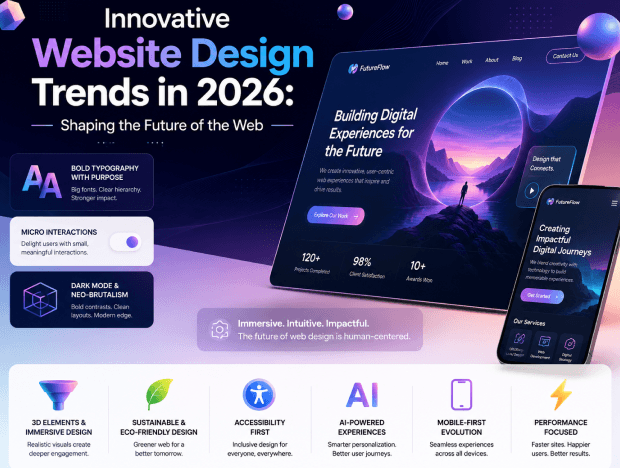
According to leading resources, businesses are increasingly adopting AI-driven personalization, minimalistic layouts, dark mode interfaces, and interactive experiences to stay competitive in the digital landscape.
In this comprehensive guide, we’ll explore the top Website Design Trends in 2026, why they matter, and how businesses can use them effectively to improve user experience, SEO performance, and brand identity.
Why Website Design Matters More Than Ever?
In 2026, a website is no longer just a digital brochure; it is the central nervous system of a brand’s identity and its most powerful sales tool. With the rise of AI-driven search and shorter attention spans, the stakes for quality design have never been higher.
Here is why website design matters more than ever today:
The “0.05 Second” Rule
First impressions are formed almost instantly. Research shows it takes just 0.05 seconds for a user to form an opinion about your website. In this window, design—not content—is what determines whether a visitor stays or bounces. If the visuals feel outdated or cluttered, users subconsciously transfer that lack of professionalism to your products or services.
Trust is the New Currency
With the internet flooded by AI-generated “noise” and low-quality content, users are more skeptical than ever. A polished, high-end website acts as a trust signal. Approximately 75% of consumers judge a company’s credibility based on its website design. A professional UI (User Interface) tells the customer that you are legitimate, stable, and detail-oriented.
The Shift to Answer Engine Optimization (AEO)
Search has evolved from a list of links to direct answers provided by AI (like Google’s AI Overviews or ChatGPT).
- Structured Design: Search engines now prioritize “crawlability.” A clean, well-structured design helps AI understand your data, increasing your chances of being the “source” for an AI-generated answer.
- Core Web Vitals: Google’s ranking algorithms now heavily weigh “Experience” (the ‘E’ in E-E-A-T). Fast load times and visual stability are now direct SEO ranking factors.
Mobile is the Primary Screen
In 2026, mobile traffic consistently accounts for over 60-70% of all web activity. A “responsive” site isn’t enough anymore; the design must be mobile-first. This means thumb-friendly navigation, vertical-friendly layouts, and lightning-fast performance on 5G and mobile data. If a user has to “pinch and zoom” to read your text, they will leave.
Conversion is an Emotional Journey
Design is the silent salesman. Through strategic UX (User Experience) design, you can guide a user’s eyes toward your Call to Action (CTA).
- Reducing Friction: Good design removes the “thinking” from the process. Whether it’s a “Book Now” button or a contact form, the path to conversion should be effortless.
- Visual Hierarchy: By using color, scale, and whitespace, you tell the user what is most important, preventing “decision paralysis.”
Accessibility is a Necessity (and a Legal Requirement)
Web accessibility (WCAG compliance) is no longer optional. Designing for inclusivity, ensuring people with visual or hearing impairments can navigate your site, broadens your market reach and protects your business from potential legal liabilities.
ROI of Good Design
Investing in user experience and responsive design can generate an ROI of up to 9,900%. For every $1 spent on quality UX, businesses often see a return of up to $100. Ultimately, your website is the only piece of digital real estate you truly own; making it look and function perfectly is the best investment you can make for your brand’s future.
In 2026, your website is often the first interaction customers have with your business. A poorly designed website can instantly reduce trust, increase bounce rates, and hurt conversions. Modern consumers expect websites to be:
- Fast-loading
- Mobile-friendly
- Accessible
- Visually engaging
- Personalized
- Easy to navigate
Search engines like Google also prioritize websites that provide excellent user experiences. This means design now directly affects SEO rankings, customer retention, and revenue generation. Research from industry experts shows that user attention spans continue to shrink, making clarity and speed more important than flashy visuals alone.
Key Website Design Trends You Shouldn’t Ignore in 2026
Minimal and User-Focused Designs
In 2026, websites are becoming cleaner, simpler, and easier to navigate. Businesses are moving away from cluttered pages and focusing on layouts that guide users smoothly toward important information.
With most people browsing on mobile devices, simple navigation, clear sections, and plenty of white space help create a better user experience. Minimal design doesn’t mean your website looks plain, it means every element has a purpose and helps visitors stay focused on your brand message.
Stunning Visuals With Faster Performance
Modern websites now rely heavily on high-quality visuals, sharp graphics, and immersive imagery to grab attention instantly. As 4K screens and advanced mobile displays become common, users expect websites to look visually impressive.
At the same time, speed still matters. Technologies like lazy loading, image optimization, and content delivery networks help websites load quickly without sacrificing visual quality. A fast and attractive website improves both user experience and search engine rankings.
Smarter Flat and Semi-Flat Design
Flat design continues to remain popular, but it has evolved into a more refined style. Designers are now adding subtle shadows, gradients, and layered effects to create depth while maintaining a clean and modern appearance.
This updated approach gives websites a polished look without making them feel overly complex. Many leading platforms already use this balance of simplicity and depth to improve usability.
Video Backgrounds and Motion Effects
Motion-based design is becoming a major part of modern websites. Background videos, scrolling animations, animated icons, and micro-interactions help websites feel more dynamic and engaging.
These elements can tell a story visually, capture attention quickly, and create a more interactive experience for visitors. Thanks to better internet speeds and smarter optimization, motion effects no longer slow websites down like they used to.
Creative and Bold Typography
Typography is no longer just about readability, it has become a powerful design element. In 2026, websites are using oversized headings, bold font combinations, animated text, and custom typefaces to create stronger visual impact.
Creative typography helps brands stand out and adds personality to the overall design. With sharper screens and modern browsers, designers now have more freedom to experiment with text styles.
Personalized Google Maps Styling
Businesses are moving beyond basic map embeds and customizing Google Maps to match their website branding. From unique color schemes to branded location markers and overlays, customized maps help websites look more professional and visually consistent. These small details improve the overall design experience and make the website feel more polished.
3D Design and Realistic Depth
3D visuals are becoming more common in website design because they add realism and make pages feel more interactive. Subtle shadows, layered objects, floating elements, and depth effects create a modern and visually appealing experience. When used correctly, 3D design enhances engagement without making the website feel overwhelming.
Bold and Experimental Layouts
In 2026, creativity is taking center stage. Many brands are moving away from traditional website layouts and exploring bold colors, asymmetrical sections, unique scrolling styles, and playful animations. These unconventional designs help businesses create memorable experiences and stand out in highly competitive markets. The key is balancing creativity with usability.
Dark Mode Experiences
Dark mode continues to grow in popularity as users spend more time browsing in low-light environments. Websites with dark themes not only look modern and elegant but also help reduce eye strain. Many businesses now provide light and dark mode options so users can choose the viewing experience they prefer.
AI-Driven Personalization
Artificial intelligence is transforming how websites interact with users. Modern websites can now personalize content, product suggestions, layouts, and even color schemes based on user behavior, preferences, or location. This creates a more tailored browsing experience that keeps visitors engaged and increases conversions.
Accessible and Inclusive Design
Accessibility has become an essential part of website design rather than an optional feature. Businesses are focusing on making websites usable for everyone, including people with disabilities. Features like keyboard-friendly navigation, readable contrast levels, image alt text, and screen-reader support help create a more inclusive digital experience while also improving compliance standards.
Micro-Interactions for Better Engagement
Small animations and interactive effects are playing a bigger role in improving user experience. Hover effects, animated buttons, loading indicators, and subtle transitions make websites feel smoother and more responsive. These tiny details may seem simple, but they help create a more enjoyable and modern browsing experience.
Voice-Enabled Website Features
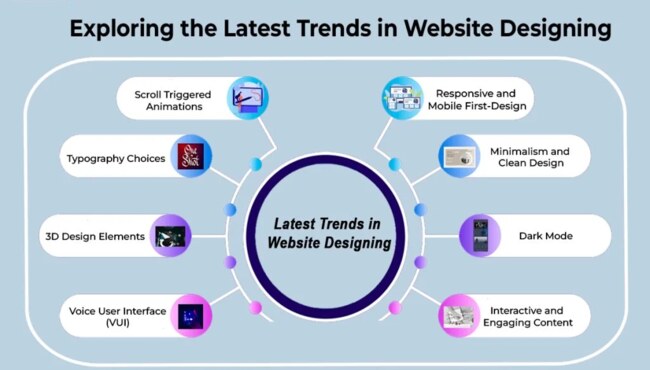
As voice search and smart devices continue to grow, websites are beginning to include voice-based navigation and search functionality. This allows users to interact with websites more naturally and improves accessibility for mobile and hands-free browsing. Voice-enabled interfaces are expected to become even more common as AI and smart technology continue to evolve.
The Evolution of Modern Web Design
Modern web design has evolved from simple static pages to highly interactive, user-focused digital experiences. In the early days, websites were mainly text-based with basic layouts and limited functionality. As technology advanced, businesses started focusing on visual appeal, faster performance, and better user experience.
Today, modern web design is driven by mobile responsiveness, clean layouts, intuitive navigation, AI-powered personalization, and fast-loading interfaces. Designers now prioritize user behaviour, accessibility, and engagement to create websites that not only look attractive but also deliver seamless functionality across all devices.
The rise of technologies like responsive frameworks, animation effects, dark mode interfaces, voice search optimization, and AI integration has completely transformed how websites are built. Modern websites are now expected to be interactive, secure, SEO-friendly, and conversion-focused.
In 2026 and beyond, web design continues to evolve with trends like immersive experiences, minimalistic UI, personalized content, and smarter automation, helping brands create stronger digital connections with their audience.
Website design has transformed dramatically over the past decade. Earlier websites focused primarily on aesthetics. Today, web design combines:
- Psychology
- UX strategy
- AI technology
- Performance optimization
- Accessibility standards
- Emotional engagement
In 2026, websites are becoming more human-centered while simultaneously integrating advanced technologies like AI and voice interaction. This balance between technology and emotional comfort defines the future of web design.
Minimalist Yet Functional Interfaces
One of the biggest Website Design Trends in 2026 is intentional minimalism. Minimalism no longer means empty white spaces and generic layouts. Instead, modern minimalism focuses on removing distractions while improving usability.
Why Simplicity Improves User Experience
Simple websites help users:
- Find information quickly
- Navigate intuitively
- Focus on calls-to-action
- Reduce cognitive overload
Clean navigation, structured layouts, and whitespace improve readability and engagement across devices. Modern brands are moving toward “clarity-first UX,” where every design element has a purpose.
The Rise of Intentional Design
Intentional design emphasizes:
- Strategic whitespace
- Functional visuals
- Clear typography
- Purpose-driven content placement
This trend reflects a broader shift toward emotionally comfortable digital experiences.
AI-Powered Personalization
Artificial intelligence is reshaping the web design industry in remarkable ways. AI-powered websites can now adapt in real time based on user behaviour, preferences, location, and browsing history.
Dynamic Content Experiences
Modern websites personalize:
- Homepage layouts
- Product recommendations
- CTA placements
- Colour schemes
- User journeys
AI allows websites to create highly relevant experiences for individual visitors. For example, eCommerce platforms can display different products based on user interests, while SaaS websites can customize messaging depending on visitor intent.
Smart User Journey Mapping
AI tools now analyze:
- Scroll behaviour
- Mouse movement
- Engagement patterns
- Conversion funnels
This data helps businesses optimize website layouts and improve customer experiences continuously.
Dark Mode and Adaptive Interfaces
Dark mode has evolved from a trendy feature into a user expectation. In 2026, many websites offer adaptive interfaces that automatically switch between light and dark themes based on user preferences or device settings.
Benefits of Low-Light UI Design
Dark mode offers several benefits:
- Reduced eye strain
- Improved battery efficiency
- Modern visual appeal
- Enhanced accessibility
Dark-themed interfaces also create stronger visual contrast for images, animations, and typography. This trend continues growing as users spend more time browsing in low-light environments.
Immersive 3D and Interactive Experiences
Modern websites are becoming increasingly immersive. 3D graphics, spatial interfaces, and interactive animations help businesses create memorable digital experiences.
The Growth of WebGL and Spatial Design
Thanks to technologies like WebGL and Spline, designers can now integrate lightweight 3D visuals without sacrificing performance. Popular applications include:
- Interactive product showcases
- Virtual tours
- Animated storytelling
- Scroll-triggered effects
- Spatial navigation
Brands are using subtle depth effects instead of overwhelming animations to create more engaging experiences.
Advanced Typography Trends
Typography has become one of the most powerful branding tools in web design. In 2026, typography trends focus on personality, emotion, and movement.
Kinetic Typography and Animated Text
Animated text is becoming increasingly popular because it captures attention while improving storytelling. Current typography trends include:
- Oversized headlines
- Variable fonts
- Serif and sans-serif combinations
- Kinetic typography
- Dynamic text transitions
Designers are moving away from sterile typography toward expressive and emotionally engaging styles. Typography is now treated as a trust signal that communicates professionalism and authenticity.
Accessibility-First Website Design
Accessibility is no longer optional. Modern websites must provide inclusive experiences for users with disabilities.
Inclusive User Experience Standards
Accessibility-focused websites include:
- Keyboard navigation
- Screen reader compatibility
- Alt text for images
- High colour contrast
- Clear typography
- Logical navigation structures
Accessibility improves usability for everyone while helping businesses comply with global regulations. Accessible websites also tend to perform better in search rankings.
Mobile-First and Multi-Device Optimization
Mobile-first design continues to dominate in 2026. Users now browse websites across:
- Smartphones
- Tablets
- Foldable devices
- Smart TVs
- Smartwatches
- Vehicle dashboards
Responsive design alone is no longer enough. Modern websites use adaptive layouts that optimize experiences for different devices and screen sizes. Fast mobile performance remains one of the most critical ranking and conversion factors.
Voice Search and Voice Navigation
Voice interaction is rapidly becoming mainstream. As smart speakers and AI assistants grow in popularity, websites are integrating voice-enabled features. These include:
- Voice search functionality
- Audio navigation
- Conversational interfaces
- AI-powered voice assistants
Voice-first experiences improve accessibility while creating hands-free browsing opportunities.
Micro-Interactions and Motion UI
Tiny animations can significantly improve user experience. Micro-interactions provide subtle feedback that makes websites feel more responsive and intuitive. Examples include:
- Hover animations
- Button ripple effects
- Loading indicators
- Scroll-triggered transitions
- Animated form validation
These small details improve engagement without overwhelming users. Modern motion design focuses on usability rather than flashy distractions.
Performance-Driven Design
Website performance directly affects user satisfaction and SEO rankings.
Core Web Vitals and Speed Optimization
In 2026, fast-loading websites will remain essential. Businesses now prioritize:
- Image optimization
- Lazy loading
- Efficient coding
- CDN implementation
- Lightweight frameworks
Google’s Core Web Vitals continue influencing search rankings and user retention. Even visually rich websites must remain highly optimized for speed.
Emotional and Human-Centred Design
One major shift in Website Design Trends in 2026 is the move toward emotional comfort. Users are becoming tired of overly polished and robotic interfaces. Modern brands now prioritize:
- Authentic storytelling
- Emotional stability
- Calm interfaces
- Human-centred experiences
This trend reflects growing demand for trustworthy and emotionally engaging digital experiences. Design is no longer just about visual impact, it’s about how users feel.
Sustainable and Eco-Friendly Web Design
Sustainability is influencing digital experiences too. Eco-conscious web design includes:
- Lightweight websites
- Energy-efficient hosting
- Optimized assets
- Reduced data usage
- Sustainable UX practices
Businesses are increasingly considering the environmental impact of digital infrastructure. Minimalistic and performance-focused websites naturally support greener web experiences.
SEO and Website Design Integration
SEO and web design now work together more closely than ever. Poor design decisions can negatively impact:
- Search rankings
- User engagement
- Conversion rates
- Crawlability
SEO-friendly web design includes:
- Clean site architecture
- Mobile optimization
- Fast performance
- Structured content
- Accessible navigation
A visually stunning website means little if users and search engines struggle to use it.
Challenges Businesses Face in 2026
Despite exciting innovations, businesses also face several challenges. Common issues include:
- Balancing creativity with usability
- Maintaining fast loading speeds
- Keeping up with rapid trends
- Integrating AI responsibly
- Ensuring accessibility compliance
- Designing for multiple devices
According to industry reports, many companies struggle to modernize websites while maintaining simplicity and performance.
How to Future-Proof Your Website?

To stay competitive, businesses should focus on long-term usability rather than chasing every trend. Here are some practical strategies:
- Prioritize user experience
- Invest in accessibility
- Optimize website speed
- Use AI strategically
- Design mobile-first experiences
- Create emotionally engaging interfaces
- Focus on authenticity
- Maintain SEO best practices
Working with experienced web designers can help businesses adopt trends effectively without compromising performance.
FAQs on Innovative Website Design Trends in 2026
What are the biggest Website Design Trends in 2026?
The biggest trends include AI-powered personalization, minimalist interfaces, immersive 3D experiences, accessibility-first design, dark mode, advanced typography, and voice-enabled navigation.
Why is mobile-first design important in 2026?
Most users now browse websites on mobile devices, making responsive and adaptive mobile experiences essential for engagement and SEO.
How does AI improve website design?
AI helps personalize user experiences, optimize layouts, automate content recommendations, and improve customer engagement.
What is human-centred web design?
Human-centred design focuses on emotional comfort, usability, accessibility, and authentic digital experiences that prioritize users’ needs.
Is dark mode still trending in 2026?
Yes. Dark mode continues growing because it reduces eye strain, improves battery efficiency, and offers a sleek modern appearance.
How does website speed affect SEO?
Fast websites improve user experience and Core Web Vitals scores, which directly impact Google rankings and conversions.
Conclusion
Website Design Trends in 2026 reflect a major shift toward intelligent, emotionally engaging, and user-centred experiences. Businesses are moving beyond traditional aesthetics and focusing on performance, accessibility, personalization, and authenticity. From AI-driven interfaces and kinetic typography to immersive 3D experiences and sustainability-focused design, the future of web design is both exciting and transformative.
The most successful websites in 2026 will not simply look modern, they will feel intuitive, trustworthy, and deeply human. Companies that embrace these evolving trends while maintaining usability and performance will be better positioned to attract users, improve engagement, and stay competitive in the ever-changing digital landscape.