

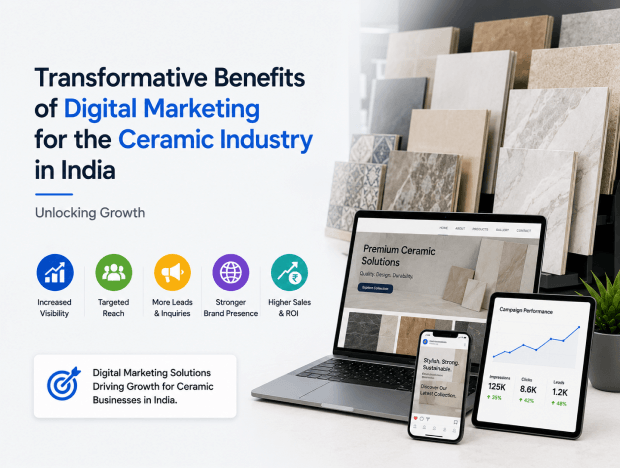
The Indian ceramic industry, a cornerstone of the nation’s manufacturing sector, is experiencing a dynamic shift, driven by evolving consumer preferences and technological advancements. With an estimated market size projected to reach USD 42.5 billion by 2027, according to IBEF, the industry’s growth trajectory is undeniable.
However, navigating this expanding landscape requires more than just superior product quality; it demands strategic outreach. This is where digital marketing emerges as a potent catalyst, offering unprecedented opportunities for Indian ceramic businesses to connect with a global audience, enhance brand visibility, and ultimately, drive sales. In 2026, embracing digital strategies is not just an option, but a necessity for sustained competitive advantage and market leadership within this vibrant sector.
What is Digital Marketing and Why is it Crucial for Ceramics?
Digital marketing encompasses all marketing efforts that use an electronic device or the internet. Businesses leverage digital channels such as search engines, social media, email, and their websites to connect with current and prospective customers. For the Indian ceramic industry, this translates into a powerful suite of tools to showcase intricate designs, highlight product durability, and communicate unique selling propositions to a diverse customer base, both domestically and internationally.
Traditional marketing methods, while still relevant, often lack the precision, measurability, and cost-effectiveness that digital channels provide. The ceramic sector, with its visually appealing products, is particularly well-suited to benefit from the visual storytelling and targeted outreach capabilities inherent in digital marketing.
Reaching a Wider Audience Beyond Geographical Limits
Geographical limitations are a significant hurdle for many traditional businesses. Digital marketing dissolves these boundaries, allowing Indian ceramic manufacturers to reach potential clients across India and around the globe.
A well-optimized website, active social media profiles, and targeted online advertising campaigns can expose products to architects, interior designers, builders, and homeowners in markets previously inaccessible. This expanded reach is critical for growth, enabling businesses to tap into new revenue streams and diversify their customer portfolio, reducing reliance on local market fluctuations.
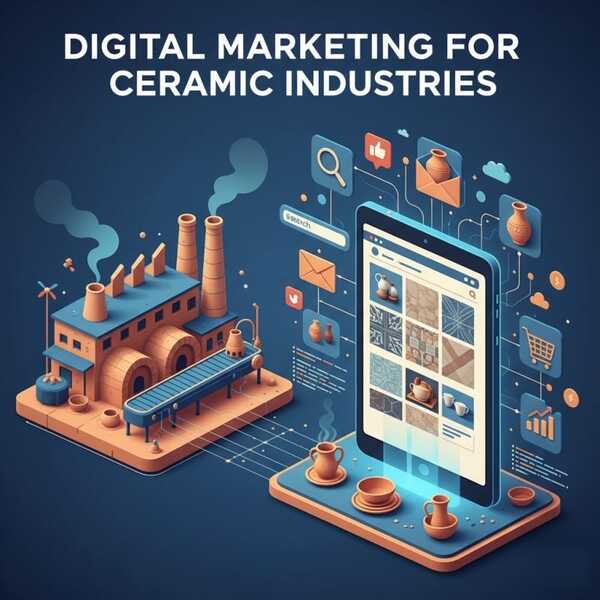
Enhancing Brand Visibility and Recognition
In a competitive marketplace, standing out is paramount. Digital marketing provides numerous avenues to increase brand visibility. Search engine optimization (SEO) ensures that when potential customers search for ceramic tiles, sanitaryware, or tableware, Indian brands appear prominently in the search results.
Content marketing, through informative blog posts, engaging videos, and high-quality imagery, establishes brands as thought leaders and reliable sources of information. Consistent online presence across platforms builds recognition and trust, making consumers more likely to choose a familiar and reputable brand when making purchasing decisions.
Targeted Marketing for Precise Customer Engagement
One of the most significant advantages of digital marketing is its ability to target specific customer segments with remarkable accuracy. Instead of broad, often wasteful, traditional advertising, digital platforms allow businesses to define their ideal customer based on demographics, interests, online behavior, and even past purchase history.
This means ceramic companies can tailor their messaging and promotions to reach architects interested in sustainable building materials, homeowners looking for luxury bathroom fittings, or hospitality businesses seeking durable tableware. This precision ensures marketing budgets are spent more effectively, reaching those most likely to convert into customers.
Key Digital Marketing Strategies for Indian Ceramic Businesses
The Indian ceramic industry can leverage a variety of digital marketing strategies to achieve its business objectives. Each strategy offers unique benefits, and a well-integrated approach often yields the best results.
Search Engine Optimization (SEO): Becoming Discoverable Online
SEO is the practice of optimizing a website to rank higher in search engine results pages (SERPs) for relevant keywords. For ceramic companies, this means optimizing for terms like “Indian ceramic tiles,” “designer wall tiles India,” “vitrified floor tiles manufacturers,” or “luxury sanitaryware online.”
How SEO Benefits Ceramic Brands:
- Increased Organic Traffic: Higher rankings lead to more visitors clicking on your website from search engines like Google.
- Improved Credibility: Websites ranking high are often perceived as more authoritative and trustworthy by users.
- Cost-Effectiveness: Organic traffic generated through SEO is essentially free, offering a high return on investment over time.
- Enhanced User Experience: SEO best practices often involve improving website speed, mobile-friendliness, and navigation, which benefits all visitors.
Technical SEO: Ensuring the website is technically sound for search engine crawling and indexing. This includes site speed optimization, mobile-friendliness, and structured data markup.
On-Page SEO: Optimizing content and HTML source code for target keywords. This involves using relevant keywords in page titles, meta descriptions, headings, and body content, as well as optimizing images with alt text.
Off-Page SEO: Building backlinks from reputable websites and increasing brand mentions online. This can include industry directories, partnerships with design blogs, and press mentions.
For instance, a ceramic tile manufacturer specializing in digital-printed wall tiles could optimize their product pages for terms like “3D digital wall tiles India,” “latest wall tile designs,” and “custom printed ceramic tiles.” By consistently publishing blog posts about interior design trends, tile maintenance, and the benefits of specific ceramic materials, they can attract a broader audience and establish expertise.
Content Marketing: Educating and Engaging Your Audience
Content marketing involves creating and distributing valuable, relevant, and consistent content to attract and retain a clearly defined audience. For the ceramic industry, this can include:
- Blog Posts: Articles on topics like “Choosing the Right Floor Tiles for Your Kitchen,” “The Durability of Porcelain vs. Ceramic,” “Sustainable Ceramic Manufacturing in India,” or “Top 5 Interior Design Trends Featuring Ceramic Tiles in 2026.”
- Videos: High-quality videos showcasing product installations, manufacturing processes, design inspiration, and customer testimonials. A virtual tour of a state-of-the-art manufacturing facility can build significant trust.
- Infographics: Visually appealing graphics that explain complex information, such as the lifecycle of a ceramic tile, differences in tile types, or the environmental impact of ceramic production.
- Case Studies: Detailed accounts of successful projects where ceramic products were used, highlighting the challenges, solutions, and positive outcomes. This is particularly effective for B2B clients like developers and architects.
- Ebooks and Guides: Comprehensive resources on topics like “A Buyer’s Guide to Selecting Ceramic Tiles” or “Designing with Ceramic: From Concept to Reality.”
By providing valuable content, ceramic businesses can attract potential customers early in their buying journey, build trust, and position themselves as knowledgeable partners rather than just suppliers. This approach nurtures leads and educates the market about the unique benefits of their offerings.
Social Media Marketing: Building Community and Driving Engagement
Social media platforms are powerful tools for visual storytelling and community building. For the ceramic industry, platforms like Instagram, Pinterest, Facebook, and LinkedIn are invaluable.
- Instagram & Pinterest: Ideal for showcasing high-quality images and videos of ceramic products in aspirational settings. Interior designers, homeowners, and DIY enthusiasts frequently use these platforms for inspiration. High-resolution photos of intricate tile patterns, elegant sanitaryware installations, and stylish tableware can capture attention.
- Facebook: Useful for building a community, running targeted ad campaigns, sharing blog content, and engaging with customers through comments and messages. Localized campaigns can target specific cities or regions within India.
- LinkedIn: Essential for B2B marketing. Ceramic manufacturers can connect with architects, builders, interior designers, procurement managers, and distributors. Sharing industry news, company updates, and thought leadership content can establish credibility and generate business leads.
Engagement Strategies:
- User-Generated Content: Encourage customers to share photos of their projects using the company’s ceramic products, using a dedicated hashtag.
- Contests and Giveaways: Run contests that reward engagement and product showcases.
- Live Q&A Sessions: Host live sessions with designers or product experts to answer customer questions.
- Targeted Advertising: Utilize the powerful targeting options on social media to reach specific demographics and interests relevant to ceramic products.
Pay-Per-Click (PPC) Advertising: Immediate Visibility
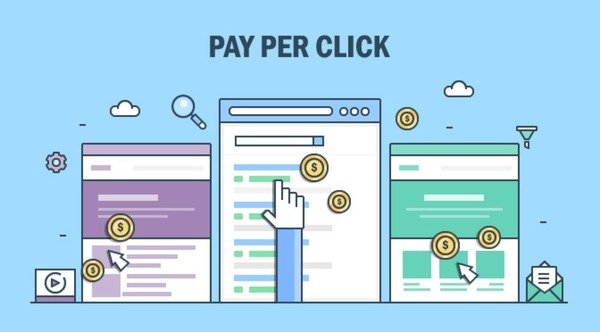
PPC advertising, primarily through Google Ads, allows businesses to place ads at the top of search engine results pages for specific keywords. This provides immediate visibility and drives targeted traffic to the website.
- Search Ads: Appear when users search for specific keywords (e.g., “buy ceramic floor tiles online”).
- Display Ads: Visual ads that appear on websites across the Google Display Network, useful for brand awareness and retargeting.
- Shopping Ads: Product-focused ads that appear in Google Shopping results, ideal for e-commerce enabled ceramic businesses.
For the Indian ceramic industry, PPC campaigns can be highly effective for:
- Promoting New Collections: Quickly drive traffic to pages featuring new tile designs or sanitaryware ranges.
- Targeting Specific Geographies: Run campaigns targeted at cities with high construction or renovation activity.
- Driving E-commerce Sales: Directly promote products available for online purchase.
- Lead Generation: Collect contact information from potential B2B clients through dedicated landing pages.
Email Marketing: Nurturing Leads and Building Loyalty
Email marketing remains a powerful tool for nurturing leads and maintaining relationships with existing customers.
- Lead Nurturing: Sending targeted email sequences to potential customers who have downloaded a guide or inquired about products. This can involve sharing product catalogs, case studies, and special offers.
- Newsletters: Regular newsletters can keep customers informed about new products, industry trends, company news, and promotions.
- Customer Retention: Sending personalized offers, anniversary discounts, or maintenance tips to existing customers to encourage repeat business.
- Segmentation: Segmenting email lists based on customer type (e.g., homeowner, architect, distributor) allows for more personalized and relevant communication.
A ceramic company might send a welcome email series to new subscribers, followed by monthly newsletters featuring design inspiration and new product launches. For architects, a dedicated email might highlight technical specifications and project-specific solutions.
Influencer Marketing: Leveraging Trusted Voices
Collaborating with interior designers, architects, and home decor bloggers who have a strong online following can significantly boost brand credibility and reach.
- Product Reviews: Influencers can review new ceramic collections, showcasing their aesthetics and performance.
- Sponsored Content: Partnering with influencers to create sponsored blog posts, social media updates, or videos featuring the brand’s products in their projects.
- Brand Ambassadorships: Long-term collaborations where influencers consistently promote the brand.
Choosing the right influencers whose audience aligns with the target market is crucial for success. Authenticity is key; genuine endorsements from trusted voices resonate more strongly with consumers.
The Tangible Benefits for Indian Ceramic Businesses in 2026
The adoption of digital marketing strategies translates into concrete business advantages for Indian ceramic manufacturers and suppliers.
Increased Sales and Revenue Growth
Ultimately, the goal of any marketing effort is to drive sales. Digital marketing, with its precise targeting and measurable results, directly contributes to revenue growth. By reaching more qualified leads, nurturing them effectively, and making the purchasing process seamless, businesses can significantly increase their conversion rates and overall sales volume. For example, a targeted PPC campaign for “luxury bathroom tiles” can attract high-intent buyers, leading to quicker sales cycles and higher average order values.
Improved Return on Investment (ROI)
Compared to many traditional marketing channels, digital marketing often offers a superior ROI. The ability to track every rupee spent and measure the direct impact on sales allows businesses to optimize their campaigns for maximum efficiency.
PPC ads can be adjusted based on performance data, SEO efforts build long-term organic traffic, and social media campaigns can be scaled based on engagement metrics. This data-driven approach ensures marketing budgets are allocated to the most effective channels, maximizing returns.
Enhanced Customer Relationships and Loyalty
Digital channels provide direct lines of communication with customers. Through social media, email, and website interactions, businesses can engage in two-way conversations, address concerns promptly, and gather valuable feedback. Building a community around the brand fosters a sense of loyalty.
Customers who feel connected to a brand are more likely to make repeat purchases and become brand advocates. Personalized communication, driven by data, further strengthens these relationships.
Valuable Market Insights and Data
Digital marketing platforms generate a wealth of data about customer behavior, preferences, and market trends. Website analytics reveal which products are most viewed, where traffic comes from, and how users navigate the site. Social media insights show audience demographics, engagement rates, and content performance.
PPC campaign data highlights keyword effectiveness and cost-per-acquisition. This data is invaluable for making informed business decisions, refining product development, and optimizing marketing strategies.
Competitive Advantage in a Globalized Market
As the Indian ceramic industry increasingly competes on the global stage, a strong digital presence is no longer a luxury but a necessity. Businesses that effectively leverage digital marketing can outmaneuver competitors who rely solely on traditional methods.
They can reach international buyers, build global brand recognition, and adapt quickly to changing market dynamics. In 2026, a robust digital marketing strategy is a key differentiator that can propel Indian ceramic brands to leadership positions worldwide.
Streamlined Lead Generation and Qualification
Digital marketing tools automate and streamline the lead generation process. Forms on websites, landing pages for ad campaigns, and social media lead generation ads capture contact information from interested prospects.
Furthermore, digital data allows for better lead qualification. By analyzing website behavior, engagement with content, and interaction with ads, sales teams can prioritize leads that show the highest intent and are most likely to convert. This efficiency saves sales teams time and resources.
Overcoming Challenges in Digital Adoption for Indian Ceramics
While the benefits are clear, some Indian ceramic businesses may face challenges in adopting digital marketing.
Lack of Digital Expertise
Some businesses may lack in-house expertise to develop and execute digital marketing strategies.
- Solution: Hiring digital marketing professionals, partnering with digital marketing agencies, or investing in training for existing staff can bridge this knowledge gap.
Initial Investment Costs
Setting up a professional website, running paid ad campaigns, and investing in content creation can require an initial financial outlay.
- Solution: Start with a focused strategy, prioritizing channels with the highest potential ROI. Gradually scale up investments as results are demonstrated. Many digital tools offer scalable pricing models.
Measuring ROI Accurately
Connecting digital marketing efforts directly to sales can sometimes be complex, especially for long sales cycles.
- Solution: Implement robust tracking mechanisms, such as Google Analytics goals, CRM integration, and conversion tracking for ad campaigns. Focus on key performance indicators (KPIs) that align with business objectives.
Adapting to Rapid Technological Changes
The digital landscape evolves rapidly, with new platforms, algorithms, and tools emerging constantly.
- Solution: Foster a culture of continuous learning within the marketing team. Stay updated through industry publications, webinars, and professional development opportunities.
The Future of Digital Marketing in the Indian Ceramic Sector
Looking ahead, the integration of digital marketing within the Indian ceramic industry will only deepen. Emerging trends will further enhance its impact.
Artificial Intelligence (AI) and Machine Learning (ML)
AI and ML are transforming digital marketing through personalized customer experiences, predictive analytics for customer behavior, automated content creation, and optimized ad bidding. For ceramic companies, AI can help analyze vast amounts of customer data to identify purchasing patterns and preferences, enabling hyper-personalized marketing messages and product recommendations.
Chatbots powered by AI can provide instant customer support on websites, answering queries about product specifications, pricing, and availability 24/7.
Virtual Reality (VR) and Augmented Reality (AR)
VR and AR technologies offer immersive ways for customers to visualize ceramic products in their own spaces.
- VR Showrooms: Potential buyers can virtually walk through showrooms and explore product collections.
- AR Visualization Tools: Customers can use their smartphones to see how different tiles would look on their walls or floors, or how a particular bathtub would fit in their bathroom. This technology significantly enhances the online shopping experience and reduces purchase hesitation.
Data Analytics and Big Data
The ability to collect, analyze, and act upon large volumes of data will become even more critical. Advanced analytics will enable ceramic businesses to gain deeper insights into customer journeys, market trends, and campaign performance, leading to more informed strategic decisions and highly optimized marketing efforts.
Understanding which design elements are trending in specific regions, for example, can guide product development and marketing campaigns.
Personalization at Scale
Leveraging data and AI, ceramic companies will be able to deliver highly personalized marketing messages, product recommendations, and website experiences to individual customers.
This level of personalization fosters stronger customer relationships and significantly improves conversion rates. Imagine a website dynamically changing its featured products based on a visitor’s browsing history or previous purchases.
Voice Search Optimization
As voice assistants become more prevalent, optimizing content for voice search queries will be important. This involves using natural language phrasing and answering common questions directly. For example, optimizing for queries like “What are the best durable tiles for a high-traffic area?”
Conclusion
The Indian ceramic industry stands at an exciting juncture, poised for significant growth. In 2026, digital marketing is not merely an ancillary function but a core strategic imperative for success. By embracing SEO, content marketing, social media engagement, targeted advertising, and other digital tools, ceramic businesses can dramatically expand their reach, enhance brand visibility, build stronger customer relationships, and ultimately, drive substantial sales growth.
The ability to connect with a global audience, understand customer needs through data, and adapt to evolving technological landscapes provides a powerful competitive edge. For Indian ceramic manufacturers and suppliers, investing in digital marketing is an investment in their future, unlocking new opportunities and solidifying their position in both domestic and international markets. The transformation is happening now, and the businesses that harness the power of digital will undoubtedly lead the way.
FAQs on Digital Marketing for Indian Ceramic Businesses
What are the primary benefits of digital marketing for Indian ceramic businesses?
Digital marketing offers Indian ceramic businesses expanded reach beyond geographical limits, enhanced brand visibility and recognition, precise customer targeting, increased sales and revenue, improved return on investment (ROI), stronger customer relationships and loyalty, and valuable market insights. These advantages collectively contribute to a more competitive and profitable business.
How can SEO help ceramic tile manufacturers gain more customers?
SEO helps ceramic tile manufacturers by improving their website’s visibility in search engine results for relevant keywords like “Indian ceramic tiles” or “designer wall tiles.” This drives more organic traffic, increases credibility, and makes it easier for potential customers actively searching for tile solutions to find the manufacturer’s products, leading to increased inquiries and sales.
Which social media platforms are most effective for showcasing ceramic products?
Instagram and Pinterest are highly effective for visually showcasing ceramic products due to their image-centric nature, appealing to interior designers and homeowners seeking inspiration. LinkedIn is crucial for B2B engagement, connecting with architects, builders, and distributors, while Facebook can be used for community building and targeted advertising campaigns.
Is digital marketing cost-effective for small ceramic businesses in India?
Yes, digital marketing can be highly cost-effective for small ceramic businesses. Channels like SEO and content marketing offer long-term organic growth with lower ongoing costs, while targeted PPC and social media advertising allow for precise budget control and measurable ROI. Starting with a focused strategy and scaling up based on performance makes it accessible even with limited budgets.
How can digital marketing help Indian ceramic companies compete in the global market?
Digital marketing enables Indian ceramic companies to reach international buyers directly, showcase their products on a global stage through optimized websites and active social media presence, and build international brand recognition.
Targeted online advertising and content strategies can overcome geographical barriers, allowing them to compete effectively with established global players by highlighting unique product offerings and competitive pricing.
What role does content marketing play in selling ceramic products online?
Content marketing plays a vital role by educating potential customers about the benefits, applications, and design possibilities of ceramic products. Through blog posts, videos, and guides, companies can attract customers early in their buying journey, establish expertise, build trust, and demonstrate the value of their offerings. High-quality content positions the brand as a knowledgeable resource, influencing purchasing decisions and nurturing leads effectively.