In today’s saturated digital landscape, standard marketing approaches no longer suffice. Consumers face a constant influx of advertisements, emails, alerts, and deals every day. So, what can you do to differentiate yourself? The solution is straightforward: personalization.
The advantages of developing highly tailored marketing campaigns extend well beyond enhanced click-through rates. When implemented effectively, personalization fosters trust, strengthens relationships, boosts revenue, and turns occasional customers into devoted brand supporters. In this blog post, we’ll delve into the significance of personalized marketing, how it operates, and the substantial benefits it offers businesses of all sizes.
What Is a Highly Personalized Marketing Campaign?
A Highly Personalized Marketing Campaign moves beyond basic “Dear [First Name]” tactics to deliver content that feels tailor-made for an individual’s specific needs and behaviours. By leveraging real-time data, AI, and predictive analytics, brands can serve the right message at the exact moment a consumer is most likely to engage.
Instead of casting a wide net, these campaigns focus on:
- Behavioural Triggers: Sending offers based on specific actions, like abandoning a cart or browsing a particular category.
- Contextual Relevance: Adjusting content based on the user’s location, local weather, or device type.
- Predictive Recommendations: Using machine learning to suggest products a customer doesn’t even know they want yet.
When done correctly, personalization transforms a standard advertisement into a valuable service, significantly boosting conversion rates and fostering long-term brand loyalty.
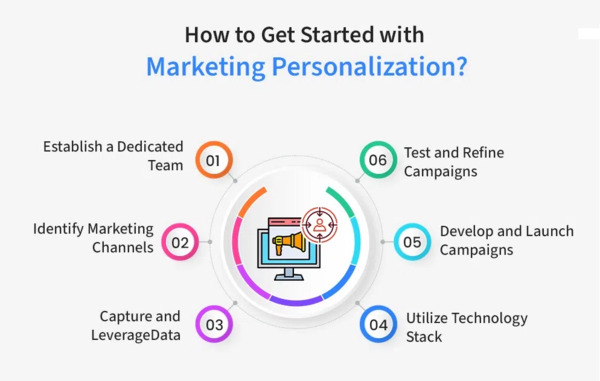
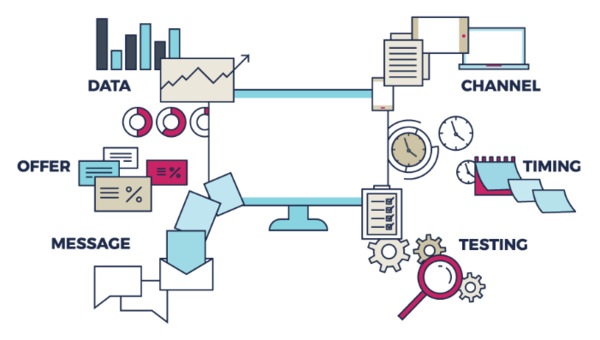
A highly personalized marketing campaign uses customer data, such as behaviour, preferences, demographics, and purchase history to deliver tailored messages, offers, and experiences to specific individuals or audience segments.
Instead of sending the same message to everyone, businesses customize content based on:
- Browsing behaviour
- Purchase history
- Geographic location
- Email engagement
- Interests and preferences
- Customer lifecycle stage
For example, when you log into Amazon and see product recommendations based on your previous searches, that’s personalization in action. Or when Netflix suggests shows tailored to your viewing habits, that’s data-driven personalization working behind the scenes.
Personalized marketing makes customers feel seen, understood, and valued. And that emotional connection is where the real magic happens.
Why Personalization Is No Longer Optional in Online Marketing?
In 2026, the shift from “mass marketing” to “market-of-one” is complete. With AI agents like Gemini and specialized algorithms filtering out generic noise, a non-personalized marketing strategy is essentially invisible to the modern consumer.
Here is why personalization is the new baseline for your digital presence:
1. The Death of Generic Content
Generic blog posts and “one-size-fits-all” newsletters are now filtered out by AI-driven inboxes and search engines.
-
Relevance is the New Ranking Factor: Search engines in 2026 prioritize content that matches a user’s specific history and intent.
-
Predictive Assistance: Consumers now expect brands to anticipate their needs. If a customer in Ahmedabad is browsing solar batteries, showing them a generic “How Solar Works” guide is a missed opportunity compared to a “Solar Battery ROI for Gujarat Households” guide.
2. Behavioral Triggers vs. Demographics
Demographics (age, gender, location) are too broad. Successful campaigns now focus on intent signals:
-
Micro-Moments: Identifying the exact second a user shifts from “browsing” to “ready to buy.”
-
Dynamic Creative Optimization (DCO): Automatically swapping images or headlines in an ad based on what a specific user has clicked on previously.
3. Building “Digital Trust” Through Context
Personalization isn’t just about using a name; it’s about demonstrating that you understand the customer’s journey.
-
Zero-Party Data: Encouraging users to share their preferences directly (e.g., through interactive quizzes or preference centers) to build a tailored experience.
-
Hyper-Local Nuance: For a business in India, this means understanding regional differences—tailoring content not just for the country, but for the specific language, climate, and commercial needs of cities like Ahmedabad or Mumbai.
The ROI of Personalization
| Metric | Generic Campaign | Personalized Campaign |
| Click-Through Rate (CTR) | ~1–2% | ~5–8% |
| Conversion Rate | Standard | 3x Higher on average |
| Customer Retention | Low (Price-driven) | High (Relationship-driven) |
| Ad Spend Waste | High (Broad targeting) | Low (Precision targeting) |
The 2026 Rule: If your marketing doesn’t solve a specific problem for a specific person at a specific time, it’s just spam.
Let’s be honest, customers expect personalization now. It’s not a bonus feature; it’s the standard.
Research consistently shows that consumers prefer brands that:
- Remember their preferences
- Send relevant offers
- Address them by name
- Recommend useful products
- Understand their needs
If your marketing feels generic, customers will quickly tune out. Worse, they may switch to competitors who offer more relevant experiences.
In short, personalization is no longer a luxury, it’s a competitive necessity.
-
Increased Customer Engagement
One of the most immediate benefits of crafting highly personalized marketing campaigns is increased engagement.
When customers receive content that speaks directly to their needs and interests, they’re far more likely to:
- Open emails
- Click on links
- Watch videos
- Download resources
- Respond to offers
Imagine receiving an email that says, “Here are 3 tools to improve your email marketing strategy,” instead of a generic “Check out our latest products.” Which one would you open?
Personalization works because relevance drives action.
Why Engagement Improves?
- Relevance reduces noise – Customers ignore irrelevant messages.
- Emotional connection increases attention – Personalized messages feel thoughtful.
- Timeliness boosts impact – Behavioural triggers (like abandoned cart emails) reach customers at the right moment.
When done correctly, personalized campaigns can significantly improve open rates and click-through rates compared to standard campaigns.
-
Higher Conversion Rates
Personalized campaigns don’t just get attention, they drive results.
When marketing messages align with a customer’s current needs, they are more likely to convert. This is especially powerful in:
- E-commerce
- SaaS platforms
- Online education
- Subscription services
- B2B marketing
For example, Spotify creates personalized playlists like “Discover Weekly,” encouraging users to explore new music tailored specifically to their tastes. That personalization keeps users engaged and increases retention.
How Personalization Boosts Conversions?
- Tailored product recommendations increase purchase likelihood
- Dynamic pricing or offers create urgency
- Personalized landing pages reduce friction
- Behavioural retargeting captures high-intent users
Instead of pushing products randomly, you guide customers toward solutions that genuinely fit their needs. That’s not just marketing, it’s helpful guidance.
-
Stronger Customer Loyalty and Retention
Acquiring new customers is expensive. Retaining them is far more profitable.
Highly personalized marketing campaigns help build long-term relationships by making customers feel valued.
When a brand remembers:
- Your birthday
- Your previous purchases
- Your preferred communication style
- Your favourite product category
It feels personal.
That sense of recognition builds loyalty. Customers are more likely to return to brands that “know” them.
Personalized loyalty programs, reward systems, and exclusive offers can dramatically increase repeat purchase rates. Over time, this improves customer lifetime value (CLV), one of the most important business metrics.
-
Improved Customer Experience
Customer experience (CX) is everything.
Personalization enhances the entire customer journey from first interaction to post-purchase follow-up.
Key Areas Where Personalization Improves CX
- Customized website experiences
- Relevant email content
- Personalized product recommendations
- Tailored onboarding sequences
- Post-purchase follow-ups
For example, HubSpot allows businesses to create dynamic website content based on visitor behaviour. A returning visitor might see different content compared to a first-time user.
This seamless, intuitive experience makes customers feel understood rather than targeted. And when customers enjoy interacting with your brand, they stick around.
-
Better Return on Marketing Investment (ROI)
Let’s talk numbers. Personalized marketing reduces wasted spending because it focuses on high-intent audiences. Instead of casting a wide net, you target those most likely to respond.
Benefits include:
- Reduced ad spend waste
- Improved email performance
- Higher campaign efficiency
- Lower customer acquisition cost (CAC)
By analyzing customer data and behaviour, businesses can allocate budgets more effectively and optimize campaigns continuously. In other words, personalization ensures you’re not shouting into the void; you’re speaking directly to the right people.
-
More Effective Customer Segmentation
Personalization begins with segmentation. Rather than grouping customers by broad categories like age or gender, advanced personalization uses:
- Behavioural segmentation
- Purchase history segmentation
- Engagement level segmentation
- Lifecycle stage segmentation
This deeper segmentation allows brands to create hyper-relevant campaigns.
For instance:
- First-time buyers receive welcome offers
- Frequent buyers receive loyalty rewards
- Inactive customers receive re-engagement emails
- Cart abandoners receive reminder messages
The more precise your segmentation, the more powerful your campaigns become.
-
Enhanced Brand Trust and Credibility
Trust is currency in today’s marketplace. When customers receive relevant, helpful content instead of spam, they view your brand as:
- Professional
- Reliable
- Customer-focused
- Intelligent
However, there’s a balance. Over-personalization can feel invasive. Transparency about data usage is essential.
Brands that clearly explain how they use customer data and protect it responsibly earn long-term trust. According to studies from sources like McKinsey & Company (https://www.mckinsey.com), personalization leaders drive significantly more revenue from their marketing efforts than their competitors. Trust and personalization go hand in hand.
-
Real-Time Marketing Opportunities
Modern tools allow businesses to personalize marketing in real time.
Examples include:
- Abandoned cart emails sent minutes after exit
- Push notifications based on location
- Product suggestions based on live browsing
- AI-driven chatbots offering personalized assistance
Real-time personalization captures customers at their peak moment of interest.
That timing can make all the difference between a lost opportunity and a successful conversion.
-
Competitive Advantage in Saturated Markets
In competitive industries, differentiation is everything. If two companies offer similar products at similar prices, the better experience usually wins.
Highly personalized marketing campaigns create:
- Stronger emotional bonds
- Memorable interactions
- Higher perceived value
Customers often choose brands that “get them” over those that simply sell to them.
Personalization transforms your brand from just another option into a preferred choice.
-
Data-Driven Decision Making
Personalization relies on data. And that data offers valuable insights.
By analyzing:
- Click behaviour
- Purchase trends
- Engagement patterns
- Response rates
Businesses gain a deeper understanding of their customers.
This data can inform:
- Product development
- Pricing strategies
- Content creation
- Advertising channels
The more you personalize, the more you learn. And the more you learn, the smarter your marketing becomes.
-
Scalability Through Automation
Some businesses worry personalization requires too much manual effort. That’s no longer true. Marketing automation tools allow companies to scale personalized campaigns efficiently.
Automation can:
- Trigger emails based on behaviour
- Customize landing pages dynamically
- Segment audiences automatically
- Deliver personalized recommendations
This means even small businesses can implement advanced personalization without massive teams.
-
Higher Customer Lifetime Value (CLV)
Customer lifetime value increases when:
- Customers buy more often
- Customers spend more per purchase
- Customers remain loyal longer
Personalization encourages all three. When customers receive relevant recommendations and feel understood, they are more likely to:
- Explore additional products
- Upgrade subscriptions
- Stay subscribed longer
Over time, this significantly increases profitability.
-
Emotional Connection and Brand Affinity
Humans crave connection. Even in business. Personalized marketing taps into emotions by making customers feel recognized and appreciated.
A simple “We thought you’d love this” can feel surprisingly meaningful when it’s accurate.
That emotional resonance builds brand affinity, which is incredibly powerful in long-term success.
Frequently Asked Questions (FAQs)
-
What is the main goal of personalized marketing?
The main goal is to deliver relevant, tailored messages that increase engagement, conversions, and customer satisfaction.
-
Is personalized marketing expensive to implement?
Not necessarily. Many automation tools offer scalable pricing, making personalization accessible to businesses of all sizes.
-
How does personalization affect customer trust?
When done transparently and respectfully, personalization increases trust. However, misuse of data can damage credibility.
-
What data is used in personalized campaigns?
Common data includes browsing history, purchase behavior, email engagement, location, and demographic information.
-
Can small businesses use personalized marketing?
Absolutely. Even simple tactics like personalized email subject lines or segmented email lists can produce strong results.
-
What tools help create personalized campaigns?
Marketing automation platforms, CRM systems, email marketing tools, AI-driven recommendation engines, and analytics platforms all support personalization.
Conclusion: The Future Belongs to Personalization
The benefits of crafting highly personalized marketing campaigns are clear and powerful. From increased engagement and higher conversions to improved customer loyalty and stronger brand trust, personalization transforms how businesses connect with their audiences.
In a world filled with noise, relevance is your superpower. Businesses that invest in understanding their customers and delivering tailored experiences will not only survive, they’ll thrive. Personalization isn’t just a marketing tactic. It’s a strategy for building meaningful, lasting relationships. And in today’s competitive landscape, that makes all the difference.