In today’s digital-first business environment, LinkedIn has evolved far beyond being a simple professional networking platform. It has become one of the most powerful marketing channels for businesses, entrepreneurs, consultants, and B2B organizations looking to build credibility, generate leads, and establish industry authority.
With more than a billion professionals using LinkedIn worldwide, the platform offers unmatched opportunities to connect with decision-makers, industry leaders, potential customers, and talented professionals. However, simply having a LinkedIn profile or posting occasionally isn’t enough. To truly benefit from LinkedIn marketing, businesses need a strategic approach.
This guide explores the best practices of LinkedIn marketing, key platform features, and the benefits businesses can gain by using LinkedIn effectively.
What is LinkedIn Marketing?
LinkedIn marketing refers to the use of LinkedIn’s tools, content formats, and networking capabilities to promote a business, build professional relationships, increase brand visibility, and generate qualified leads. Unlike other social media platforms that focus on entertainment or personal interactions, LinkedIn is designed for professional engagement. This makes it especially valuable for B2B companies, service providers, recruiters, consultants, and industry experts.
LinkedIn Marketing is the process of using LinkedIn to promote a business, build professional relationships, increase brand awareness, generate leads, and connect with potential customers. As the world’s largest professional networking platform, LinkedIn provides businesses and individuals with a unique opportunity to reach decision-makers, industry experts, and professionals in a targeted way.
Unlike other social media platforms that focus mainly on entertainment and personal interactions, LinkedIn is designed for professional networking and business growth.
Companies use LinkedIn Marketing to share valuable content, showcase their expertise, engage with their audience, and establish credibility within their industry.
LinkedIn Marketing can be done through various methods, including creating and optimizing a company page, publishing informative posts and articles, running targeted advertising campaigns, participating in industry groups, and connecting directly with potential clients or business partners. These activities help businesses build trust and maintain a strong professional presence online.
One of the biggest advantages of LinkedIn Marketing is its precise targeting capabilities. Businesses can reach users based on factors such as job title, industry, company size, location, and professional interests. This makes LinkedIn an effective platform for B2B (Business-to-Business) marketing, lead generation, recruitment, and thought leadership.
In today’s digital landscape, LinkedIn Marketing has become an essential strategy for organizations looking to expand their network, attract high-quality leads, and strengthen their brand reputation among professionals.
Why LinkedIn Marketing Matters
LinkedIn Marketing matters because it helps businesses connect with professionals, decision-makers, and potential customers in a trusted business environment. It allows companies to build brand awareness, share valuable industry insights, generate quality leads, and establish credibility. With its professional audience and targeted marketing options, LinkedIn is an effective platform for growing business relationships and creating new opportunities.
Many business owners focus heavily on platforms like Facebook, Instagram, and X (formerly Twitter), but LinkedIn offers unique advantages:
- Access to business decision-makers
- Higher-quality lead generation
- Strong professional credibility
- Better engagement with industry-specific content
- Excellent opportunities for thought leadership
- Advanced targeting options for advertising
For businesses selling professional services or high-value products, LinkedIn often delivers better lead quality than many other social media platforms.
Key Features of LinkedIn Marketing
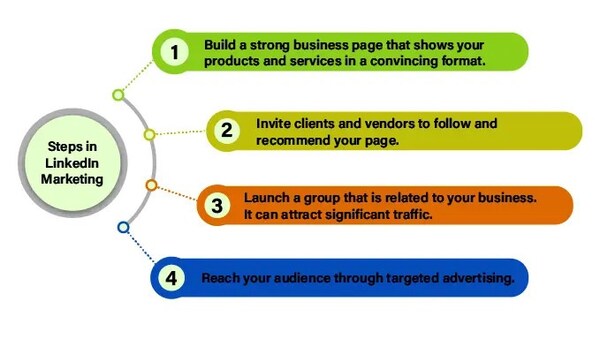
LinkedIn Marketing offers several powerful features that help businesses build their professional presence, connect with the right audience, and achieve their marketing goals. One of its most important features is professional networking, which allows businesses to connect with industry experts, potential clients, and business partners. This helps companies expand their reach and create valuable professional relationships.
Another key feature is Company Pages, where organizations can showcase their brand, products, services, achievements, and company culture. These pages act as a professional online presence and help attract customers, employees, and stakeholders.
Content sharing is also a major part of LinkedIn Marketing. Businesses can post articles, updates, videos, infographics, and other valuable content to engage their audience and demonstrate their expertise. Regular content sharing helps build trust and establish a company as a thought leader in its industry.
LinkedIn also provides targeted advertising options that allow businesses to reach specific audiences based on factors such as job title, industry, location, company size, and professional interests. This ensures that marketing efforts are directed toward the most relevant users.
Another valuable feature is lead generation, which helps businesses identify and connect with potential customers. Through content, advertisements, and networking activities, companies can attract high-quality leads and generate new business opportunities.
Additionally, LinkedIn offers analytics and performance insights, enabling businesses to track engagement, measure campaign success, and make data-driven decisions. The platform also includes LinkedIn Groups, where professionals with similar interests can interact, share knowledge, and build industry connections.
Overall, these features make LinkedIn a powerful platform for professional networking, brand building, customer engagement, and business growth.
1. Company Pages
A LinkedIn Company Page acts as your business’s professional storefront. Features include:
- Business description
- Product and service showcases
- Employee listings
- Company updates
- Industry insights
- Lead generation opportunities
A well-optimized company page helps build trust and gives potential customers a reason to learn more about your business.
2. Personal Branding Profiles
One of LinkedIn’s biggest strengths is personal branding. Business leaders, founders, and executives can establish authority by:
- Sharing industry knowledge
- Publishing insights
- Engaging with professional communities
- Building meaningful relationships
People often trust people more than brands, making executive visibility a powerful marketing asset.
3. LinkedIn Articles
LinkedIn Articles allow users to publish long-form content directly on the platform. Benefits include:
- Demonstrating expertise
- Improving visibility
- Educating potential customers
- Building thought leadership
Well-written articles can continue attracting views and engagement long after publication.
4. LinkedIn Newsletters
Newsletters allow businesses and professionals to deliver regular content directly to subscribers. Advantages include:
- Consistent audience engagement
- Increased brand awareness
- Higher content visibility
- Better subscriber retention
This feature is especially useful for consultants, agencies, and B2B service providers.
5. LinkedIn Groups
LinkedIn Groups provide opportunities to connect with professionals who share common interests. Businesses can:
- Participate in industry discussions
- Answer questions
- Share expertise
- Build relationships organically
The goal should always be to provide value rather than direct promotion.
6. LinkedIn Events
Virtual and in-person events can be promoted through LinkedIn. Common event types include:
- Webinars
- Product launches
- Industry conferences
- Networking sessions
- Training workshops
Events help businesses engage directly with prospects and strengthen professional relationships.
7. LinkedIn Advertising
LinkedIn Ads offer advanced targeting based on:
- Job titles
- Industries
- Company size
- Seniority levels
- Skills
- Geographic location
Popular ad formats include:
- Sponsored Content
- Message Ads
- Dynamic Ads
- Lead Generation Ads
- Video Ads
This precise targeting helps businesses reach the right audience more effectively.
Best Practices for Successful LinkedIn Marketing
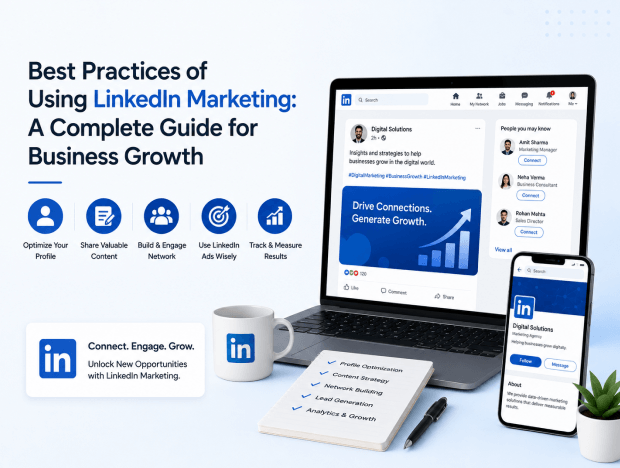
To achieve success with LinkedIn Marketing, businesses should follow several best practices that help them build credibility, engage their audience, and generate meaningful results.
The first step is to create a complete and professional LinkedIn profile or company page. A well-designed profile with accurate information, a professional logo, and a clear description helps create a positive first impression.
Another important practice is to share high-quality and valuable content regularly. Businesses should post industry insights, educational articles, company updates, success stories, and engaging multimedia content that provides value to their audience.
Consistent posting helps maintain visibility and strengthens brand authority. Engaging with followers is equally important. Companies should respond to comments, participate in discussions, and interact with industry professionals. Active engagement helps build relationships, increase trust, and encourage meaningful conversations.
Using targeted LinkedIn advertising can further improve marketing results. By reaching audiences based on their job roles, industries, interests, and locations, businesses can ensure their messages are delivered to the right people.
Networking is another key factor for success. Businesses and professionals should actively connect with relevant industry experts, potential clients, and partners to expand their professional network and create new opportunities.
It is also beneficial to join and participate in LinkedIn Groups related to the industry. These groups provide opportunities to share knowledge, gain insights, and connect with a highly relevant audience.
Finally, businesses should regularly analyze performance metrics such as engagement rates, follower growth, and lead generation results. Monitoring these insights helps identify what works best and allows marketers to continuously improve their strategies.
By following these best practices, businesses can maximize the benefits of LinkedIn Marketing, strengthen their professional presence, and achieve long-term growth.
1. Optimize Your Company Profile
Your company page should be complete and professional. Include:
- Clear company description
- Professional logo
- High-quality banner image
- Website link
- Contact information
- Relevant keywords
A polished profile creates a strong first impression and improves discoverability.
2. Define Clear Marketing Goals
Before creating content, determine what you want to achieve. Examples include:
- Brand awareness
- Lead generation
- Website traffic
- Recruitment
- Industry authority
- Customer engagement
Clear goals help guide your content strategy and performance measurement.
3. Share Valuable Content Consistently
Consistency is one of the most important LinkedIn marketing practices. Post content such as:
- Industry insights
- Success stories
- Case studies
- Educational tips
- Market trends
- Behind-the-scenes updates
Focus on helping your audience solve problems rather than constantly selling.
4. Use Storytelling to Build Connections
People connect with stories more than promotional messages. Share:
- Business challenges
- Lessons learned
- Client success stories
- Team achievements
- Industry experiences
Authentic storytelling makes your brand more relatable and memorable.
5. Encourage Employee Advocacy
Employees can significantly extend your content reach. Encourage team members to:
- Share company posts
- Comment on updates
- Publish professional insights
- Participate in discussions
Employee engagement often generates more trust and visibility than brand-only content.
6. Engage With Your Audience
LinkedIn is a networking platform, not just a publishing platform. Best engagement practices include:
- Responding to comments
- Joining discussions
- Asking questions
- Interacting with industry leaders
- Supporting community conversations
Regular engagement strengthens relationships and increases visibility.
7. Leverage Video Content
Video content continues to perform exceptionally well on LinkedIn. Popular video formats include:
- Expert tips
- Industry updates
- Client testimonials
- Product demonstrations
- Event highlights
Videos often generate higher engagement than text-only posts.
8. Use Relevant Hashtags
Hashtags help improve content discoverability. Best practices:
- Use 3–5 relevant hashtags
- Avoid excessive hashtag usage
- Focus on industry-specific topics
- Mix broad and niche hashtags
Examples:
- #DigitalMarketing
- #B2BMarketing
- #HealthcareMarketing
- #Leadership
- #BusinessGrowth
9. Publish Thought Leadership Content
Position your business as an authority by sharing unique perspectives. Topics may include:
- Industry predictions
- Market analysis
- Emerging technologies
- Business lessons
- Professional insights
Thought leadership content attracts decision-makers and builds credibility.
10. Analyze and Improve Performance
Regularly review LinkedIn analytics. Track metrics such as:
- Profile views
- Engagement rates
- Follower growth
- Website clicks
- Lead conversions
- Content reach
Data-driven improvements help maximize marketing effectiveness.
Benefits of LinkedIn Marketing
Increased Brand Visibility
Consistent activity helps businesses reach new audiences and strengthen brand
recognition within their industry.
Higher Quality Leads
LinkedIn users often have professional intent, resulting in more qualified prospects and better conversion opportunities.
Stronger Professional Credibility
Sharing expertise regularly establishes trust and positions your business as an industry leader.
Better Networking Opportunities
LinkedIn enables direct access to decision-makers, potential partners, and industry influencers.
Improved Website Traffic
Strategic content sharing can drive targeted visitors to your website, landing pages, and service offerings.
Enhanced Recruitment Efforts
Businesses can attract qualified talent while simultaneously strengthening employer branding.
Long-Term Relationship Building
LinkedIn helps nurture relationships over time, making it easier to convert connections into customers, partners, or advocates.
Common LinkedIn Marketing Mistakes to Avoid
Many businesses struggle because they:
- Post only promotional content
- Ignore audience engagement
- Maintain incomplete profiles
- Publish inconsistently
- Overuse automation tools
- Neglect analytics
- Focus solely on follower count
Successful LinkedIn marketing requires genuine relationship-building and consistent value creation.
Future Trends in LinkedIn Marketing
As LinkedIn continues to evolve, businesses should pay attention to:
- AI-powered content recommendations
- Increased video consumption
- Creator-focused content tools
- Personalized audience targeting
- Interactive content formats
- Employee-generated content strategies
Organizations that adapt early will gain a competitive advantage.
Conclusion
LinkedIn has become one of the most effective platforms for professional networking, brand building, and lead generation. Businesses that invest time in creating valuable content, building authentic relationships, and leveraging LinkedIn’s powerful features can achieve significant long-term growth.
The most successful LinkedIn marketing strategies focus on providing value, sharing expertise, and fostering meaningful connections rather than simply promoting products or services. By following proven best practices, businesses can transform LinkedIn into a reliable channel for visibility, credibility, and sustainable business development.
Whether you’re a startup, a growing company, or an established enterprise, LinkedIn offers tremendous opportunities to connect with the right audience and accelerate your marketing success.