Introduction to Meta Ads for Lead Generation
Lead Generation through Meta Ads on Budget is one of the smartest ways for businesses to grow without burning through cash. Meta Ads, covering platforms like Facebook and Instagram allow businesses to reach highly targeted audiences with precision.
Whether you’re a startup or a small business, this method offers a cost-effective way to generate leads. In today’s competitive digital landscape, spending wisely matters more than spending big. That’s where Meta Ads shine, they allow you to stretch every rupee or dollar while still delivering results.
Understanding Meta Ads for Lead Generation
In 2026, Meta Ads (Facebook, Instagram, WhatsApp, and Messenger) remain the world’s most powerful “Discovery” engine for lead generation. Unlike search-based platforms where users are already looking for you, Meta uses AI to identify potential customers before they even realize they need your service.
The platform has shifted from manual “interest targeting” to an AI-first model (Andromeda), where your creative assets (images and videos) act as the primary targeting mechanism.
1. How Meta Lead Gen Works (The 2026 Model)
The traditional way of “hacking” the algorithm with specific interests is dead. Success now depends on feeding the Meta algorithm high-quality signals:
The “Creative is Targeting” Shift: Meta’s AI analyzes your ad’s visual and text content to determine who should see it. If your ad features a “real estate investing” hook, the AI automatically finds people interested in property, even if you don’t select that interest.
Advantage+ Lead Campaigns: An automated campaign type that uses machine learning to test various combinations of creative and audience placements to find the lowest cost-per-lead (CPL) automatically.
Conversions API (CAPI): Since traditional browser tracking is unreliable, 2026 best practices require server-side tracking (CAPI) to send lead data directly from your CRM back to Meta to “train” the AI on what a “good” lead looks like.
2. Lead Capture Methods: Internal vs. External
There are two primary ways to collect lead information on Meta:
| Feature | Instant Forms (Native) | Website Conversions (Landing Page) |
| User Experience | Instant pop-up inside the app. Fields are pre-filled from their profile. | User clicks through to your website. |
| CPL (Cost-per-Lead) | Lower. Extremely low friction leads to more volume. | Higher. More friction results in fewer leads. |
| Lead Quality | Moderate. Easy to submit, so leads may be less “hot.” | High. Users must work harder to submit, showing higher intent. |
| Best For | E-books, newsletters, and quick inquiries. | High-ticket services, consultations, or complex sales. |
3. The 2026 Strategy for High-Quality Leads
To avoid “junk leads” (people who don’t remember signing up), successful advertisers use these three tactics:
Multi-Question Qualifying: Don’t just ask for an email. Add 2–3 “Custom Questions” (e.g., “What is your monthly budget?” or “When do you plan to start?”). This adds “good friction” that filters out casual browsers.
Lo-Fi & Vertical-First Creative: High-production “TV-style” ads are being outperformed by UGC (User-Generated Content). 9:16 vertical videos (Reels) that look like organic content feel more trustworthy and get higher engagement.
The 2-Second Hook: In 2026, the “Learning Phase” requires 50 conversions per week to stabilize. To get there, your video must capture attention in the first 2 seconds, or the algorithm will stop showing it to high-value users.
4. Key Best Practices
Speed to Lead: Use tools like Zapier to sync Meta leads to your CRM (HubSpot, Salesforce) immediately. A lead contacted within 5 minutes is 100x more likely to convert than one contacted after 30 minutes.
WhatsApp Integration: “Click-to-WhatsApp” ads are now a dominant lead-gen format, especially in global markets. They allow for an instant, two-way conversation which often has a higher conversion rate than a static form.
Broad Targeting: Trust the AI. Use “Advantage+ Audience” and let Meta’s algorithm find your customers based on your ad’s message rather than trying to guess their interests manually.
Understanding Budget Constraints in Meta Ads
Budget constraints in Meta Ads aren’t just about having less money to spend, they’re about how wisely you use what you have. On platforms like Facebook and Instagram, even a small budget can deliver solid results if it’s managed strategically.
When your budget is limited, every decision matters. You need to focus on reaching the right audience instead of a broad one, because showing ads to people who are more likely to convert saves money and improves performance. Poor targeting can quickly drain your budget without meaningful results.
Another key aspect is how Meta’s algorithm works. It needs enough data to optimize your ads effectively. With a tight budget, you may not generate enough data quickly, which can slow down performance. That’s why it’s important to avoid spreading your budget across too many campaigns or ad sets, keeping things focused helps the algorithm learn faster.
Creative quality also plays a huge role. Strong visuals, clear messaging, and a compelling offer can significantly improve engagement and lower your cost per result. In contrast, weak creatives will cost you more because they fail to capture attention.
Budget constraints also mean you need patience. You might not see instant results, but with consistent testing, small adjustments, and smart retargeting, you can gradually improve performance over time. In simple terms, budget constraints in Meta Ads push you to be more strategic, more focused, and more creative and when done right, they can still deliver impressive results without heavy spending.
Challenges for Small Businesses
Small businesses often struggle with limited marketing budgets. Traditional advertising channels like TV or print can be expensive and inefficient. Meta Ads solve this by offering flexible pricing and scalable campaigns.
Why Budget Optimization Matters in Meta Ads?
Budget optimization in Meta Ads is what separates random spending from real results. On platforms like Facebook and Instagram, your budget isn’t just money, it’s fuel for the algorithm. How you allocate and manage that fuel directly impacts your return on investment.
When your budget is optimized, every rupee or dollar is used more efficiently. Instead of spreading your spend too thin across multiple campaigns, optimization helps you focus on what’s actually working. This means putting more budget into high-performing ads and cutting back on underperforming ones, leading to better results without increasing overall spend.
It also improves targeting accuracy. Meta’s algorithm performs best when it has clear signals and enough data. A well-optimized budget ensures your campaigns generate consistent data, helping the system learn faster and deliver your ads to the right audience more effectively.
Another important reason is cost control. Without proper optimization, you may end up paying a higher cost per lead or conversion. By refining your budget strategy, such as using campaign budget optimization (CBO), adjusting bids, and scheduling ads, you can lower costs while maintaining or even improving performance.
Budget optimization also allows for smarter scaling. Once you identify winning campaigns, you can gradually increase the budget without disrupting performance. This helps you grow sustainably rather than risking sudden drops in results due to poor budget decisions.
In simple terms, budget optimization ensures you’re not just spending money on ads, you’re investing it wisely to get the best possible outcome. Optimizing your ad spend ensures that every penny works toward generating leads. Instead of targeting everyone, you focus only on users who are most likely to convert.
Core Features of Meta Ads
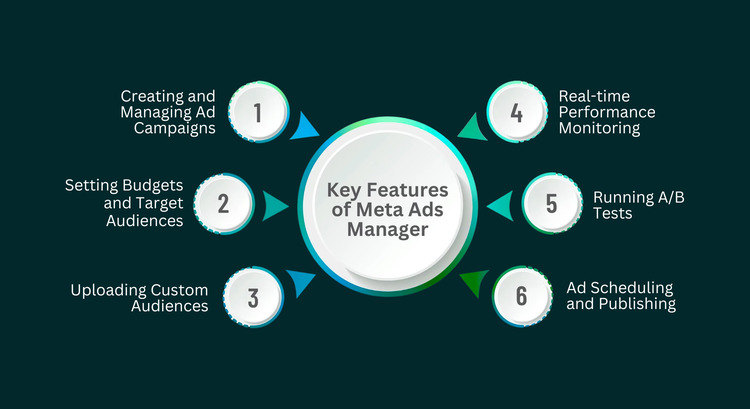
Audience Targeting Capabilities
Meta Ads provide advanced targeting options such as:
- Custom audiences (based on existing customers)
- Lookalike audiences (similar to your best customers)
- Interest-based targeting
This ensures your ads reach the right people, not just more people.
Ad Formats Available
Meta offers diverse ad formats, including:
- Image ads
- Video ads
- Carousel ads
- Lead generation forms
Each format serves a unique purpose and helps engage users differently.
Analytics and Insights
Meta Ads Manager provides real-time data on:
- Click-through rates (CTR)
- Cost per lead (CPL)
- Conversion rates
These insights help refine your campaigns continuously.
Functionality of Meta Ads Platform
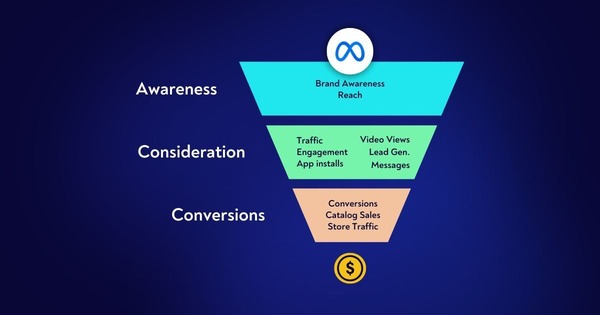
Campaign Objectives Explained
When running Lead Generation through Meta Ads on Budget, selecting the right objective is crucial. The “Lead Generation” objective allows users to submit their information directly within the platform.
Budgeting Options
- Daily Budget: Limits spending per day
- Lifetime Budget: Allocates total spend over campaign duration
Both options help control costs effectively.
Bidding Strategies
Meta offers automated and manual bidding strategies that allow you to:
- Control cost per result
- Maximize conversions within budget
Strategies for Lead Generation through Meta Ads on Budget
In 2026, the key to succeeding on a budget with Meta Ads is moving away from complex manual targeting and toward creative-led automation. The algorithm is now powerful enough to find your customers if you give it the right “creative signals” rather than micromanaging interests.
1. The “Power of One” Campaign Structure
Consolidating your budget is the most effective way to exit the “Learning Phase” quickly.
Consolidate: Instead of five campaigns at $10/day, run one campaign at $50/day. This feeds all data into a single pool, helping the AI learn faster.
Broad Targeting: Use Advantage+ Audience. Avoid narrow interest layering (e.g., specific brands or job titles). Meta’s AI now uses your ad’s text and visuals to identify the right audience.
The 60/40 Split: Allocate 60% of your budget to direct lead generation and 40% to “brand trust” (video views or engagement) to warm up cold audiences.
2. Higher-Intent Instant Forms
Lead Ads (Instant Forms) typically offer a 2–3x lower cost-per-lead (CPL) than landing pages because they keep users within the app.
The “Higher Intent” Filter: To avoid “junk” leads, select the “Higher Intent” form type. This adds a review step where users must slide to confirm their submission, filtering out accidental clicks.
Custom Questions: Add 1–2 specific questions (e.g., “What is your monthly energy bill?” or “What service are you interested in?”). This small amount of friction significantly improves lead quality without spiking costs.
Instant Follow-Up: Use a tool like Zapier to sync leads to your CRM immediately. Leads followed up within 5 minutes are 7x more likely to convert.
3. Creative Strategy: “Lo-Fi” Over “Corporate”
In 2026, raw, authentic content consistently outperforms polished studio ads.
UGC (User-Generated Content): Use simple phone-recorded testimonials or “behind-the-scenes” clips.
The 3-Second Hook: Put your most compelling benefit or a provocative question in the first 3 seconds to stop the scroll.
Vertical First: 9:16 vertical video is non-negotiable. It captures the most real estate in Reels and Stories, which often have lower CPMs (cost per thousand impressions).
4. Budget Optimization Tactics
| Strategy | Best For | Why it Works |
| CAPI (Conversions API) | Accuracy | Sends data directly from your server to Meta, bypassing browser tracking issues to improve optimization. |
| Advantage+ Creative | Efficiency | Let Meta’s AI automatically swap headlines, brighten images, or add music to see what performs best. |
| Click-to-WhatsApp | Speed | Highly effective in regions like India. It removes the friction of a form and starts a real-time conversation. |
5. Avoiding Common “Budget Killers”
Don’t Tinker: Every time you change an ad, the algorithm resets. Wait for at least 50 conversions per week or 7 days before making significant adjustments.
Small Budget Scaling: Only increase your budget by max 20% every 3–4 days. Anything higher can destabilize the delivery and spike your CPL.
Placement Choice: Use Advantage+ Placements. Restricting your ads to just the “Feed” often makes your costs more expensive because you aren’t bidding for cheaper space in Reels or the Audience Network.
Narrow Targeting
Avoid broad audiences. Instead, focus on:
- Specific demographics
- Interests
- Behaviours
This reduces wasted spend and improves lead quality.
Creative Optimization
Your ad creatives should:
- Grab attention quickly
- Use clear messaging
- Include strong calls-to-action (CTA)
Simple, clean visuals often outperform complex designs.
A/B Testing
Test different elements such as:
- Headlines
- Images
- CTAs
This helps identify what works best without increasing budget.
Retargeting Campaigns
Retarget users who:
- Visited your website
- Engaged with your ads
These users are more likely to convert, making retargeting highly cost-effective.
Best Practices for Low-Budget Campaigns on Meta Ads
Running Meta Ads on a limited budget isn’t about cutting corners, it’s about making smarter decisions. Platforms like Facebook and Instagram give you powerful tools, but success comes from how well you use them when resources are tight.
Start by narrowing your audience instead of going broad. A common mistake is trying to reach too many people with too little budget. Focus on a specific group that is most likely to convert, this improves engagement and reduces wasted spend. Quality of reach always matters more than quantity.
Keep your campaign structure simple. Instead of running multiple campaigns and ad sets, concentrate your budget on one or two well-defined campaigns. This helps Meta’s algorithm gather data faster and optimize performance more efficiently.
Invest time in strong creatives. When budgets are low, your ad needs to work harder. Use clear messaging, eye-catching visuals, and a strong call-to-action. Short videos and relatable content often perform better because they grab attention quickly in crowded feeds.
Use retargeting wisely. People who have already visited your website, engaged with your content, or interacted with your ads are more likely to convert. Retargeting these warm audiences can significantly lower your cost per lead compared to targeting cold audiences.
Test, but don’t over-test. A/B testing is important, but with a small budget, too many variations can dilute results. Test one element at a time, like headline, image, or audience and give it enough time to generate meaningful data.
Optimize regularly, but avoid constant changes. Check your campaign performance every few days and make gradual improvements. Frequent changes can reset the learning phase and hurt performance. Lastly, be patient and consistent. Low-budget campaigns may take longer to deliver strong results, but with steady optimization and smart decisions, they can still generate high-quality leads and a solid return on investment.
In short, success with low-budget Meta Ads comes down to focus, creativity, and continuous learning, not just how much you spend. For 2026, the landscape of Meta Ads has shifted from “technical hacking” to “creative-led optimization.”
When you are working with a tight budget, your biggest enemy is fragmentation. If you spread a small budget across too many campaigns or audiences, the algorithm never gets enough data to learn, and you end up paying a “learning tax” in the form of higher costs per lead (CPL).
1. The “Consolidation” Rule
In 2026, Meta’s Andromeda AI thrives on large data pools.
The Problem: Running five campaigns at $10/day means each campaign is fighting for scraps of data.
The Fix: Run one campaign at $50/day.
Structure: Use a simple 1-1-3 structure: 1 Campaign → 1 Ad Set (Broad/Advantage+ Audience) → 3-5 Diverse Creatives.
Exit the Learning Phase: Meta requires roughly 50 conversions per week to stabilize. If your budget is too low to hit 50 “Purchases,” optimize for a “higher-funnel” event like “Initiate Checkout” or “Lead Form Submission” to give the AI the signals it needs.
2. Leverage “Social-Native” Content
Polished, “corporate-style” ads are the fastest way to waste a small budget. They look like ads, so people skip them, which drives up your CPM (cost per 1,000 impressions).
The “Yapper” Ad: Raw, handheld “selfie-style” videos where you simply talk to the camera (micro-storytelling) are currently outperforming high-production videos.
Boost Your Winners: A top practice in 2026 is using Instagram as a sandbox. Post organic Reels; if one gets a higher-than-average engagement rate, promote that specific Post ID as an ad. Meta rewards content that already has “social proof.”
3. Smart Budget Allocation (The 70/20/10 Framework)
Even on a budget, you shouldn’t put all your eggs in one basket. Use this ratio to keep your funnel healthy:
70% Prospecting: Use Advantage+ Audience (Broad) to find new people.
20% Testing: Constantly rotate in 2–3 new creative concepts (new hooks or visual styles) to prevent ad fatigue.
10% Retargeting: Retarget people who engaged with your videos or visited your site in the last 7–14 days. On a low budget, keep the retargeting window tight to maximize impact.
4. Technical Efficiency Tips
The “Higher Intent” Friction: If you’re using Instant Forms, use the “Higher Intent” setting. It adds a “slide to confirm” step. While it might slightly increase CPL, it prevents accidental clicks that waste your sales team’s time.
Conversations over Clicks: For service-based businesses on a budget, Click-to-WhatsApp ads often provide a better ROI than landing pages because they bypass slow load times and start an immediate conversation.
CAPI (Conversions API): Ensure your server-side tracking is set up. Without it, you’re essentially “blind” to about 30% of your conversion data due to privacy restrictions, which makes the AI optimize poorly.
5. Budget Benchmarks for 2026
| Industry (Small Business) | Median CPM | Median CPL |
| E-commerce | $8 – $13 | $14 – $32 |
| Local Services | $8 – $12 | $22 – $36 |
| Home Services | $10 – $15 | $28 – $50 |
| B2B / Professional | $18 – $34 | $62 – $220 |
Pro Tip: If your daily budget is less than $30–$50, focus on organic content and community engagement first. Meta Ads under that threshold often struggle to generate enough data to provide a consistent return.
Optimize Landing Pages
Ensure your landing page:
- Loads quickly
- Is mobile-friendly
- Has a clear CTA
A good landing page increases conversion rates significantly.
Use Lead Forms
Meta’s instant lead forms allow users to submit details without leaving the app, reducing friction.
Schedule Ads Strategically
Run ads during:
- Peak engagement hours
- Days when your audience is most active
This maximizes impact without increasing spend.
Core Benefits of Meta Ads for Lead Generation
Cost Efficiency
You can start with as little as a few dollars per day, making it ideal for small businesses.
Scalability
Once you find a winning strategy, you can scale campaigns easily without losing efficiency.
Measurable Results
Every action is tracked, allowing data-driven decisions and continuous improvement.
Common Mistakes to Avoid
Poor Targeting
Targeting too broad or irrelevant audiences leads to wasted budget.
Ignoring Analytics
Failing to analyze performance means missing opportunities for optimization.
Overcomplicating Campaigns
Keep campaigns simple. Complexity often leads to confusion and inefficiency.
Tools and Resources for Success
Some useful tools include:
- Meta Ads Manager
- Google Analytics
- Canva (for creatives)
- CRM tools for lead management
Future Trends in Meta Ads
The landscape of Meta Ads has shifted significantly in 2026, moving away from the era of manual “growth hacking” toward a highly automated, creative-centric ecosystem.
Success now depends on how well you feed Meta’s AI engine, code-named Andromeda, rather than how precisely you “tweak” your audience interests. Below are the core trends defining the future of Meta advertising:
The “Lattice” Architecture: Unified Intelligence
Meta’s Lattice architecture has replaced siloed optimization models. Previously, Meta optimized for Feed, Stories, and Reels separately. In 2026, Lattice uses a unified “Multi-Domain, Multi-Objective” (MDMO) system.
- Cross-Surface Learning: If a video performs well on Reels, the system instantly applies those learnings to Feed delivery without a new “learning phase.”
- Predictive Intent: Even with limited pixel data, Lattice can infer user intent by analyzing trillions of behavioural signals across Facebook, Instagram, and WhatsApp.
Creative-Led Targeting (Semantic DNA)
The most significant trend is the death of detailed interest targeting. Meta’s AI now “watches” your videos and “reads” your image text to determine who should see your ad.
- Semantic DNA: The algorithm identifies themes, emotions, and objects within your creative to find your audience. In 2026, your creative is your targeting.
- The “Monotony Tax”: Accounts that reuse the same creative angles face higher CPMs. The system now rewards “Creative Diversity”, testing different hooks, formats, and messaging to reach different “pockets” of an audience.
Advantage+ Everything
Automation is no longer optional; it is the standard. Meta has pushed most advertisers toward Advantage+ Shopping and Lead Campaigns.
- Simplified Structures: The trend is toward “Consolidated Accounts.” Instead of 20 ad sets with different interests, top advertisers use one broad ad set with multiple creative variations.
- Programmatic Recommendations: Meta’s “Opportunity Score” (0–100) now allows advertisers to apply AI-driven optimizations via API, making account management more about strategic oversight than manual button-pushing.
Privacy-First “Signal Recovery”
With the removal of detailed targeting exclusions and increasing browser restrictions, the focus has shifted to Signal Preservation.
- Conversations as Conversions: There is a massive rise in Click-to-WhatsApp and Click-to-Messenger ads. By keeping the user journey inside Meta’s ecosystem, advertisers avoid “signal loss” from external websites.
- Modelled Attribution: Meta has introduced Engage-Through Attribution. This tracks users who interact with an ad (like expanding a photo or watching 5+ seconds of a video) and convert later, even if they never clicked a link.
Long-Horizon Modelling
Historically, Meta was optimized for “Last-Click” or immediate actions. The 2026 Andromeda engine uses Long-Horizon Sequence Modelling.
- This recognizes that high-ticket or B2B sales often require multiple touchpoints over weeks.
- The AI will continue serving “Authority” content to a prospect even if they don’t click immediately, recognizing its role in the eventual conversion journey.
Comparison: Old vs. New Meta Strategy
| Feature | The Old Way (Pre-2025) | The Future Way (2026+) |
| Primary Lever | Audience & Interest Targeting | Creative Strategy & Messaging |
| Structure | Granular / Hyper-Segmented | Consolidated / Broad |
| Optimization | Manual Tweaks & Daily Edits | “No-Touch” Windows (2–4 weeks) |
| Video Format | Landscape / Square | Short-form Vertical (Reels) |
| Data Source | Third-Party Cookies / Pixel | First-Party Data & CAPI |
Pro Tip: In 2026, the “learning phase” has extended. Frequent manual adjustments are now seen as a performance killer. The most successful advertisers are those who have the patience to let the algorithm optimize for at least 7 days before making changes.
The future of Lead Generation through Meta Ads on Budget includes:
- AI-driven targeting
- Automated creatives
- Enhanced personalization
These innovations will make advertising even more efficient.
FAQs On Lead Generation through Meta Ads on Budget
What is Lead Generation through Meta Ads on Budget?
Lead generation through Meta Ads on a budget refers to using platforms like Facebook and Instagram to attract potential customers without spending heavily on ads. It focuses on smart targeting, engaging creatives, and optimized campaigns to get the best possible results from limited resources. Instead of relying on high ad spend, businesses use data-driven strategies to capture quality leads efficiently.
How much budget is needed to start?
You don’t need a large budget to begin. Many small businesses successfully start with just $5–$10 per day. The key is consistency and testing, running small campaigns, analyzing performance, and gradually increasing the budget once you identify what works. Even a modest budget can deliver strong results if your targeting and messaging are well-optimized.
Are Meta Ads effective for small businesses?
Yes, Meta Ads are highly effective for small businesses because they allow you to target very specific audiences based on interests, location, behaviour, and demographics. This level of precision ensures that even with a limited budget, your ads are shown to people who are more likely to be interested in your product or service, increasing your chances of generating quality leads.
What is the best ad format for lead generation?
Lead generation campaigns perform best with formats like instant lead forms and short video ads. Lead forms make it easy for users to submit their information directly within the platform, reducing friction. Video ads, on the other hand, grab attention quickly and help communicate your value proposition more effectively, especially in a crowded social media feed.
How can I reduce cost per lead?
Reducing your cost per lead requires continuous optimization. Start by refining your audience targeting to reach the most relevant users. Improve your ad creatives with clear messaging and strong visuals. A/B testing different versions of ads can help identify what works best. Additionally, retargeting people who have already interacted with your brand often leads to better conversions at a lower cost.
How long does it take to see results?
You can usually start seeing initial results within a few days of launching your campaign. However, meaningful insights and consistent performance improvements take time. Most campaigns need at least 2–4 weeks of testing and optimization to reach their full potential. Patience and data-driven adjustments are key to achieving long-term success.
Conclusion
Lead Generation through Meta Ads on Budget is not just possible, it’s incredibly powerful when done right. By leveraging smart targeting, optimizing creatives, and continuously analyzing performance, businesses can generate high-quality leads without overspending. The key lies in strategy, not budget. Start small, test often, and scale what works. With consistency and data-driven decisions, success is well within reach.