
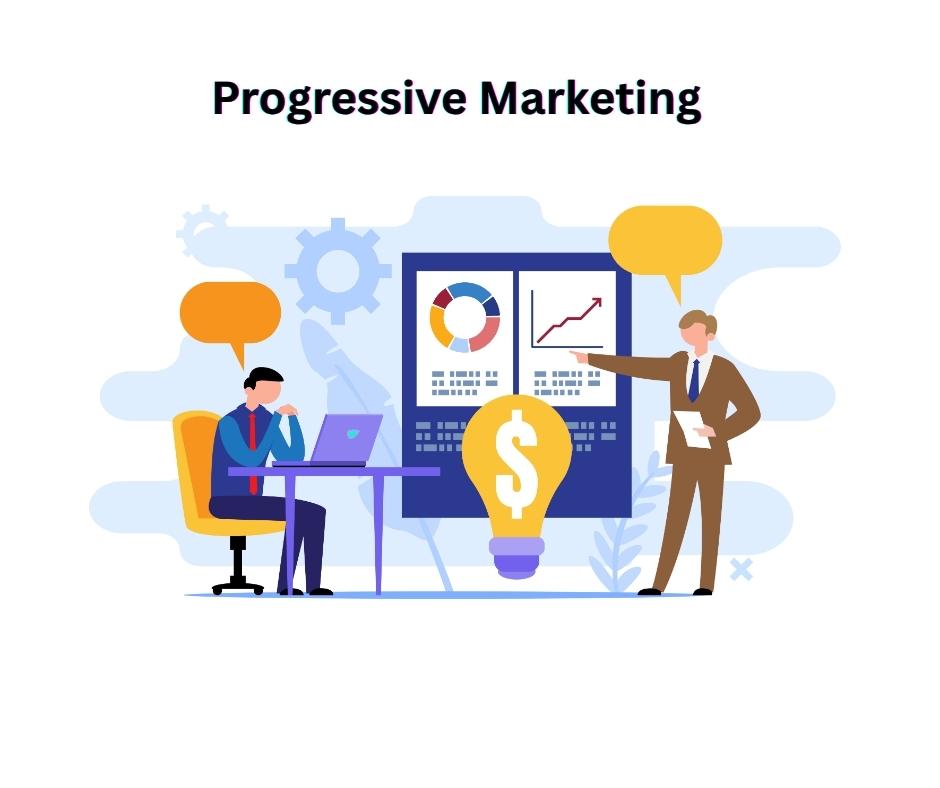
Running a small business today isn’t easy. Competition is brutal, customer expectations are sky-high, and digital trends progress quicker than ever. That’s where progressive marketing growth comes in, a forward-thinking strategy that benefits small businesses stay pertinent, visible, and profitable in a continually changing market.
What Is Progressive Marketing Growth?
Progressive marketing growth is about reliably cultivating and acclimating your marketing strategies based on data, feedback, and innovation. It’s not just about doing more; it’s about doing better, optimizing campaigns, leveraging technology, and considering what your audience really wants.
Why It Matters in Today’s Competitive Market?
In today’s fast-paced digital world, sticking to the same old marketing methods is like driving with the brakes on. Progressive marketing safeguards your business retains moving forward by growing with trends and consumer behaviour.
Progressive marketing is a requirement for small businesses because it permits them to compete smarter, not just bigger. It emphasises limited resources on precise targeting using data, making every campaign decidedly appropriate and cost-effective, a huge advantage over broad, expensive traditional ads.
By creating authentic, personalized experiences, a small business can build fierce customer loyalty and stand out in a crowded market, turning first-time buyers into long-term advocates. Fundamentally, it benefits them maximize impact with a nominal budget by being agile and truly customer-centric.
Understanding Progressive Marketing
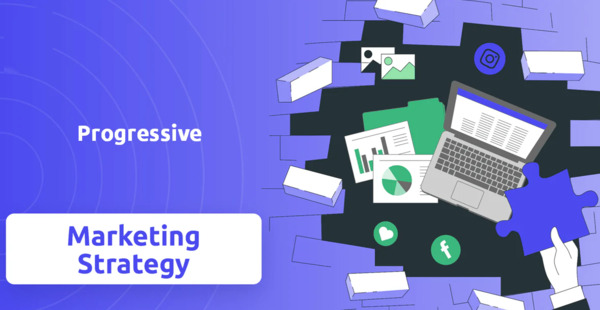
Definition and Key Principles
At its core, progressive marketing is about constant improvement. It emphasises using insights, analytics, and emerging tools to improve marketing strategies frequently. The aim? Better engagement, better conversions, and long-term growth.
The Shift from Traditional to Progressive Marketing
Traditional marketing relied on one-way communication, ads, billboards, and print. Progressive marketing, on the other hand, emphasises interaction and personalization, fueled by digital channels and real-time data.
How Technology Fuels Marketing Progression?
From AI-powered analytics to automation tools, technology plays a crucial role in serving small businesses gauge their marketing competently and reasonably.
Data replaced guesswork.
For most of marketing’s history, brands threw messages at audiences and hoped something stuck. Technology changed that. Now marketers know who opened an email, who watched 80% of a video, and who abandoned a cart at 11pm on a Tuesday. That kind of insight used to be a fantasy, now it’s a Tuesday morning report.
Reach became personal.
Mass marketing once meant broadcasting the same message to everyone. Technology flipped that completely. Algorithms, CRM systems, and behavioral tracking made it possible to speak to millions of people individually, showing each person something that actually feels relevant to their life. That’s not just efficient; it’s a fundamentally different relationship between brand and buyer.
Speed collapsed timelines.
A campaign that once took months to plan, print, and distribute now launches in an afternoon. A/B testing that once ran for quarters now resolves in days. Technology compressed the feedback loop so tightly that marketers can learn, adapt, and improve in near real-time.
Automation freed human creativity.
Scheduling posts, sending follow-up emails, segmenting lists, scoring leads, technology absorbed the repetitive work so marketers could focus on what machines still can’t do well: storytelling, empathy, and genuine creative thinking.
New channels kept opening doors.
Search engines created SEO. Smartphones created mobile marketing. Social media created influencer culture. Streaming created a new kind of branded content. Each technological shift didn’t just add a tool, it opened an entirely new arena for marketers to compete in.
AI is now writing the next chapter.
Predictive analytics, generative content, hyper-personalization at scale, we’re no longer just using technology to execute marketing ideas. Technology is beginning to generate the ideas themselves, which raises genuinely exciting (and complicated) questions about where human marketers fit in.
The Importance of Marketing for Small Businesses
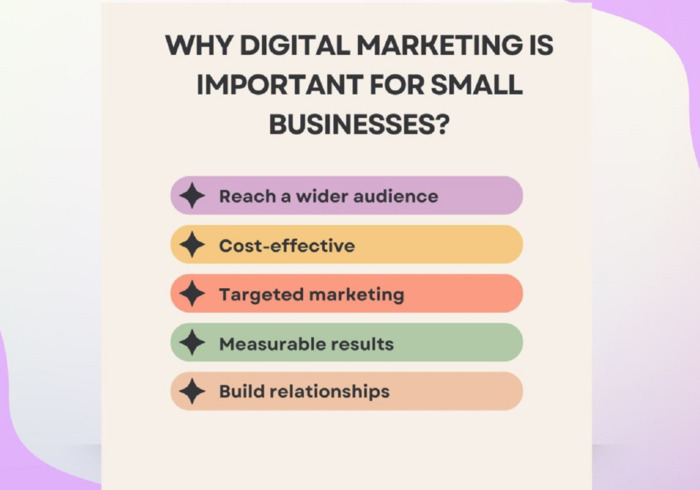
Marketing is decisive for small businesses to create an existence in the market and accomplish sustainable growth. It helps as the chief way to notify potential customers about their exclusive products or services and how they solve customer requirements, setting them apart from competitors.
Actual marketing drives brand recognition and customer loyalty, eventually leading to amplified sales and long-term viability. Marketing is the heartbeat of any business. Without it, even the best products or services can go unobserved.
Building Awareness and Credibility
Progressive marketing benefits small businesses by creating a steady brand presence and building credibility among their target audience.
Creating a Strong Customer Base
With clever strategies like social media engagement and email nurturing, small businesses can turn one-time buyers into trustworthy customers.
Competing with Larger Brands
Through cost-effective digital campaigns and local SEO, small businesses can contend straight with large corporations for consideration and trust.
Why Progressive Marketing Growth Is Significant?
Progressive marketing growth is significant because it shifts the attention from short-term, loud-mouthed lead generation to sustainable, long-term efficiency. It emphasises always-on brand building and being effortlessly obtainable with a wealth of ungated, educational content.
This tactic builds trust and customer loyalty by supporting the buyer’s exclusive journey, which in turn leads to exponential gains in results over time and makes short-term initiation efforts much more effective. It’s about being the unforgettable brand that people seek out when they’re really ready to buy.
A progressive marketing strategy is all about staying ahead of the curve and really connecting with people. Ponder it as a dynamic, living plan that doesn’t just respond to what’s happening but actually anticipates what your customers will want next.
It uses smart data to find those niche groups you should be talking to and then crafts authentic, assorted campaigns that speak to them personally, no matter where they are, on social media, email, or your website.
The goal is to create a unified, personalized experience across every touch-point, focusing on their whole customer journey. It means being flexible, continuously testing new ideas, and refining your message and channels based on what the data tells you.
Key Ingredients:
- Precise Targeting: Knowing exactly who you’re talking to.
- Authentic Content: Keeping it real and trustworthy.
- Omnichannel Reach: Showing up where your customers are (and making it feel like one continuous conversation).
- Customer Journey Focus: Prioritizing their experience from start to finish.
In short, it’s marketing that’s data-smart, human-centred, and always evolving.
Adaptability to Market Trends
Markets progress, and so should your marketing. Progressive strategies permit businesses to axis rapidly based on real-time performance.
Data-Driven Decision Making
No more guessing games, progressive marketing trusts in analytics to comprehend what works and what doesn’t.
Personalization and Customer Engagement
By analyzing customer behaviour, small businesses can craft messages that resonate personally, building profounder relationships.
Key Components of Progressive Marketing
Progressive marketing is a dynamic approach that leverages data-driven insights to anticipate customer needs, deliver personalized, cross-channel experiences, and constantly test and refine strategies to achieve authentic, sustained engagement.
Continuous Learning and Optimization
Frequently analyzing data, experimenting with new tactics, and optimizing results is the core of progressive marketing.
Omnichannel Marketing Approach
Customers interact across platforms. Progressive marketing safeguards a unified experience, whether it’s on your website, social media, or email.
Integration of AI and Automation
Automation modernizes tedious tasks, while AI personalizes marketing at scale, saving time and boosting ROI.
Focus on Customer Experience (CX)
Each touchpoint staples. Delivering a level, engaging experience retains customers coming back.
How Progressive Marketing Drives Business Growth?
- Builds brand authority
- Boosts conversions
- Improves retention rates
- Maximizes every marketing dollar spent
By optimizing uninterruptedly, small businesses experience sustainable growth instead of one-time spikes.
Challenges Small Businesses Face Without Progressive Marketing
- Lack of visibility
- Inconsistent performance
- Poor customer engagement
- Reduced competitiveness
Without evolving, small businesses risk being outshined by brands that embrace change.
Steps to Implement Progressive Marketing Growth
- Define Clear Marketing Goals – Know what triumph looks like.
- Leverage Data Analytics – Use insights to guide choices.
- Experiment and Adapt – Test new concepts and adjust fast.
- Build a Strong Digital Presence – Optimize your online footprint.
- Focus on Customer Relationships – Trustworthiness is the new currency.
Progressive Marketing Tools for Small Businesses
- HubSpot for CRM and automation
- Mailchimp for email campaigns
- Canva for design simplicity
- Google Analytics for performance tracking
- Hootsuite for social media management
These tools make it easier to stay progressive without breaking the bank.
Real-Life Example: Local Success Story
A small bakery in Ahmedabad used social media analytics to improve its ads. By posting customer-generated content and optimizing posts based on engagement, they doubled their sales within three months, a seamless example of progressive growth in action.
We require delivering prospects and customers with multiple ways to contact us and engage when they are ready. Bots give the power to the customer to control the conversation.
They can ask the questions when and where they require them as they progress through the buyer’s journey. Well-designed bots can also catch leads much former in the sales cycle.
Benefits of Adopting Progressive Marketing
- Steady and scalable growth
- Stronger brand reputation
- Better return on investment
- Improved customer loyalty
Progressive marketing isn’t just a trend, it’s the foundation of long-term business accomplishment.
Common Mistakes to Avoid
- Overlooking analytics and insights
- Sticking to outdated marketing methods
- Overseeing mobile optimization
- Not engaging with customers steadily
The Future of Progressive Marketing
The next wave of growth will be powered by AI, machine learning, and predictive analytics. These tools will benefit businesses to anticipate customer requirements and deliver personalized experiences at scale.
Tips for Sustaining Marketing Momentum
To sustain marketing momentum, you must prioritize consistency over short bursts of activity, establish a reliable content calendar for predictable output, and continually analyze performance data to reinvest in high-ROI strategies while remaining agile enough to adapt to new trends.
- Keep testing and innovating
- Train your team frequently
- Track KPIs and familiarize speedily
- Focus on long-term relationships over short-term gains
Conclusion
Progressive marketing growth isn’t a treat, it’s a necessity. For small businesses, staying static means falling behind. By endlessly evolving, adapting, and optimizing, small businesses can flourish in a competitive digital landscape and secure lasting triumph.
FAQs
1. What is progressive marketing in simple terms?
It’s a strategy attentive to constant improvement and adaptation based on data, trends, and customer behaviour.
2. How does progressive marketing help small businesses?
It helps them stay pertinent, entice more customers, and attain sustainable growth with limited budgets.
3. Is progressive marketing expensive to implement?
Not necessarily. Several reasonable tools and techniques make it informal for small businesses to start small and scale increasingly.
4. How often should marketing strategies be updated?
Preferably, review and optimize your marketing campaigns every quarter to stay aligned with market changes.
5. What’s the first step to start progressive marketing?
Begin by analyzing your current marketing data and identifying areas that require essential upgrading or innovation.


