
To grow your professional services in the B2B space, the strategy must centre on demonstrating expertise and building trust. This is chiefly achieved through thought leadership content marketing, such as in-depth white papers, case studies, and specialized webinars, which address the target audience’s critical pain points.
Actual strategies also rely on niche specialization to stand out, optimizing your website and content for SEO to be discoverable, and leveraging LinkedIn for professional networking and content distribution.
Your robust approach requires Account-Based Marketing (ABM) to bring highly personalized outreach and a robust attention on generating referrals and testimonials from satisfied clients.
What is B2B Marketing Strategy?
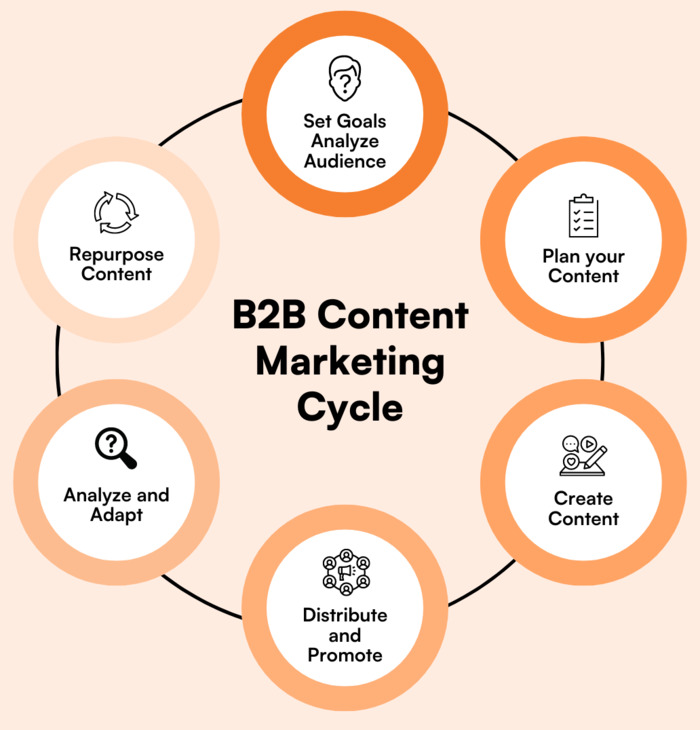
A B2B marketing strategy is simply the set of methods a business uses to reach, engage, and sell to other companies. In most cases, you’re speaking to senior decision-makers, people in C-suite, director-level, or management roles who are responsible for making big, strategic choices. This alone makes B2B marketing very different from general consumer marketing.
Another major difference is the sales cycle. When one business buys from another, the process typically takes much longer, sometimes weeks, months, or even years. That’s because B2B buyers are dealing with complex problems, evaluating high-value solutions, and often needing customisation before making a final decision. Naturally, they take their time and carefully weigh their options.
That’s why a strong B2B marketing strategy must support every stage of the buyer journey from awareness to consideration to decision-making. Now, let’s break down what this looks like in practice with a few examples.
Understanding the Role of B2B Marketing in Professional Services Growth
B2B marketing plays a chief role in helping specialized services firms to appeal to qualified clients, build trust, and stand out from competitors. In today’s digital world, buyers are more knowledgeable than ever.
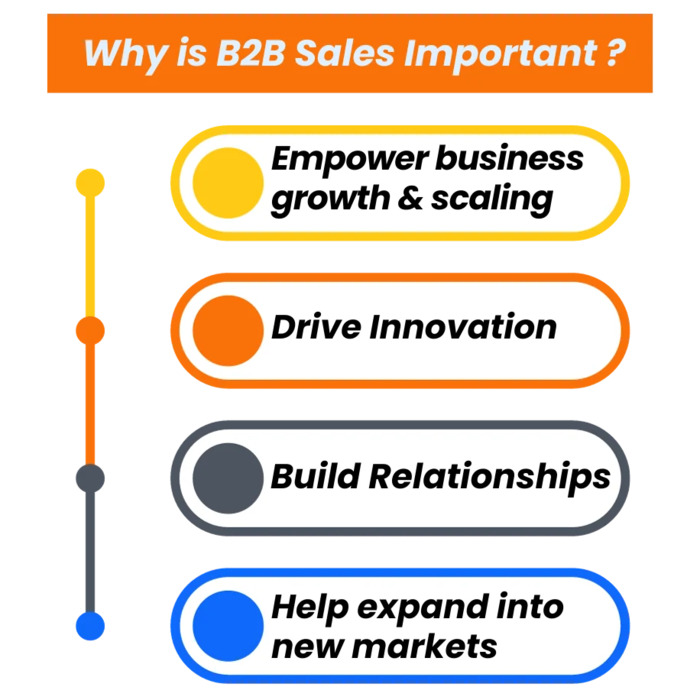
They research firms, compare expertise, and look for robust indications before committing to a partnership. That’s why businesses prerequisite a solid plan focusing on value, relationships, and visibility.
How Buyer Behaviour Shapes B2B Decisions?
Unlike B2C markets, B2B decisions comprise multiple people, executives, finance teams, and department heads. They look for established results, expertise, and professionalism. Buyers need service providers who recognize their goals and offer real-world strategies, not one-size-fits-all solutions.
Why Trust and Positioning Matter in Service-Based Industries?
Since professional services are intangible, trust becomes the foremost currency. Strong positioning supports firms in showing why they are the best choice. Whether you’re a consultant, IT provider, or legal expert, clear messaging benefits prospects who feel self-assured choosing your business.
Building a Strong B2B Brand Foundation
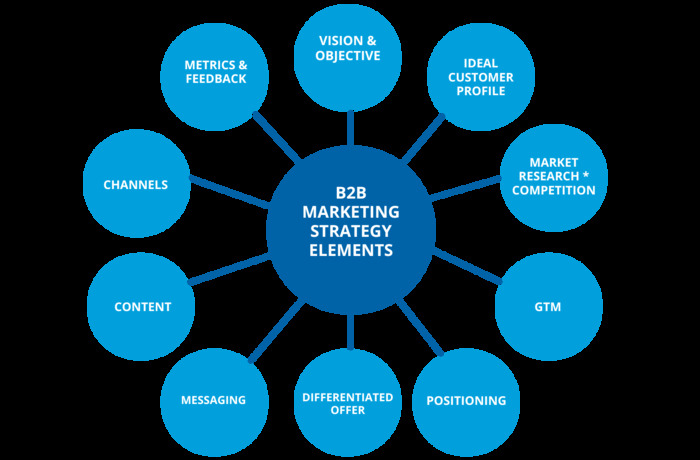
Building a strong B2B brand foundation begins with a profound understanding of your target audience and their precise pain points, as B2B purchases often comprise multiple decision-makers.
This insight is then used to outline a clear, compelling Unique Value Proposition (UVP) and a reliable brand message that highlights how your solution drives business accomplishment.
Lastly, a unified visual identity and pledge to a one-piece customer experience across all touch-points establish the vital trust and credibility required for long-term B2B partnerships.
Before you launch campaigns or create content, you should have a consistent brand foundation. This includes knowing who you serve, what you offer, and why you’re different.
Crafting a Differentiated Value Proposition
Your value proposition must clearly state three things:
- What you do
- Who you serve
- Why you’re the best choice
A strong value proposition helps decision-makers appreciate the benefits of working with you.
Establishing Credibility Through Messaging
Establishing credibility through messaging is about creating communication that feels authentic, trustworthy, and reliable. Whether a business is speaking to customers, employees, or stakeholders, the way messages are delivered plays a major role in shaping perceptions and building confidence. Clear, consistent, and honest messaging helps audiences understand not only what an organization does but also what it stands for.
Credible messaging goes beyond promoting products or services. It involves sharing accurate information, addressing concerns transparently, and demonstrating expertise through meaningful insights and real-world examples. When communication aligns with actions and values, audiences are more likely to trust the message and develop long-term relationships with the brand.
By maintaining a genuine tone, providing value, and staying consistent across all communication channels, organizations can strengthen their reputation and establish themselves as dependable and trustworthy voices in their industry. Your brand message should imitate your expertise and build trust. This contains the tone of your website, case studies, email communication, and even client conversations.
Developing a High-Performance B2B Website
Your website acts as your digital storefront. It should evidently show your services, industry experience, and customer results.
User Experience Elements That Convert
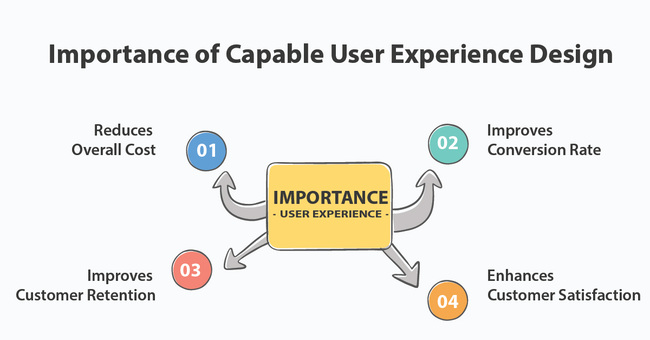
Effective user experience (UX) for conversion emphasises on creating a whole and trustworthy path for the user. Key elements comprise clarity in your calls-to-action (CTAs) and messaging, ensuring users instantly understand the next step and its value.
High-converting designs also emphasize trust signals, such as prominent testimonials, security badges, and clear privacy policies, while utilizing unforced navigation and fast page load times to decrease friction and minimize drop-off rates. A high-converting website includes:
- Simple navigation
- Clear service pages
- Engaging visuals
- Strong calls to action
- Testimonials or case studies
Optimizing for Mobile, Speed, and Accessibility
Slow websites lose visitors quickly. Ensuring your site works well on all devices and loads fast helps keep prospects engaged.
Content Marketing Strategies to Grow Your Professional Services
Content marketing is a core part of the Essential B2B Marketing Strategies to Grow Your Professional Services framework. Quality content aids you in teaching prospects and establishes your business as an industry expert.
Using Thought Leadership to Build Authority
Publishing expert insights builds trust. You can share:
- Industry trends
- Professional advice
- Market research
- Predictions
- How-to guides
Thought leadership benefits position you as a trusted advisor.
Creating Case Studies, Guides, and White Papers
These materials show real-world results and deliver valuable information during the buying process.
These three forms of content are essential for establishing authority and generating leads in business. Case studies detail a specific problem, the solution your product or service provided, and the measurable results, serving as powerful social proof.
Guides offer in-depth, practical, and educational content on a broad topic, helping to build trust and demonstrate expertise. Finally, white papers are authoritative, persuasive reports that delve into a specific issue and present a complex solution, often used for high-level lead generation and thought leadership.
Implementing an Effective Content Calendar
A structured content plan supports you stay reliable, which is key for long-term success. Implementing an effective content calendar is crucial for organizing your content strategy and ensuring consistency. It acts as a centralized schedule for planning, creating, and publishing all content across various platforms.
A well-designed calendar helps teams align their efforts, avoid bottlenecks, maintain a steady posting cadence, and ensure content is timely and relevant to current marketing goals. Ultimately, it optimizes production workflow and increases the overall impact and reach of your content.
SEO Best Practices for Professional B2B Services Firms
The best SEO practices for specialized services firms emphasise on establishing expertise, authority, and trust (E-A-T). This involves creating in-depth, thought leadership content like case studies, white papers, and expert articles that target high-intent, long-tail keywords related to niche industry problems, not just generic services.
Furthermore, Local SEO is critical, requiring optimization of your Google Business Profile and location-specific pages to rank for “service + city” searches. Lastly, you must build high-quality backlinks from trustworthy industry sources to boost your authority and safeguard your website is precisely sound (fast-loading, mobile-friendly, and secure).
SEO helps prospects find you online. To improve your rankings, you must focus on three core areas.
On-Page SEO Essentials
This includes optimizing:
- Title tags
- Meta descriptions
- Header tags
- Keywords
- Internal links
- Image alt texts
Technical SEO for Better Visibility
Technical improvements help search engines crawl your site effectively.
Building Quality Backlinks in B2B Markets
Backlinks from trusted sources improve your credibility and authority.
Leveraging Email Marketing for Lead Nurturing
Email marketing keeps your firm top-of-mind.
Creating Personalized Campaigns
Use client insights to create messages that match their interests.
Segmenting Your B2B Email List
Segment prospects by:
- Industry
- Interests
- Client lifecycle stage
Using Automation and Drip Campaigns
Automation supports you in sending sensible messages that guide prospects through the sales journey.
Social Media Strategies for Professional Services
Social media helps you showcase your expertise.
Best Platforms for B2B Firms
- YouTube
- Twitter (X)
How to Showcase Expertise Through Content
Post:
- Expert videos
- Industry updates
- Client testimonials
Social Selling Techniques
Engage with prospects by commenting on posts and offering solutions.
Paid Advertising and Account-Based Marketing (ABM)
Paid ads help you target specific professionals or companies.
PPC and LinkedIn Ads for B2B Leads
These platforms allow precise targeting.
Identifying High-Value Target Accounts
ABM focuses on companies that are most likely to become high-paying clients.
Personalized Outreach Strategies
Personalized proposals or emails help win key accounts.
Networking and Relationship-Building Strategies
Relationships fuel growth in professional services.
Leveraging Industry Events and Webinars
Events help you meet potential clients directly.
Creating Strategic Partnerships
Partner with complementary firms for mutual growth.
Building Trust Through Consistent Communication
Stay engaged through newsletters, calls, or follow-ups.
Measuring B2B Marketing Success
Tracking performance ensures your strategies are working.
KPIs for Tracking Growth
- Website traffic
- Leads generated
- Conversion rates
- Sales cycle length
Tools that Support Analytics and ROI Measurement
Platforms like Google Analytics, HubSpot, or SEMrush offer helpful data.
Common Mistakes to Avoid in B2B Professional Services Marketing
A chief mistake in B2B professional services marketing is focusing on features rather than quantifiable outcomes, describing your procedure instead of the perceptible business impact (e.g., “saved clients 20% in operating costs”).
Many firms also fail by sending broad messages that don’t distinguish between the multiple decision-makers (end-users vs. C-suite) or by neglecting content marketing that establishes them as credible thought leaders and builds essential trust.
Another mutual pitfall is a disconnection between marketing and sales, which leads to unpredictable lead quality and a disjointed client experience.
Ignoring Client Needs
Understand client problems before recommending solutions.
Lack of Consistency in Branding
Inconsistent branding confuses prospects.
Failure to Follow Up
Following up builds trust and shows professionalism.
Case Studies: Firms That Successfully Improved Their B2B Marketing
How a Consulting Firm Boosted Lead Flow
A mid-sized consulting firm increased leads by 40% through SEO improvements.
How an IT Service Provider Increased Conversions
An IT provider used ABM and LinkedIn ads to boost conversions by 30%.
Essential B2B Marketing Strategies to Grow Your Professional Services (Recap & Highlights)
Here are the top strategies to implement today:
- Build a strong brand
- Publish thought leadership content
- Improve SEO
- Use email and social media
- Leverage paid ads and ABM
FAQs on B2B Marketing Strategies to Grow Your Professional Services
1. What are the most effective B2B marketing strategies for professional services?
The most effective strategies are those that focus on building trust and demonstrating expertise. This includes content marketing, thought leadership, LinkedIn networking, email marketing, and SEO. Instead of pushing hard sales, successful B2B marketing educates and nurtures prospects until they’re ready to engage.
2. How important is content marketing in B2B growth?
Content marketing plays a huge role. Decision-makers don’t make quick choices—they research, compare, and validate. Helpful blogs, case studies, and insights position your business as a reliable expert, making it easier for prospects to trust you before even speaking to you.
3. How can I generate high-quality leads for my professional services?
Focus on attracting the right audience rather than a large audience. Use targeted campaigns, valuable content, and lead magnets like guides or webinars. When you address specific pain points, you naturally attract prospects who are more likely to convert.
4. Is LinkedIn really effective for B2B marketing?
Yes, especially for professional services. LinkedIn allows you to directly connect with decision-makers, share insights, and build authority in your niche. Consistent posting and meaningful engagement can turn your profile into a strong lead-generation channel.
5. How long does it take to see results from B2B marketing strategies?
B2B marketing is more of a long-term investment than a quick win. You may start seeing early traction in a few months, but consistent growth, trust, and steady leads usually build over time with ongoing efforts.
6. Why is branding important in B2B marketing?
Branding is what makes your business memorable and trustworthy. In professional services, clients are not just buying a service—they’re buying confidence. A strong brand helps you stand out and builds credibility even before the first conversation.
7. Should small professional service firms invest in digital marketing?
Absolutely. Digital marketing levels the playing field. Even smaller firms can compete with larger players by focusing on niche expertise, targeted messaging, and consistent online presence.
8. How can I measure the success of my B2B marketing efforts?
Look beyond just leads. Track metrics like website traffic quality, engagement rates, conversion rates, and client acquisition cost. Most importantly, evaluate whether your marketing is bringing in the right clients who align with your services.
9. What role does email marketing play in B2B strategies?
Email marketing helps nurture relationships over time. Not every prospect is ready to buy immediately, but regular, valuable communication keeps your business top-of-mind when they are ready.
10. How can I build trust with potential B2B clients?
Trust is built through consistency, transparency, and proof of expertise. Share real results, client testimonials, case studies, and practical insights. When people see your experience in action, they feel more confident choosing you.
In Conclusion :
Implementing the Essential B2B Marketing Strategies to Grow Your Professional Services helps your firm become more visible, trusted, and competitive. With a solid brand foundation, high-quality content, strong SEO, and relationship-focused strategies, you’ll entice better clients and build long-term growth.