


Introduction to Ecommerce Online Marketing
Think of e-commerce marketing as the most vital and competitive game in town. It’s the way businesses don’t just discover millions of people online, but really use smart, appropriate campaigns to join personally and possess those customers around for years.
Unlike traditional marketing, which habitually trusts on physical existence and partial outreach, e-commerce marketing influences the enormous power of online platforms, including search engines, social media, and email marketing, to grasp worldwide audiences while upholding a tailored touch that makes each interaction count.
The following all-inclusive guide discovers twelve confirmed strategies that syndicate creativity, analytics, and customer psychology to benefit you uplift your ecommerce business to novel heights of achievement.
Why E-commerce Marketing Matters in Today’s Digital World?
Ecommerce marketing is now more than ever because consumers’ purchasing behaviors have essentially lifted toward suitability, convenience, and prompt gratification, which the online marketplace flawlessly delivers. In an era where over 2.6 billion people shop online, businesses without a robust digital presence hazard becoming unseen amidst aggressive competition.
An effective ecommerce marketing strategy not only improves visibility but also reinforces brand trustworthiness, shapes trust amongst customers, and withstands business growth through reliable engagement.
Furthermore, it delivers businesses, particularly small and medium enterprises, with an equivalent footing to contend in contradiction of bigger corporations by using battered digital tools, performance metrics, and personalized campaigns that augment every dollar spent on advertising.
Understanding Your Target Audience
Considering your target audience is at the central of every fruitful ecommerce marketing plan because without perception who your customers are, what they value, and how they make purchasing choices, even the most visually spectacular website or crafty ad campaign can fall flat.
How to Create Detailed Buyer Personas
A well-crafted buyer persona signifies an imaginary yet data-backed version of your perfect customer, permitting you to bring into line your marketing messages with their inspirations, challenges, and goals.
For example, if you sell eco-friendly products, your idyllic buyers might be young, proficient individuals who value sustainability and prefer decent brands that imitate environmental awareness.
| Attribute | Example |
| Name | Eco-Friendly Emma |
| Age | 30 |
| Occupation | Marketing Consultant |
| Interests | Sustainability, fashion, and wellness |
| Goals | To support eco-conscious businesses |
| Challenges | Finding high-quality, affordable eco-products |
By classifying these particulars, you can craft decidedly targeted campaigns that resonate expressively and nearly with your audience.
Using Analytics to Understand Customer Behaviour
Modern analytics tools like Google Analytics, Shopify Insights, and Hotjar permit ecommerce businesses to comprehend not only what their customers do on their site but also why they do it. Heatmaps, behavior flow charts, and conversion tracking can disclose outlines that lead to purchases or drop-offs, serving marketers improve their customer journey and progress retention rates.
Crafting an Effective Ecommerce Marketing Strategy
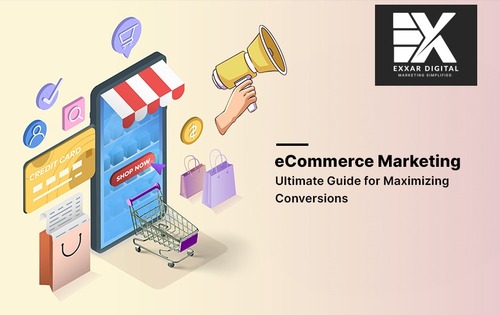
Creating a fruitful ecommerce marketing strategy comprises positioning clear business goals with actionable marketing ladders that steadily appeal, engage, and convert leads into loyal customers.
Setting SMART Goals for Ecommerce Success
Each marketing campaign should commence with SMART goals, Specific, Measurable, Achievable, Relevant, and Time-bound objectives that guide your activities and track growth. For instance, targeting to upsurge monthly sales by 20% through targeted email automation within six months proposes a clear path to computable achievement.
Building a Strong Brand Identity
A compelling brand uniqueness goes beyond a logo or tagline; it’s the expressive and visual representation of your business that customers attach to. Steadiness in tone, color palette, messaging, and values across each digital platform figures gratitude, trust, and loyalty, confirming that your brand remnants unforgettable in the consumer’s mind long after the purchase.
Search Engine Optimization (SEO) for Ecommerce Websites
Search Engine Optimization relics on one of the most cost-effective and commanding ways to drive organic traffic, as ranking advanced on search engines straight surges visibility, credibility, and conversions for ecommerce websites.
On-Page SEO Best Practices
Optimizing your ecommerce site for SEO means fashioning keyword-rich product titles, writing convincing meta descriptions, and using expressive alt text for images, which aids search engines in recognizing your content and makes your website more reachable to all users.
Technical SEO Essentials
Technical SEO confirms your website’s structure chains both users and search engines by cultivating page load speed, executing mobile-friendly designs, and using schema markup to improve product visibility on Google Shopping results.
Off-Page SEO and Link Building for Ecommerce
Earning backlinks from trustworthy websites and influencers can meaningfully advance your domain authority, helping you outpace competitors and establish trust within your industry niche.
Pay-Per-Click (PPC) Advertising for Ecommerce
Pay-Per-Click advertising is a commanding balance to organic marketing because it consents ecommerce brands to seem in front of probable buyers precisely when they are searching for associated products or services.
Google Ads and Product Listing Ads (PLAs)
Running Google Shopping Ads benefits display your products straight in search results with images, prices, and ratings, which apprehensions high-intent shoppers who are prepared to make a purchase.
Facebook and Instagram Ad Campaigns
Meanwhile, social platforms are visually driven, ecommerce brands can usage them to tell stories, reveal products in action, and build sensitive connections with audiences through energetic carousel and video ads.
Email Marketing and Automation
Crafting Engaging Email Campaigns
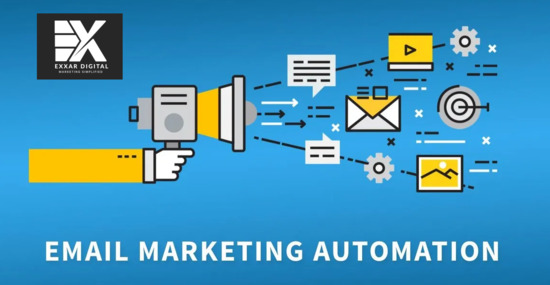
Email leftovers is one of the most lucrative marketing channels, as it empowers brands to nurture relationships through bespoke content, special offers, and sensible follow-ups that direct prospects down the sales funnel.
Using Segmentation for Better Conversions
Segmenting your email list based on customer behavior, location, and purchase history aids in sending applicable messages that are personal and appropriate, thereby cultivating engagement and conversion rates.
Social Media Marketing Strategies
Leveraging Influencer Partnerships
Cooperating with influencers who sincerely align with your brand can suggestively enlarge your reach and credibility, as customers are more expected to trust endorsements from people they esteem and follow online.
User-Generated Content (UGC)
Inspiring your customers to share their experiences, photos, and videos of your products not only increases brand legitimacy but also delivers free, significant social media marketing content that builds community trust.
Content Marketing for Ecommerce Growth
Blogging and Video Marketing
Producing respected content through blogs and videos permits ecommerce businesses to respond to customer questions, validate product use, and establish themselves as believed leaders in their industry.
Product Guides and Tutorials
Well-written buying guides and tutorials streamline decision-making for shoppers, growing the likelihood of conversions while reducing post-purchase displeasure.
Conversion Rate Optimization (CRO) Techniques
A/B Testing and Landing Page Optimization
By testing diverse varieties of your landing pages, headlines, and calls-to-action, you can classify which essentials drive the uppermost engagement and optimize for steady upgrading.
Enhancing Checkout Experience
A smooth and protected checkout procedure with slight steps, transparent shipping details, and numerous payment options confirms that customers complete their purchases without frustration or reluctance.
Affiliate and Referral Marketing Programs
Emerging an affiliate or referral marketing program permits your most loyal customers to become brand promoters, sharing your products with their networks in exchange for prizes or commissions, forming a win-win ecosystem that fuels progress.
Retargeting and Remarketing Strategies
Retargeting campaigns usage cookies and tracking pixels to re-engage probable buyers who displayed interest but didn’t accomplish their purchase, prompting them of what they left behind and cumulative the probabilities of conversion through delicate tenacity.
Mobile Commerce Optimization
With mobile commerce accounting for over 70% of worldwide online sales, optimizing your ecommerce site for smartphones is no longer elective but crucial, as users think fast-loading pages, spontaneous navigation, and one-piece checkout experiences on any device.
Future Trends in Ecommerce Marketing
The forthcoming of ecommerce marketing will be conquered by artificial intelligence, voice search, and augmented reality, which will authorize brands to bring hyper-personalized, immersive experiences that bridge the gap between online suitability and physical interactivity.
Maintainable business performs will also become a core differentiator, as eco-conscious consumers progressively claim transparency and decent operations from the brands they support.
FAQs
What is eCommerce Online Marketing?
Ecommerce online marketing denotes to digital tactics such as SEO, PPC, and social media that drive traffic, appeal customers, and upsurge online sales.
How Can I Increase Traffic to My Online Store?
Emphasis on content creation, search optimization, influencer collaborations, and targeted ad campaigns that carry in high-quality visitors.
Which Tools are Best for eCommerce Marketing?
Top recommended tools include Google Analytics, Klaviyo, Ahrefs, Mailchimp, and Shopify Marketing Suite.
Does Content Marketing Really Help eCommerce Stores?
Yes, because content begins authority, builds trust, and offers valuable information that guides customers toward purchasing conclusions.
How Do I Measure the Success of My Marketing Efforts?
Track performance metrics like click-through rate, conversion rate, and return on ad spend (ROAS) using analytics dashboards.
What is the Most Effective Social Media Platform for eCommerce?
It depends on your audience, but Instagram, TikTok, and Facebook are usually the most impactful for visual product storytelling.
Conclusion
Ecommerce online marketing is an ever-evolving arena that necessitates creativity, strategy, and adaptability to stay competitive. By integrating SEO, content marketing, paid advertising, and personalized automation into your progress plan, you can not only growth traffic and sales but also figure a brand that echoes with your customers for years to come.