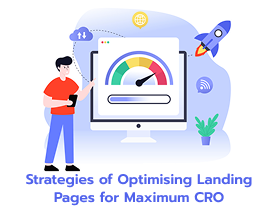
Optimising landing pages for maximum CRO is one of the most actual ways to grow revenue without cumulative traffic. A well-optimized landing page can turn unintended visitors into leads, subscribers, or customers, sometimes doubling or even tripling conversions with the equivalent audience.
In today’s viable digital landscape, merely driving traffic is not sufficient. If your landing page fails to encourage, reassure, and guide users toward action, you’re leaving money on the table. This guide breaks down confirmed strategies, best practices, and real-world insights to aid you progress conversions step by step.
Understanding CRO and Why Landing Pages Matter
What Is Conversion Rate Optimization (CRO)?
Conversion Rate Optimization (CRO) is the method of improving a website or landing page to upsurge the percentage of users who complete a desired action. That action might be signing up for a newsletter, downloading a resource, booking a demo, or making a purchase. CRO efforts on user behaviour, psychology, and testing, not guesswork.
The Role of Landing Pages in CRO
Landing pages are considered with a sole goal. Unlike homepages, they remove distractions and guide visitors toward one clear action. This emphasis makes them the most critical asset when optimising landing pages for maximum CRO.
Core Principles of High-Converting Landing Pages
A high-converting landing page is constructed on the basis of clarity and focus, ensuring that every section leads the visitor toward a single, well-defined action. By aligning a convincing headline with a frictionless user experience, you can meaningfully advance your conversion rates.
Strong Visual Hierarchy
The most significant information, such as your Unique Value Proposition (UVP) and the Call-to-Action (CTA), should be the most prominent. Use size, colour, and whitespace to guide the user’s eye obviously toward the conversion goal.
Clarity Over Creativity
While clever copy has its place, a high-converting page prioritizes clarity. Within seconds, a visitor should comprehend precisely what is being offered and how it solves their detailed problem without any ambiguity.
Trust and Social Proof
Reducing “conversion anxiety” is vigorous. Incorporating social proof, such as testimonials, case studies, or trust badges, validates your claims and builds the credibility essential for a visitor to take the next step.
Frictionless CTA
The Call-to-Action should be visually diverse and use action-oriented language. Minimizing the number of form fields and removing outward navigation links benefits keep the user focused solely on completing the desired task.
One Goal, One Page
Each landing page should effort on a single conversion objective. Multiple CTAs dilute attention and reduce conversions.
Audience Research and Intent Matching for better CRO
Identifying User Pain Points
High-converting landing pages speak directly to user problems. Understand:
- What problem brought them here
- What outcome they want
- What objections they may have
Using Heatmaps and Session Recordings
Tools like Hotjar and Microsoft Clarity disclose where users click, scroll, or drop off. These insights are priceless for optimising landing pages for maximum CRO.
Aligning Copy With Traffic Source
Message match is critical. Ads, emails, and search results should echo the same promise as the landing page headline.
Optimising Landing Page Headlines for Better Conversions
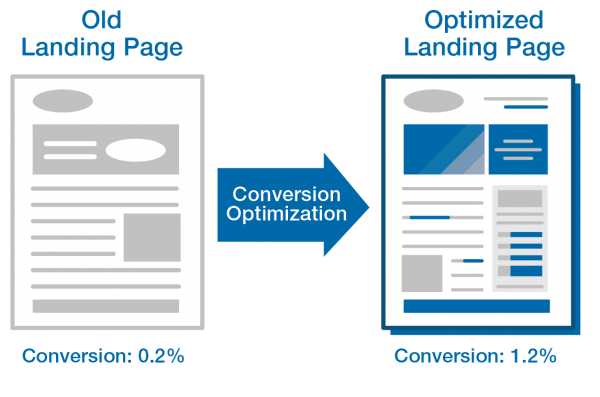
Optimizing headlines is a critical component of conversion rate optimization (CRO), as the headline is often the chief factor in a visitor’s decision to stay on a page or leave. An effective headline must bridge the gap between a user’s search intent and the value your page provides.
Lead with the Value Proposition
A conversion-focused headline should instantly communicate the primary benefit of the offer. Instead of focusing on what the product is, emphasis on what the product does for the user to solve their precise pain point.
Prioritize Clarity Over Cleverness
While “punny” or shadowy headlines might seem creative, they often confuse visitors. High-converting headlines are ultra-specific and leave no doubt about the page’s purpose. Example: “Double Your Lead Volume in 30 Days” is more actual than “A New Era of Growth Awaits.”
Use Psychological Triggers
Incorporating elements of firmness, curiosity, or social proof can meaningfully boost engagement. Using action-oriented verbs (e.g., “Get,” “Save,” “Start”) encourages the reader to visualize themselves taking the next step.
Optimize for Scannability
Most users scan pages rather than reading every word. Confirm your headline:
- Uses a large, high-contrast font.
- Is positioned prominently “above the fold.”
- Is supported by a sub-headline that provides additional context or handles common objections.
Writing Benefit-Driven Headlines
Your headline should answer one question instantly: What’s in it for me?
Example:
❌ “All-in-One Marketing Platform”
✅ “Increase Sales by 37% With Smarter Marketing Automation”
Power Words and Emotional Triggers
Words like proven, instant, guaranteed, effortless, and free can suggestively boost engagement when used honestly.
High-Impact Copywriting Techniques
Above-the-Fold Messaging
Your value proposition, key benefit, and CTA must seem without scrolling. This area regulates whether visitors stay or bounce.
Scannable Content Structure
Use:
- Short paragraphs
- Bullet points
- Bold highlights
Most users skim before they read.
Call-to-Action (CTA) Optimization to improve CRO
CTA optimization efforts on turning passive readers into active participants by making the next step in their voyage as spontaneous and compelling as possible. A well-optimized CTA removes hesitancy and delivers a clear path toward the conversion goal.
Action-Oriented and Benefit-Driven Copy
Effective CTAs use strong, command verbs that tell the user precisely what to do. Rather than using broad text like “Submit” or “Click Here,” use language that emphasizes the value they will receive, such as “Get My Free Audit” or “Start Saving Today.”
High Visual Contrast
The CTA should be the most visually diverse element on the page. Use contrasting colours that stand out against the background to ensure the button is instantly recognisable. Maintaining adequate whitespace around the button also prevents it from getting lost in the surrounding content.
Strategic Placement and Frequency
Ensure the CTA is placed above the fold so it is noticeable without scrolling, but also repeat it at logical “decision points” throughout the page. For longer landing pages, having a CTA at the end of an influential section confirms that the user doesn’t have to hunt for a way to convert once they are convinced.
Minimizing Friction
The CTA should lead to a progression with as few hurdles as possible. If the CTA opens a form, keep the input fields to a least. Reducing the alleged effort essential to complete the action suggestively increases the likelihood of a fruitful conversion.
CTA Placement and Design
CTAs should:
- Stand out visually
- Appear multiple times
- Be placed near key decision points
CTA Copy That Drives Action
Avoid generic buttons like Submit. Use action-oriented copy:
- “Get My Free Guide”
- “Start My Free Trial”
- “Book My Demo Now”
Visual Design and Layout Best Practices
Visual Hierarchy and White Space
Guide the eye logically from headline → benefits → CTA. White space progresses readability and reduces cognitive load.
Using Images and Videos Strategically
Use visuals that support the message, not distract from it. Product demos and performer videos often boost conversions when appropriate.
Page Speed and Technical Performance
Why Speed Impacts CRO
A one-second delay can reduce conversions by up to 7%. Speed is a quiet conversion killer.
Tools to Test Page Speed
Use tools like Google PageSpeed Insights or GTmetrix to identify issues. You can check it through various methods and improve it.
Mobile Optimization for Higher CRO
Responsive Design Essentials
Over half of landing page traffic comes from mobile devices. Ensure:
- Large, tappable buttons
- Fast load times
- Simple navigation
Mobile-first design is no longer optional.
Trust Signals and Social Proof
Testimonials, Reviews, and Logos
People trust people. Display:
- Customer testimonials
- Star ratings
- Well-known brand logos
Security Badges and Guarantees
Money-back guarantees, privacy assurances, and SSL badges reduce anxiety and boost confidence.
Forms That Convert
Reducing Friction in Forms
Ask only for essential information. Every extra field lowers conversions.
Multi-Step vs Single-Step Forms
Multi-step forms often convert better because they feel easier and less overwhelming.
A/B Testing and Continuous Optimization
What to Test First
Start with:
- Headlines
- CTAs
- Page layout
- Form length
Optimising landing pages for maximum CRO is an ongoing process, not a one-time task.
Common Landing Page CRO Mistakes
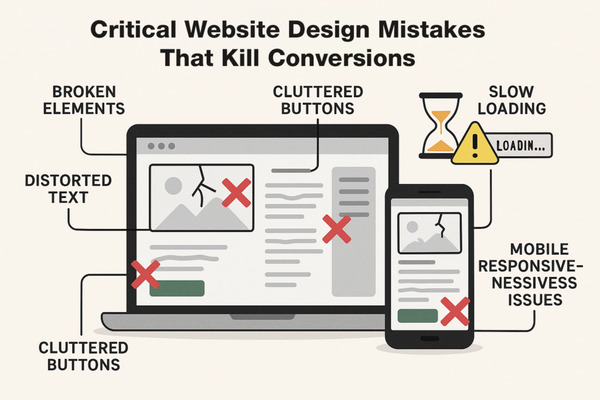
While optimizing for conversions, even minor oversight can lead to noteworthy revenue leaks. Avoiding these common mistakes safeguards your page remains a high-performance asset rather than a “leaky bucket.”
Message Mismatch
One of the most recurrent conversion killers is a lack of steadiness between the source (ad, email, or social post) and the landing page. If the headline and offer do not flawlessly mirror the capacity made in the creative that brought the user there, they will bounce directly due to a lack of trust and clarity.
Excessive “Attention Ratio”
A landing page should preferably have an attention ratio of 1:1, one goal and one link. Including a global navigation bar, social media icons, or multiple external links delivers “exit ramps” that confuse visitors from the chief conversion path. Every extra link decreases the likelihood of the main action being completed.
Invisible Social Proof
Many businesses gather prodigious testimonials but bury them at the very bottom of the page. In a fast-paced digital environment, users often choose whether to trust a brand in under three seconds. Trust signals (logos, ratings, or short quotes) should be noticeable “above the fold” to validate your claims promptly.
“Desktop-First” Thinking
Merely having a responsive design is no longer sufficient. A common mistake is failing to optimize precisely for the mobile experience, such as using buttons that are too small for thumbs, forms that are problematic to fill out on a phone, or high-resolution images that cause slow load times on mobile data.
Friction-Heavy Forms
Asking for too much information too premature creates “conversion anxiety.” Every further form field can lessening the conversion rate. Fruitful pages use advanced profiling or multi-step forms to make the preliminary “ask” feel small and low-risk.
- Too many CTAs
- Weak or vague headlines
- Slow load times
- No social proof
- Ignoring mobile users
Avoiding these mistakes can promptly progress conversion rates.
Frequently Asked Questions (FAQs)
What is CRO in landing pages?
CRO in landing pages focuses on increasing the percentage of visitors who complete a desired action through design, copy, and testing improvements.
How long does CRO optimization take?
Some improvements show results immediately, while others require weeks of testing and iteration.
What is a good landing page conversion rate?
Average rates range from 2%–5%, but optimized pages often exceed 10%.
Do images really impact CRO?
Yes. Relevant visuals can clarify value and improve engagement, while poor visuals can hurt conversions.
How often should I A/B test landing pages?
Continuously. CRO works best as an ongoing optimization cycle.
Is optimising landing pages for maximum CRO expensive?
Not necessarily. Many improvements involve copy, layout, and user experience, not costly redesigns.
In Conclusion :
Optimising landing pages for thoroughgoing CRO is one of the cleverest investments you can make in digital marketing. By focusing on clarity, speed, trust, and user intent, you can vividly upsurge conversions without cumulative traffic or ad spend.
Start small, test often, and let data guide your decisions. Over time, even minor improvements can lead to massive growth.