
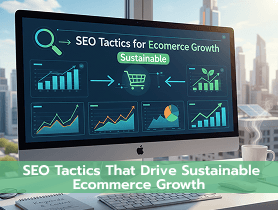
Ecommerce is more competitive than ever. Paid ads are expensive, social media reach is volatile, and trends change fast. That’s why Strategic SEO Tactics That Drive Sustainable Ecommerce Growth have become vital for brands that want steady traffic, higher conversions, and long-term profitability.
Unlike short-term marketing wins, SEO emphasises building a robust foundation. When done right, it brings compounding returns, month after month, year after year. In this in-depth guide, you’ll learn how to apply proven SEO strategies that support justifiable ecommerce growth, not just quick spikes in traffic.
What Sustainable Ecommerce Growth Really Means?
Sustainable ecommerce growth is about creating systems that endure to produce revenue without relying deeply on paid advertising. It focuses on:
- Long-term organic traffic
- Strong brand authority
- Customer trust and loyalty
- Scalable operations
SEO plays a central role because it aligns flawlessly with these goals. When your store ranks well for high-intent keywords, customers discover you precisely when they’re prepared to buy.
Why SEO Is Critical for Ecommerce Success?
SEO is the invisible engine that powers long-term ecommerce growth, safeguarding your products seem precisely when customers are searching for them. In a crowded digital marketplace, a robust SEO strategy acts as a cost-effective competitive advantage, driving high-intent organic traffic that doesn’t disappear the moment you stop paying for ads.
Eventually, ranking high in search results not only boosts sales but also builds vital brand credibility, signalling to shoppers that your store is a reliable authority in your niche.
SEO is not just about rankings, it’s about visibility, credibility, and customer experience.
Key benefits include:
- Lower customer acquisition costs
- Higher conversion rates from organic traffic
- Increased brand trust
- Better user experience
- Long-lasting results
Unlike ads that stop working once the budget ends, SEO keeps delivering value over time.
Keyword Research That Focuses on Buyer Intent
Keyword research that prioritizes buyer intent moves beyond modest search volume to analyze the “why” behind a search, distinctive between users who are simply browsing and those ready to make a purchase.
By targeting detailed transactional phrases often signalling urgency or comparison, such as “best price for X” or “buy Y online”, marketers can appeal high-quality traffic that is meaningly more likely to convert.
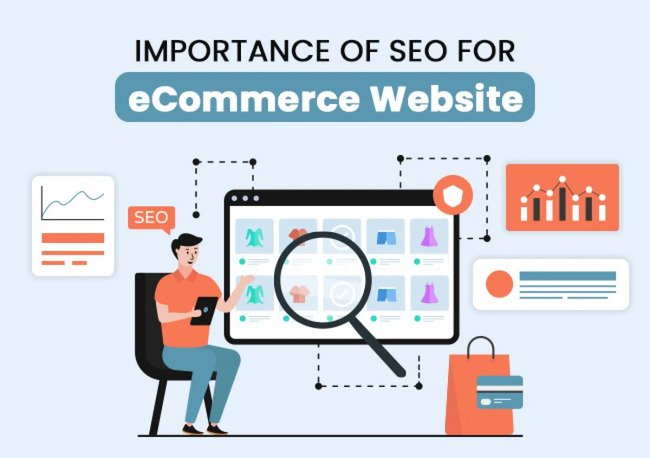
This strategic emphasis ensures that SEO efforts drive actual revenue rather than just vanity metrics, delivering a sturdier return on investment. Keyword research is the foundation of all Strategic SEO Tactics That Drive Sustainable Ecommerce Growth.
Prioritize Transactional and Commercial Keywords
Not all keywords are equal. Ecommerce stores should emphasis on keywords with buying intent, such as:
- “Buy running shoes online”
- “Best noise-cancelling headphones”
- “Affordable standing desk”
These keywords entice users who are closer to making a purchase.
Use Long-Tail Keywords for Faster Wins
Long-tail keywords have lower competition and higher conversion rates. For example:
- “Organic skincare products for sensitive skin”
- “Men’s waterproof hiking boots size 11”
Targeting these helps new and growing ecommerce sites gain traction faster.
Optimizing Product Pages for Maximum Visibility
Product pages are where conversions happen. Optimising them properly is crucial for achieving sustainable growth.
On-Page SEO Best Practices
Every product page should include:
- A keyword-optimized title tag
- A compelling meta description
- Clear H1 and H2 headings
- Unique product descriptions (avoid manufacturer copy)
- Optimized images with alt text
Search engines reward novelty and relevance, while customers appreciate clarity.
Enhance User Experience (UX)
SEO and UX go hand in hand. Improve:
- Page load speed
- Mobile responsiveness
- Clear navigation
- Simple checkout process
Google favours sites that provide a smooth, user-friendly experience.
Category Pages: The Hidden SEO Powerhouse
Many ecommerce brands overlook category pages, but they are often the highest-ranking and highest-converting pages.
How to Optimize Category Pages
- Add 200–400 words of helpful content
- Include primary and secondary keywords naturally
- Use internal links to products and related categories
- Add filters without creating duplicate content
Well-optimized category pages capture high-volume keywords and funnel users toward purchases.
Content Marketing That Supports Ecommerce SEO
Content marketing is the tactical bridge that connects information seekers to your products, allowing you to capture customers early in their buying journey through “how-to” guides, comparison posts, and trend reports.
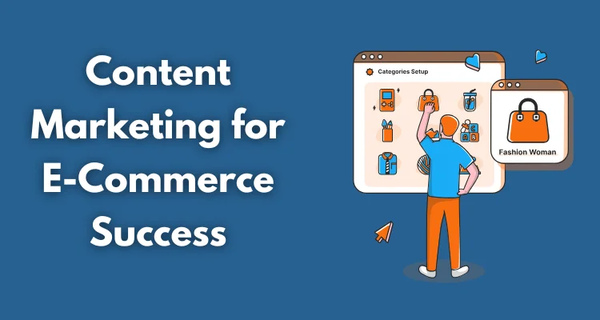
By targeting informational keywords that product pages often miss, high-quality content builds domain authority and valuable backlinks, which in turn boosts the ranking power of your entire store.
Furthermore, helpful content retains users on your site longer, sending confident engagement signals to search engines while subtly guiding shoppers toward a purchase. Content is a commanding driver of organic traffic and brand authority.
Create Informational Content That Solves Problems
Examples include:
- Buying guides
- Product comparisons
- How-to articles
- Industry trends
These articles attract users earlier in the buyer journey and build trust before the sale.
A prodigious resource for understanding content-driven SEO is Exxar Digital, which explains how content and search intent work together:
Use Internal Linking Strategically
Link blog content to relevant product and category pages. This:
- Improves crawlability
- Distributes link equity
- Guides users toward conversion
Internal linking is one of the simplest yet most effective SEO tactics.
Technical SEO: The Backbone of Sustainable Growth
Technical SEO safeguards search engines can crawl, index, and rank your store professionally.
Core Technical SEO Elements
Focus on:
- Fast page speed
- Secure HTTPS
- Clean URL structure
- Proper use of canonical tags
- XML sitemaps
Ignoring technical SEO can hold back even the best content and products.
Mobile-First Optimization
With most ecommerce traffic coming from mobile devices, mobile optimization is no longer optional. Google indexes mobile versions first, so responsive design is critical.
Building High-Quality Backlinks for Authority
Backlinks remain one of Google’s strongest ranking signals.
Effective Link-Building Strategies
- Guest posting on industry blogs
- Digital PR and brand mentions
- Influencer collaborations
- Creating link-worthy resources
Avoid low-quality or spammy links, as they can damage your site’s credibility.
Leveraging Data and Analytics for Continuous Improvement
SEO is not a one-time effort, it’s an ongoing procedure.
Key Metrics to Track
- Organic traffic
- Keyword rankings
- Conversion rate
- Bounce rate
- Revenue from organic search
Use tools like Google Search Console and Google Analytics to classify opportunities and fix issues before they affect growth.
Local SEO for Ecommerce Brands with Physical Presence
If your ecommerce brand also has physical stores or helps detailed regions, local SEO can drive highly targeted traffic.
Key steps include:
- Optimizing Google Business Profile
- Using location-based keywords
- Collecting customer reviews
Local SEO supports omnichannel progress and builds trust with nearby customers.
FAQs: Strategic SEO Tactics That Drive Sustainable Ecommerce Growth
How long does ecommerce SEO take to show results?
Most ecommerce stores see obvious improvements within 3–6 months, with stronger results over 12 months.
Is SEO better than paid advertising for ecommerce?
SEO offers long-term value, while paid ads deliver short-term results. The best strategy often combines both.
How often should I update product pages for SEO?
Update product pages whenever pricing, availability, or features change, and refresh content at least annually.
Do product descriptions really affect rankings?
Yes. Unique, keyword-rich descriptions improve rankings and conversion rates.
Is blogging necessary for ecommerce SEO?
Blogging isn’t mandatory, but it significantly helps attract organic traffic and support internal linking.
Can small ecommerce stores compete with big brands using SEO?
Absolutely. Long-tail keywords, niche authority, and great content allow smaller brands to compete effectively.
Conclusion: Building Long-Term Success with SEO
Strategic SEO Tactics That Drive Sustainable Ecommerce Growth are not about shortcuts or tricks. They emphasis on creating value for users and search engines alike. By investing in keyword research, on-page optimization, content marketing, technical SEO, and data-driven improvements, ecommerce brands can attain steady, scalable growth.
The key is reliability. SEO rewards patience, quality, and strategy. When you commit to long-term optimization, your ecommerce business gains a competitive advantage that’s hard to replicate.