Why the New LinkedIn Algorithm Matters More Than Ever?
The new LinkedIn algorithm has changed how content is circulated, who sees your posts, and how fast your audience can grow. If you are still using old tactics like mass tagging, random hashtags, or link-heavy posts, your reach is likely shrinking.
LinkedIn is no longer just a job-search platform. It has become a content-driven professional network where valuable conversations outperform viral tricks. Understanding the new LinkedIn algorithm can benefit creators, founders, job seekers, and brands grow their audience fast, without paid ads.
This guide breaks down precisely how the new LinkedIn algorithm works and how you can use it to your advantage.
How the New LinkedIn Algorithm Works in 2026?
In 2026, the LinkedIn algorithm has shifted away from broad virality to prioritize relevance and niche authority, explicitly rewarding content that fosters expressive conversations among existing connections rather than passive likes.
The feed now heavily favours dwell time and “knowledge sharing,” meaning deep-dive text posts, carousels, and native videos that offer detailed professional insights perform meaningfully better than general engagement bait.
Furthermore, the system increasingly filters for creator credibility, ensuring that posts are shown chiefly to audiences precisely interested in that creator’s established area of expertise.
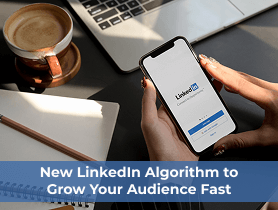
New LinkedIn Algorithm to Grow Your Audience Fast
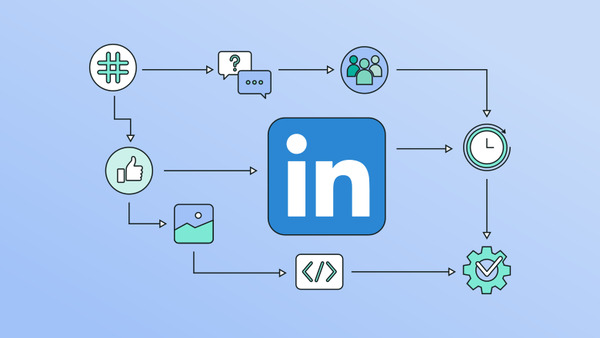
To grow an audience quickly under the 2026 algorithm, you must pivot from generic content to hyper-specific niche authority, as the system now fast-tracks creators who dominate a single topic over generalists.
Speed is generated by triggering “engagement velocity” within the first hour of posting; this means publishing high-dwell-time formats like PDF carousels and directly driving conversation in the comments to signal high relevance.
Furthermore, the fastest way to expand reach is no longer just posting, but strategic commenting on top-tier accounts in your industry, which “borrows” their authority and directs their highly pertinent traffic back to your profile.
In 2026, the LinkedIn algorithm (often referred to internally as 360Brew) has undergone its most significant shift yet, moving away from rewarding viral reach toward a model built on “Depth and Authority.” The algorithm now functions as a “relevance engine” that prioritizes content based on a user’s specific professional niche rather than just the size of their network.
Key Pillars of the 2026 Algorithm:
The Depth Score: LinkedIn now measures how deeply a user interacts with your content. This includes Dwell Time (staying on the post for more than 15 seconds), Saves, and Shares with Added Context. “Like” counts have been significantly de-emphasized in favor of these high-intent actions.
Interest-Based Distribution: Your posts are no longer shown to all your followers by default. Instead, the algorithm identifies the “topic DNA” of your post and pushes it to users who have historically engaged with that specific niche, even if they aren’t in your 1st-degree network.
Verification & Trust Signals: Verified profiles (those with the “shield” icon) are seeing a notable lift in organic reach. The algorithm uses verification as a primary trust signal to filter out the surge of low-effort, purely AI-generated “ghost” accounts.
The First 60 Minutes: The “Golden Hour” is more critical than ever. The algorithm monitors the speed and quality of comments in the first hour. Short, one-word replies like “Great post!” are now flagged as low-value, whereas multi-sentence discussions trigger a significant reach multiplier.
Strategic Shifts for 2026:
Video First: Native vertical video has become the highest-reaching format, especially when it includes captions and delivers value within the first 3 seconds to satisfy mobile-first consumption habits.
PDF Carousels: These remain the “save-generating machines” of the platform because they naturally keep users on the screen longer, satisfying the dwell time requirements.
External Link Penalties: The “link in comments” strategy has been largely patched. The 2026 algorithm now identifies “bridge” behavior and penalizes posts that attempt to drive traffic off-platform without providing substantial native value first.
Content Quality Comes First in LinkedIn Promotion
Content quality on LinkedIn serves as the fundamental driver of visibility, as the platform’s algorithm increasingly prioritizes high-value, relevant insights over superficial engagement tactics.
Promotional efforts are only effective when backed by authentic expertise and actionable advice that establishes trust and authority within a precise niche. Ultimately, no amount of paid or organic promotion can sustain long-term engagement if the underlying content fails to educate, inspire, or solve a problem for the professional audience.
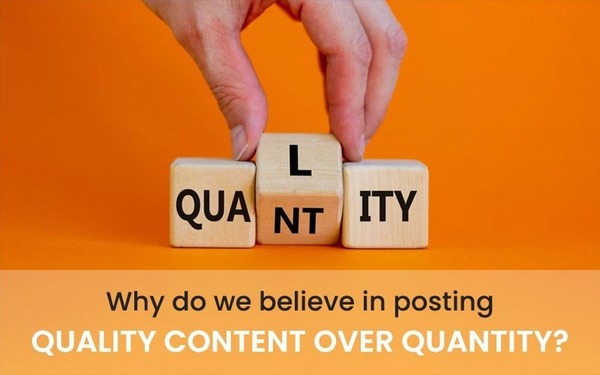
LinkedIn now prioritizes relevance and value, not posting frequency. The algorithm analyzes:
- Topic relevance to your network
- Early engagement quality
- Time spent reading your post (dwell time)
Low-effort or AI-spam content is quickly deprioritized.
Early Engagement Is Critical
The first 60–90 minutes after posting are crucial. If your post gets:
- Meaningful comments
- Replies from you (creator interaction)
- Saves and profile visits
LinkedIn pushes it to second- and third-degree connections.
LinkedIn’s Dwell Time Beats Likes
A long, thoughtful post that keeps people reading performs better than a short post with many likes. The new LinkedIn algorithm tracks scroll pauses and read completion.
In the 2026 LinkedIn landscape, Dwell Time has solidified its position as the platform’s most critical engagement metric, effectively dethroning the “Like” as the primary driver of organic reach.
While a like is a quick, binary action that takes a fraction of a second, dwell time measures the actual minutes or seconds a user spends consuming your content, signaling true depth and value to the algorithm.
Why Dwell Time Outranks Likes:
Harder to Game: Unlike likes, which can be inflated by engagement pods or “click-and-run” behavior, dwell time is almost impossible to fake. LinkedIn’s algorithm now identifies “click bounces” where a user clicks a post but leaves immediately and de-ranks that content.
The 15-Second Rule: Current algorithm data suggests that if a user spends more than 15 seconds on your post (by reading a long caption or swiping through a carousel), your reach multiplier kicks in. Conversely, content that is scrolled past in under 3 seconds is often flagged as low-value.
Passive Value: LinkedIn recognizes that many senior professionals are “lurkers” who consume high-value content without ever hitting the like button. Dwell time ensures that insightful, long-form content is rewarded even if it doesn’t spark immediate viral reactions.
How to Optimize for Dwell Time:
Long-Form Carousels: Multi-slide PDFs (8–12 slides) are the gold standard for dwell time because each swipe and read-through keeps the user on your post longer.
The “See More” Hook: Crafting a compelling first two lines forces users to click “See more,” which signals intent and starts the clock on dwell time measurement.
Narrative Structure: Moving away from “broetry” (short, punchy one-liners) toward structured, 1,200+ character stories encourages readers to slow down and stay engaged.
Best Content Types to Grow Fast on LinkedIn
To maximize reach and engagement, PDF Carousels (documents) are currently the most effective format because they encourage users to stop scrolling and swipe, significantly boosting “dwell time” signals to the algorithm.
Text-only posts with strong, relatable hooks remain essential for broad viral reach, while short-form native video builds the personal trust and authority necessary to convert viewers into followers.
Combining these formats ensures a mix of deep educational value and accessible, shareable content that accelerates profile growth.
Text-Only Posts Are Back
Surprisingly, plain text posts are dominating feeds again. Why?
- Faster load time
- Higher dwell time
- More conversation-driven
Aim for 6–12 short lines with spacing.
Carousel Posts (Document Posts)
PDF carousel posts still perform extremely well when they:
- Teach one clear idea
- Use simple visuals
- End with a strong CTA
Native Video (Short-Form)
Short videos (30–90 seconds) with captions get priority, especially when:
- You hook viewers in the first 3 seconds
- You speak directly to one problem
Posting Frequency: What Actually Works Now
The new LinkedIn algorithm rewards consistency, not volume.
Best practice:
- 3–4 posts per week
- Same posting time
- Avoid posting twice in one day
Quality beats quantity every single time.
Hashtags: Fewer, Smarter, Better
Hashtags are no longer a discovery hack. Use them for categorization, not reach.
Recommended:
- 3–5 hashtags max
- One broad (#LinkedInMarketing)
- Two niche-specific
- One personal or branded hashtag
Avoid stuffing hashtags in comments.
Comments Are Your Secret Growth Weapon on LinkedIn
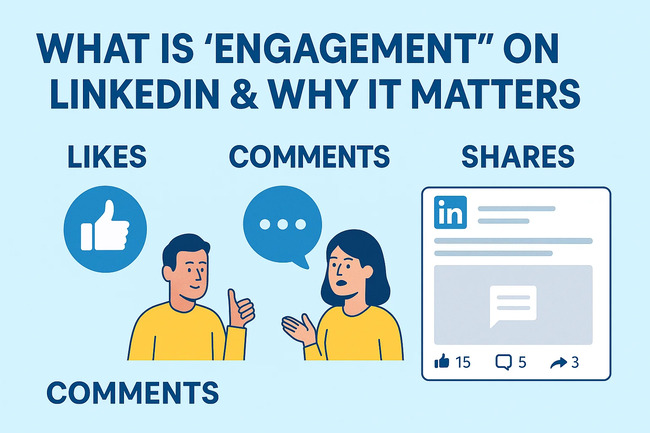
Why Comments Matter More Than Posts
The new LinkedIn algorithm treats comments as content. Smart commenting can:
- Put you in front of new audiences
- Drive profile visits
- Increase connection requests
How to Comment Strategically
- Comment within the first hour
- Add insights, not praise
- Write 2–4 sentence mini-posts
Your comments should teach or challenge ideas respectfully.
LinkedIn Profile Optimization for Algorithm Boost
To trigger an algorithmic boost, your LinkedIn profile must be treated as a searchable landing page where keyword optimization in your Headline and About section directly aligns with the terms recruiters and clients are searching for.
Achieving “All-Star” status by filling out every section including skills, experience, and a professional photo, signals to the algorithm that your profile is active and credible, increasing its visibility in search results.
Furthermore, consistent engagement with other accounts helps “wake up” your profile, prompting the algorithm to serve your content to a wider network. Even great content fails if your profile is weak.
Optimize these sections:
- Headline: Clear value + audience
- About section: Story-driven, keyword-rich
- Featured section: Best-performing content
LinkedIn promotes creators whose profiles keep users on the platform.
Common Mistakes That Kill Reach on LinkedIn
One of the most damaging mistakes is placing external links directly in the post body, as the algorithm actively penalizes content that attempts to drive traffic off the platform.
Engaging in “tagging walls”, tagging multiple people who do not interact with the post, signals spam behaviour to the system, often resulting in immediate suppression of the content.
Additionally, inconsistent posting schedules and a lack of engagement with commenters prevent the algorithm from gathering the necessary signals to categorize you as a reliable, high-quality creator.
Avoid these if you want to grow fast:
- External links in the post body
- Engagement pods
- Overused AI-generated posts
- Clickbait without value
- Posting without replying to comments
These signals reduce trust with the new LinkedIn algorithm.
Best Time to Post on LinkedIn in 2026
In 2026, the “best time” has shifted from a universal golden hour to a strategy based on audience routine and time zones. While mid-week mornings (Tuesday–Thursday, 9:00 AM – 11:00 AM) endure the safest bet for maximum B2B visibility, the algorithm now deeply favours posts that produce instant, high-quality discussion within the first 90 minutes of publishing.
Therefore, the optimal time is firmly when your specific network is most likely to be online and ready to comment, rather than a generic global standard.
While it varies by audience, general data shows:
- Tuesday to Thursday
- 8:00–10:00 AM (local time)
- Test and track results for 30 days
Consistency matters more than timing perfection.
In 2026, the LinkedIn algorithm has shifted from rewarding “viral” reach to prioritizing relevance and depth. Growing faster now requires moving beyond simple likes and focusing on “deep signals” that prove your topical authority.
Key Shifts in the 2026 Algorithm
- Interest Over Network: Your content is no longer shown to all followers by default. Instead, LinkedIn uses AI to deliver your posts to users interested in your specific niche, even if they aren’t connected to you.
- The Power of “Saves”: While likes are now considered “low-weight,” saves and sends (sharing via DM) are high-value signals. The algorithm treats a “save” as a massive vote of confidence in your content’s utility.
- Dwell Time & Depth: LinkedIn measures how long users linger on your post. PDF carousels (8–15 slides) and native videos (30–90 seconds) are the current champions for maintaining “community lingering.”
- Comment Quality: “Great post!” replies are increasingly ignored by the system. Growth is driven by thoughtful, multi-sentence comments and your ability to respond to them within the first hour of posting.
Practical Growth Tips
To grow effectively, treat your profile as a “supporting document” for your content. Ensure your Headline and About sections clearly define your expertise, as the algorithm uses these to categorize who should see your posts. Avoid external links in the main body which can slash reach by up to 60%, and instead place them in the first comment to keep users on the platform.
FAQs About the New LinkedIn Algorithm
Does the new LinkedIn algorithm favor creators over companies?
Yes, personal profiles generally receive higher organic reach than company pages.
Are links bad for reach on LinkedIn?
Links in the post body reduce reach. Place them in the first comment instead.
How long should LinkedIn posts be now?
Between 900–1,500 characters works best for dwell time.
Do hashtags still help growth?
They help categorization, not viral reach. Use them sparingly.
Is AI content penalized by LinkedIn?
Yes, low-quality or repetitive AI content is deprioritized.
How fast can I grow using the new LinkedIn algorithm?
With consistent value-driven content, many creators see growth within 30–60 days.
Conclusion: Master the New LinkedIn Algorithm to Grow Faster
The new LinkedIn algorithm rewards authenticity, relevance, and meaningful interaction. Growth is no longer about hacks, it’s about helping the right people with the right message.
If you focus on:
- High-value content
- Real conversations
- Consistent posting
- Profile optimization
You can grow your LinkedIn audience faster than ever, organically and sustainably.