
Increasing eCommerce sales without overspending involves utilizing your current resources more effectively. Begin by targeting your current audience. Individuals who have previously visited your site or engaged with your brand are generally easier (and less expensive) to convert compared to potential new customers.
Simple strategies like retargeting ads, reminder emails, or timely WhatsApp messages can encourage them to return and finalize their purchases. After that, enhance your product pages. High-quality images, truthful descriptions, customer testimonials, and a compelling call-to-action can significantly impact your sales without a hefty investment.
Occasionally, minor adjustments such as improving loading speeds or streamlining the checkout process can lead to immediate increases in conversions. Utilize social media without spending. You don’t necessarily need to invest in paid advertising, regular posts, short videos, and content created by users can foster trust and engagement.
Lastly, track what’s working and double down on it. Even basic analytics can show which products, pages, or campaigns are driving results, so you can focus your efforts where they matter most.
In short, you don’t need a big budget to grow your eCommerce sales, you just need to be more intentional, creative, and consistent with your strategy.
In today’s crowded online digital world, relying on ads alone just doesn’t cut it anymore. Advertising costs keep climbing, competition is tougher than ever, and customers are more choosy about where they spend their money. As a result, brands prerequisite to rethink how they entice and convert shoppers, and that’s why smart, low-cost ecommerce marketing strategies matter more than ever.
Introduction to Cost-Effective Ecommerce Marketing
Affordable marketing isn’t about doing less; it’s about doing things better. When you effort on organic traffic, building long-term customer relationships, and using real data to guide your decisions, you can grow sales without draining your budget.
Whether you’re just launching your store or looking to scale what you’ve already built, the right tactic can bring steady results without relying on expensive ad campaigns.
In this guide, we’ll explore practical, budget-friendly strategies that positive ecommerce brands use to grow sustainably and stay competitive over the long run.
Understanding Your Ecommerce Audience
To truly master your ecommerce strategy, you are essential to look beyond modest demographics and dive into the behavioural DNA of your shoppers. Understanding your audience means identifying not just who is buying, but the precise “why” behind every click, cart addition, and bounce.
Here are a few keys to gaining that insight:
- Analyze the Journey: Use data to see where users linger and where they drop off. This reveals whether your friction points are price-related or purely navigational.
- Psychographic Profiling: Move past age and location to understand their values, interests, and pain points. A customer buying organic cotton is driven by different motives than one looking for the fastest shipping.
- Feedback Loops: Quantitative data tells you what happened, but qualitative data (reviews and surveys) tells you how they felt about it.
The Goal: When you understand your audience, your marketing stops feeling like an intrusion and starts feeling like a tailored solution.
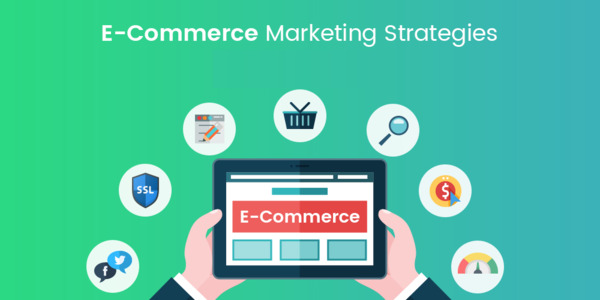
Marketing becomes expensive when it targets the wrong people. Understanding your audience is the foundation of low-cost growth.
Customer Personas and Buyer Intent
While customer personas provide a detailed roadmap of who your ideal buyers are including their challenges and lifestyles, buyer intent captures the “temperature” of their motivation at a specific moment. A well-crafted persona tells you how to speak to a customer, but understanding intent tells you when to make your move.
By aligning these two elements, you can create a more surgical marketing approach:
- Personas (The ‘Who’): These are semi-fictional representations based on data and research. They help you tailor your brand voice and product development to resonate with real human needs.
- Buyer Intent (The ‘When’): This is measured through behavioural signals like specific search queries, frequent visits to a pricing page, or downloading a technical whitepaper that indicate how close someone is to making a purchase.
- The Intersection: When you match a persona’s pain points with high-intent actions, you can deliver “just-in-time” content that nudges them from consideration to conversion.
A customer persona represents your ideal buyer, including:
- Age, gender, and location
- Pain points and motivations
- Shopping habits and preferred platforms
When you align your messaging with buyer intent, informational, navigational, or transactional, you waste less money and convert more traffic.
Using Data Analytics to Reduce Marketing Waste
Data analytics acts as a high-precision filter for your marketing budget, permitting you to classify and cut underperforming campaigns before they drain your resources. By moving away from “gut-feeling” decisions, you can reallocate spend toward the channels and creative assets that really drive measurable ROI.
Here is how data effectively trims the fat:
- Attribution Modelling: Determine exactly which touchpoints contribute to a conversion, ensuring you aren’t over-investing in “vanity” channels that don’t assist the final sale.
- Predictive Analysis: Use historical data to forecast seasonal dips or shifts in consumer interest, preventing wasted spend on products or services during low-demand periods.
- Audience Refinement: Identify “negative segments”, users who are unlikely to convert or who have a high churn rate and exclude them from your paid targeting to lower your Cost Per Acquisition (CPA).
The Bottom Line: Marketing waste often stems from a lack of visibility; data provides the transparency needed to ensure every dollar is working toward a specific conversion goal.
Free tools like Google Analytics and Google Search Console help you:
- Identify high-converting pages
- See where users drop off
- Focus on channels that actually drive revenue
Data-driven decisions ensure every marketing effort works harder.
Search Engine Optimization (SEO) for Ecommerce
SEO is one of the most powerful ecommerce marketing strategies to drive sales at the lowest cost because it delivers long-term, free traffic.
Keyword Research for Product and Category Pages
Target:
- Product-specific keywords (e.g., “wireless noise-cancelling headphones”)
- Category keywords (e.g., “men’s running shoes”)
- Long-tail keywords with buying intent
These keywords attract shoppers who are ready to purchase.
On-Page SEO Best Practices
Optimize each page with:
- Clear product titles and descriptions
- Optimized meta titles and descriptions
- Internal linking to related products
Well-optimized pages rank higher and convert better.
Technical SEO for Faster Stores
A fast, mobile-friendly website reduces bounce rates and increases sales. Focus on:
- Page speed optimization
- Secure HTTPS
- Clean site structure
Google favours stores that offer an excellent user experience. For technical best practices, read our SEO for ecommerce guide.
Content Marketing That Converts on a Budget
Content marketing that converts doesn’t require a huge ad spend; instead, it relies on strategic resourcefulness and a deep understanding of your audience’s pain points. By focusing on high-intent keywords and creating “evergreen” content that solves precise problems, you can drive organic traffic that continues to deliver value long after the initial publish date.
To maximize your ROI on a budget, consider these core strategies:
- Repurpose with Purpose: Instead of constantly creating from scratch, turn one high-performing blog post into a series of LinkedIn tips, an infographic for Pinterest, or a short-form video script for TikTok.
- Leverage User-Generated Content (UGC): Sharing customer testimonials and real-life success stories builds immediate trust and social proof, the most powerful conversion drivers without the cost of professional production.
- Double Down on Email: Your email list is a “warm” audience you own. Use simple automation to deliver value-driven newsletters that nudge subscribers toward a clear Call-to-Action (CTA).
- Embrace AI for Efficiency: Use AI tools to generate outlines, summarize research, or brainstorm headlines, allowing you to spend your limited time on high-level strategy and human storytelling.
The key to low-cost conversion is quality over quantity; one deeply insightful piece that establishes your authority will always outperform ten generic posts that fail to resonate.
Content builds trust, educates customers, and drives organic traffic without ongoing costs.
Blogging for Ecommerce Sales
Blogging for ecommerce isn’t just about sharing updates; it’s a planned engine designed to move customers through the sales funnel by providing sincere value before the transaction occurs. By focusing on educational content such as comprehensive buying guides, “how-to” tutorials, and product comparisons, you can capture potential buyers during the research phase and establish your brand as a trusted authority.
To turn readers into customers, consider these conversion-focused tactics:
- Solve, Don’t Just Sell: Address detailed pain points your products solve. A blog post titled “How to Choose the Right Solar Inverter for Your Home” builds more trust than a humble product listing.
- Strategic Internal Linking: Guide readers toward the checkout by naturally embedding links to appropriate product pages and categories within your articles.
- Visual Storytelling: Use high-quality imagery and user-generated content to show your products in action, helping customers visualize how the item fits into their own lives.
- Optimize for Search Intent: Target “commercial” and “transactional” keywords that specify a user is ready to buy, ensuring your store appears when they are searching for solutions.
Effective ecommerce blogging bridges the gap between a stranger’s curiosity and a customer’s purchase by proving that you understand their needs better than the competition.
A blog allows you to:
- Answer common customer questions
- Rank for informational keywords
- Introduce products naturally
Helpful content positions your brand as an authority.
Product Guides and Comparison Content
Buyers love comparison guides and “best of” lists. These articles:
- Reduce buyer hesitation
- Increase average order value
- Improve conversion rates
They work especially well for competitive niches.
Email Marketing is the highest ROI Channel for eCommerce
Email marketing relics the undoubted king of eCommerce ROI because it permits you to communicate straight with an audience that has already expressed interest in your brand. Unlike social media algorithms that limit your reach, email delivers a direct line to your customers’ inboxes, resulting in an average return of $13 to $20 for every dollar spent.
The power of email in eCommerce lies in its ability to automate the customer journey through every stage of the funnel:
- Recovery of Lost Revenue: Automated “Abandoned Cart” sequences serve as a determined safety net, bringing back shoppers who were seconds away from a purchase.
- Hyper-Personalization: By segmenting your list based on past purchase behaviour or geographic location, you can send tailored offers that resonate more intensely than a generic broadcast.
- Retention and Loyalty: Regular newsletters and “VIP” early-access deals retain your brand top-of-mind, turning one-time buyers into lifelong advocates without the cost of acquiring new leads.
- Zero Platform Risk: You own your email list, meaning your ability to sell isn’t subject to the sudden policy changes or cost-per-click spikes of third-party advertising platforms.
By focusing on value-driven content and strategic timing, email marketing transforms a modest contact list into a consistent, predictable revenue engine. Email consistently delivers the highest ROI among all digital channels.
Building an Email List Without Paid Ads
Low-cost ways to grow your list:
- Offer discount pop-ups
- Provide free guides or checklists
- Collect emails during checkout
Your email list is an owned asset, no algorithm can take it away.
Automated Email Flows That Drive Sales
Set up:
- Welcome sequences
- Abandoned cart emails
- Post-purchase follow-ups
Automation sells for you 24/7 with minimal effort.
Social Media Marketing with Minimal Spend for eCommerce
Social media marketing on a budget is about prioritizing meaningful engagement over broad reach, shifting the attention from expensive ad campaigns to authentic community building.
For eCommerce brands, the goal is to leverage “earned” media by creating content that encourages your current customers to share their experiences, successfully turning them into your grassroots sales team.
To drive eCommerce sales with minimal spend, you can focus on these high-impact tactics:
- Master Short-Form Video: Platforms like Instagram Reels and TikTok prioritize content quality and watch time over follower count, giving small brands a chance to go viral and reach thousands of potential customers organically.
- Focus on Micro-Influencers: Instead of paying for celebrity endorsements, partner with local creators or niche experts who have slighter but highly loyal followings. Often, a product exchange or a small commission-based affiliate link is all it takes to spark a partnership.
- Engage in “Social Listening”: Actively join conversations in Facebook groups or Reddit communities where your target audience hangs out. Providing cooperative advice rather than a hard sales pitch establishes trust and drives traffic back to your store.
- User-Generated Content (UGC): Encourage customers to tag your brand in their photos. Reposting this content provides influential social proof and creates a visual “lookbook” of your products in the real world, all at zero production cost to you.
By staying consistent and focusing on the platforms where your detailed audience is most active, you can build a profitable social presence that grows alongside your revenue. You don’t need viral ads to win on social media.
Organic Social Media Strategies
Focus on:
- Short-form videos (Reels, Shorts, TikToks)
- Product demos and behind-the-scenes content
- Consistent posting schedules
Organic reach compounds over time.
Community Building and Engagement
Replying to comments, running polls, and featuring customers builds loyalty. Loyal communities buy more and recommend your brand for free.
Influencer and Affiliate Marketing on a Budget
Influencers don’t have to be expensive.
Micro-Influencers vs Macro-Influencers
Micro-influencers (5k–50k followers):
- Charge less
- Have higher engagement
- Feel more authentic
They’re ideal for low-budget ecommerce marketing.
Performance-Based Affiliate Programs
Affiliates get paid only when they generate sales. This makes affiliate marketing one of the safest and lowest-risk growth channels.
Conversion Rate Optimization (CRO)
Driving traffic is useless if your store doesn’t convert.
Improving Product Pages
High-converting pages include:
- Clear images and videos
- Social proof (reviews, testimonials)
- Strong calls-to-action
Small tweaks can significantly boost revenue.
Reducing Cart Abandonment
Recover lost sales by:
- Offering free shipping thresholds
- Simplifying checkout
- Sending cart reminder emails
These changes cost little but deliver big returns.
Retargeting and Remarketing at Low Cost
Retargeting focuses on users who already know your brand. Since they’re warmer leads, conversion costs are much lower than cold ads.
User-Generated Content (UGC) for Trust and Sales
Customer photos, reviews, and videos act as free advertising. UGC increases trust, reduces hesitation, and boosts conversions without extra spend.
Referral and Loyalty Programs
Happy customers are your best marketers. Referral programs reward customers for bringing new buyers, lowering acquisition costs significantly.
Leveraging Marketplaces and Partnerships
Selling on platforms like Amazon, Etsy, or niche marketplaces increases exposure without heavy ad spend. Strategic partnerships with complementary brands also unlock new audiences.
Measuring Performance and Scaling What Works
Track key metrics:
- Customer acquisition cost (CAC)
- Lifetime value (LTV)
- Conversion rates
Double down on strategies that deliver the highest ROI and cut what doesn’t.
Frequently Asked Questions (FAQs)
What are the most effective ecommerce marketing strategies to drive sales at lowest cost?
SEO, email marketing, content marketing, and referral programs offer the highest ROI with minimal spending.
Is paid advertising necessary for ecommerce success?
No. While helpful, organic and retention-focused strategies can drive consistent sales without heavy ad spend.
How long does SEO take to generate sales?
SEO typically takes 3–6 months, but results compound and reduce costs over time.
Which marketing channel has the highest ROI?
Email marketing consistently delivers the highest return on investment.
Can small ecommerce stores compete with big brands?
Yes. Niche targeting, personalization, and community building give smaller stores a strong advantage.
How do I reduce customer acquisition costs?
Focus on retention, referrals, organic traffic, and conversion optimization.
In Conclusion :
Growing an online store doesn’t require massive budgets, it requires smart execution. By implementing these ecommerce marketing strategies to drive sales at the lowest cost, businesses can achieve sustainable growth, stronger customer relationships, and higher profitability.
The key is consistency. Start with one or two strategies, measure results, and scale what works. Over time, low-cost marketing compounds into long-term success.