
Understanding Creative Design and Visual Graphics
Innovative design and visual graphics form the foundation of contemporary branding. They illustrate how a brand appears, resonates, and visually interacts with its audience. In a realm brimming with endless information and rivalry, visuals serve as the quickest means to grab attention and create a memorable impact.
What Is Creative Design in Branding?
Creative design in branding entails more than just creating visually appealing elements. It requires strategic thought, creativity, and narrative techniques to convey a brand’s essence. Creative design shapes a brand’s visual and emotional presentation through elements like logos, packaging, website layouts, and advertisements.
An intentional design allows brands to communicate their identity, be it vibrant and dynamic, serene and reliable, or cutting-edge and contemporary. This visual language acts as a quiet representative for the brand.
The Role of Visual Graphics in Modern Marketing
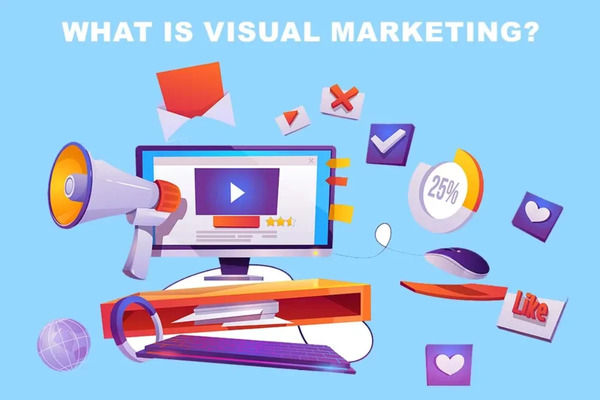
Visual graphics encompass pictures, drawings, symbols, infographics, films, and animations utilized in promotional materials. They make intricate concepts easier to understand, improve clarity, and increase content appeal. In digital marketing, images frequently decide if users halt scrolling or continue on.
Why Visual Appeal Matters in a Competitive Market?
As many brands compete for recognition, visual attractiveness has turned essential rather than just a choice. Every day, consumers face numerous marketing messages, and only brands that are visually appealing manage to grab attention.
In a crowded marketplace, visual attractiveness frequently serves as the main factor that determines whether a customer engages or moves on. As the human brain interprets visual data much quicker than text, your branding serves as a “silent pitch” that builds trust before any words are read.
The Strategic Value of Aesthetics
- The 50-Millisecond Impression: Research suggests it takes about 0.05 seconds for users to form an opinion about your brand. High-quality visuals signal professionalism and reliability, whereas dated or cluttered designs can inadvertently signal a lack of quality in the product itself.
- Cognitive Ease and Trust: Clean, appealing design reduces “cognitive load,” making it easier for customers to process your message. In a competitive landscape, the brand that is easiest to understand and most pleasing to interact with usually wins.
- Emotional Connection: While features and pricing appeal to logic, visual aesthetics appeal to emotion. Colour psychology and intentional imagery can evoke feelings of security, excitement, or luxury, creating a “halo effect” that makes your brand more memorable than competitors.
- Brand Recognition: Consistent visual appeal builds “mental availability.” When your brand has a distinct, attractive look, it stands out in a crowded marketplace, ensuring that you stay top-of-mind when a customer is finally ready to make a purchase.
First Impressions and Brand Perception
First impressions are formed quickly, and images play a key role in shaping them. A poorly designed logo or an outdated website can make a brand appear untrustworthy or unprofessional. On the other hand, polished and creative images communicate quality, reliability, and confidence.
How the Human Brain Processes Visual Content?

The human brain interprets images much more swiftly than words. Individuals retain images more effectively than text, rendering visual branding an influential means of communication. This is a key reason why the significance of imaginative designs and visual graphics in enhancing your brand is essential to recognize.
Graphic Design to Understand Our World
Graphic design serves as both a means of communication and a perspective for interpreting the world around us. It shapes our thoughts and our comprehension. When a graphic designer designs a visual depiction of an abstract idea, such as a logo for a company, they are fundamentally crafting a visual symbol that our brains can comprehend and retain. This symbolic depiction aids us in understanding the idea more effectively and swiftly.
Additionally, effective design also affects our choices and actions. An effectively designed user interface, for example, can direct our actions on a website, facilitating our ability to locate information or complete a task.
Likewise, a carefully crafted infographic can aid in comprehending intricate data and facilitate informed choices. In the area of social and political consciousness, graphic design plays an important role. Posters, logos, icons, and social media visuals can embody the spirit of social causes and movements, motivating action and transformation.
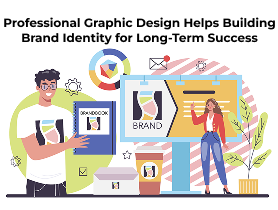
Building a Strong Brand Identity Through Design
Brand identity is how a brand is recognized and remembered. Creative designs and visual graphics work together to build a consistent and recognizable identity across all platforms.
Logos, Colour Psychology, and Typography
- Logos serve as the face of the brand
- Colours evoke emotions and influence perception
- Typography reflects personality and tone
For example, blue often represents trust and reliability, while red conveys energy and passion. Choosing the right combination helps reinforce the brand’s message.
Consistency Across All Brand Touchpoints
Consistency in visual design fosters familiarity and confidence. When customers encounter consistent colours, fonts, and design styles across websites, social media, packaging, and advertisements, the brand becomes more recognizable and memorable.
The Importance of Creative Designs and Visual Graphics to Elevate Your Brand
The importance of creative designs and visual graphics to elevate your brand lies in their ability to transform how people perceive and interact with your business. Strong visuals don’t just attract attention, they shape brand experiences.
Enhancing Brand Recognition and Recall
Creative and unique designs make brands memorable. When visuals are distinctive, customers can effortlessly recall the brand when making purchasing decisions. This
recognition gives businesses a modest advantage in crowded markets.
Communicating Brand Values Without Words
Visual graphics communicate messages instantly. A sustainable brand can use earthy colours and natural imagery, while a tech brand might rely on sleek designs and minimal layouts. These visual cues tell a story without saying a single word.
Visual Graphics as a Trust-Building Tool
Trust is a crucial factor in brand success, and visual design plays a major role in establishing it. In an era of information overload, visual graphics serve as a bridge between complex data and human intuition.
When a brand uses clear, professional visuals, it signals transparency and competence, reducing the cognitive load on the audience and making information feel more accessible.
Here is why visuals are a cornerstone of digital trust:
- Validation through Data: Charts and infographics provide immediate, tangible evidence for claims that might otherwise feel like empty marketing jargon.
- Professionalism and Consistency: High-quality design suggests a level of care and stability, reassuring users that the organization is legitimate and detail-oriented.
- Human Connection: Real photos and personalized graphics humanize a brand, moving the relationship from a sterile transaction to a relatable interaction.
Essentially, people are hardwired to process imagery faster than text; by delivering “the big picture” instantly and accurately, you demonstrate respect for the user’s time and intelligence.
Professional Design and Brand Credibility
Consumers often judge a brand’s reliability based on its visual presentation. High-quality graphics, well-designed websites, and cohesive branding suggest professionalism and attention to detail.
Emotional Connection Through Visual Storytelling
Visual storytelling allows brands to connect emotionally with their audience. Images, videos, and illustrations can convey emotions, values, and experiences that resonate deeply with customers.
Impact of Visual Design on Digital Marketing
Digital marketing relies heavily on visuals to drive engagement, clicks, and conversions. Visual design is the “digital handshake” of your brand; it creates an immediate emotional impact before a single word of copy is even read.
In a fast-paced digital landscape, high-quality visuals act as a pattern interrupt that stops the scroll and boosts engagement rates significantly compared to text-only content.
The Strategic Value of Design
- Brand Recognition: Consistent use of color palettes, typography, and imagery creates a cohesive identity that makes a brand instantly recognizable across different platforms.
- Simplified Communication: Complex value propositions are often better explained through infographics or short videos, which increase information retention and reduce user friction.
- Conversion Optimization: Strategic design choices, such as the placement of a high-contrast Call-to-Action (CTA) button or the use of directional cues, guide a user’s eye naturally toward the desired goal.
Ultimately, good design isn’t just about aesthetics; it’s a functional tool that builds credibility and drives measurable ROI by aligning a brand’s visual identity with its marketing objectives.
Social Media Engagement and Shareability
Posts with compelling visuals perform significantly better on social media platforms. Eye-catching graphics increase likes, shares, and comments, helping brands reach wider audiences organically.
Website Design, UX, and Conversion Rates
A visually appealing website improves user experience (UX). Clear layouts, attractive graphics, and intuitive design guide users smoothly through the site, increasing the chances of conversions and customer retention.
Creative Design in Advertising and Campaigns
Advertising is one of the most visible applications of creative design. Creative design is the engine that transforms a standard marketing message into a memorable brand experience. It goes beyond simple aesthetics, using strategic storytelling and visual psychology to provoke an emotional response and drive consumer action.
The Role of Creativity in Modern Campaigns
- Cutting Through the Noise: In saturated digital markets, unconventional imagery and clever art direction serve as a “pattern interrupt,” forcing a viewer to pause and engage with the content.
- Emotional Resonance: While data informs the strategy, creative design provides the heart. It translates abstract brand values into relatable visual metaphors that build a deeper connection with the audience.
- Cross-Platform Adaptability: A strong creative concept is modular; it maintains its impact whether it’s a high-resolution billboard, a 6-second social media ad, or an interactive landing page.
Key Elements of High-Impact Creative
By blending data-driven insights with bold creative execution, campaigns can transcend being “just an ad” and become a piece of cultural communication that stays with the consumer long after they’ve scrolled past.
Standing Out in Paid and Organic Campaigns
Creative visuals help advertisements stand out among competitors. Whether it’s a banner ad or a video campaign, unique design grabs attention and encourages users to engage.
Supporting Marketing Messages Visually
Visuals reinforce marketing messages and make them more persuasive. Infographics, for example, present data in a clear and engaging way, making information easier to understand and remember.
Small Businesses vs Big Brands: Why Design Levels the Playing Field?
Creative design allows small businesses to compete with larger brands effectively. Good graphic design acts as a powerful equalizer, allowing smaller players to compete with industry giants by removing the “polish gap.”
In the digital space, a user’s first impression is based on pixels, not a company’s bank balance; a well-designed interface provides an immediate infusion of authority and legitimacy that levels the competitive landscape.
How Design Equalizes the Market?
- Borrowing Institutional Trust: High-quality design communicates a level of established professionalism. For a startup, having a visual identity that matches the sophistication of a market leader can bypass the skepticism usually reserved for “the new guy.”
- The “Premium” Perception: Superior aesthetics can make a budget-friendly service feel like a premium experience. When the visual touchpoints are elegant and functional, the perceived value of the brand increases, allowing smaller firms to command higher prices.
- Accessibility to Global Markets: Professional design is a universal language. It allows a local agency to project a global standard, ensuring that location or company size doesn’t limit the ability to attract international clients.
Comparison: Perception vs. Reality
By investing in high-caliber visuals, you ensure that the quality of your brand’s appearance finally matches the quality of your actual services, preventing potential customers from dismissing you before you’ve even had a chance to speak.
Affordable Creativity with High Impact
With digital tools and platforms, high-quality design is more accessible than ever. Small brands can create impactful visuals without massive budgets.
Visual Branding for Market Differentiation
Unique visual branding helps businesses differentiate themselves. A strong design identity ensures a brand doesn’t get lost in the crowd. In a busy marketplace, visual branding is the main instrument for establishing a distinct identity that differentiates a leader from a product.
It’s not only about appearing “better” than rivals; it’s about looking uniquely like yourself so that customers can recognize your brand without relying on a logo.
Strategies for Visual Differentiation
- Counter-Categorical Design: To stand out, brands often lean into aesthetics that contrast with industry norms. For example, if competitors use corporate blues and sans-serif fonts, a brand might use organic earth tones and serif typography to signal a more artisanal or human-centric approach.
- Signature Visual Assets: Developing a proprietary visual language, such as a custom illustration style, a unique grid layout, or a specific photographic filter, creates a “brand shorthand” that is difficult for competitors to replicate.
- Psychological Positioning: Design elements can be used to occupy a specific mental space. A minimalist, spacious layout communicates luxury and “less is more,” while a vibrant, maximalist design signals energy and accessibility.
The Impact of Consistency
True differentiation requires the discipline to maintain visual standards across every touchpoint. When a brand’s social media, website, and packaging all speak the same visual language, it reinforces a sense of reliability and authority, making it the “obvious choice” in the eyes of the consumer.
Common Mistakes Brands Make with Visual Graphics
Many brands undermine their message by falling into a few common visual traps. Here is a breakdown of where things usually go sideways:
- Inconsistency Across Platforms: Using different fonts, colour palettes, or logo treatments on Instagram versus a website creates a fragmented brand identity that confuses customers and erodes trust.
- Overcrowding the Canvas: Brands often try to pack too much information into a single graphic. When you ignore white space, the visual becomes noisy, and the most important message gets buried.
- Poor Hierarchy: Without a clear focal point, the viewer’s eye doesn’t know where to land. If every element, the headline, the CTA, and the image, is competing for attention, nothing wins.
- Generic Imagery: Relying too heavily on “stocky” stock photos (unnatural poses or cliché scenarios) makes a brand feel impersonal and forgettable.
Despite the benefits, many brands misuse or underestimate visual design.
Inconsistent Design Elements
Using different styles, colours, or fonts across platforms confuses audiences and weakens brand identity.
Ignoring Audience Preferences
Designs should be created with the target audience in mind. Ignoring audience tastes and expectations can reduce engagement and impact.
How to Improve Your Brand Through Creative Design?
Improving visual branding requires strategy and collaboration. Improving your brand through creative design is about moving from “functional” to “memorable.” It requires a shift in perspective, treating design not as a finishing touch, but as a strategic asset that guides how people feel about your business.
1. Define Your Visual “North Star”
Before opening any design software, you must define the core emotion you want your brand to evoke.
The Exercise: If your brand were a person, what would they wear? A minimalist brand might use plenty of “white space” to signal luxury and focus, while an energetic brand might use bold, clashing patterns to signal disruption.
The Impact: This consistency prevents your brand from looking like a patchwork of different ideas, which can confuse customers and erode trust.
2. Prioritize User-Centric Creativity
Creative design shouldn’t just be pretty; it must be purposeful. Focus on the “User Experience” (UX) of your visuals:
Micro-Interactions: Small design details, like a unique hover effect on a button or a custom loading animation, create a sense of delight and high-end craftsmanship.
Information Architecture: Use Visual Hierarchy to tell a story. The eye should naturally flow from the most important headline to the supporting visual, ending at a clear call-to-action.
3. Audit Your Brand “Touchpoints”
Consistency is the secret sauce of brand improvement. Conduct a visual audit across all platforms:
Digital: Is your social media aesthetic a reflection of your website?
Physical: Do your proposals, business cards, or packaging feel like they belong to the same family?
The “Squint Test”: If you squint at your marketing materials until the words are blurry, can you still recognize the brand just by the colors and shapes?
Actionable Design Upgrades
Working With Professional Designers
Professional designers bring expertise, creativity, and strategic thinking. They ensure visuals align with brand goals and audience expectations.
Using Data and Feedback to Refine Visuals
Analyzing performance metrics and customer feedback helps brands refine and improve their visual strategies over time.
Future Trends in Creative Design and Visual Branding
In 2026, the landscape of creative design is defined by a fascinating tension between hyper-technological efficiency and a deep craving for human imperfection.
As AI becomes an invisible layer in every creative workflow, the most successful brands are focusing on “sensory branding”, moving beyond just visuals to create experiences that feel tactile, interactive, and emotionally resonant.
Key Shifts in Visual Branding
- Imperfect by Design: In a world of AI-generated polish, brands are intentionally leaning into “human” flaws. This includes hand-drawn illustrations, grainy textures, and “scrapbook” aesthetics that feel authentic rather than algorithmic.
- Adaptive & Kinetic Identity: Static logos are becoming a thing of the past. Modern brand systems are modular and motion-first, meaning they shift, resize, and animate fluidly depending on whether they are viewed on a smartwatch, a mobile feed, or an immersive AR display.
- Hyper-Personalization at Scale: Leveraging AI agents, brands can now deliver dynamic visual themes that adjust in real-time based on a user’s location, time of day, or past behaviour, making “one-size-fits-all” branding obsolete.
- Eco-Conscious Aesthetics: Sustainability has moved from a message to a visual language. Expect to see earth-inspired palettes (stone, clay, and moss) and “honest” packaging designs that showcase raw, recycled materials.
- Retro-Futurism & Neo-Minimalism: We are seeing a “Saturation Revival” where bold, neon 90s-inspired colours meet sleek, futuristic layouts. Minimalism is also evolving into Neo-Minimalism, which keeps layouts clean but adds warmth through soft curves and tactile 3D depth.
The Future Workspace
The role of the designer is shifting from “creator” to “curator.” While AI handles the heavy lifting of layout variations and asset scaling, the human touch is reserved for strategic storytelling, cultural nuance, and emotional depth. Design trends continue to evolve alongside technology.
Motion Graphics, AI, and Interactive Design
Motion graphics, animations, and AI-powered design tools are shaping the future of branding. Interactive visuals enhance user engagement and experience.
Personalization and Brand Experience
Personalized visuals tailored to individual users create stronger connections and improve brand loyalty.
Frequently Asked Questions (FAQs)
Why are visual graphics important for branding?
Visual graphics help brands communicate quickly, attract attention, and create emotional connections with audiences.
How do creative designs influence customer trust?
Professional and consistent designs signal credibility, making customers more likely to trust the brand.
Can small businesses benefit from creative design?
Yes, creative design helps small businesses stand out and compete with larger brands effectively.
How often should a brand update its visual design?
Brands should refresh visuals periodically while maintaining core identity elements.
What role does colour play in branding?
Colours influence emotions, perception, and brand recognition.
Is visual design important for digital marketing?
Absolutely. Visuals drive engagement, improve UX, and increase conversion rates in digital campaigns.
Conclusion: Investing in Visual Design for Long-Term Brand Growth
The importance of creative designs and visual graphics to elevate your brand goes far beyond aesthetics. Visuals shape perceptions, build trust, communicate values, and drive engagement across all platforms.
In today’s visually driven world, brands that invest in creative design position themselves for long-term success, stronger customer relationships, and sustained growth. By embracing strategic and creative visual branding, businesses can transform how they are seen, remembered, and trusted, turning simple designs into powerful brand assets.