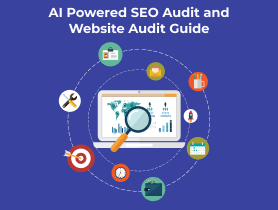
Introduction to AI-Powered SEO Audit and Website Audit Guide
In the current competitive online landscape, just having a website is insufficient. Companies need to make certain that their websites are optimized for search engines, user experience, and efficiency. This is where an AI-Driven SEO Evaluation and Website Evaluation Manual becomes crucial.
An SEO audit evaluates the effectiveness of your website’s performance on search engines such as Google. It recognizes technical problems, content deficiencies, keyword issues, and other elements that influence visibility and rankings. Historically, SEO audits were conducted manually and took many hours of analysis.
Nonetheless, due to the emergence of artificial intelligence, website audits have transformed into quicker, more intelligent, and precise processes. AI tools can navigate websites, examine numerous data points, identify SEO problems, and even suggest enhancements automatically.
This AI-Powered SEO Audit and Website Audit Guide will help you understand how AI can transform website analysis and how you can conduct a comprehensive audit step by step.
By the end of this guide, you will learn:
- What an AI-powered SEO audit is
- Why website audits are critical for SEO success
- The best tools for AI SEO analysis
- Step-by-step processes for performing an audit
- Common issues AI tools detect
- Strategies to improve your website rankings
Let’s start by understanding the basics of SEO audits.
Understanding SEO Audits in the Modern Digital Landscape
In the 2026 digital landscape, an SEO audit has evolved from a simple technical health check into a sophisticated visibility diagnostic that accounts for both human users and AI agents. Modern audits prioritize AI-Readiness, ensuring that site architecture and structured data are optimized for extraction by generative search engines like Google’s AI Overviews and ChatGPT.
Beyond traditional crawling and indexing, a contemporary audit rigorously evaluates E-E-A-T (Experience, Expertise, Authoritativeness, and Trustworthiness) to safeguard a brand’s credibility in an era of AI-generated content.
It also shifts focus toward Interaction to Next Paint (INP) and stable Core Web Vitals, acknowledging that search engines now reward seamless, “thumb-friendly” mobile experiences over mere keyword density.
Ultimately, a modern audit serves as a roadmap to transition from a “click-focused” strategy to one of “source-worthy” authority, ensuring a brand is cited as a trusted reference across the entire search ecosystem.
Key Pillars of a 2026 SEO Audit
| Focus Area | Objective | Modern Requirement |
| Technical Foundation | Search Engine Access | Optimizing for “cost per indexed answer” and AI crawl efficiency. |
| Semantic Entity Logic | Machine Understanding | Using Schema and topic clusters to define the brand as a specific “entity.” |
| Content Utility | User Intent | Moving from 3,000-word “long-form” to precise, modular answer blocks. |
| Authority Signals | Trust & Credibility | Verifying digital PR, brand mentions, and real-world human expertise. |
What Is an SEO Audit?
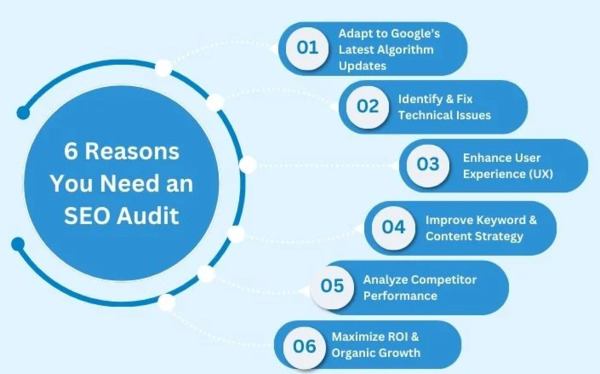
An SEO audit is a detailed evaluation of a website to determine how well it performs in search engine results. It identifies areas where your website may be underperforming and provides recommendations for improvement.
A typical SEO audit examines:
- Technical SEO structure
- On-page optimization
- Content quality
- Keyword usage
- Backlinks
- Website performance
The goal is simple: improve visibility in search engines and increase organic traffic.
Without regular audits, websites may suffer from hidden technical errors that reduce their ranking potential.
Why Website Audits Are Essential for Online Success?
A website audit is the digital equivalent of a full-body scan for your business. In an era where search engines and users have zero patience for friction, staying “under the hood” of your site is the only way to ensure your doors stay open.
Performance is Your First Impression
A website audit identifies hidden bottlenecks that kill conversions. If your Interaction to Next Paint (INP) is lagging or images aren’t optimized, users will bounce before your value proposition even loads. Audits pinpoint exactly where you’re losing money to technical debt.
Aligning with E-E-A-T Standards
Modern search algorithms prioritize Experience, Expertise, Authoritativeness, and Trustworthiness. An audit evaluates whether your content actually demonstrates these qualities or if it’s just “fluff.” It ensures your site is seen as a reliable source by both humans and AI agents.
Security and Compliance
Beyond rankings, an audit is a safety net. It catches expired SSL certificates, broken links, and vulnerabilities that could lead to data breaches. In a landscape of strict data privacy laws, a regular audit ensures you remain compliant and your customers remain protected.
The Risks of Skipping an Audit
| Risk Factor | Impact on Business |
| Invisible Errors | 404 pages and broken redirects lead to a “dead-end” user experience. |
| Algorithm Decay | Without updates, older content loses its “freshness” and drops in rankings. |
| Wasted Ad Spend | Sending paid traffic to a broken or slow landing page destroys your ROI. |
| AI Invisibility | If your site structure is messy, AI bots can’t “read” you to recommend you in chat results. |
Website audits play a crucial role in digital marketing. They ensure that your website follows search engine guidelines and delivers a smooth experience for users.
Here are some key reasons why audits are important:
Identify Technical Problems
Issues such as broken links, slow loading pages, or crawl errors can prevent search engines from indexing your website properly.
Improve Search Rankings
Fixing SEO problems helps your website appear higher in search engine results.
Enhance User Experience
Website audits reveal usability problems that affect engagement and conversions.
Stay Competitive
Regular audits help you keep up with competitors and evolving search engine algorithms.
The Rise of Artificial Intelligence in SEO

In 2026, the rise of Artificial Intelligence has transformed SEO from a “ranking game” into a battle for source-worthiness. Search engines have evolved into Answer Engines, where the goal isn’t just to be on page one, but to be the definitive piece of data that the AI cites in its response.
The New Architecture: GEO & AEO
Modern SEO now encompasses two critical sub-disciplines that didn’t exist a few years ago:
- GEO (Generative Engine Optimization): Structuring content specifically to be featured in AI-synthesized summaries like Google AI Overviews and ChatGPT.
- AEO (Answer Engine Optimization): Using conversational, question-based headings and “Bottom Line Up Front” (BLUF) writing to satisfy direct user queries.
Shift in Strategy: From Keywords to Entities
| Traditional SEO (Pre-2024) | AI-Driven SEO (2026) |
| Keyword Density: Repeating phrases. | Topical Authority: Covering a subject from every angle. |
| Backlink Volume: Quantity of links. | Brand Citations: Being mentioned as a trusted source. |
| Click-Through Rate (CTR): Clicks to site. | LLM Visibility: Presence within the AI’s “knowledge graph.” |
| Long-form Content: Writing for length. | Modular Content: Writing for extraction and summaries. |
Why “Zero-Click” is the New Metric
With AI answering up to 60% of queries directly on the search results page, organic clicks have declined. However, the value of a citation has skyrocketed. If an AI agent recommends your brand as the “best solution” for a complex problem, that single mention often carries more conversion weight than 1,000 generic clicks, as it positions you as the undisputed authority in the user’s conversational journey.
Key Trend: In 2026, the most successful sites are those that provide “machine-readable expertise”, using advanced Schema markup and clear, factual data blocks that AI models can easily digest and trust.
How AI Is Transforming Search Engine Optimization
Artificial intelligence has dramatically changed the way SEO professionals analyze websites. Instead of manually checking pages, AI tools can:
- Crawl thousands of pages instantly
- Detect SEO errors automatically
- Analyze competitors
- Identify keyword opportunities
- Predict ranking improvements
AI also helps search engines understand user intent better. As a result, websites must adapt their SEO strategies accordingly.
Benefits of Using AI in Website Audits
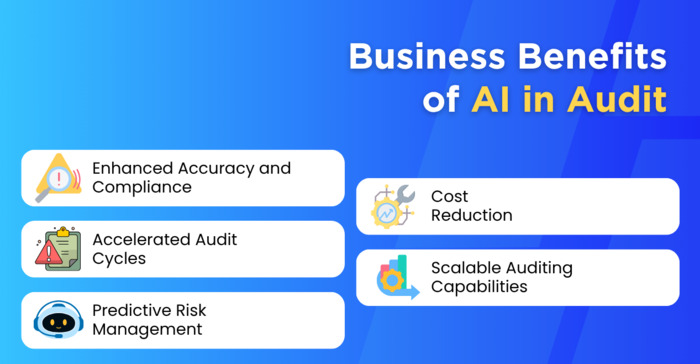
AI-powered SEO audits offer several advantages:
Faster Analysis
AI tools analyze websites in minutes instead of hours.
Data-Driven Insights
AI processes large datasets to uncover patterns humans may miss.
Automated Reporting
Detailed reports and recommendations are generated automatically.
Continuous Monitoring
AI tools can monitor your website continuously and notify you about new issues.
These benefits make AI-driven audits a powerful tool for modern SEO professionals.
Core Components of an AI-Powered SEO Audit
Technical SEO Analysis
Technical SEO ensures that search engines can crawl and index your website efficiently.
AI tools examine:
- Site architecture
- XML sitemaps
- Robots.txt files
- HTTPS security
- Structured data
Technical problems often prevent websites from ranking well, even if the content is excellent.
On-Page SEO Evaluation
On-page SEO focuses on elements within your website pages.
AI systems analyze:
- Title tags
- Meta descriptions
- Header tags
- Keyword placement
- Content relevance
Optimizing these elements helps search engines understand your content better.
Off-Page SEO and Backlink Analysis
Backlinks are one of the most important ranking factors in SEO. AI-powered tools analyze:
- Backlink quality
- Anchor text diversity
- Toxic or spam links
- Competitor link profiles
Strong backlinks increase your website’s authority and credibility.
User Experience and Core Web Vitals
Search engines now prioritize user experience. AI tools measure metrics such as:
- Page loading speed
- Mobile usability
- Visual stability
- Interaction delays
Google’s Core Web Vitals are especially important for SEO performance. For more information, you can explore Google’s official documentation: https://developers.google.com/search/docs
Step-by-Step AI-Powered SEO Audit and Website Audit Guide
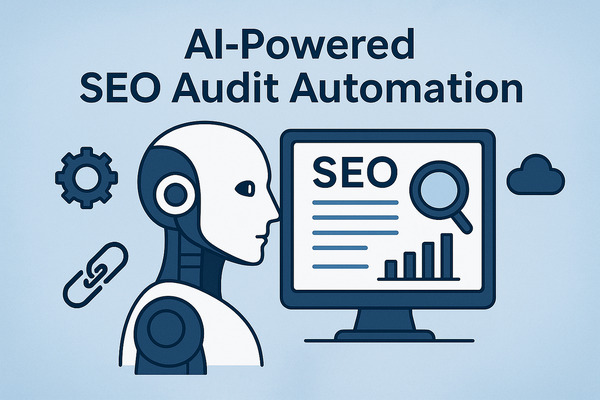
Step 1: Crawl Your Website Using AI Tools
The first step is to crawl your entire website. AI-powered crawlers analyze every page and collect important SEO data such as:
- URLs
- internal links
- images
- metadata
Popular AI crawling tools include:
- Screaming Frog
- Sitebulb
- SEMrush
These tools generate a full map of your website.
Step 2: Analyze Website Structure and Indexing
Next, check how search engines see your website. AI tools analyze:
- indexable pages
- duplicate URLs
- canonical tags
- sitemap errors
Poor site structure can confuse search engines and reduce rankings.
Step 3: Evaluate Keyword Optimization
Keywords remain the backbone of SEO. AI tools help analyze:
- keyword placement
- search intent alignment
- content gaps
- keyword density
Optimizing keywords improves the chances of ranking for relevant searches.
Step 4: Detect Technical SEO Issues
Technical errors can severely impact SEO performance. AI audits commonly detect:
- broken links
- redirect chains
- missing alt tags
- crawl errors
- server issues
Fixing these issues improves website health.
Step 5: Assess Backlink Profile
AI-powered backlink analysis helps identify:
- high-quality backlinks
- toxic links
- lost backlinks
- competitor link strategies
Removing harmful links can protect your website from penalties.
Step 6: Improve Content Quality with AI
Content remains the most important part of SEO. AI tools can analyze:
- readability
- keyword relevance
- topic coverage
- semantic SEO
They can even suggest new content ideas based on search trends.
Step 7: Optimize Page Speed and Performance
Website speed directly affects both user experience and search rankings. AI tools analyze:
- page load time
- server response time
- image optimization
- code efficiency
Improving speed can significantly increase conversions.
Step 8: Check Mobile Optimization
More than half of global web traffic comes from mobile devices. AI tools test:
- responsive design
- mobile page speed
- usability issues
A mobile-friendly website is essential for modern SEO.
Step 9: Generate Actionable SEO Reports
Finally, AI tools generate detailed reports that include:
- identified SEO problems
- recommended fixes
- priority levels
- performance metrics
These reports help you implement improvements quickly.
Best AI Tools for SEO and Website Audits
AI-Driven SEO Platforms
Several platforms offer advanced AI-powered SEO analysis:
- SEMrush
- Ahrefs
- Surfer SEO
- MarketMuse
- Clearscope
These tools provide insights into keyword strategy, competitor analysis, and content optimization.
Automated Site Crawlers
Automated crawlers focus on technical website analysis.
Popular options include:
- Screaming Frog
- Sitebulb
- DeepCrawl
They scan websites for technical errors and optimization opportunities.
Common Website Issues Detected by AI SEO Audits
In 2026, AI-driven SEO audits go beyond traditional “broken link” checks. While they still catch basic technical errors, they primarily focus on machine readability and trust signals to ensure your site is eligible for AI synthesis. Here are the most common issues currently detected by modern AI SEO audits:
“AI-Dark” Access Barriers
Many sites unintentionally block AI agents. Audits now flag:
- Anti-Bot Overkill: Firewalls or WAF rules that treat AI crawlers (like GPTBot or Google-InspectionTool) as malicious threats, preventing them from “reading” your expertise.
- Rendering Traps: Content that only loads via client-side JavaScript. If the AI agent can’t see your text in the initial HTML, it can’t use you as a source.
- Prompt/Popup Interference: Interstitial popups or “gated” content scripts that prevent a clean crawl of the primary answer.
Lack of “Extractability” (Entity Clarity)
AI models need to extract facts quickly. Audits flag content that is too “human-narrative” and not enough “machine-data”:
- Ambiguous Entity Definitions: Using inconsistent terms for your brand or service, making it hard for AI to categorize you in its “Knowledge Graph.”
- Answer Burial: Hiding the direct answer to a query under 500 words of storytelling. AI prefers the BLUF (Bottom Line Up Front) model.
- Missing Schema Correlation: Having JSON-LD schema that doesn’t actually match the text on the page, which triggers “trust red flags.”
Weak E-E-A-T & “Proof” Gaps
AI audits analyze how “defensible” your information is. Common flags include:
- Anonymized Expertise: Content without clear author bylines, verified credentials, or links to external social proof.
- Lack of Machine-Readable Freshness: Missing last-modified headers or “updated on” dates, which causes AI to deprioritize the content as potentially “stale.”
- Zero Outbound Citations: Content that makes big claims without linking to authoritative third-party data. AI views “isolated” content as less trustworthy.
Audit Finding Comparison: Technical vs. AI-Era
| Traditional Issue | Modern AI SEO Equivalent |
| Broken 404 Links | Redirect Loops & “Chain Tax” (Wastes AI crawl budget) |
| Keyword Stuffing | Topic Thinness (Covering a subject shallowly without “Entity” depth) |
| Missing Alt Text | Semantic Image Context (Can AI “see” how this image proves the text?) |
| Slow Load Speed | High Interaction to Next Paint (INP) (Laggy UI response) |
The 2026 Reality: If your site is technically sound but fails the “Extractability” and “Trust” checks, you might still rank in old-school blue links, but you will be invisible in AI-generated overviews.
Broken Links and Crawl Errors
Broken links harm both user experience and SEO performance. AI tools detect these errors instantly and recommend fixes.
Duplicate Content Problems
Duplicate pages confuse search engines and reduce ranking potential. AI audits identify duplicate content and suggest canonical solutions.
Missing Meta Tags and Descriptions
Meta tags help search engines understand page content. AI tools detect pages missing:
- meta titles
- meta descriptions
- alt text for images
Optimizing these elements improves click-through rates.
How to Implement Recommendations After an AI SEO Audit
Prioritizing SEO Fixes
Not all SEO issues are equally important. Focus first on:
- Critical technical errors
- Indexing problems
- Page speed issues
- Content optimization
This approach produces the fastest results.
Creating a Long-Term SEO Strategy
After fixing major problems, develop a long-term SEO plan that includes:
- regular website audits
- content marketing
- backlink building
- performance monitoring
Consistency is key to sustainable rankings.
Advantages of AI-Powered Website Audits Over Manual Audits
AI-powered audits offer several advantages:
- faster analysis
- more accurate insights
- automated monitoring
- scalable solutions
Businesses can audit large websites efficiently without spending excessive time on manual work.
Limitations and Challenges of AI in SEO Audits
Despite its advantages, AI is not perfect. Some challenges include:
- misinterpreting complex content
- lack of human creativity
- dependency on tool accuracy
Therefore, combining AI insights with human expertise delivers the best results.
Future Trends in AI-Driven SEO Auditing
The future of SEO audits will involve even more advanced technologies. Emerging trends include:
- predictive SEO analytics
- AI-generated content optimization
- voice search analysis
- real-time website monitoring
As AI continues to evolve, SEO strategies will become more intelligent and automated.
Frequently Asked Questions
What is an AI-powered SEO audit?
An AI-powered SEO audit uses artificial intelligence tools to analyze a website’s SEO performance and identify technical issues, keyword opportunities, and optimization improvements.
How often should I perform an SEO audit?
Most experts recommend performing a complete SEO audit every 3 to 6 months to ensure your website remains optimized.
Are AI SEO tools better than manual audits?
AI tools are faster and more data-driven, but combining them with human expertise provides the best results.
Can AI fix SEO issues automatically?
Some tools can automate minor fixes, but most recommendations still require manual implementation.
What is the most important part of an SEO audit?
Technical SEO and content optimization are usually the most critical components.
Do small websites need SEO audits?
Yes. Even small websites benefit from audits because they reveal problems that affect rankings and traffic.
In Conclusion :
An AI-Driven SEO and Website Audit Guide offers a robust structure for enhancing your website’s effectiveness in search engine rankings. Integrating artificial intelligence with strategic SEO methods enables companies to swiftly pinpoint issues, improve content, and elevate user experience.
AI technologies enhance the speed, precision, and scalability of the auditing process. Nonetheless, the most effective outcomes arise from merging AI insights with human knowledge and creativity.
Routine SEO evaluations keep your site competitive, adjust to search engine changes, and maintain its organic traffic growth. For sustained success in digital marketing, adopting AI-powered SEO audits is not optional but crucial.