
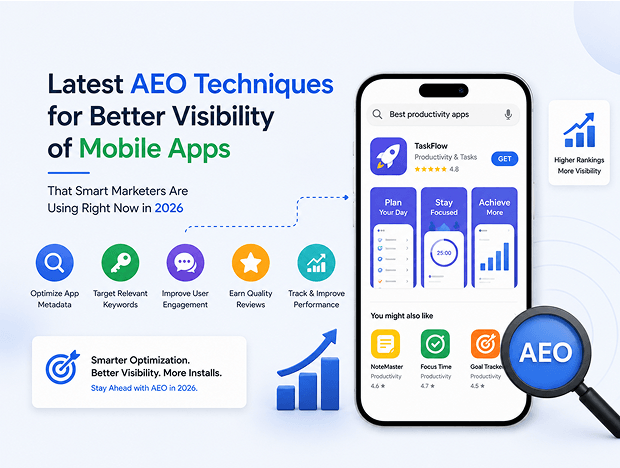
As of 2026, the digital marketing landscape continues its rapid evolution, demanding constant adaptation from savvy marketers. Search engine algorithms, particularly Google’s, are more sophisticated than ever, moving beyond simple keyword matching to understand user intent and the semantic meaning of content. This shift elevates the importance of ASO (App Store Optimization), not just for app discoverability within the confines of app stores, but as a critical component of a holistic digital marketing strategy.
Smart marketers are leveraging AEO techniques not only to climb app store rankings but also to drive organic downloads, increase user engagement, and ultimately achieve higher return on investment (ROI). This article explores the cutting-edge AEO techniques that leading marketers are employing right now to gain a competitive edge in the crowded app marketplace.
What is AEO and Why is it Crucial in 2026?
AEO, or App Store Optimization, is the process of improving an app’s visibility within an app store’s search results and its conversion rate. It involves optimizing various elements of an app’s listing page to rank higher for relevant search queries and encourage more users to download the app.
In 2026, AEO is more crucial than ever because the sheer volume of apps available means organic discovery is incredibly challenging. Consumers rely heavily on app store search to find new applications, making a strong AEO strategy indispensable for any app developer or marketer aiming for sustained success.
The core objective of AEO is to increase an app’s visibility and conversion rate. Visibility refers to how easily users can find an app, primarily through search. Conversion rate, on the other hand, measures the percentage of users who visit an app’s listing page and subsequently download it. A comprehensive AEO strategy impacts both, leading to more organic downloads without the need for costly paid advertising.
Advanced Keyword Research for App Store Discovery

Keyword research remains the bedrock of effective AEO, but in 2026, the approach must be more nuanced. Marketers are moving beyond basic keyword stuffing and focusing on understanding the intent behind user searches. This involves identifying not just what users are searching for, but why they are searching for it.
Identifying High-Intent Keywords
Smart marketers use a combination of tools and strategic thinking to uncover keywords that signal a strong user intent to download an app. This includes:
- Competitor Analysis: Analyzing the keywords used by top-ranking apps in the same category provides valuable insights into what’s working. Tools like Sensor Tower, AppTweak, and MobileAction offer competitor keyword intelligence.
- Audience Understanding: Deeply understanding the target audience’s language, pain points, and desired solutions helps in identifying relevant search terms. This can be informed by customer support logs, user reviews, and social media listening.
- Long-Tail Keywords: Focusing on more specific, longer phrases (long-tail keywords) can capture users with very particular needs. For example, instead of “photo editor,” a marketer might target “photo editor for Instagram stories with filters.”
- Trend Analysis: Monitoring current trends and seasonal demands can reveal timely keyword opportunities. Google Trends and app store-specific trend reports are useful resources.
Semantic Keyword Integration
Algorithms are increasingly adept at understanding the semantic relationships between words. Therefore, AEO strategies in 2026 emphasize integrating a broader range of related terms and concepts, rather than just exact match keywords. This means incorporating synonyms, related phrases, and terms that describe the app’s core functionalities and benefits. For instance, an app for budgeting might include keywords like “personal finance tracker,” “expense manager,” “saving goals,” and “money management app.”
Optimizing App Title and Subtitle for Maximum Impact
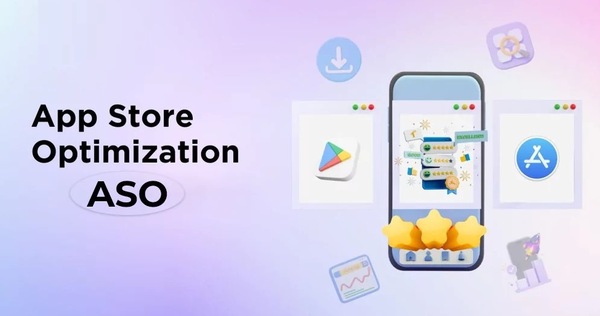
The app title and subtitle are arguably the most critical on-page elements for AEO. They are heavily weighted by app store algorithms and are the first things potential users see.
Strategic Title Inclusion
The app title should ideally include the primary, most relevant keyword for the app. However, it must also be concise, memorable, and descriptive. Developers often balance keyword density with brand name recognition. For example, a productivity app might be titled “FocusFlow: Daily Task Manager” rather than just “FocusFlow,” incorporating a key benefit and function.
Leveraging the Subtitle/Short Description
The subtitle (iOS) or short description (Android) offers additional space to incorporate secondary keywords and further explain the app’s value proposition. Marketers use this space to highlight key features, unique selling points, and target audience benefits, all while naturally weaving in relevant search terms. This area is crucial for convincing users to click through to the full description.
Crafting Compelling App Descriptions
The app description serves two primary purposes: informing potential users about the app and persuading them to download it, while also providing valuable keyword signals to search algorithms.
Structuring for Readability and SEO
A well-structured app description is essential. It should:
- Start with a strong hook: The first few lines are crucial for capturing attention and conveying the core value. This is often the only part visible before a user clicks “read more.”
- Detail key features and benefits: Clearly outline what the app does and how it solves user problems or enhances their lives. Use bullet points or numbered lists for easy scanning.
- Incorporate keywords naturally: Weave in relevant keywords identified during the research phase throughout the description, focusing on semantic relevance and user readability. Avoid keyword stuffing, which can harm rankings and user experience.
- Include social proof: Mentioning awards, positive reviews, or user testimonials can build trust and encourage downloads.
- End with a clear call to action (CTA): Prompt users to download the app.
Utilizing Localization for Global Reach
For apps targeting international markets, localization of the app description is paramount. This goes beyond simple translation; it involves adapting the language, cultural references, and keywords to resonate with local audiences. A localized description can significantly improve discoverability and conversion rates in different regions.
The Power of App Icon and Screenshots/Video

The visual elements of an app’s listing page play a significant role in attracting user attention and driving downloads.
Designing an Effective App Icon
The app icon is the first visual impression. It should be:
- Distinctive: Stand out from competitors.
- Representative: Clearly communicate the app’s purpose or brand.
- Scalable: Look good at various sizes.
- Simple and recognizable: Easily identifiable even when small.
Marketers often A/B test different icon designs to determine which performs best in terms of conversion rates.
Optimizing Screenshots and App Preview Videos
Screenshots and videos are powerful tools for showcasing the app’s user interface (UI) and user experience (UX).
- Screenshots: Should highlight the app’s most compelling features and benefits. The first few screenshots are the most important, as they are often displayed in search results or immediately upon viewing the listing. Marketers use text overlays to explain features and benefits concisely.
- App Preview Videos: Offer a dynamic way to demonstrate the app in action. A well-produced video can significantly increase conversion rates. Videos should be engaging, clearly showcase core functionalities, and be relatively short (typically under 30 seconds).
Leveraging Ratings and Reviews for Trust and Ranking
User ratings and reviews are critical for both AEO and user trust. High ratings and positive reviews signal quality to both users and app store algorithms.
Strategies for Eliciting Positive Reviews
Smart marketers implement strategies to encourage satisfied users to leave positive reviews:
- In-App Prompts: Strategically prompt users for reviews at opportune moments, such as after a positive user experience or achievement within the app. Avoid interrupting the user flow.
- Responding to Reviews: Actively respond to both positive and negative reviews. Addressing negative feedback constructively shows users their opinions are valued and can mitigate the impact of negative reviews.
- Improving User Experience: The best way to get positive reviews is to build a high-quality app with an excellent user experience.
Analyzing Review Sentiment
Review sentiment analysis helps identify areas for app improvement and uncover new keyword opportunities. Marketers analyze common themes and keywords mentioned in reviews to refine their AEO strategy and product development.
Understanding and Utilizing App Store Algorithms

While app store algorithms are proprietary and constantly updated, understanding their general principles is key to effective AEO.
Key Ranking Factors
Commonly accepted factors influencing app store rankings include:
- Keyword Relevance: How well the app’s metadata (title, subtitle, description, keyword field) matches user search queries.
- Download Velocity: The rate at which an app is being downloaded. A sudden surge in downloads can boost rankings.
- User Engagement: Metrics like session length, retention rate, and in-app actions indicate user satisfaction and app quality.
- Ratings and Reviews: The quantity and quality of user feedback.
- Conversion Rate: The percentage of users who download the app after viewing its listing.
The Role of Updates and Engagement Metrics
Regular app updates signal to algorithms that the app is actively maintained and improved. Furthermore, metrics like user retention, daily active users (DAU), and monthly active users (MAU) are increasingly important. Apps that keep users engaged are often rewarded with higher visibility. Marketers focus on improving onboarding, introducing new features, and implementing push notification strategies to boost engagement.
Advanced AEO Techniques in 2026
Beyond the foundational elements, several advanced AEO techniques are gaining traction among leading marketers.
Utilizing App Store Search Ads for Keyword Discovery
App Store Search Ads (Apple Search Ads) and Google Play Ads are not just for paid acquisition; they are powerful tools for AEO. Running ad campaigns allows marketers to:
- Test Keywords: Bid on various keywords to see which ones drive the most downloads and conversions. This data can then inform organic AEO efforts.
- Identify High-Performing Terms: Discover which keywords users are actually using to find apps like yours.
- Gain Visibility: Achieve top ranking for specific keywords through paid placements, which can indirectly boost organic visibility over time.
Implementing Conversion Rate Optimization (CRO) for App Listings
AEO is not just about getting found; it’s about getting downloaded. Conversion Rate Optimization (CRO) focuses on improving the elements of the app listing page that influence download decisions. This involves:
- A/B Testing: Continuously testing different versions of icons, screenshots, videos, titles, and descriptions to identify what resonates best with the target audience.
- Analyzing User Behavior: Using analytics tools to understand how users interact with the app listing page. Where do they drop off? What elements do they engage with most?
- Iterative Improvement: Making data-driven adjustments to the listing based on A/B test results and user behaviour analysis.
Building Backlinks and Authority for Apps
While not as direct as website SEO, building authority for an app can indirectly influence its AEO. This involves:
- Securing Press Mentions and Reviews: Getting featured on tech blogs, news sites, and industry publications can drive traffic and signal credibility.
- Encouraging Social Sharing: Integrating social sharing features within the app can lead to wider exposure.
- Creating High-Quality Content: Developing blog posts, articles, or videos related to the app’s niche can attract users and potential downloaders.
Leveraging Ratings and Reviews Management Tools
Sophisticated tools can help manage and analyze app reviews at scale. These tools can:
- Automate Review Monitoring: Track new reviews across different regions and languages.
- Sentiment Analysis: Identify trends in positive and negative feedback.
- Categorize Feedback: Group reviews by feature, bug, or user request.
- Streamline Responses: Facilitate efficient responses to user feedback.
The Future of AEO: AI and Machine Learning
The integration of Artificial Intelligence (AI) and Machine Learning (ML) is poised to further transform AEO.
AI-Powered Keyword Discovery and Analysis
AI tools can process vast amounts of data to identify complex keyword patterns, predict search trends, and analyze user intent with greater accuracy than traditional methods. This allows for more precise and proactive AEO strategies.
Predictive AEO Optimization
Machine learning algorithms can predict the impact of specific AEO changes on rankings and conversion rates, enabling marketers to make more informed decisions and optimize their efforts more efficiently. For example, AI might predict which combination of keywords and visual assets will yield the highest download rate for a specific audience segment.
Personalized App Store Experiences
As app stores become more personalized, AEO strategies will need to adapt. Understanding how algorithms tailor search results and recommendations for individual users will become increasingly important. Digital Marketers may need to optimize for different user segments and personalize their app store listing elements accordingly.
Measuring AEO Success
Effective AEO requires continuous monitoring and analysis of key performance indicators (KPIs).
Key Metrics to Track
- Keyword Rankings: Monitoring the position of target keywords in app store search results.
- Organic Downloads: Tracking the number of downloads attributed to organic search and discovery.
- Conversion Rate: Measuring the percentage of listing visitors who download the app.
- App Store Page Views: Understanding how many users are viewing the app’s listing.
- Ratings and Review Volume/Sentiment: Tracking the number and quality of user feedback.
- Customer Acquisition Cost (CAC): Comparing the cost of acquiring users through AEO versus paid channels.
Utilizing Analytics Tools
A variety of analytics platforms provide the data needed to track these KPIs. These include:
- App Store Connect (iOS): Provides data on app performance, downloads, and user engagement for iOS apps.
- Google Play Console (Android): Offers similar insights for Android apps, including store listing performance and user acquisition data.
- Third-Party AEO Tools: Platforms like Sensor Tower, AppTweak, MobileAction, and AppFollow provide advanced AEO analytics, competitor tracking, and keyword research capabilities.
Ethical Considerations in AEO
As marketers refine their AEO strategies, ethical considerations remain paramount. Misleading descriptions, fake reviews, or aggressive prompting can harm user trust and lead to penalties from app stores. Transparency and a focus on delivering genuine value are essential for long-term success.
Conclusion
In 2026, App Store Optimization is no longer an optional add-on but a fundamental pillar of a successful mobile marketing strategy. Smart marketers are embracing advanced AEO techniques, from sophisticated keyword research and compelling visual optimization to leveraging AI and rigorous conversion rate optimization.
By understanding user intent, mastering app store algorithms, and continuously iterating based on data, marketers can significantly enhance app visibility, drive organic growth, and achieve their business objectives in the highly competitive app ecosystem. The focus remains on providing value to the user, ensuring that optimization efforts lead to genuine user satisfaction and sustained engagement.
Frequently Asked Questions about AEO
What is the primary goal of App Store Optimization (AEO)?
The primary goal of App Store Optimization (AEO) is to increase an app’s visibility within app store search results and improve its conversion rate. This means making the app easier for potential users to find and encouraging more of those who see the listing to download it, ultimately driving organic growth.
How important are keywords in AEO?
Keywords are critically important in AEO. They form the bridge between what users are searching for and what your app offers. Optimizing your app’s title, subtitle, description, and keyword fields with relevant, high-intent keywords helps app store algorithms understand your app’s purpose and surface it in search results when users are looking for solutions your app provides.
Can app store search ads help with organic AEO?
Yes, app store search ads can significantly help with organic AEO. By running paid campaigns, marketers can test keywords to discover which ones are most effective at driving downloads. Data from successful ad campaigns can then inform and refine the organic AEO strategy, helping to identify high-performing terms that can be integrated into the app’s listing page for long-term organic visibility.
How do user ratings and reviews impact AEO?
User ratings and reviews have a substantial impact on AEO. High average ratings and a consistent stream of positive reviews signal to app store algorithms that an app is high-quality and well-received, which can boost its ranking. For users, positive reviews build trust and credibility, making them more likely to download the app, thus improving the conversion rate.
What is the difference between AEO and SEO?
AEO (App Store Optimization) focuses on optimizing an app’s listing within mobile app stores (like the Apple App Store or Google Play Store) to increase its visibility and downloads. SEO (Search Engine Optimization) focuses on optimizing a website to rank higher in search engine results pages (SERPs) like Google. While both aim to improve organic discoverability through search, they operate in different environments with distinct algorithms and optimization factors.
How often should I update my app store listing?
It is advisable to update your app store listing periodically, especially when introducing new features or making significant improvements to your app. Regularly reviewing and refining your keywords, description, and visual assets based on performance data and market trends is crucial. While a complete overhaul might not be needed frequently, consistent monitoring and minor adjustments based on AEO analytics can yield significant benefits.