
In the world of digital advertising, even the most convincing ad creative can fall flat if it’s revealed to the wrong person. The key to maximizing your Return on Investment (ROI) on Google Ads isn’t just about keywords, it’s about connecting with the right audience.
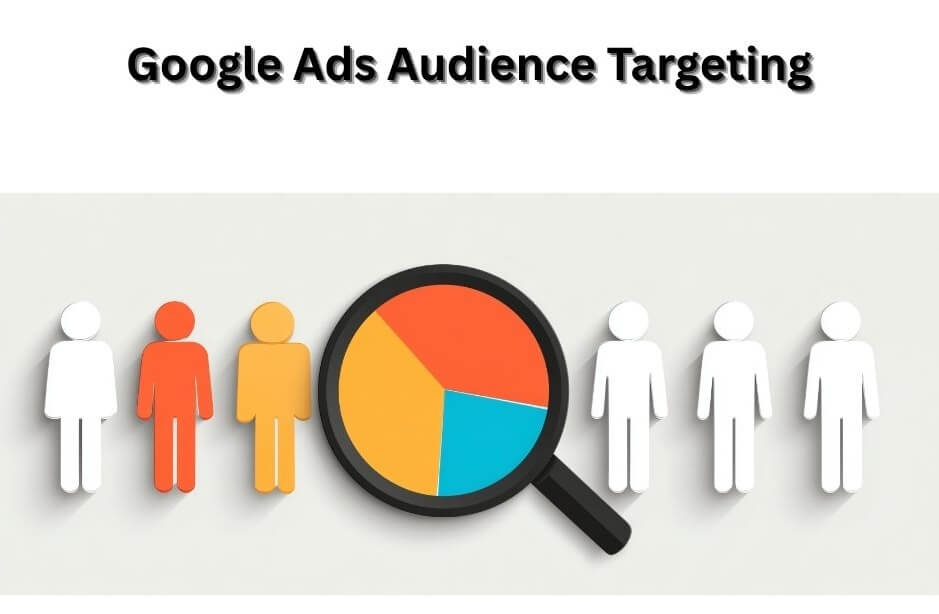
Google Ads offers an influential suite of audience targeting options, permitting you to move beyond broad demographics and emphasis on user intent, interests, and past behaviour. By mastering these eight vital Google Ads audience types, you can safeguard that your budget is spent on users most likely to convert.
Google Ads Audience Targeting Types
Affinity Audiences (The Interest Group)
What it is: These audiences are segmented based on a user’s long-term passions, interests, and lifestyle. Google regulates this by analyzing a user’s steady browsing habits, content consumption, and search history.
Best Used For: Top-of-funnel (TOFU) brand awareness campaigns. This is perfect for reaching a broad group of people who are probable to be interested in your overall industry or product category.
Example: A brand selling high-end camping gear targets the “Outdoor Enthusiasts” affinity audience to familiarize their new product line.
In-Market Audiences (The Shoppers)
What it is: Dissimilar Affinity, In-Market audiences target users who are vigorously researching or comparing products and services parallel to yours, representing a near-term purchase intent. They are much further down the sales funnel.
Best Used For: Mid-to-bottom-of-funnel campaigns engrossed on driving conversions, sales, or sign-ups.
Example: A luxury car dealership targets users in the “Vehicles / Motor Vehicles / Cars & Trucks” in-market segment, as these people are aggressively comparing car models and looking to buy.
Detailed Demographics (The Basic Blueprint)
What it is: This targeting goes beyond elementary age and gender. It permits you to reach people based on shared, long-term facts about their life, such as parental status, homeownership status, marital status, and household income.
Best Used For: Campaigns where a product or service is precisely relevant to a main life status or financial situation.
Example: A mortgage company targets users categorized as “Homeowners” within the “High Household Income” bracket.
Life Events (The Milestone Moment)
What it is: Life Events target users experiencing noteworthy, short-term life indicators that often trigger chief spending or changes in consumer habits. These are instants like moving, getting married, or graduating from college.
Best Used For: Decidedly relevant, time-sensitive offers during a critical purchasing window.
Example: A furniture store targets people who are “Moving Homes” with a propose for a new living room set.
Custom Segments (The Hand-Crafted Audience)
What it is: Custom Segments spring you the power to generate a hyper-specific audience based on what people are dynamically searching for on Google (Custom Intent) or the websites/apps they use. You describe the intent.
Best Used For: Reaching users with a detailed, niche intent that Google’s predefined audiences don’t cover, or targeting competitors’ website visitors.
Example: A speciality coffee company generates a Custom Segment of users who have searched for terms like “best home espresso machine” and “single-origin pour-over coffee.”
Your Data Segments (Remarketing/Retargeting)
What it is: This is your first-party data treasure-trove. It permits you to target users who have beforehand interacted with your business. This comprises website visitors (specific pages, cart abandoners), app users, and YouTube viewers (channel subscribers, video viewers).
Best Used For: The uppermost conversion-rate campaigns. Retargeting repeats warm leads to come back and complete an expected action.
Example: An e-commerce brand targets users who visited a product page but did not comprehensive a purchase within the last 7 days (a Cart Abandonment segment).
Customer Match (The CRM Upload)
What it is: Customer Match lets you upload a list of your customer data (frequently emails) from your Customer Relationship Management (CRM) system. Google matches these emails to user accounts, permitting you to target existing customers or exclude them.
Best Used For: Building customer faithfulness, cross-selling/up-selling, or running ads to a list of high-value leads. It’s outstanding for re-engaging past purchasers.
Example: A SaaS company uploads a list of customers whose subscription is due to expire to quick them with a renewal offer.
Similar Segments (The Lookalike)
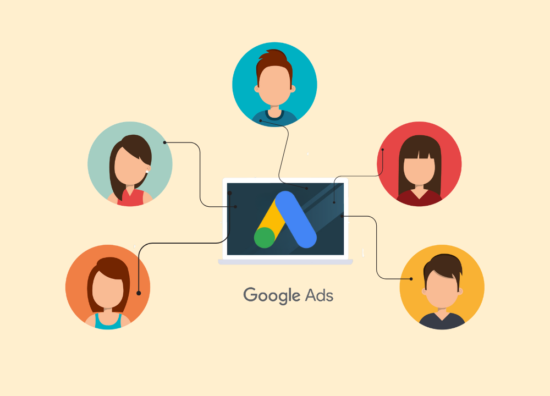
What it is: Based on one of your existing, high-performing “Your Data Segments” (like your converted customers list), Google’s AI routinely finds new users who share the same characteristics, browsing behaviour, and interests as your most valuable customers.
Best Used For: Scaling campaigns and finding new customers (prospecting) with a high likelihood of conversion. It influences the achievement of your best existing audiences.
Example: A pet supply store generates a “Similar Segment” based on its list of customers who have purchased premium dog food, effectually finding new, high-intent pet owners.
The Power of Layering: The Final Pro Tip
The factual mastery of Google Ads audience targeting comes from layering these segments. Instead of using them in isolation, try combining them:
- Layer 1: In-Market Audience (People aggressively researching your product)
- Layer 2: Detailed Demographics (Filter by your perfect income bracket)
- Layer 3: Geographic Targeting (Filter by a detailed city or region)
By combining these filters, you create a laser-focused audience, safeguarding your ad budget is focused precisely where it will produce the most profitable results.
Start experimenting with these eight audience types today, and watch your Google Ads campaigns move from guessing games to precision marketing.
In Conclusion :
The power of Google Ads lies not just in the volume of traffic it can produce, but in its sophisticated ability to reach the right person at the right moment.
By understanding and strategically implementing the eight core audience targeting options from the broad reach of Affinity Audiences to the high-intent focus of In-Market Segments and the critical conversions driven by Your Data Segments (Remarketing) and Customer Match, you transform your advertising from a scattergun approach into a precision tool.
In a competitive digital landscape, efficiency is key. Master the art of audience segmentation, utilize the insight from Life Events and Detailed Demographics, and scale your success using Similar Segments and bespoke Custom Segments.
By continuously testing and layering these audience types, you can minimize wasted spend, maximize ad relevance, and ultimately unlock a higher ROI from every dollar invested in your Google Ads campaigns. Start segmenting today, and connect with the customers who are truly ready to buy.


