
Introduction to Facebook and Instagram Marketing for B2B Brands
Social media marketing was once thought of as a B2C company’s playground. But things have drastically changed. For B2B brands, Facebook and Instagram marketing is now a potent, effective tactic for long-term growth, lead generation, and brand authority.
Decision-makers, executives, and procurement teams are active on social platforms. In fact, before ever accessing a website, a lot of B2B buyers now use social media to research vendors. Facebook and Instagram are becoming necessary tools for contemporary B2B marketing; they are no longer optional platforms.
This blog examines how B2B companies may use Facebook and Instagram to attract the appropriate audience, establish credibility, and turn attention into sales.
Why Facebook and Instagram Matter for B2B Marketing?
In 2026, Facebook and Instagram have evolved into vital B2B channels, moving far beyond their original “B2C only” reputation. Here is why they are critical for a modern B2B strategy:
- Catching Decision-Makers in “Discovery Mode”: While LinkedIn is the standard for professional networking, Meta platforms (Facebook and Instagram) reach decision-makers like CEOs and CTOs when their “professional guard” is down. This permits brands to earn attention through a discovery mindset rather than a defensive one.
- Cost-Effective Lead Generation: Meta often provides a lower cost-per-lead (CPL) compared to LinkedIn. With advanced Advantage+ automation and Lead Form ads, B2B companies can build a high-volume top-of-funnel pipeline more affordably.
- Humanizing the Brand: Instagram Reels and Facebook Stories allow B2B companies to showcase company culture, “founder POV” content, and behind-the-scenes processes. This builds authentic trust, a vigorous component in long, complex B2B sales cycles.
- A Multi-Touch Trust Engine: Because B2B deals rarely close on the first click, Meta’s influential retargeting capabilities permit you to stay top-of-mind with prospects who have already visited your site or engaged with your whitepapers, reinforcing your message across their whole digital journey.
The Shift in B2B Buyer Behaviour
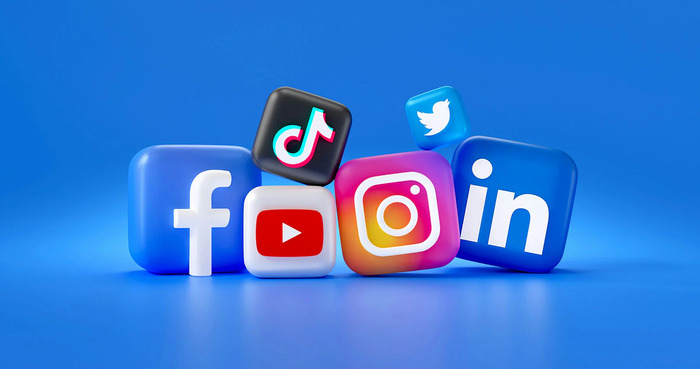
B2B buyers are human too. They scroll feeds, watch videos, and follow brands just like consumers. Facebook and Instagram allow brands to:
- Reach decision-makers where they spend time
- Build familiarity before sales conversations
- Educate audiences visually and consistently
Massive Reach with Advanced Targeting
Facebook’s ad ecosystem offers unmatched targeting options, including:
- Job titles and industries
- Company size and interests
- Retargeting website visitors
- Lookalike audiences based on CRM data
This accuracy makes Facebook and Instagram marketing for B2B Brands vastly cost-effective when accomplished properly.
Key Benefits of Facebook and Instagram Marketing for B2B Brands
Brand Awareness and Authority
Regular content establishes your brand as an authority in the field. Before a sales call even takes place, trust is built through educational blogs, thought leadership videos, and case studies.
Lead Generation at Scale
With native lead forms, landing pages, and Messenger ads, Facebook and Instagram can generate high-quality B2B leads without friction.
Shorter Sales Cycles
When prospects already know and trust your brand, sales conversations move faster. Social touchpoints warm up leads early in the buyer journey.
Cost-Effective Advertising
Compared to traditional B2B channels like trade shows or print ads, social advertising delivers measurable ROI at a lower cost.
How to Build a B2B Facebook and Instagram Marketing Strategy
Building a B2B strategy for Facebook and Instagram requires moving beyond generic posts toward a structured, full-funnel approach that treats these platforms as professional discovery engines.
- Define Precision Audiences: Instead of broad interest targeting, leverage Meta’s Custom Audiences by uploading your CRM data or targeting website visitors. This ensures your spend is focused on people who already fit your Ideal Customer Profile (ICP).
- Create “Value-First” Content: B2B buyers on Meta platforms respond best to educational content. Use Instagram Reels to simplify complex industry problems and Facebook carousel ads to showcase case studies, whitepapers, or “how-to” guides that solve specific pain points.
- Optimize for Lead Capture: Implement Meta Lead Forms to reduce friction, allowing prospects to download resources or request demos without leaving the app. This is often more effective than sending mobile users to a slow-loading external landing page.
- Establish a Retargeting Loop: Since B2B sales cycles are long, use Meta as a nurture tool. Retarget users who have engaged with your top-of-funnel content with testimonials and “behind-the-scenes” videos to build the trust necessary for a final conversion.
Define Clear Business Objectives
Start with goals such as:
- Lead generation
- Website traffic
- Brand awareness
- Event registrations
- Demo bookings
Each objective should align with a specific campaign type.
Understand Your Ideal Customer Profile (ICP)
Understanding your Ideal Customer Profile (ICP) is the essential first step in B2B marketing; it defines the specific type of company that derives the most value from your product and, in turn, provides the most value to your business.
- Go Beyond Basic Demographics: While B2C focuses on individuals, an ICP focuses on firmographics, such as company size, annual revenue, industry vertical, and geographic location to ensure your sales team is only chasing high-fit accounts.
- Identify Pain Points and Goals: A deep ICP analysis uncovers the specific “jobs to be done” and the critical challenges these organizations face. This allows you to tailor your messaging so it speaks directly to their boardroom priorities rather than generic industry trends.
- Analyze Technographics: In 2026, understanding a prospect’s current tech stack is vital. Knowing what software they already use helps you determine if your solution is compatible or if you are positioned to replace a specific competitor.
- Drive Marketing Efficiency: By clearly defining who you don’t want to target, you stop wasting budget on low-quality leads. This precision allows for higher conversion rates and a much shorter sales cycle, as your marketing resonates instantly with the right decision-makers.
Successful Facebook and Instagram marketing for B2B Brands begins with clarity.
Define:
- Industry
- Job role
- Pain points
- Buying motivations
This ensures messaging resonates with the right audience.
Content Strategies That Work for B2B Brands
In 2026, effective B2B content strategies focus on authority and utility, moving away from generic corporate updates toward high-value, human-centric storytelling.
- Humanize Through Employee Advocacy: Buyers now trust personal brands more than company logos. Strategies that empower your internal subject matter experts to share “practitioner stories”, real-world lessons, failures, and frameworks, consistently outperform polished corporate ads.
- Leverage “Value-Proof” Formats: Transition from broad blogs to “proof-based” content. Use short-form video (like Reels or LinkedIn clips) to simplify complex product features and original research or data-backed reports to establish undeniable authority in your niche.
- Hyper-Personalization via AI: Use AI not just to write, but to segment. Tailor your content distribution based on firmographic data, ensuring a CTO sees technical deep-dives while a CFO receives ROI-focused case studies, making every touchpoint feel bespoke.
- Optimize for the “Answer Engine”: With the rise of AI-driven search, your content must provide direct, concise answers to specific industry problems. Structuring your content to be easily cited by AI agents (GEO) ensures your brand remains visible in the modern discovery phase.
Educational Content
B2B audiences value insights. Share:
- Industry tips
- How-to guides
- Trend analysis
- Explainer videos
Thought Leadership
Position executives and founders as experts by sharing:
- Opinions on industry changes
- Linked content from blogs or webinars
- Personal insights and lessons learned
Case Studies and Testimonials
Show proof. Highlight real results using:
- Carousel ads
- Short video testimonials
- Before-and-after metrics
Behind-the-Scenes Content
Humanize your brand by showcasing:
- Team culture
- Company values
- Product development processes
Facebook and Instagram Ads for B2B Brands
Best Ad Formats for B2B
| Ad Format | Use Case |
| Lead Ads | Capture leads quickly |
| Video Ads | Explain complex solutions |
| Carousel Ads | Showcase multiple services |
| Retargeting Ads | Re-engage warm prospects |
Budgeting and Optimization Tips
- Start small and test creatives
- Optimize based on cost per lead (CPL)
- Use A/B testing for headlines and visuals
- Scale what performs best
Role of Instagram in B2B Marketing
While Facebook excels at targeting, Instagram shines in storytelling. B2B brands can use Instagram to:
- Build brand personality
- Share visual case studies
- Publish short-form educational videos
- Engage through Stories and Reels
Instagram is especially powerful for SaaS, consulting, technology, and creative B2B brands.
Measuring Success and ROI
Track performance using metrics such as:
- Cost per lead
- Click-through rate (CTR)
- Conversion rate
- Engagement rate
- Customer acquisition cost (CAC)
Tools like Meta Business Suite and Google Analytics help connect social performance to business results.
Common Mistakes B2B Brands Should Avoid
- Treating social media like direct sales
- Ignoring creative quality
- Posting inconsistently
- Targeting too broadly
- Not retargeting warm audiences
Avoiding these mistakes dramatically improves campaign effectiveness.
Future Trends in Facebook and Instagram Marketing for B2B Brands
Looking ahead, B2B brands should prepare for:
- AI-powered ad optimization
- Increased video-first strategies
- Personalized content experiences
- Stronger integration with CRM platforms
Early adoption of these trends provides a competitive edge.
Frequently Asked Questions (FAQs)
Is Facebook effective for B2B marketing?
Yes. Facebook offers advanced targeting that allows B2B brands to reach decision-makers efficiently.
Does Instagram work for B2B companies?
Absolutely. Instagram is ideal for brand building, storytelling, and humanizing B2B brands.
What type of content performs best for B2B on social media?
Educational content, case studies, and thought leadership perform exceptionally well.
How much should B2B brands spend on Facebook ads?
Budgets vary, but starting with a test budget and scaling based on ROI is recommended.
How long does it take to see results?
Brand awareness can grow within weeks, while lead generation typically improves within 1–3 months.
Can small B2B companies benefit from social media marketing?
Yes. With proper targeting and strategy, even small B2B brands can compete effectively.
Conclusion: Why Facebook and Instagram Are Essential for B2B Growth
Facebook and Instagram marketing is now strategic for B2B brands in today’s digital-first environment.
These platforms provide long-term brand value, scalable lead creation, and unmatched targeting. B2B businesses that make investments in data-driven advertising, intelligent content, and regular interaction will not only maintain their competitiveness but also advance their respective industries.