The digital world is evolving faster than ever, and marketing strategies are evolving right along with it. One of the most powerful changes in recent years is the high demand for social media influencers across nearly every industry.
Brands are no longer relying only on television ads, billboards, or cold emails. Instead, they are partnering with individuals who already have the trust and attention of online audiences.
Social media platforms such as Instagram, TikTok, YouTube, LinkedIn, and X (formerly Twitter) have become modern marketplaces. People scroll daily for entertainment, education, and inspiration. Influencers sit at the centre of this activity, shaping opinions and driving purchasing decisions in subtle yet effective ways.
This growing influencer economy has created new career paths, new marketing models, and new ways for consumers to connect with brands. In this article, we will explore why influencer demand is increasing, how businesses benefit, what challenges exist, and what the future holds.
What Are Social Media Influencers?
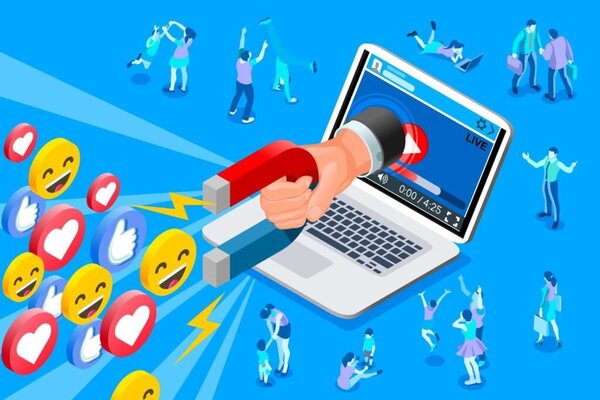
Social media influencers are individuals who have built a loyal following on one or more social platforms by consistently creating valuable, relatable, or entertaining content. Their influence comes from trust, credibility, and audience engagement rather than celebrity status alone.
They maintain a loyal following by regularly posting content on social media platforms like Instagram, TikTok, or YouTube, which allows them to cultivate a sense of community and trust with their audience.
Because of this influence, they often collaborate with brands to promote products or services. Unlike traditional celebrities, influencers are often viewed as more relatable and authentic, making their endorsements feel like personal recommendations from a friend rather than a standard advertisement.
Types of Influencers by Audience Size
Influencers are often categorized based on the size of their audience:
- Nano Influencers (1K–10K followers): Highly trusted within small communities
- Micro Influencers (10K–100K followers): Strong engagement and niche authority
- Macro Influencers (100K–1M followers): Broad reach and professional collaborations
- Mega Influencers (1M+ followers): Massive visibility, often including celebrities
Interestingly, brands increasingly prefer micro and nano influencers due to their authenticity and higher engagement rates.
Influencers by Content Niche
Social media influencers are broadly categorized by the “verticals” or niches they specialize in. In 2026, the trend has shifted from broad appeal to hyper-specialization, where influencers focus on narrow sub-segments to build deeper trust and authority.
Lifestyle & Entertainment
This is the broadest category, where creators focus on their daily lives, personality, or humour.
- Vloggers & Lifestyle: Share day-to-day routines, “Get Ready With Me” (GRWM) content, and general life updates.
- Gaming & Esports: Streamers on platforms like Twitch and YouTube who provide commentary, reviews, and gameplay.
- Memes & Pop Culture: Curators of humour, trending news, and viral challenges.
Specialized & Professional Niches
These influencers are often viewed as “subject matter experts” (SMEs) and are highly sought after for their educational value.
- Finfluencers (Finance): Focus on budgeting, investing, crypto, and “money mindset” content.
- Tech & AI: A breakout niche in 2026, where creators demo AI tools, review gadgets, and provide software tutorials.
- B2B & Thought Leadership: Primarily on LinkedIn, these influencers discuss marketing, entrepreneurship, and workplace trends.
Consumer & Interest-Based Niches
These are highly visual and product-heavy, making them ideal for traditional brand partnerships.
- Beauty & Skincare: Specialized creators focusing on specific needs (e.g., “skincare for sensitive skin” or “curly hair care”).
- Fashion: Includes sub-niches like sustainable fashion, vintage thrifting, or “luxury on a budget.”
- Health, Fitness & Wellness: Spans from high-intensity workouts to mental health advocacy and holistic nutrition.
- Parenting: Relatable content from “mom-bloggers” or “dad-vloggers” covering child development and family products.
High-Growth Emerging Niches
- Sustainability & Eco-Living: Focusing on zero-waste lifestyles and ethical brand choices.
- Travel & Digital Nomadism: Shifting from “luxury escapism” to practical budget itineraries and remote-work destination guides.
- Home Decor & DIY: Creators who focus on “IKEA hacks,” small-space living, and interior styling.
Comparison of Top Niches (2026 Trends)
| Niche | Primary Platform | Content Type | Audience Focus |
| Tech & AI | YouTube/X | Tutorials & Reviews | Early adopters & Professionals |
| Fitness | TikTok/Instagram | Short Workouts | Health-conscious Gen Z/Millennials |
| Finance | YouTube/TikTok | Educational Shorts | Young professionals |
| Beauty | Instagram/TikTok | Tutorials & GRWM | Aesthetic & Result-driven seekers |
Influencers operate in a wide range of niches, including:
- Fashion and beauty
- Fitness and wellness
- Technology and gadgets
- Finance and investing
- Education and self-development
- Travel, food, and lifestyle
This diversity makes influencer marketing adaptable to almost any business model.
Why the Demand for Influencers Is Growing
In 2026, influencer marketing is no longer just a “buzz-building” experiment; it has become a fundamental pillar of digital strategy. The global creator economy is projected to exceed $230 billion this year, with nearly 87% of CMOs planning to maintain or increase their influencer spend.
The demand for influencers is growing due to several key shifts in consumer behaviour and technology:
The “Trust Gap” and Social Proof
Traditional advertising is facing a crisis of credibility. Consumers in 2026 are increasingly cynical toward polished, corporate ads. Instead, they rely on social proof, reviews, real-life demonstrations, and honest feedback from creators they view as “friends” or relatable experts.
- The Stat: 77% of consumers now prefer creator-led content over traditional brand advertisements.
Efficiency and ROI in a Performance Era
Influencer marketing has matured into a full-funnel performance channel. Brands are shifting budgets from linear TV and print to influencers because they offer better conversion pathways.
- Cost Structure: Micro and nano-influencers often deliver 2x the engagement at 60-70% lower costs compared to mega-celebrities.
- Scalability: With AI-powered discovery tools, brands can now manage “creator networks”—hundreds of small-scale partnerships that collectively offer massive, high-quality reach.
Social Commerce & Frictionless Buying
The rise of shoppable content and live commerce has shortened the path from discovery to purchase. In 2026, users can buy products directly within a creator’s video or post without leaving the platform, making influencers the ultimate “micro-sales channels.”
Hyper-Targeting & Niche Authority
Algorithms have become increasingly niche, and so has the audience. Brands now prioritize “niche comfort creators” who dominate specific sub-segments (e.g., sustainable solar tech or specialized digital marketing for local businesses). This allows for surgical precision in marketing that broad-reach ads cannot match.
SEO and “Social Signals”
Influencers are now a vital part of SEO strategy. High engagement on influencer posts creates “social signals” and organic brand searches that search engines like Google use to determine authority. Furthermore, when influencers link to a brand’s landing page, they provide valuable, high-intent traffic.
The influencer industry is not growing by accident. Several powerful forces are driving this change.
Shift From Traditional to Digital Marketing
Consumers are spending less time watching TV and more time on mobile devices. Traditional ads are often skipped, ignored, or blocked. Influencer content, however, blends naturally into social feeds, making it feel less intrusive and more engaging.
According to industry research published by HubSpot, influencer marketing delivers higher engagement compared to traditional digital ads.
Consumer Trust and Authenticity
Modern consumers trust people more than logos. Influencers share personal stories, honest reviews, and real-life experiences. This authenticity builds emotional connections, which leads to stronger purchasing decisions.
When an influencer recommends a product, it feels like advice from a friend rather than a sales pitch.
Rise of Short-Form Video Platforms
TikTok, Instagram Reels, and YouTube Shorts have transformed content consumption. Short, engaging videos allow influencers to communicate messages quickly and creatively. Brands are eager to tap into this format, increasing collaboration opportunities.
Benefits of Influencer Marketing for Brands
In 2026, influencer marketing has matured into a multi-billion-dollar strategic asset. For brands, the benefits go far beyond simple “shoutouts,” offering a sophisticated way to build long-term equity and drive measurable sales.
Superior Trust and Credibility
Trust is the primary currency of the creator economy. Unlike corporate advertisements, which are often met with skepticism, influencer content is viewed as a personal recommendation.
- Social Proof: 81% of consumers in India report being influenced by social media recommendations.
- Relatability: Influencers are perceived as “one of us,” making their endorsements feel authentic rather than transactional.
High Return on Investment (ROI)
Influencer marketing consistently outperforms traditional digital ads in terms of cost-effectiveness.
- The Multiplier: On average, brands earn $5.78 for every $1 spent on influencer campaigns.
- Lead Quality: 82% of marketers report that leads sourced from influencers are of higher quality and have a better lifetime value (LTV).
Precision Targeting (Niche Authority)
Instead of “spray and pray” advertising, brands can use influencers to reach hyper-specific communities.
- Micro & Nano Advantage: Small-scale creators often have engagement rates 3x higher than brand accounts, allowing for deep penetration into niche markets like solar energy enthusiasts or local business owners in specific regions like Gujarat.
- B2B Growth: LinkedIn has emerged as a powerhouse for B2B influencers, helping brands establish thought leadership in technical industries.
Direct Impact on SEO and Traffic
Influencer collaborations provide a significant boost to a brand’s search engine performance.
- Social Signals: High engagement (likes/shares) drives organic search volume for the brand name.
- Backlink Quality: When influencers link to your site, they generate high-intent traffic that reduces bounce rates and signals “authority” to Google’s algorithms.
Content Diversification & Ownership
Influencers act as external creative departments. Brands can repurpose high-quality, influencer-generated content (UGC) for their own social feeds, email newsletters, and even paid ads, which often perform better than studio-shot creative. Brands invest heavily in influencers because the results speak for themselves.
Higher Engagement Rates
Influencer posts often receive more likes, comments, and shares than brand-owned accounts. Engagement shows that audiences are not just watching, they are interacting.
High engagement also boosts visibility due to social media algorithms favouring active content.
Cost-Effective Brand Promotion
Compared to large advertising campaigns, influencer collaborations can be surprisingly affordable. Small brands can work with nano or micro influencers and still achieve strong results without massive budgets.
Improved Conversion and ROI
Influencer marketing often leads directly to sales. Custom discount codes, affiliate links, and product demonstrations make it easy to track performance and return on investment.
How Influencers Impact Consumer Behaviour
Influencers have fundamentally altered the psychology of how people shop and interact with brands. In 2026, this impact is driven by a mix of emotional connection and the seamless integration of technology into social platforms.
Here is how influencers directly shape consumer behaviour:
The “Halo Effect” and Brand Perception
When a trusted influencer associates themselves with a brand, the audience’s positive feelings toward the creator are transferred to the product. This is known as the Halo Effect.
- Aspiration vs. Reality: Consumers no longer just want to own a product; they want to replicate the lifestyle the influencer represents.
- Validation: An influencer’s endorsement acts as a “seal of approval,” reducing the perceived risk of trying a new brand or service.
FOMO (Fear of Missing Out) and Urgency
Influencers are masters of creating artificial and real scarcity. Through “limited-time” discount codes or “exclusive” drops, they trigger an immediate psychological response to act.
- Trend Cycles: Influencers accelerate the speed at which trends go viral. Consumers feel a behavioural pressure to adopt new products (especially in fashion, tech, and beauty) to remain culturally relevant within their digital community.
Shortening the “Path to Purchase”
Traditionally, a consumer went through a long journey: Awareness → Interest → Consideration → Intent → Purchase. Influencers collapse this funnel.
- The Impulse Buy: Seeing a product demonstrated in a “Day in the Life” video can move a consumer from awareness to purchase in under 60 seconds.
- Social Commerce: With integrated “Buy Now” buttons in 2026, the psychological friction of leaving an app to enter credit card details is gone, leading to higher rates of impulsive spending.
Shift from “Search” to “Discovery”
Consumer behaviour is shifting away from traditional search engines (like Google) toward discovery-based feeds.
- Instead of searching for “best solar panels for home,” users are “discovered” by a tech influencer explaining the benefits of solar energy on their feed.
- This changes the consumer from an active seeker to a passive recipient of tailored recommendations.
Strengthening Brand Loyalty
Influencers foster long-term behavioural habits. By consistently featuring a brand in their routine, they encourage “subscription-style” loyalty among their followers. This is particularly effective for:
- Health and Wellness: Following a specific fitness creator’s supplement routine.
- Professional Tools: Using the same SEO or marketing software as a favourite industry thought leader.
Psychological Impact Summary
| Behavioural Driver | Consumer Response |
| Parasocial Interaction | Feeling a “friendship” with the creator, leading to high trust. |
| Social Proof | “If it works for them and thousands of others, it will work for me.” |
| In-Feed Convenience | Reduced cognitive effort needed to make a buying decision. |
Influencers don’t just promote products, they shape decisions.
Social Proof and Purchase Decisions
When people see others using and enjoying a product, they feel more confident buying it. Influencers provide this social proof at scale.
Community Building and Brand Loyalty
Influencers build communities, not just audiences. When brands partner with the right influencer, they gain access to loyal followers who are more likely to stay long-term customers.
Industries With the Highest Influencer Demand
Some industries benefit more than others from influencer partnerships.
Fashion and Beauty
This industry thrives on visuals, trends, and personal style. Influencers showcase products in real-life settings, driving inspiration and sales.
Fitness and Health
Workout routines, nutrition tips, and wellness journeys perform extremely well on social platforms. Trust is essential here, making influencers highly valuable.
Technology and SaaS
Tech influencers simplify complex products through reviews, tutorials, and comparisons, helping consumers make informed decisions.
Travel, Food, and Lifestyle
Experiences sell better when people can see them. Influencers bring destinations, meals, and lifestyles to life through storytelling.
Challenges in Influencer Marketing
Despite its benefits, influencer marketing is not without obstacles.
Fake Followers and Engagement
Some influencers inflate numbers using bots. Brands must carefully analyze engagement quality, not just follower count.
Brand-Influencer Mismatch
Poor alignment between brand values and influencer personality can damage credibility. Successful partnerships depend on shared values and authentic messaging.
Future Trends in Influencer Marketing
As we move through 2026, influencer marketing has transitioned from a “trend” into a data-driven, essential infrastructure for global brands. The focus has shifted from high follower counts to verifiable impact and technological integration.
Here are the key future trends defining the industry this year:
The Rise of “Performance Influence”
In 2026, the industry has largely abandoned vanity metrics like “likes.” Influencers are now judged on full-funnel performance, including:
- Customer Acquisition Cost (CAC): Brands track exactly how much it costs to gain a customer through a specific creator.
- Micro-Sales Channels: Influencers are essentially “digital storefronts,” with partnerships tied directly to revenue via integrated social commerce.
- Hybrid Compensation: Payment models have shifted toward a mix of flat fees for content and performance-based commissions for sales.
AI-Native Campaigns & Virtual Influencers
Artificial Intelligence is no longer just a tool; it’s a collaborator.
- Virtual Creators: AI-generated personas like Lil Miquela and India’s Kyra are now mainstream, offering brands 24/7 engagement and 100% brand safety.
- Precision Matching: Brands use AI to analyze millions of data points, not just demographics, but sentiment and “brand soul” alignment to find the perfect micro-influencers.
- GEO (Generative Engine Optimization): Marketers now track how often their brand is mentioned by influencers in ways that influence AI-driven search results (like Gemini or ChatGPT).
Hyper-Specialization & “Niche Trust”
The “celebrity influencer” is being outpaced by the subject matter expert (SME).
- Nano-Influencer Dominance: Creators with 1,000 to 10,000 followers are seeing the highest ROI because their communities are built on deep, personal trust rather than broad fame.
- B2B Influencers: On LinkedIn, professional thought leaders are now as influential as consumer creators, helping companies navigate complex industries like renewable energy and SaaS.
Social Commerce & Live Shopping
The “scroll-to-buy” journey is now frictionless.
- Live Commerce: Influencers host live shopping events where viewers can ask questions and purchase products without ever leaving the app.
- Video-First Discovery: TikTok Shop and Instagram Reels have turned social feeds into “discovery engines,” where influencers demonstrate products in real-time, leading to immediate impulse purchases.
Long-Term “Brand Ambassadors”
The era of the one-off sponsored post is ending. Brands are now prioritizing multi-year partnerships to foster genuine advocacy. This approach builds a consistent narrative, making the influencer feel like a true part of the company’s story rather than a paid spokesperson.
2026 Influencer Trend Comparison
| Trend | Focus | Key Driver |
| Performance | ROI & Sales | Data Analytics |
| Virtual Influence | Brand Control | AI & 3D Modeling |
| Niche Authority | Community Trust | Micro/Nano Creators |
| Social Commerce | Frictionless Buying | Live Streaming |
The influencer landscape continues to evolve.
AI and Virtual Influencers
AI-generated influencers are gaining attention. While still emerging, they offer brands complete control and consistency.
Long-Term Brand Partnerships
Instead of one-off posts, brands are moving toward long-term collaborations. This builds trust and creates more natural promotion over time.
FAQs About Influencer Demand
Why is influencer marketing so effective?
Because it combines trust, authenticity, and targeted reach in one strategy.
Are micro influencers better than celebrities?
Often yes. Micro influencers usually have higher engagement and stronger audience trust.
Is influencer marketing suitable for small businesses?
Absolutely. Small brands can see strong results with low-budget collaborations.
How do brands measure influencer success?
Through engagement rates, traffic, conversions, and ROI tracking tools.
Can anyone become a social media influencer?
Yes, with consistency, niche focus, and valuable content, anyone can grow an audience.
Will influencer demand continue to grow?
Yes. Digital consumption trends suggest continued expansion across platforms.
Conclusion: The Road Ahead
The High Demand for Social Media Influencers is not a temporary trend, it is a fundamental shift in how brands communicate with consumers. Influencers bring authenticity, relatability, and engagement that traditional marketing struggles to achieve.
As platforms evolve and audiences become more selective, influencers who focus on trust, quality content, and real value will continue to thrive.
For brands, partnering with the right influencers is no longer optional, it is essential for staying competitive in the digital age. The future of marketing is personal, social, and influencer-driven, and it’s only getting stronger.