Understand the Digital Marketing Landscape in 2026
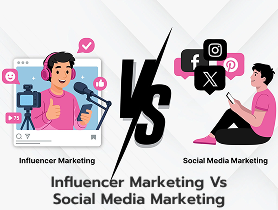
As we move through 2026, digital marketing will continue to grow at an unparalleled pace. Businesses large and small are investing severely in strategies that drive visibility, engagement, and conversions, but two terms often govern the conversation: influencer marketing vs social media marketing.
While both strategies emphasis on reaching audiences through digital platforms, they operate inversely and produce exceptional results.
In this blog post, we’ll discover these two commanding forces, how they’ve developed, what trends are shaping them today, and how savvy marketers are leveraging both to stay ahead in a viable space.
By 2026, the digital ecosystem will not be just about posting content. It’s about forming experiences, building communities, and leveraging data to produce personalized journeys for every audience member.
Understanding Influencer Marketing
Definition and Core Principles
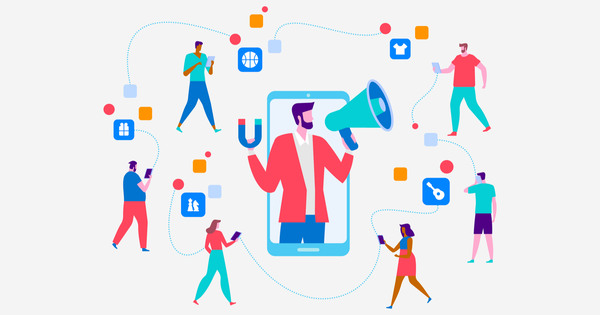
Influencer marketing is an approach where brands collaborate with entities that have established credibility, reach, and influence over a detailed audience.
These influencers, creators, industry experts, or public figures to advocate for brands in ways that resound with their followers.
Unlike traditional advertising, influencer marketing thrives on faith and authenticity. It’s less about polished commercials and more about conversations that seem real.
Types of Influencers (Nano to Celebrity)
Influencers in 2026 are still categorized by audience size:
- Nano-influencers: 1K–10K followers — hyper-local and highly engaged.
- Micro-influencers: 10K–100K — niche experts with dedicated audiences.
- Macro-influencers: 100K–1M — established voices with wide reach.
- Mega/Celebrity influencers: 1M+ — mass influence and mainstream appeal.
Each category serves diverse campaign goals from deep engagement to broad visibility.
Growth and Evolution Leading into 2026
In the early 2020s, influencer marketing chiefly centered around Instagram and YouTube.
By 2026, it’s more classy, supported by AI, rooted in performance metrics, and often driven by niche communities on emerging platforms like immersive social hubs or decentralized networks.
Understanding Social Media Marketing
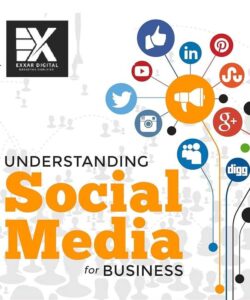
Social Media Marketing (SMM) is the preparation of using platforms like Instagram, LinkedIn, and Facebook to attach with an audience, build a brand, and drive website traffic.
It goes beyond merely posting updates; it comprises a tactical mix of content creation, community engagement, and data analysis to meet detailed business goals.
Key Aspects of Social Media Marketing
- Content Strategy: Creating tailored content such as videos, images, and articles that echoes with the detailed demographics of each platform.
- Engagement & Community: Actively interacting with followers through comments and messages to shape brand loyalty and trust.
- Data-Driven Insights: Using analytics tools to track performance metrics like reach, engagement rates, and conversions to improve future campaigns.
- Paid Advertising: Utilizing vastly targeted ad sets to reach precise niches, ensuring that marketing budgets are spent on the most pertinent audiences.
By understanding the exclusive nuances of each social network, businesses can transform their social media presence from a megaphone for statements into an authoritative tool for two-way communication and growth.
Definition and Core Principles
Social media marketing refers to encouraging brands, products, or services across platforms like Facebook, Instagram, X (formerly Twitter), TikTok, LinkedIn, and more. Its core functions comprise building brand awareness, driving traffic, and generating conversions.
This wide-ranging category includes organic content, paid campaigns, community management, and analytics.
Key Social Media Platforms in 2026
By 2026, platforms have progressed. While staples like Instagram and TikTok persist strongly, newcomers leveraging AR and AI experiences have carved out noteworthy audiences. Platforms now emphasize immersive content, creator economy features, and shoppable experiences.
Content Formats & Engagement Trends
Short-form video remains dominant. However, interactive live broadcasts, AR-enabled ads, and personalized story content are rising. Marketers are learning to familiarise themselves with balancing creativity with data insights.
Key Differences: Influencer vs Social Media Marketing
While both strategies utilize social platforms, they differ fundamentally in execution, voice, and trust dynamics. Social Media Marketing (SMM) is the “always-on” brand presence, while Influencer Marketing is a high-impact “borrowed” presence.
Core Differences at a Glance
| Feature | Social Media Marketing (SMM) | Influencer Marketing |
| Ownership | Brand-owned. You control the account and the message. | Partner-owned. The influencer controls the creative execution. |
| Primary Voice | Corporate/Brand. Focused on professionalism and brand consistency. | Personal/Human. Focused on relatability and individual style. |
| Reach | Broad & Algorithmic. Relies on your followers and paid ad targeting. | Niche & Engaged. Taps into a pre-existing, loyal community. |
| Trust Factor | Built slowly. Earned through consistent value and customer service. | Instant/Borrowed. Leverages the trust the creator has already built. |
| Control | High. You decide exactly when and how everything is posted. | Low. You provide a brief, but the creator “speaks” to their audience. |
Key Takeaways
-
SMM is about Consistency: It is your digital storefront. It’s used for direct customer service, community management, and maintaining a long-term brand narrative.
-
Influencer Marketing is about Credibility: It acts as a digital word-of-mouth. Because audiences often view creators as “peers” rather than “advertisers,” their recommendations carry more weight than a standard brand ad.
-
Measurement: SMM is highly measurable via platform dashboards (clicks, impressions, conversions). Influencer marketing performance is often measured through custom discount codes, affiliate links, and qualitative sentiment.
In modern strategy, these two are rarely used in isolation. Most successful brands use Influencer Marketing to spark interest and trust, then use Social Media Marketing (and retargeting ads) to nurture that interest into a final sale.
Purpose and Strategy
- Influencer Marketing: Leveraging trusted voices to sustain a brand.
- Social Media Marketing: Broadcasting brand messages and engaging straight with audiences.
While both the purpose of awareness and conversion, influencer marketing often enhances credibility, while social media marketing focuses on reliable brand presence.
Targeting and Audience Dynamics
Influencers carry built-in audiences with explicit interests. Social media ads permit specific demographic targeting based on user behaviour, interests, location, and more.
Cost Structures
Influencer campaigns may comprise payment per post, commission, or hybrid performance models. Social media ads operate on CPC, CPM, or CPA models often scalable but require robust budget planning.
Major Trends Shaping Influencer Marketing in 2026
AI-Driven Influencer Selection
Brands now use AI to classify influencers whose audiences align with campaign goals. These tools analyze sentiment, engagement quality, and audience overlap, ensuring healthier ROI.
Authenticity and Micro Communities
In 2026, audiences desire real voices. Micro and nano-influencers are commanding because they speak to tight-knit communities where faith drives action. Authenticity beats follower count every time.
Performance-Based Compensation Models
Instead of paying upfront fees, brands progressively use performance-based arrangements, paying influencers based on conversions, sales, or engagement. This aligns incentives and encourages creators to accomplish.
Major Trends in Social Media Marketing in 2026
Immersive AR/VR Content
Augmented and virtual reality have revolutionized how users interact with content. AR filters, virtual try-ons, and immersive storytelling draw profounder sensitive engagement than static posts.
Social Commerce Acceleration
Social platforms are now authoritative commerce channels. Shops, checkout features, and embedded purchasing flows mean users can buy without ever leaving an app.
Data Privacy and First-Party Data Strategies
With tightening privacy regulations and cookie depreciation, first-party data is being collected directly from users, which has become a gold standard. Smart marketers leverage CRM connectivity, permissioned data, and analytics to deliver personalized experiences.
Integrating Influencer & Social Media Marketing
Rather than selecting one over the other, the most fruitful brands integrate both:
Unified Campaign Structures
Influencers intensify brand messages across owned and paid social channels that are creating synergy between user-generated content and official brand messaging.
Multichannel Engagement Funnels
Audiences might determine a product via an influencer post, then engage deeper through social ads and community content, progressing through the funnel naturally.
Cross-Platform Analytics
Advanced tools now measure performance across influencers, channels, and platforms, attributing sales and engagement accurately.
Challenges and Solutions for Marketers
Adapting to Algorithm Shifts
Algorithm updates can severely affect reach. Brands stay agile by diversifying platforms and focusing on evergreen content that resonates regardless of change.
Measuring ROI
Attribution leftovers tricky. Combining UTM tracking, affiliate links, and cohort analysis supports marketers in assigning value more accurately.
Regulatory and Ethical Considerations
Disclosure rules and advertisement standards vary worldwide. Transparent partnerships and accepted disclosures preserve trust and legal compliance.
Future Predictions Beyond 2026
After 2026, expect growth in:
- Decentralized social networks
- Blockchain-verified content
- AI-generated personalized experiences
Marketing will become more human by blending advanced tech with emotional storytelling.
Case Studies: Success Stories from Top Brands
Effective Influencer Marketing Case
A worldwide fitness brand partnered with nano-influencers across niche communities, generating record conversions while reducing overall spend.
Social Media Marketing Breakthrough
An e-commerce company used AR try-ons on social platforms, driving a gigantic boost in engagement and doubling sales within months.
FAQs About Influencer & Social Media Marketing Trends
Q1: What’s the difference between influencer and social media marketing?
Influencer marketing uses trusted creators to endorse a brand, while social media marketing uses branded content and ads to reach audiences.
Q2: Are influencers still effective in 2026?
Yes, particularly micro and nano-influencers with robust community trust.
Q3: Do social media ads still outperform influencer content?
Neither is universally better; your success depends on goals, audience, and execution.
Q4: How does social commerce impact marketing strategy?
It shortens the path to purchase, letting users to buy without leaving the platform.
Q5: What role does AI play in modern marketing campaigns?
AI optimizes targeting, content recommendations, influencer selection, and performance predictions.
Q6: Should small businesses invest in influencer marketing?
Yes, particularly with micro-influencers, which can be more reasonable and more authentic.
Conclusion: Choosing the Right Strategy in 2026 and Beyond
The digital marketing world in 2026 isn’t about picking influencer marketing vs social media marketing, it’s about considering how they complement each other.
Together, they create authoritative brand narratives, authentic community engagement, and measurable results. Brands that adapt to emerging trends, prioritize data ethics, and blend technology with creativity will flourish in the digital future.