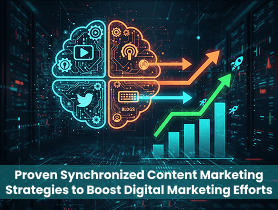
Creating synchronized content marketing strategies to boost digital marketing efforts has become important in today’s fast-paced online world. Brands can no longer rely on standalone blog posts, random social uploads, or scattered email newsletters. Audiences assume a connected, unified experience across every platform they touch.
When your content works together like a well-coordinated team, your digital marketing becomes stronger, clearer, and far more effective.
In this guide, we’ll walk through synchronized content marketing from the ground up, what it is, why it matters, and the best strategies that will help your digital marketing thrive.
Understanding Synchronized Content Marketing
Synchronized content marketing refers to the intentional planning, creation, and distribution of content across multiple channels so that everything works together. Instead of posting in isolation, each piece of content supports a larger story, goal, or marketing campaign.
This creates a cohesive journey for customers, making it easier for them to appreciate your brand message and engage with your content wherever they find it.
What Synchronisation Means in the Digital Ecosystem
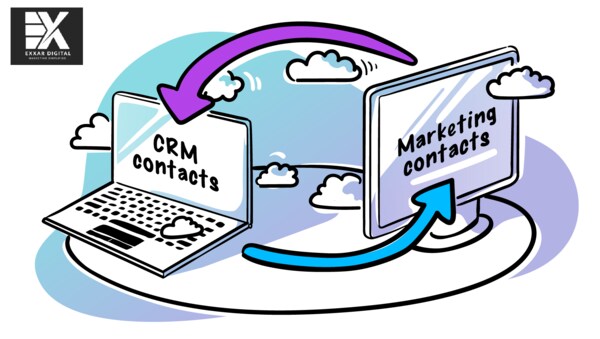
Synchronization in the digital ecosystem chiefly refers to Data Synchronization, which is the incessant procedure of ensuring that data remains reliable and up-to-date across multiple devices, applications, or systems.
This procedure is fundamental to providing a unified user experience, where a change made in one place (like updating a contact on your phone) is directly and accurately reflected everywhere else (like on your tablet or desktop).
Beyond user convenience, actual synchronization is critical for maintaining data integrity, supporting real-time decision-making for businesses, and enhancing security across the interconnected digital ecosystem.
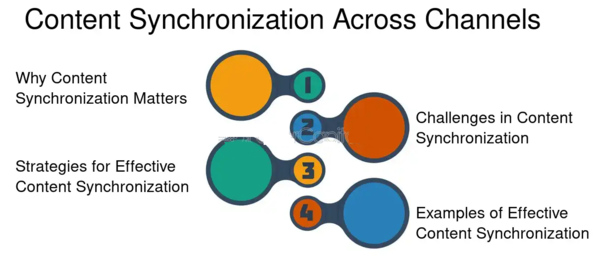
Synchronization means your website, blog, email campaigns, social media posts, and ads all align with one another. They share a unified voice, purpose, and direction.
For example:
- A blog post may introduce a topic.
- Social media videos highlight key takeaways.
- Email newsletters deepen education.
- Paid ads amplify reach.
- Landing pages drive conversions.
When all these components work together, your audience receives a clear, memorable experience.
Why Businesses Need Synchronized Digital Strategies Today?
In the modern, multi-channel landscape, a synchronized digital strategy is vital to avoid fragmented customer experiences and internal inefficiencies. By ensuring all digital tools, data, and communication channels from marketing to sales and service are flawlessly connected and working toward the same goals, businesses can create a unified customer journey and maintain a consistent brand message.
This integration is decisive for data-driven decision-making and boosting operational efficiency, eventually accelerating growth and securing a competitive edge in the market.
Consumers constantly jump between devices and platforms.
One moment they’re on Instagram, the next they’re Googling a problem, and later checking their email. Without synchronized content, your brand risks delivering a scrappy experience that confuses users.
Synchronized content helps:
- Improve brand recall
- Strengthen trust
- Increase engagement
- Boost conversions
- Reduce wasted marketing effort
Core Benefits of Synchronized Content Marketing Strategies
A synchronized content marketing strategy safeguards message reliability across all channels, from blog posts to social media and email, reinforcing the brand narrative at every customer touchpoint.
This unified approach meaningfully enhances the customer experience and builds trust, as the audience receives pertinent information flawlessly throughout their journey.
Eventually, aligning content creation with business goals and distribution channels leads to higher engagement, better SEO performance, and an evident increase in marketing ROI by eliminating siloed, wasted efforts.
Improved User Experience
A synchronized content experience feels smooth and spontaneous. Customers don’t have to work hard to recognize your message or your next steps. From discovery to purchase, everything feels connected.
Higher Conversion Rates
When content across platforms reinforces the same message, users are more likely to take action. They see reliable value and trust your brand more deeply.
Building a Strong Foundation for Synchronized Content
The foundation for synchronized content is built on three pillars: clear alignment of content with business goals, a deep consideration of the target audience (via personas), and establishing a single source of truth for your core content assets. You must first outline what success looks like (e.g., lead generation vs. brand awareness) and then map your content to the buyer’s journey for each persona.
Furthermore, utilizing a centralized content repository or CMS confirms that all teams, from marketing to sales, are using the same, latest versions of messages, maintaining steadiness and eliminating redundant work across all channels. Before jumping into the top strategies, it’s important to create a solid foundation.
Creating a Unified Content Calendar
A centralized content calendar acts as your master plan. It helps your team:
- Plan campaigns cohesively
- Coordinate publishing dates
- your master plan. It helps your team:
- Plan campaigns cohesively
- Coordinate publishing dates
- Maintain consistency
- Avoid content gaps
- Align messaging
Using tools like Trello, Asana, or Notion can help streamline coordination.
Establishing Brand Voice Consistency
To synchronize effectively, every platform must reflect the same brand personality. This includes:
- Tone of voice
- Writing style
- Vocabulary
- Messaging pillars
- Visual identity
With a strong brand voice guide, every writer and designer can produce aligned content easily.
Essential Synchronized Content Marketing Strategies to Boost Digital Marketing Efforts
The most operative synchronized content strategies centre on Content Repurposing and Customer Journey Mapping. Repurposing core, high-value assets (like a whitepaper) into multiple formats (blog posts, videos, social snippets) safeguards message consistency and maximizes reach across all digital channels without continually creating new material.
Significantly, content must be mapped to the Customer Journey, ensuring the right information from awareness-stage guides to decision-stage testimonials, is brought with a unified voice at every personalized touchpoint, which drives higher engagement and conversion rates. This section focuses on practical, actionable strategies you can apply immediately.
Strategy #1 – Multi-Channel Storytelling
Storytelling becomes far more powerful when spread across multiple touchpoints. Share parts of your brand story through:
- Short social posts
- Long-form blogs
- Behind-the-scenes videos
- Email segments
- Website pages
Together, these build a rich narrative that attracts and engages your audience.
Strategy #2 – Repurposing Content for Omnichannel Distribution
Repurposing is a smart and efficient way to maintain consistency. For example:
- Turn a blog post into a YouTube script.
- Convert findings into carousel posts.
- Create infographics from case study data.
- Share highlights in newsletters.
This keeps your message synchronized while reaching different user preferences.
Strategy #3 – SEO + Social + Email Integration
Synchronizing SEO, social media, and email marketing dramatically boosts overall reach.
Here’s how:
- Use SEO-driven topics across social captions.
- Share blog posts in emails to drive traffic.
- Use social conversations to inspire new keyword research.
When these channels work together, you build a strong, consistent content ecosystem.
Strategy #4 – Data-Driven Personalization
Personalized content increases engagement significantly. Using data insights from platforms like Google Analytics and CRM tools, you can customize:
- Product recommendations
- Email sequences
- Dynamic landing pages
- Content topics based on user behaviour
Strategy #5 – Cross-Functional Team Collaboration
Synchronized content requires marketing, sales, and creative teams to collaborate. This ensures campaigns, visuals, and messaging all align with business goals.
Leveraging Technology for Better Content Marketing Synchronization
Technology is the backbone of modern content synchronization, chiefly through the strategic use of integrated Marketing Technology (MarTech) stacks. Key tools like Customer Data Platforms (CDPs) and Marketing Automation Platforms are vital, as they ingest, unify, and share customer data across all systems (like your CRM and CMS).
This integration permits real-time content personalization and automated distribution across channels, confirming that every touchpoint carries the right message with steady branding, maximizing efficiency and enabling true closed-loop performance analysis.
AI Content Assistants & Automation Tools
AI tools help maintain consistency, automate repetitive work, and ensure tone alignment. They can also generate content ideas, drafts, and customer-focused messaging.
Marketing Analytics Dashboards
Dashboards help teams track performance in real time, ensuring that every piece of content contributes to overall marketing objectives.
Common Mistakes to Avoid in Synchronized Content Marketing
One chief pitfall is unreliable Messaging, where diverse channels (e.g., social media, email, website) use varying tones, offers, or calls-to-action, which fractures the brand experience and confuses the audience.
Another critical error is Data Silos, where key customer behaviour data is not shared between marketing technology platforms (CRM, CMS), leading to unrelated or poorly personalized content delivery.
Lastly, neglecting to establish a single source of Truth for content assets can result in teams carelessly promoting outdated or unapproved versions, undermining both efficiency and brand credibility.
Inconsistent Brand Messaging
This confuses users quickly. Always stick to your brand voice guide.
Over-Publishing Without Strategy
Posting too much without synchronization leads to content overload and poor performance. Focus on quality and alignment instead.
Case Study: How Brands Thrive with Synchronized Content
Many successful brands use synchronized strategies to deliver consistent user experiences. From Nike’s multi-platform storytelling to HubSpot’s unified inbound approach, synchronized content helps them stay top-of-mind and build strong customer loyalty.
FAQs About Synchronized Content Marketing Strategies
-
What is synchronized content marketing?
It’s a strategic approach where all content across platforms aligns toward a unified message or goal.
-
Why is synchronized content important?
It strengthens brand identity, improves user experience, and boosts conversions.
-
How do I start synchronizing my content?
Begin with a unified content calendar, brand voice guide, and clear marketing objectives.
-
Can small businesses use synchronized content strategies?
Absolutely. Even simple coordination between social media and website content can create big improvements.
-
How does synchronized content impact SEO?
It supports better internal linking, a consistent keyword strategy, and improved user engagement.
-
What tools are best for synchronized content?
Tools like Notion, HubSpot, Buffer, and Google Analytics are excellent for planning and alignment.
In Conclusion :
Synchronizing your content can intensely boost your digital marketing results. By aligning messages, channels, and goals, your content becomes more impactful, more memorable, and more profitable.
Whether you’re a small business or a growing brand, implementing synchronized content marketing strategies to boost digital marketing efforts is one of the most effective ways to build a stronger digital presence.