
Introduction to Multi-Marketplace Selling
Managing multiple ecommerce marketplaces might feel like juggling too many balls at once, but when done right, it can dramatically boost your revenue. Businesses today aren’t relying on just one platform. Instead, they’re spreading their presence across multiple channels to reach more customers and maximize sales opportunities.
Starting a business often begins with a single storefront, but multi-marketplace selling is the bridge between having a “shop” and building a “brand.” At its core, it’s the strategy of listing your products across several platforms, like Amazon, eBay, Etsy, and your own website simultaneously.
Think of it as opening multiple doors to the same store; instead of waiting for customers to find you in one corner of the internet, you’re meeting them wherever they already love to shop.
While it sounds like a lot of plates to spin, the goal isn’t just to be “everywhere”, it’s to create a safety net for your income. If one platform changes its algorithm or hits a slump, your business doesn’t skip a beat because your other “doors” are still wide open.
Why Diversify Your eCommerce Storefronts?
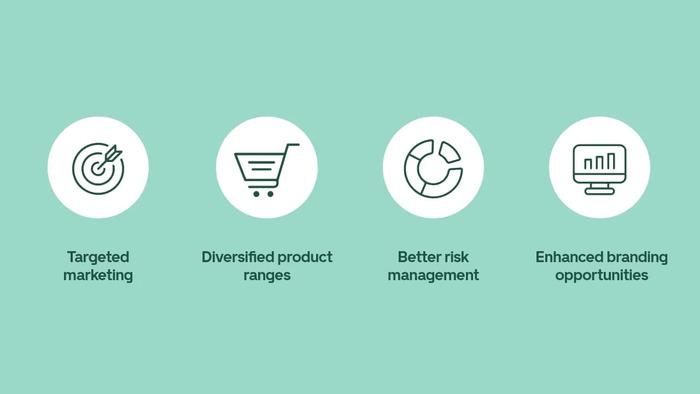
Diversifying your eCommerce storefronts means selling your products across multiple platforms instead of relying on just one website or channel. This strategy isn’t just about expanding presence, it’s about reducing risk and unlocking new growth opportunities.
First, it protects your business from over-dependence on a single platform. If all your sales come from one site and it faces issues, like algorithm changes, technical downtime, or policy restrictions, your revenue can drop instantly. By spreading across multiple storefronts, you create stability and avoid putting all your eggs in one basket.
Second, diversification increases your reach. Different platforms attract different types of customers. For example, some shoppers prefer browsing large marketplaces, while others trust standalone brand websites. Being present in multiple places allows you to tap into varied audiences and buying behaviors, which naturally boosts visibility and sales potential.
It also improves brand exposure and credibility. When customers see your products across multiple channels, it reinforces trust and recognition. A brand that appears consistently on different platforms often feels more established and reliable.
Another key advantage is revenue growth. Multiple storefronts create multiple entry points for customers to discover and purchase your products. This can lead to higher overall sales, especially if you tailor your offerings, pricing, or promotions to suit each platform’s audience.
Finally, diversification gives you valuable data insights. Each platform provides different analytics and customer behaviour patterns. By comparing performance across channels, you can better understand what works, refine your strategy, and optimize marketing efforts.
In short, diversifying your eCommerce storefronts helps you reduce risk, reach more customers, strengthen your brand, and create more consistent and scalable growth.
- Risk Management: You aren’t “renting” your entire business from a single platform.
- Brand Authority: Seeing your products in multiple places builds instant trust with skeptical shoppers.
- Global Reach: Different marketplaces dominate different regions, helping you cross borders without the traditional overhead.
The Golden Rule: It’s better to be masterfully present on three platforms than spread thin and messy on ten. Success in multi-market selling is as much about inventory management as it is about sales.
What Are Ecommerce Marketplaces?

Ecommerce marketplaces are online platforms where multiple sellers offer products to a wide audience. Examples include Amazon, eBay, and Shopify-based stores. These platforms provide built-in traffic, making it easier for sellers to reach customers without heavy marketing efforts.
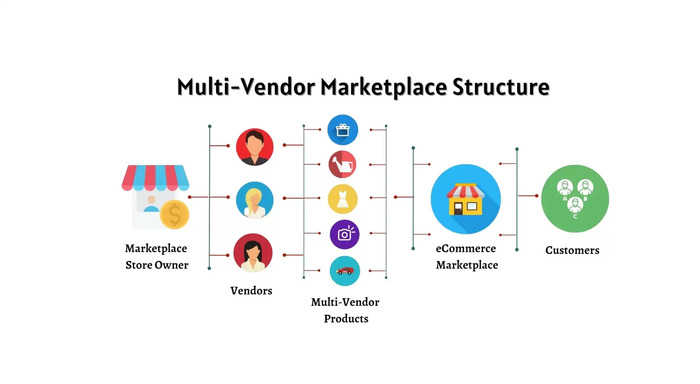
At their simplest, e-commerce marketplaces are the digital version of a massive shopping mall. They are third-party platforms where multiple different sellers, from global brands to small solo entrepreneurs, list their products for sale in one centralized location.
Unlike a traditional online store, where you buy directly from the person who owns the website, a marketplace acts as the trusted middleman.
They provide the “real estate” (the website), the “foot traffic” (the customers), and the “checkout counter” (the payment system), while the individual sellers handle the inventory.
How They Differ from Standard Online Stores?
To understand the landscape, it helps to see where marketplaces sit in the digital ecosystem:
| Feature | Brand Website (D2C) | Ecommerce Marketplace |
| Ownership | You own the site and data. | The platform owns the site and data. |
| Customer Trust | You have to build it from scratch. | Customers already trust the platform. |
| Competition | Your products are the only stars. | You are side-by-side with competitors. |
| Fees | Lower (mostly hosting/marketing). | Higher (referral fees and commissions). |
The Three Main Types
- Horizontal Marketplaces: These sell “everything to everyone.” Think of Amazon or eBay. You can buy a lawnmower and a designer watch in the same transaction.
- Vertical Marketplaces: These focus on a specific niche or category. For example, Etsy focuses on handmade/vintage goods, or Chewy focuses exclusively on pet supplies.
- Regional Marketplaces: These dominate specific geographic areas. For instance, Mercado Libre is the giant of Latin America, while Flipkart holds massive weight in India.
Why Do They Exist?
For customers, they offer convenience: one login, one credit card on file, and the ability to compare prices instantly. For sellers, they offer a shortcut to visibility. You don’t have to worry about SEO or “finding” customers; the marketplace brings the customers to you, for a price.
Benefits of Selling on Multiple Platforms
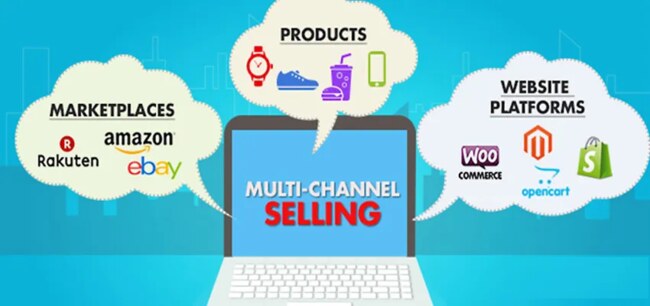
Selling on multiple platforms is like opening your store in different busy locations at the same time, it naturally brings more eyes to your products. Instead of relying on a single source of income, you spread your risk and create multiple streams of revenue.
It also helps you reach different types of customers, since each platform attracts its own audience. Over time, this wider presence builds trust, boosts brand recognition, and increases your chances of making consistent sales, even if one platform slows down.
Selling on multiple marketplaces offers several advantages:
- Increased visibility and brand reach
- Diversified revenue streams
- Reduced dependency on a single platform
- Higher chances of customer acquisition
However, managing multiple platforms efficiently is key to unlocking these benefits.
Tips to Handle Multiple Ecommerce Marketplaces

Tip #1: Choose the Right Marketplaces
Selecting the right platforms is the foundation of success.
Popular Platforms Comparison
Different marketplaces cater to different audiences. For example:
| Platform | Best For | Fees |
| Amazon | Mass market | Medium |
| eBay | Auctions & used goods | Low |
| Etsy | Handmade products | Low |
| Walmart | Established brands | Medium |
Choose platforms that align with your product type and business goals.
Niche vs General Marketplaces
- General marketplaces offer large audiences but high competition.
- Niche marketplaces provide targeted customers with less competition.
A mix of both often works best.
Tip #2: Centralize Inventory Management
Inventory mismanagement can lead to overselling or stockouts.
Importance of Real-Time Inventory
Real-time updates ensure:
- Accurate stock levels
- Better customer experience
- Reduced cancellations
Tools for Inventory Synchronization
Use tools like:
- TradeGecko
- Zoho Inventory
- ChannelAdvisor
These tools sync inventory across all platforms automatically.
Tip #3: Optimize Product Listings for Each eCommerce Platform
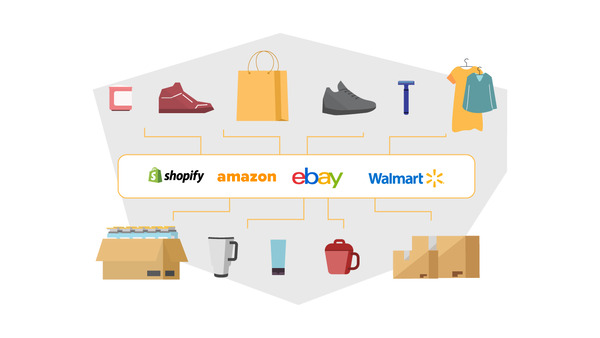
Each ecommerce marketplace has its own algorithm and customer behaviour.
Platform-Specific SEO Strategies
- Use relevant keywords for each platform
- Optimize titles and bullet points
- Follow platform guidelines
High-Converting Product Descriptions
A good product description should:
- Highlight benefits, not just features
- Include clear images
- Use persuasive language
Tip #4: Use Automation Tools
Automation reduces manual work and errors.
Order Management Systems
OMS tools help:
- Track orders across platforms
- Automate processing
- Improve efficiency
Automation for Pricing & Repricing
Dynamic pricing tools adjust prices based on:
- Competitor pricing
- Demand fluctuations
- Inventory levels
Tip #5: Maintain Consistent Branding
Consistency builds trust and recognition.
Visual Identity Across Platforms
Ensure:
- Same logo
- Similar colour schemes
- Uniform product images
Brand Voice and Messaging
Keep your tone consistent across all platforms to strengthen your brand identity.
Tip #6: Manage Customer Service Efficiently
Customer service can make or break your business.
Unified Customer Support
Use centralized systems to manage:
- Messages
- Queries
- Complaints
Handling Returns and Refunds
Have clear policies to:
- Reduce disputes
- Improve customer satisfaction
Tip #7: Monitor Performance Analytics
Tracking performance helps you grow strategically.
Key Metrics to Track
- Conversion rate
- Sales volume
- Customer acquisition cost
- Return rate
Data-Driven Decision Making
Use analytics tools like Google Analytics to identify trends and optimize your strategy. Learn more here: https://analytics.google.com/
Tip #8: Implement Smart Pricing Strategies
Pricing plays a crucial role in sales success.
Competitive Pricing Techniques
- Monitor competitors
- Offer discounts strategically
- Use psychological pricing
Dynamic Pricing Tools
Automated tools can adjust prices in real-time to stay competitive.
Tip #9: Streamline Shipping and Fulfilment
Fast and reliable shipping improves customer satisfaction.
Third-Party Logistics (3PL)
3PL providers handle:
- Warehousing
- Packing
- Shipping
Multi-Channel Fulfilment Options
Services like fulfilment centres allow you to manage orders from multiple platforms efficiently.
Tip #10: Stay Compliant with Marketplace Policies
Each marketplace has strict rules.
Avoiding Account Suspension
- Follow guidelines carefully
- Avoid fake reviews
- Maintain seller ratings
Understanding Terms and Conditions
Regularly review policies to stay updated and avoid penalties.
Common Challenges in Multi-Marketplace eCommerce Selling
While the idea of being everywhere at once sounds like a dream, the reality of multi-marketplace selling often feels like trying to conduct a massive orchestra where every musician is playing a slightly different version of the song. It’s a balancing act that tests your patience and your tech stack.
Here are the most common hurdles sellers face when they start expanding:
The Inventory “Double-Sell”
The biggest nightmare for any seller is selling your last item on Amazon at 10:00 AM, only for an eBay customer to buy that same (now non-existent) item at 10:05 AM. Without a centralized system, you’re stuck in a loop of manual updates, and “out of stock” cancellations can lead to platform penalties or even account suspension.
The Content Tug-of-War
Every marketplace has its own personality and its own rules. Amazon wants clinical, white-background photos and bullet points; Etsy wants “vibey” lifestyle shots and a personal story; eBay wants specific technical compatibility charts.
Managing these different “listing requirements” means you can’t just copy-paste your way to success; you have to tailor your brand’s voice for every single door you open.
Fee Fatigue and Pricing Wars
It’s easy to forget that each platform takes a different “cut.” Between referral fees, fulfillment costs (like FBA), and advertising spend, a product that is profitable on your own website might actually lose you money on a high-commission marketplace.
Keeping your pricing competitive while protecting your margins across four different fee structures is a constant math puzzle.
A Quick Reality Check
- Customer Support: You now have four different inboxes to check. A “late reply” on one platform might not matter, but on another, it could tank your search ranking.
- Data Overload: Seeing your total sales is easy; seeing which platform is actually profitable after all expenses requires much deeper digging.
The Human Take: Don’t feel like you have to automate everything on day one. It’s okay to feel overwhelmed by the tabs open on your browser, that’s just the growing pains of a business that’s getting too big for just one “home.”
- Managing inventory across platforms
- Handling different fee structures
- Maintaining consistent customer experience
- Dealing with platform-specific rules
Best Tools to Manage Multiple Ecommerce Stores
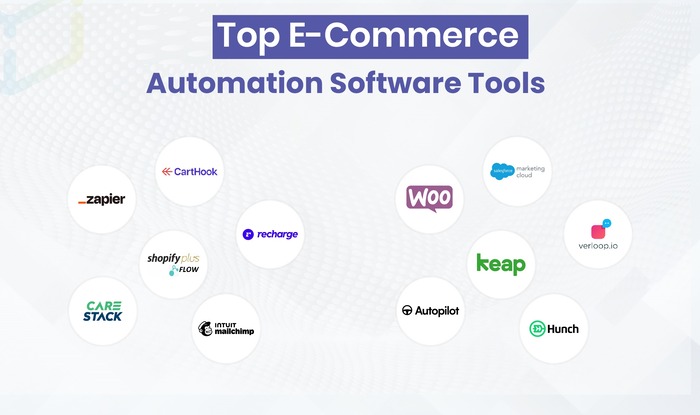
Managing multiple ecommerce stores can feel overwhelming, but the right tools make it much easier and more organized. These tools act like your behind-the-scenes team, helping you track inventory, manage orders, and update listings across all platforms from one place.
Instead of jumping between different dashboards, you save time and reduce mistakes. In simple terms, they let you focus more on growing your business while they handle the routine work smoothly.
| Tool | Function |
| Sellbrite | Multi-channel listing |
| Linnworks | Inventory management |
| Skubana | Order fulfillment |
| ChannelAdvisor | Marketplace integration |
Future Trends in Ecommerce Marketplaces
Looking ahead to the rest of 2026, the world of multi-marketplace selling is shifting from “being everywhere” to “being everywhere, intelligently.” We’re moving into an era where the technology behind the scenes is finally catching up to the speed of our ideas.
Here are the trends shaping the future of how we sell:
The Rise of “Agentic Commerce”
We are no longer just selling to humans; we’re selling to their AI agents. In 2026, personal AI shoppers are beginning to research, compare, and even negotiate deals on behalf of customers.
For sellers, this means “looking good” isn’t enough anymore, your product data needs to be incredibly clean and “machine-readable” so these digital assistants can find you and trust your specs instantly.
From Omnichannel to “Unified Commerce”
The old “omnichannel” approach often felt like managing five different businesses at once. The future is Unified Commerce, where your warehouse, your physical shop (if you have one), and all your digital marketplaces live in a single “brain.”
This eliminates the “ghost stock” problem where you accidentally sell something you don’t have, because every platform sees the exact same inventory heartbeat in real-time.
Hyper-Personalized “Stores of One”
Marketplaces are becoming less like static catalogues and more like dynamic mirrors. Using AI, platforms are now rearranging their entire storefronts based on who is looking.
As a seller, this means your “standard” product description might be automatically tweaked to highlight the features a specific buyer cares about most, making every interaction feel like a one-on-one conversation.
Video-First and Social “Impulse” Buying
Led by the influence of platforms like TikTok Shop and Temu, marketplaces are prioritizing algorithmic discovery over search. People aren’t just “searching” for a product; the product is “finding” them through short-form video and live-streamed demos. Success in 2026 is less about winning at SEO keywords and more about how quickly your content can stop someone from scrolling.
Key Takeaways for Your Strategy:
- AR is the New “Standard”: Augmented Reality is no longer a gimmick; customers now expect to “place” products in their room or “try on” accessories virtually before hitting buy.
- The B2B Boom: Wholesale and B2B selling are moving to marketplaces at record speeds. If you sell to other businesses, they now want the same “one-click” checkout experience they get on Amazon.
- Values Matter: Shoppers are looking for “sustainability” and “origin” data more than ever. If your product is eco-friendly or locally made, that needs to be a core part of your machine-readable data.
The Human Take: The future sounds very “tech-heavy,” but the goal is actually to make digital shopping feel more like a local corner store, where the shopkeeper knows your name, remembers your last order, and knows exactly what you’re looking for before you even ask.
- AI-powered personalization
- Voice commerce
- Faster delivery systems
- Expansion of niche marketplaces
Staying ahead of these trends can give you a competitive edge.
FAQs on Tips to Handle Multiple Ecommerce Marketplaces
What is the biggest challenge in managing multiple ecommerce marketplaces?
The biggest challenge is keeping everything in sync, especially inventory and orders. Imagine selling the same product on different platforms, and it gets sold out on one but still shows available on another.
That can lead to cancellations and unhappy customers. It’s not just about stock; even order tracking, pricing updates, and product details need to stay consistent. Without proper systems in place, it can quickly become confusing and stressful to manage.
How can I increase sales across multiple marketplaces?
Increasing sales isn’t just about listing your products everywhere, it’s about making them stand out. Start by optimizing your product listings with clear titles, attractive images, and detailed descriptions that speak to the customer.
Competitive pricing also plays a big role, as shoppers often compare options across platforms. On top of that, excellent customer service, like quick responses and smooth returns, builds trust and encourages repeat purchases. Small improvements in these areas can make a big difference over time.
Do I need different strategies for each marketplace?
Yes, and it’s actually more important than many sellers realize. Each marketplace has its own way of ranking products and its own type of audience. What works well on one platform might not perform the same on another.
For example, some platforms favour detailed descriptions, while others focus more on pricing or reviews. By understanding how each platform works and adjusting your approach slightly, you can get much better results without starting from scratch every time.
Are automation tools necessary?
They’re not absolutely required, but they can make your life a whole lot easier. When you’re handling multiple stores, doing everything manually can take up a lot of time and increase the chances of mistakes.
Automation tools help with tasks like updating inventory, processing orders, and even adjusting prices. Think of them as a helpful assistant that keeps things running smoothly in the background, so you can focus more on growing your business instead of getting stuck in daily operations.
How do I handle returns across multiple platforms?
Handling returns can get tricky when you’re selling on different platforms, each with its own policies. The best approach is to create a clear and consistent return policy for your business and try to align it with marketplace guidelines.
Using centralized tools can also help you manage return requests from one place instead of checking each platform separately. When returns are handled smoothly and fairly, customers are more likely to trust your brand and shop with you again.
Can small businesses manage multiple marketplaces?
Absolutely! Small businesses can do really well across multiple marketplaces, especially with the right approach. You don’t need a big team to get started, just the right tools and a smart strategy.
Start small, maybe with two platforms, and grow gradually as you become more comfortable. Many successful sellers today began as small businesses and scaled up over time. With consistency, good planning, and a willingness to learn, managing multiple marketplaces is completely achievable.
Conclusion
Handling multiple ecommerce marketplaces may seem complex, but with the right strategies, it becomes a powerful way to scale your business. From choosing the right platforms to automating operations and optimizing listings, every step plays a crucial role in increasing sales.
By implementing these proven tips to handle multiple ecommerce marketplaces to increase sales, you’ll not only streamline your operations but also unlock new growth opportunities.