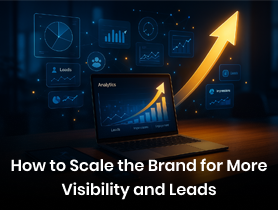
Scaling a brand isn’t just about getting bigger, it’s about getting smarter, more efficient, and more recognisable. If you’re wondering how to scale the brand for more visibility and leads, you’re already on the right path to serious business growth.
In today’s ultra-competitive market, brands that scale effectively use a combination of strategic content, SEO, market positioning, paid ads, and customer-centric approaches.
This guide breaks down everything you essential to scale your brand using real-world, modern, and effective strategies.
Understanding What It Really Means to Scale a Brand
“Understanding what it really means to scale a brand” goes far beyond merely increasing sales or opening more locations; it signifies achieving sustainable, profitable growth where revenue increases at a faster rate than costs.
True brand scaling requires a rock-solid foundation, including streamlined, repeatable processes and leveraging technology like automation, to handle huge increases in demand without sacrificing core brand identity or quality.
Eventually, it means expanding market reach while maintaining the consistency, values, and customer experience that made the brand successful in the first place.
Scaling isn’t just growth. It’s growth that doesn’t break your systems, budgets, or team capacity. At its core, scaling means increasing revenue without meaningfully increasing costs.
Difference Between Growing and Scaling a Brand
- Growth = More resources + more output
- Scaling = Same resources + MORE output
When you scale, your efforts compound. The brand works harder for you.
Why Scaling Matters in Today’s Competitive Landscape
Consumers are flooded with choices. Standing out requires:
- Authority
- Consistency
- Visibility
- Trust-building
Scaling your brand ensures that your presence is strong across all platforms while maintaining a uniform message.
Building a Strong Brand Foundation Before Scaling
Building a robust brand foundation before scaling is a critical prerequisite for sustainable growth, ensuring the brand can withstand the pressures of expansion. This involves clearly defining your core values, mission, and unique value proposition (UVP), which serve as the internal compass for every decision.
A robust foundation includes securing repeatable operational processes, understanding your ideal customer profile (ICP), and proving the profitability of your business model on a smaller scale.
Without this solid base, scaling efforts risk diluting the brand message, leading to inconsistent quality, and eventually, failure to achieve long-term success. Just like a skyscraper needs a stable foundation, your brand can’t scale without clarity.
Defining Brand Identity and Core Values
Your brand identity includes:
- Mission
- Vision
- Core values
- Tone of voice
- Visual identity
A strong identity helps your brand remain recognisable and trustworthy.
Understanding Your Target Audience Deeply
To scale effectively, go beyond basic demographics.
Understand:
- Pain points
- Desires
- Behavioural patterns
- Motivations
Tools like Google Analytics and customer interviews help create accurate customer personas.
Crafting a Clear and Consistent Brand Message
Your messaging must answer:
- Who do you help
- How do you help
- What makes you unique
A clear message increases conversions and boosts visibility.
Boosting Visibility With Strategic Content Marketing
Boosting visibility with strategic content marketing involves consistently creating valuable, relevant, and engaging material that directly addresses your target audience’s pain points and interests.
By integrating strong SEO practices and using target keywords, this content meaningfully improves your brand’s organic search engine rankings, fundamentally turning your website into a trusted resource.
Furthermore, strategically distributing this high-quality content across numerous channels establishes your brand as a thought leader in your industry, driving increased traffic and long-term brand recognition.
Content is the engine of brand visibility. When done right, it entices organic traffic, nurtures leads, and builds authority.
Types of High-Impact Content to Create
- SEO blogs
- Case studies
- Customer testimonials
- How-to guides
- Social media posts
- Video content
- Podcasts
- Infographics
How Content Drives Lead Generation
Content acts as your sales rep that works 24/7. When users engage with your content, they build trust, increasing the chance of conversion.
Using SEO to Scale Your Brand Authority
SEO is one of the strongest long-term strategies to scale brand visibility and leads.
On-Page SEO Essentials
- Keyword optimization
- Meta tags
- Internal linking
- Semantic keywords
- Optimised headings
Off-Page SEO & Backlink Strategies
- Guest posting
- Digital PR
- Influencer features
- Social signals
Technical SEO Improvements
- Faster page load
- Mobile responsiveness
- Crawl optimization
- Schema markup
For an excellent SEO resource, you can check Moz’s SEO Learning Centre.
Leveraging Social Media for Exponential Reach
Leveraging social media for exponential reach means utilizing platforms not just for broadcasting, but for creating honest engagement and community around your brand.
By developing a strategic content mix that resonates with your target audience and encourages sharing, brands can tap into the network effects of user-generated content and viral distribution.
This exponential reach permits brands to quickly and cost-effectively expand visibility far beyond their instant follower base, turning loyal customers into influential brand advocates who drive significant awareness.
Social media helps you scale through rapid visibility expansion.
Best Platforms for Brand Visibility
- LinkedIn (B2B)
- Instagram (Brand storytelling)
- Facebook (Community)
- TikTok (Viral reach)
- YouTube (Long-term visibility)
Organic vs Paid Social Growth
Organic builds trust. Paid accelerates reach. Use both for optimal scaling.
Paid Advertising to Accelerate Brand Scaling
Paid ads offer instant visibility when organic methods take time.
Effective Ad Platforms
- Google Ads
- Facebook & Instagram Ads
- LinkedIn Ads
- YouTube Ads
Optimising Ad Spend for Better ROI
- Retargeting
- A/B testing
- Audience segmentation
- Ad creatives that match intent
Building a Lead Magnet & Email Nurture System
Building a lead magnet and email nurture system is a fundamental strategy for capturing qualified leads and guiding them toward becoming customers. The lead magnet, an invaluable free resource like an eBook or template, serves as the incentive for prospects to willingly exchange their contact information.
Once captured, the automated email nurture system consistently delivers a sequence of helpful, relevant content, building trust and positioning the brand as an expert until the lead is ready to make a purchase.
This approach permits a brand to scale personalized communication and efficiently move prospects through the sales funnel without constant manual effort.
Email remains the highest ROI channel.
Types of Lead Magnets
- Ebooks
- Checklists
- Templates
- Free tools
- Webinars
Creating a High-Converting Email Sequence
A good sequence:
- Introduces your brand
- Shares value
- Builds trust
- Soft-sells
- Converts subscribers into leads
Partnerships, Influencers & PR to Expand Trust
One of the fastest ways to scale.
Collaborations that Boost Visibility
- Industry influencers
- Competitor brand partnerships
- Guest webinars
- Joint campaigns
Getting Featured in Media
Press releases and journalists can put your brand in front of millions.
Improving Brand Experience & Customer Journey
Customer experience is a growth engine.
Website UX
- Fast loading
- Clean design
- Intuitive navigation
- Clear CTAs
Post-Purchase Experience
- Follow-up emails
- Customer support
- Easy onboarding
- Loyalty programs
Data Analytics & Measuring the Right KPIs
Scaling requires tracking.
KPIs That Matter for Scaling
- Website traffic
- Conversion rate
- Cost per acquisition (CPA)
- Lead quality
- Repeat customer rate
Tools to Track Performance
- Google Analytics
- Hotjar
- Semrush
- HubSpot CRM
Common Mistakes to Avoid When Scaling a Brand
Common mistakes to avoid when scaling a brand centre on losing focus on the core values and customer experience that drove preliminary success. One chief error is scaling too fast without adequate operational infrastructure, which leads to quality control issues and inconsistent service.
Another pitfall is diluting the brand message by trying to appeal to everyone, rather than staying focused on the ideal customer profile (ICP). Lastly, failing to invest in technology and talent to support increased demand often results in inefficiency and burnout, eventually hindering sustainable, long-term growth.
- Scaling too fast
- Not understanding your audience
- Inconsistent branding
- Weak SEO foundation
- Relying only on paid ads
FAQs
-
What’s the first step in scaling a brand?
Creating a strong brand identity and understanding your audience is the first step.
-
How long does it take to scale a brand?
It varies, but naturally 6–18 months of consistent effort.
-
Do small businesses need to scale their brand?
Yes! Scaling helps small brands become competitive and sustainable.
-
What’s the most cost-effective scaling strategy?
SEO and content marketing offer long-term growth at low cost.
-
How important is social media in scaling?
Extremely significant. It boosts visibility, trust, and engagement.
-
Does paid advertising guarantee leads?
No, but when done strategically, it dramatically increases lead volume.
In Conclusion :
Learning how to scale the brand for more visibility and leads requires a blend of SEO, content marketing, social media, paid ads, partnerships, and customer-centric enhancements. When all these elements work together, your brand becomes more visible and trustworthy, leading to reliable and sustainable growth.