

Introduction to Modern Digital Commerce
The digital marketplace has changed vividly over the last decade. Traditional ecommerce once relied chiefly on websites and marketplaces. But today, social commerce and quick commerce are boons for small ecommerce stores because they reshape how customers determine, purchase, and receive products.
Consumers no longer want to browse ceaselessly. They want convenience, speed, and interaction. They expect products to appear in their social feeds and arrive at their doorstep in record time. This shift has opened influential doors for small online businesses. Let’s break it down.
What is Social Commerce?
Social commerce is the process of selling products or services directly through social media platforms, without requiring customers to leave the app. Instead of just discovering a brand on social media and then visiting a website, users can browse, interact, and make purchases all in one place.
It feels more natural and engaging because people are already spending time on these platforms. They can see product recommendations, reviews, or influencer content, and make quick buying decisions based on what they trust. In simple terms, social commerce turns social media from just a marketing channel into a complete shopping experience.
Understand Why Social Commerce is important
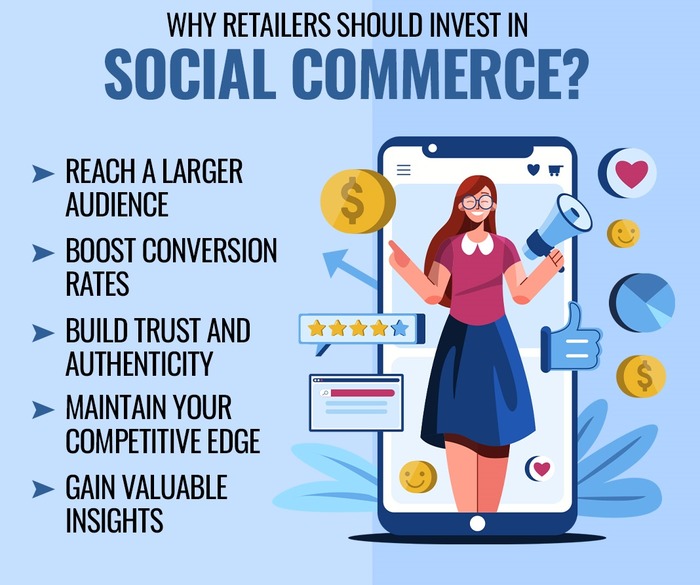
Social commerce is a segment of e-commerce that involves using social media platforms to assist in the online buying and selling of products and services.
Unlike traditional social media marketing, which directs users to an external website, social commerce permits consumers to browse, click, and wide-ranging their whole purchase journey without ever leaving the app.
By integrating features like “Shop” tabs, shoppable posts, and “Buy” buttons, platforms transform social interactions into unified transactional experiences. This model leverages social proof, such as likes, comments, and influencer recommendations, to drive instant conversions through a decidedly personalized and interactive shopping environment.
Social commerce is the process of selling products straight through social media platforms. Instead of redirecting users to a website, purchases happen inside apps like:
- TikTok
Customers realize products while scrolling, watching live videos, or engaging with influencers. With just a few taps, they complete a purchase. It’s seamless, interactive, and incredibly effective.
What is Quick Commerce?
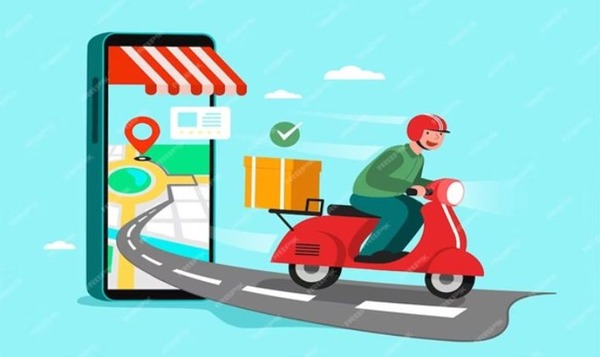
Quick commerce (often called Q-commerce) focuses on ultra-fast deliveries, typically within 10 to 30 minutes. Unlike traditional ecommerce, which may take days to ship, quick commerce prioritizes speed through:
- Local warehouses or “dark stores”
- Hyperlocal delivery partners
- Optimized logistics software
- Real-time inventory tracking
It’s all about instant gratification, and customers love it.
Why Social Commerce and Quick Commerce Are Boons for Small Ecommerce Stores?
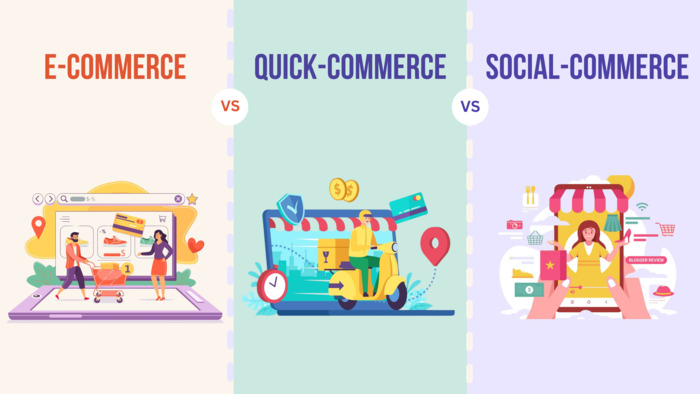
Social commerce and quick commerce (q-commerce) are levelling the playing field for small e-commerce businesses by removing traditional barriers to entry like massive ad budgets or complex logistics. Here is why they are considered major “boons” for smaller players:
Lower Customer Acquisition Costs (CAC)
In traditional e-commerce, small stores often fight to compete with giants on Google Search bidding. Social commerce permits brands to reach niche audiences organically through content and community.
When a user can buy directly from an Instagram post or a TikTok video, the friction and the cost of converting a lead drop meaningfully.
Building Trust Through “Social Proof”
Small brands often face a “trust gap.” Social commerce bridges this by integrating reviews, user-generated content, and influencer endorsements directly into the shopping interface. Seeing real people interact with a product in real-time provides the instant credibility that a standalone website might lack.
Hyper-Local Reach via Quick Commerce
Quick commerce (delivery within minutes or hours) permits small businesses to govern their immediate geography.
By partnering with q-commerce platforms, a small local shop can offer the same instant gratification as a huge retailer, turning its physical proximity into a competitive advantage.
Streamlined Operations
- Reduced Tech Debt: Small stores don’t necessarily need to build and maintain a complex, high-traffic website; the social platform is the storefront.
- Inventory Efficiency: Q-commerce relies on “dark stores” or micro-fulfilment centres, allowing small sellers to manage smaller, high-turnover batches of stock rather than maintaining massive warehouses.
Impulse Buying & Discovery
Traditional e-commerce is “intent-based” (searching for a specific item). Social and quick commerce are “discovery-based.”
A user scrolling their feed might find a unique product they didn’t know they wanted and purchase it instantly. This serendipity is where creative, agile small brands truly shine.
Now here’s the big question: why exactly are social commerce and quick commerce boon for small ecommerce stores? The answer lies in opportunity. Small ecommerce businesses once struggled against massive online retailers. But now, these modern models level the playing field.
Increased Brand Visibility
Social platforms use powerful algorithms that push engaging content to new audiences. Even a small store can go viral overnight.
Benefits include:
- Organic reach through reels and short videos
- Hashtag discoverability
- Influencer collaborations
- Live product demonstrations
Unlike traditional ads, social commerce builds trust through interaction. Customers see real people using real products. That authenticity converts.
Faster Sales Cycles
Let’s face it, attention spans are short. Social commerce reduces friction:
- Product discovery
- Instant checkout
- Quick delivery
Impulse buying increases when checkout is built into the app. Add quick commerce delivery, and customers get their order almost immediately. Speed equals satisfaction.
Lower Marketing Costs
Small ecommerce stores don’t always have big advertising budgets. Social commerce solves this problem through:
- User-generated content
- Micro-influencers
- Organic engagement
- Community building
Instead of expensive PPC campaigns, brands can grow through storytelling and customer relationships.
How Social Commerce Works in Real Life?
Social commerce isn’t just theory, it’s happening every day.
Instagram & Facebook Shops
Platforms like Instagram and Facebook allow businesses to create digital storefronts inside their profiles.
Features include:
- Product tagging in posts
- In-app checkout
- Customer reviews
- Shopping tabs
Customers move from discovery to checkout without ever leaving the app.
TikTok Shop & Influencer Marketing
TikTok has revolutionized product discovery through short videos and live shopping. Influencers demonstrate products in real-time. Viewers click and buy instantly. It’s entertainment meets ecommerce and it works.
Understanding the Power of Quick Commerce
Quick commerce is booming because modern consumers value time more than ever.
10–30 Minute Delivery Expectations
Customers now expect near-instant service. Whether it’s groceries, fashion, or electronics, fast delivery boosts:
- Customer satisfaction
- Repeat purchases
- Brand loyalty
Small ecommerce stores can partner with local delivery services to compete effectively.
Local Partnerships for Small Stores
Instead of building their own logistics networks, small stores can collaborate with:
- Hyperlocal courier services
- Neighbourhood warehouses
- Third-party fulfilment companies
This reduces overhead while increasing delivery speed.
Technology Driving Social & Quick Commerce
Behind the scenes, powerful technology fuels this transformation:
- Artificial Intelligence for product recommendations
- Chatbots for instant customer support
- Mobile-first checkout systems
- Real-time analytics
Technology removes barriers that once limited small businesses.
Notable Challenges Small Ecommerce Stores Must Consider
While social and quick commerce offer exciting opportunities, small e-commerce stores must navigate several notable hurdles. Unlike larger corporations, smaller players often lack the financial cushion to absorb the high operational costs or technical errors inherent in these fast-paced models.
Extreme Operational Costs & Slim Margins
Quick commerce (q-commerce) is expensive. Small stores must factor in:
- Logistics Pressure: Delivering in under 30 minutes requires decentralized “dark stores” or micro-fulfilment centres, which carry high real estate and staffing costs.
- Platform Fees: Third-party delivery and social platforms often take a significant commission (sometimes 15-30%), which can quickly erode the profits of a small business.
The “Platform Dependency” Risk
Small stores often build their entire presence on a single platform like Instagram or a local q-commerce app.
- Algorithm Volatility: A single update to a social media algorithm can slash your organic reach overnight, effectively “closing” your storefront without warning.
- Lack of Data Ownership: When you sell through a third-party app, you often don’t “own” the customer relationship or their email data, making long-term remarketing difficult.
Inventory & Supply Chain Fragility
In q-commerce, “out of stock” is a cardinal sin.
- Real-Time Accuracy: Small businesses often struggle to sync inventory across multiple channels (social, website, and q-commerce apps) in real-time. Selling a product that is actually out of stock leads to penalties and lost customer trust.
- No Room for Error: Unlike traditional shipping where a one-day delay is forgivable, a 15-minute delay in q-commerce can result in immediate order cancellations and poor ratings.
Data Privacy & Compliance
With the rise of new regulations (like the Digital Personal Data Protection Act in India), small stores are now legally responsible for how they handle customer data.
- Cybersecurity: Small stores are frequent targets for hacking because they often lack the robust security infrastructure of larger retailers.
- Consent Management: Ensuring you have explicit consent for marketing—especially when data is shared between social platforms and delivery partners—is a complex legal requirement.
High Return Rates
Social commerce often drives “impulse buys.” While great for immediate sales, these purchases have a much higher rate of returns or “change of heart” cancellations. For a small store, the cost of “reverse logistics” (shipping the item back) can sometimes exceed the original profit of the sale.
Of course, every opportunity comes with challenges:
- Intense competition
- Delivery cost management
- Platform algorithm changes
- Inventory synchronization
However, with smart planning and data analysis, these risks are manageable.
Future Trends in Social and Quick Commerce

As we move through 2026, the lines between “browsing” and “buying” have almost entirely vanished. For small businesses, the focus has shifted from merely having a presence to mastering velocity and immersion.
Here are the defining future trends for Social and Quick Commerce:
AI-Driven “Zero-Click” & Agentic Commerce
The most significant shift is the rise of AI Agents. Instead of users searching for products, AI shopping assistants (like Gemini or specialized retail agents) now analyze a user’s behaviour to predict needs.
- Predictive Replenishment: AI can now trigger a “Quick Commerce” order for essentials (like coffee or milk) before the customer even realizes they are out.
- Agent-Friendly Feeds: Small stores are optimizing their product data not just for SEO, but for AI agents to “read” and recommend during a voice or chat search.
From “Influencers” to “Virtual Creators”
While human creators remain vital, AI-powered virtual influencers have become a mainstream, cost-effective tool for small brands.
- 24/7 Livestreaming: Virtual avatars can host non-stop “Live Shopping” events on platforms like TikTok or Instagram, answering customer questions in real-time without the overhead of a production team.
- Hyper-Personalized Content: AI tools now allow small stores to generate thousands of personalized video ads that adapt to the viewer’s language, location, and past interests.
The Expansion of Q-Commerce Verticals
Quick commerce is no longer just for “bread and eggs.” In 2026, it has expanded into:
- Electronics & Fashion: Delivery of items like chargers, earbuds, or even “emergency” clothing (like a white shirt for a meeting) in under 30 minutes is the new standard in metros like Ahmedabad or Sydney.
- Pharma & Beauty: High-margin categories like skincare and wellness supplements are driving the profitability of q-commerce platforms.
Immersive “Phygital” Experiences
Augmented Reality (AR) has moved from a gimmick to a conversion necessity.
- Virtual Try-Ons: Small fashion and home decor brands are using AR filters to let customers “place” furniture in their room or “wear” jewellery via their phone camera.
- Social Showrooming: Physical pop-up shops now act as “galleries” where customers scan QR codes to have the item delivered to their home via quick commerce before they even get back from their commute.
The “Green” Mandate & Ethical Delivery
Sustainability is now a legal and consumer requirement.
- EV-First Logistics: Most quick commerce fleets in India and Australia are transitioning to Electric Vehicles (EVs) to meet 2026 carbon targets.
- Recyclable Packaging: Platforms are increasingly penalizing brands that use non-recyclable plastics, pushing small stores toward “circular” packaging models.
The future looks bright. Emerging trends include:
- AI-driven personalization
- Augmented reality shopping
- Live streaming commerce
- Drone deliveries
- Subscription-based quick commerce
Small ecommerce stores that adapt early will thrive.
Practical Steps to Implement These Models
Here’s a simple roadmap:
- Set up shop on major social platforms
- Optimize product photos and descriptions
- Partner with local delivery services
- Use short-form video marketing
- Track customer data and improve constantly
Consistency is key.
Frequently Asked Questions (FAQs)
How do social commerce and quick commerce benefit small ecommerce stores?
They increase visibility, reduce marketing costs, and improve delivery speed, leading to higher conversions.
Is social commerce expensive to start?
No. Many platforms allow free shop setup with minimal upfront investment.
Can small stores compete with large marketplaces?
Yes. Personalized branding and community engagement give small stores a unique advantage.
What products work best in quick commerce?
High-demand, frequently purchased, or impulse-buy products perform best.
Do customers trust social commerce?
Yes. Reviews, influencer recommendations, and live videos build credibility.
Is quick commerce suitable for all ecommerce businesses?
Not always. It works best for products that customers need urgently or frequently.
In Conclusion :
There’s no doubt that social commerce and quick commerce are boons for small ecommerce stores in today’s digital age. They remove traditional barriers, reduce costs, and create new growth pathways.
Instead of competing solely on price, small ecommerce businesses can compete on:
- Speed
- Engagement
- Authenticity
- Community
The future of ecommerce isn’t just online, it’s social, fast, and customer-centred. If small stores embrace these models strategically, they won’t just survive, they’ll thrive.