
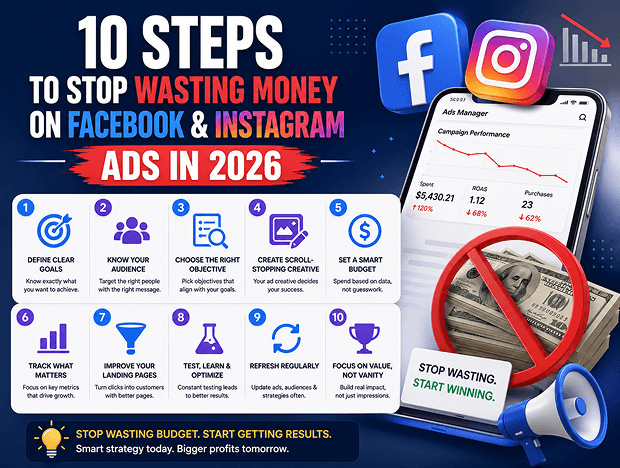
Facebook and Instagram advertising remains a powerful channel for businesses, but a staggering amount of ad spend is lost annually due to inefficient strategies. In 2026, with increasing competition and evolving algorithms, a data-driven and strategic approach is more critical than ever to ensure your advertising budget yields tangible results. Wasting money on these platforms means missed opportunities for customer acquisition, reduced ROI, and a slower path to business growth. This article outlines ten essential steps to optimize your Facebook and Instagram ad campaigns, transforming wasted spend into profitable investment.
Understand Your Audience Deeply Before Launching Meta Ads
Before spending a single dollar, a profound understanding of your target audience is paramount. Generic targeting leads to generic results and wasted ad impressions. In 2026, this means moving beyond basic demographics to psychographics, online behaviors, and purchase intent.
Define Your Ideal Customer Profile (ICP)
Your Ideal Customer Profile (ICP) is a semi-fictional representation of your perfect customer. It goes beyond age and location to include their pain points, aspirations, online habits, preferred social media platforms, and even the language they use. Creating detailed buyer personas helps tailor ad creative, messaging, and targeting parameters with precision.
For example, a B2B software company might identify their ICP as IT managers in mid-sized tech firms, aged 30-45, who are actively researching cloud security solutions and frequenting industry forums.
Leverage Facebook and Instagram Audience Insights
Both platforms offer robust built-in tools to understand your existing audience and potential customers. Facebook Audience Insights (accessible via Ads Manager) allows you to explore demographics, interests, behaviors, and page likes of people connected to your business or broader Facebook audiences.
Instagram Insights, available for business profiles, provides data on your followers’ demographics, activity times, and the performance of your content. Use this data to validate or refine your ICP, discovering new interests or behaviours that can inform your targeting.
Utilize Website and App Analytics
Your website analytics (e.g., Google Analytics 4) and app analytics provide invaluable data on who is visiting your digital properties. Analyze user demographics, interests, geographic locations, and their behavior on your site or app.
Identify which traffic sources are most valuable and what actions users take after arriving from social media. This data can inform lookalike audience creation and retargeting strategies, ensuring you’re reaching users who have already shown interest in your brand.
Set Clear, Measurable Campaign Objectives (SMART Goals)
Vague advertising goals like “increase brand awareness” are insufficient for effective ad spend management. In 2026, campaigns must be built around Specific, Measurable, Achievable, Relevant, and Time-bound (SMART) objectives. This clarity ensures you track the right metrics and make informed decisions about campaign optimization.
Define Meta Ads Campaign Objectives Aligned with Business Goals
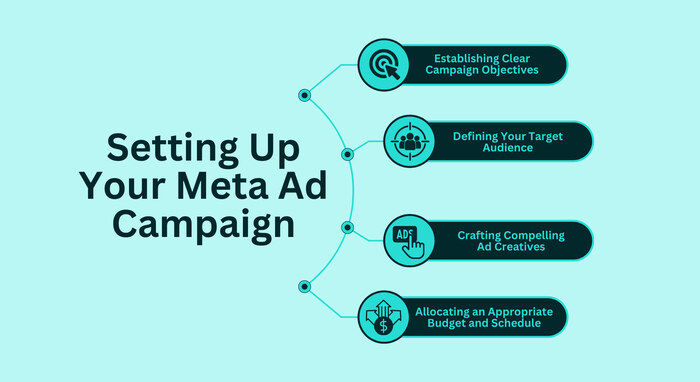
What do you want your ads to achieve? Common objectives include:
- Brand Awareness: Reaching new people likely to remember your ads. Metrics: Reach, Frequency, Brand Lift studies.
- Traffic: Sending people to a destination, like your website or app. Metrics: Link Clicks, Landing Page Views, Cost Per Click (CPC).
- Engagement: Getting more post engagement, page likes, or event responses. Metrics: Post Engagements, Page Likes, Event Responses.
- Lead Generation: Collecting leads for your business. Metrics: Leads, Cost Per Lead (CPL).
- Sales/Conversions: Encouraging purchases or other valuable actions on your website or app. Metrics: Purchases, Add to Carts, Cost Per Acquisition (CPA), Return on Ad Spend (ROAS).
Steps to Stop Wasting Money on Facebook & Instagram Ads
Establish Key Performance Indicators (KPIs)
Once objectives are set, define the specific KPIs that will measure success. For a traffic campaign, CPC and Landing Page Views are key. For a sales campaign, CPA and ROAS are critical. Ensure these KPIs are trackable within Facebook Ads Manager and other analytics platforms.
Set Realistic Benchmarks and Targets
Based on historical data, industry averages, or competitor analysis, set realistic targets for your KPIs. For instance, aim for a specific CPA or ROAS that ensures profitability. Regularly monitor performance against these targets to identify underperforming campaigns or ad sets.
Implement Precise Targeting Strategies
Audience targeting is the bedrock of efficient Facebook and Instagram advertising. Broad targeting is a primary culprit of wasted ad spend, as your ads are shown to individuals unlikely to convert. In 2026, precise targeting leverages custom audiences, lookalike audiences, and detailed interest/behavioral targeting.
Utilize Custom Audiences for Retargeting
Custom Audiences allow you to re-engage people who have already interacted with your business. This is often the most cost-effective strategy because these users are already familiar with your brand. Common sources for Custom Audiences include:
- Website Visitors: People who visited specific pages or took certain actions on your website (requires Facebook Pixel).
- Customer List: Uploading a list of existing customers (email addresses, phone numbers) to find them on Facebook and Instagram.
- App Activity: Users who have taken specific actions within your mobile app.
- Engagement: People who have interacted with your Facebook Page or Instagram Profile, watched your videos, or engaged with your lead forms.
Create High-Quality Lookalike Audiences
Lookalike Audiences expand your reach by finding new people who share characteristics with your best existing customers or website visitors. Start with a high-quality source audience (e.g., your customer list or a high-value website visitor segment). Facebook then identifies users with similar demographics, interests, and behaviours. Experiment with different audience sizes (1% to 10%) to balance reach and similarity.
Refine Interest and Behavior Targeting
When building new audiences, go beyond broad interests. Layer multiple interests and behaviors to narrow down your audience to the most relevant segments. For example, instead of targeting “Fitness,” target “Fitness” AND “Running” AND “Marathon Training” AND “Purchased athletic apparel online.” Always review the estimated audience size; if it’s too large, your ads may be shown to irrelevant people.
Leverage Layered Targeting and Exclusions
Combine different targeting options and use exclusions to prevent wasted impressions. For instance, if running a campaign for new customers, exclude your existing customer list from the prospecting audience. If targeting a specific geographic region, exclude areas within that region that have historically performed poorly.
Craft Compelling Ad Creative and Copy
Your ad’s creative (images/videos) and copy are what capture attention and persuade users to take action. Generic, low-quality, or irrelevant creative will lead to low click-through rates (CTR) and wasted ad spend. In 2026, authenticity, value proposition clarity, and mobile-first design are key.
Develop High-Quality Visuals
Use high-resolution images and well-produced videos that are visually appealing and relevant to your offer. Ensure visuals are optimized for mobile viewing, as most users access Facebook and Instagram on their phones. Short, engaging video content often performs best. Consider user-generated content (UGC) for authenticity.
Write Clear, Concise, and Benefit-Oriented Copy
Your ad copy should immediately communicate the value proposition. Focus on the benefits to the user, not just the features of your product or service. Use a clear call to action (CTA) that tells users exactly what you want them to do (e.g., “Shop Now,” “Learn More,” “Sign Up”). Keep sentences short and to the point.
A/B Test Different Creative and Copy Variations
Never assume you know what resonates best. Continuously A/B test different headlines, primary text, images, videos, and CTAs. Facebook Ads Manager allows you to easily set up split tests. Analyze the results to identify winning combinations and allocate more budget to them.
Ensure Mobile-First Design and Viewing
Most users browse social media on mobile devices. Design your ads with this in mind. Use vertical video formats, ensure text is legible on small screens, and keep CTAs prominent. Preview your ads in different placements (Feed, Stories, Reels) to ensure they look good everywhere.
Optimize Your Landing Page Experience for Meta Ads
Driving traffic to your website is only half the battle. If your landing page fails to convert visitors, your ad spend is effectively wasted. A seamless transition from ad click to landing page engagement is crucial for maximizing ROI. In 2026, landing page optimization focuses on speed, relevance, and user experience.
Ensure Ad-to-Landing Page Relevance
The landing page must directly match the promise made in the ad. If your ad promotes a specific product or offer, the landing page should feature that product prominently. Mismatched experiences lead to high bounce rates and low conversion rates.
Prioritize Landing Page Load Speed
Slow-loading pages frustrate users and increase bounce rates significantly. Use tools like Google PageSpeed Insights to identify and fix issues slowing down your landing page. Optimize images, leverage browser caching, and minimize code. Aim for a load time of under 3 seconds.
Design for Mobile Conversion
Just as with ads, your landing page must be mobile-friendly. Ensure easy navigation, prominent CTAs, and simple forms on mobile devices. A clunky mobile experience will deter conversions, especially from users coming via mobile social ads.
Streamline the Conversion Process
Make it as easy as possible for users to complete the desired action. Minimize form fields, offer guest checkout options for e-commerce, and ensure your CTA is clear and easy to find. Reduce any friction points that might cause users to abandon the process.
Monitor Meta Ads Campaign Performance Rigorously
Continuous monitoring and analysis are non-negotiable in Meta Ads Marketing for preventing ad spend waste. Relying solely on automated campaign management without human oversight can lead to missed opportunities or escalating costs. In 2026, this involves daily checks and deep dives into performance data.
Regularly Review Key Metrics
Daily or every-other-day checks of key metrics like CTR, CPC, CPA, and ROAS are essential. Identify any significant deviations from benchmarks. Look for trends in performance across different ad sets, ads, and audiences.
Analyze Performance by Placement and Device
Facebook and Instagram serve ads across various placements (Feed, Stories, Reels, Audience Network) and devices (mobile, desktop). Analyze which placements and devices are driving the best results and adjust your bids or budgets accordingly. Consider disabling underperforming placements.
Track Frequency and Adjust Bids
Ad frequency measures how many times the average person has seen your ad. High frequency can lead to ad fatigue, decreased CTR, and increased costs. If frequency is too high for a particular audience, consider pausing the ad set, refreshing creative, or broadening the audience.
Use Facebook Ads Manager Reporting Tools
Familiarize yourself with the reporting capabilities within Facebook Ads Manager. Customize reports to show the data most relevant to your campaign objectives. Utilize breakdowns by age, gender, region, placement, and device to uncover granular insights.
Optimize Meta Ads Bidding Strategies and Budget Allocation
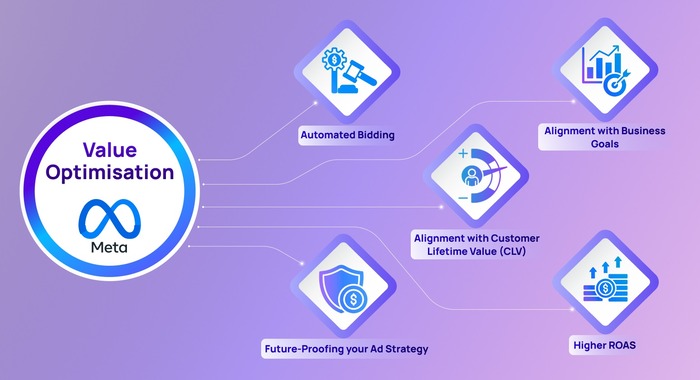
How you bid for ad placements and allocate your budget directly impacts your cost per result. Choosing the wrong bidding strategy or concentrating budget on underperforming campaigns is a direct path to wasted spend. In 2026, strategic bidding involves understanding platform options and dynamic adjustments.
Select the Right Bidding Strategy
Facebook offers various bidding strategies:
- Lowest Cost (Automatic Bidding): Aims to get the most results for your budget. Good for beginners or when optimizing for volume.
- Cost Cap: Sets a maximum amount you’re willing to pay per result. Helps control costs but can limit delivery if the cap is too low.
- Bid Cap: Sets a maximum bid you’re willing to place in an auction. Requires more active management.
- ROAS Goal: Aims to achieve a specific return on ad spend. Requires sufficient conversion data.
Choose a strategy that aligns with your campaign objective and risk tolerance. Start with Lowest Cost and transition to Cost Cap or ROAS Goal as you gather more data.
Allocate Budget Effectively
Shift budget towards campaigns, ad sets, and ads that are performing well against your KPIs. Conversely, reduce or pause spending on underperforming elements. Utilize campaign budget optimization (CBO) or ad set budget optimization (ASO) strategically. CBO allocates budget across ad sets within a campaign to find the lowest-cost opportunities, while ASO gives you control over individual ad set budgets.
Leverage Automated Rules
Set up automated rules in Ads Manager to automatically adjust bids, pause ads, or change budgets based on predefined performance triggers. For example, you could set a rule to pause an ad set if its CPA exceeds a certain threshold for three consecutive days.
Refine Your Targeting Based on Performance Data in Meta Ads
Targeting is not a set-it-and-forget-it activity. Performance data provides crucial insights for refining your audience segments, weeding out inefficient targeting parameters, and discovering new opportunities. In 2026, this iterative process is key to sustained success.
Analyze Audience Performance
Examine which audience segments (based on demographics, interests, behaviors, custom audiences, lookalikes) are delivering the best results (lowest CPA, highest ROAS). Focus more budget and effort on these high-performing segments.
Identify and Eliminate Underperforming Audiences
Conversely, identify audience segments that are consuming budget without delivering results. Pause or reduce spending on these segments. This could involve removing specific interests, narrowing behavioral targeting, or refining lookalike sources.
Test New Audience Hypotheses
Based on your analysis, formulate new hypotheses about potential target audiences. For example, if a specific interest group is performing well, test a related but more niche interest. If your customer list lookalike is strong, test a lookalike based on website visitors who completed a purchase.
Utilize Exclusion Targeting More Effectively
Continuously review who you are showing ads to and who you should be excluding. This includes excluding existing customers from acquisition campaigns, excluding people who have already converted from conversion campaigns, and excluding geographic areas or demographics that consistently underperform.
Refresh Meta Ads Creative and Messaging Regularly
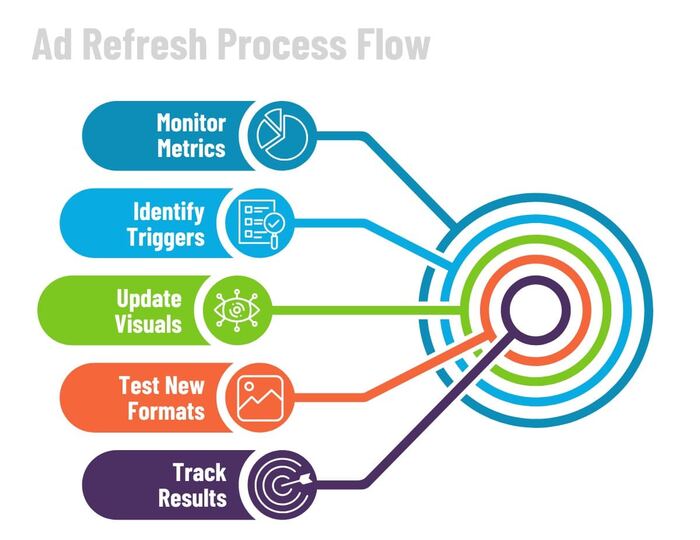
Ad fatigue is a real phenomenon that significantly impacts campaign performance and leads to wasted ad spend. When users repeatedly see the same ads, their engagement drops, CTR declines, and costs rise. In 2026, a proactive approach to creative refreshes is essential.
Monitor Ad Frequency Closely
As mentioned earlier, keep a close eye on ad frequency metrics in Ads Manager. If frequency starts to climb too high (e.g., above 3-5 for a 7-day lookback window, depending on the campaign), it’s time for a change.
Schedule Creative Rotations
Plan regular intervals for refreshing your ad creative and copy. This could be weekly, bi-weekly, or monthly, depending on your marketing campaign duration and performance. Don’t wait until performance tanks to make changes.
Test New Angles and Value Propositions
When refreshing creative, don’t just swap out images. Experiment with different messaging angles, highlight different benefits, or introduce new offers. Testimonials, case studies, or behind-the-scenes content can also be effective.
Leverage User-Generated Content (UGC)
UGC often performs exceptionally well because it feels authentic and trustworthy. Encourage customers to share their experiences with your product or service and seek permission to use their content in your ads.
Utilize Negative Keywords and Placements in Meta Ads
Just as with search advertising, negative keywords and placements help prevent your ads from being shown in irrelevant contexts, thereby saving money and improving efficiency. This is particularly relevant for campaigns utilizing the Audience Network. In 2026, proactive exclusion is a best practice.
Implement Negative Keywords (Where Applicable)
While primarily a search ad tactic, negative keywords can sometimes be applied to certain Facebook ad objectives or placements if they trigger irrelevant searches or contexts. More importantly, ensure your ad copy avoids language that might attract the wrong audience.
Exclude Irrelevant Placements
The Audience Network, which extends your ads to third-party apps and websites, can sometimes be a source of low-quality traffic and wasted spend. Analyze the performance of Audience Network placements within Ads Manager. If they are consistently delivering poor results (high CPC, low CTR, low conversions), consider excluding them entirely from your campaigns.
Analyze Placement Performance Data
Go into Ads Manager and break down your campaign performance by placement. Identify which specific placements (e.g., Facebook Video Feeds, Instagram Stories, Audience Network apps) are driving the best ROI and which are draining your budget. Adjust your targeting to favor high-performing placements and exclude low-performing ones.
Conclusion: Continuous Optimization Drives Profitability
Stopping the waste of money on Facebook and Instagram ads in 2026 is not a one-time fix but an ongoing process of strategic planning, meticulous execution, and rigorous analysis.
By deeply understanding your audience, setting clear objectives, implementing precise targeting, crafting compelling creative, optimizing the landing page experience, monitoring performance vigilantly, managing budgets wisely, and regularly refreshing your approach, you can transform your ad spend from an expense into a powerful engine for growth. Embrace a mindset of continuous optimization, and watch your return on investment soar.
Frequently Asked Questions
What is the most common reason for wasting money on Facebook and Instagram ads?
The most common reason for wasting money on Facebook and Instagram ads is ineffective audience targeting. Showing ads to people who are not interested in your products or services, or who do not fit your ideal customer profile, leads to low engagement, high costs, and poor conversion rates. This often stems from overly broad targeting or a lack of deep audience research.
How often should I refresh my ad creative?
You should refresh your ad creative regularly, typically every 1-4 weeks, depending on campaign performance and ad frequency. Monitoring your ad frequency metric in Ads Manager is crucial. When frequency starts to become too high (indicating ad fatigue), it’s a clear signal that your audience has seen the ad too many times, leading to diminishing returns and wasted spend.
What is the difference between CBO and ABO in Facebook Ads?
Campaign Budget Optimization (CBO) allows Facebook to automatically distribute your campaign budget across different ad sets within that campaign, aiming to get the most results for your overall budget. Ad Set Budget Optimization (ABO) allows you to set individual budgets for each ad set, giving you more manual control over spending for specific audiences. CBO is generally recommended for efficiency, while ABO offers more granular control.
Should I always use the lowest cost bidding strategy?
The lowest cost bidding strategy is a good starting point as it aims to get you the most results for your budget. However, it doesn’t guarantee a specific cost per result. As you gather more data and have clearer cost-per-acquisition goals, strategies like Cost Cap or Bid Cap can help control spending more precisely, preventing budget waste on overly expensive clicks or conversions.
How can I measure the true ROI of my Facebook and Instagram ads?
To measure the true ROI, you must accurately track conversions and attribute them to your ad campaigns. This involves setting up the Facebook Pixel correctly on your website to track actions like purchases, leads, or sign-ups. Then, calculate Return on Ad Spend (ROAS) by dividing your total revenue generated from ads by your total ad spend. Ensure you are tracking valuable actions that directly contribute to your business objectives.
Is it better to target a broad audience or a niche audience?
It is generally more effective and less wasteful to target a niche audience. While broad targeting can increase reach, it often leads to showing your ads to many uninterested individuals, increasing costs and lowering conversion rates. Niche targeting allows you to focus your budget on individuals most likely to be interested in your offer, leading to higher engagement and better ROI. You can expand from a niche once you have optimized performance.


